Quick Answer: Why Tomato Leaves Turn Yellow
In brief: Yellow tomato leaves often signal problems with watering, nutrients, or pests. Overwatering can drown roots, causing yellowing, especially on lower leaves. Underwatering leads to wilting and yellowing as the plant struggles. Nutrient deficiencies, particularly nitrogen, magnesium, or iron, show up as yellow leaves. Pests like spider mites or aphids suck sap, causing stippling and yellowing. Diseases, though less common for beginners, can also be a cause. Start by checking your watering schedule and soil moisture. Then, consider a balanced fertilizer. Inspect leaves closely for any signs of pests or disease.
Seeing yellow tomato leaves can be really concerning for any gardener. You’ve put in the work, and now your plants look a little sad. Don’t worry, I’ve been there too!
this guide covers help you figure out why your tomato leaves are turning yellow. We’ll cover common causes like watering issues, nutrient deficiencies, and pests. It’s not about being a plant doctor, but about observing your plants closely. This isn’t a botany textbook, but a friendly chat from one gardener to another, using reliable sources.
We’ll focus on practical, backyard-level solutions. For complex issues like serious soil contamination or identifying rare diseases, we’ll point you toward the experts. Let’s get those tomato plants healthy again!
Why Yellow Tomato Leaves Matter
Okay, let’s talk about yellow tomato leaves. When you see this, it’s your plant’s way of telling you something’s up. It’s like a little alarm bell going off in your garden. Ignoring it means your plants might not produce as much fruit, or worse, they could decline. Healthy green leaves are key for photosynthesis, the process plants use to make food. Yellow leaves mean that process is struggling.
For us backyard gardeners, this is super important. We want juicy tomatoes for our salads and sandwiches, right? Seeing yellow leaves can be a sign of simple fixes, like adjusting your watering. Or, it could point to a nutrient imbalance that needs attention. The U.S. Department of Agriculture (USDA) highlights how essential proper plant nutrition is for yield and quality. They note that deficiencies can significantly impact growth. For example, a lack of nitrogen, a crucial nutrient, directly affects leaf color and overall plant vigor. You can learn more about plant nutrition through USDA resources [L1].
Sometimes, yellowing can be an early indicator of pests or diseases. Catching these early is way easier than dealing with a full-blown infestation or plant sickness. I learned this the expensive way with a few zucchini plants that just gave up on me. Early detection saves time, money, and your harvest. Understanding the signs helps you be a better plant parent and enjoy the fruits (or rather, tomatoes!) of your labor.
When to Watch and When to Act on Yellow Leaves
Figuring out if yellow tomato leaves are a minor issue or a major problem can be tricky. Here’s a breakdown to help you decide what to do.
Worth watching:
- Lower leaf yellowing: If only the very bottom leaves start to turn yellow and eventually fall off, it’s often just natural aging. Tomato plants shed older leaves as they grow. Keep an eye on it, but don’t panic unless it spreads upwards.
- Slight, patchy yellowing after transplanting: Young plants can get a little stressed when moved to a new spot. A few yellow leaves initially might just be transplant shock. Ensure they have consistent moisture and light.
- Yellowing from very hot weather: Sometimes, intense heat can stress plants, leading to temporary yellowing or wilting. Providing consistent water and a bit of afternoon shade can help them recover.
- Yellowing from companion planting interference: Certain plants can compete for nutrients. If you’ve planted tomatoes very close to aggressive growers, watch for signs of nutrient drain.
- Yellowing on very old plants late in the season: As tomatoes finish their life cycle, it’s normal for older leaves to yellow and die back. Focus on harvesting the remaining fruits.
Worth calling an expert:
- Widespread yellowing affecting new growth: If young leaves at the top of the plant are turning yellow, especially with spotting or stippling, it signals a more serious issue like nutrient deficiency or pest infestation.
- Yellow leaves with dark spots or fuzzy mold: These are classic signs of fungal or bacterial diseases. Early intervention is key. You might need specific treatments.
- Yellowing accompanied by wilting, even when watered: This could indicate root rot from overwatering or a vascular wilt disease. Both require expert diagnosis.
- Evidence of pests like tiny webs or clusters of small insects: Spider mites, aphids, or whiteflies can quickly weaken plants. Identifying them is the first step to control.
- Yellowing after applying a new fertilizer or treatment: You might have over-fertilized or used a product that harmed the plant. The cooperative extension can help assess the damage.
For any of these serious signs, reaching out to your local cooperative extension office is a great first step. They can help diagnose plant issues specific to your region.
Step-by-Step Guide to Addressing Yellow Tomato Leaves
- Assess Your Watering Habits: Check the soil moisture about two inches down. If it’s soggy, you’re overwatering. If it’s bone dry, you’re underwatering. Aim for consistently moist, not waterlogged, soil. Water deeply at the base of the plant, preferably in the morning. This helps prevent fungal diseases. Consistent watering is crucial for preventing stress that leads to yellow leaves.
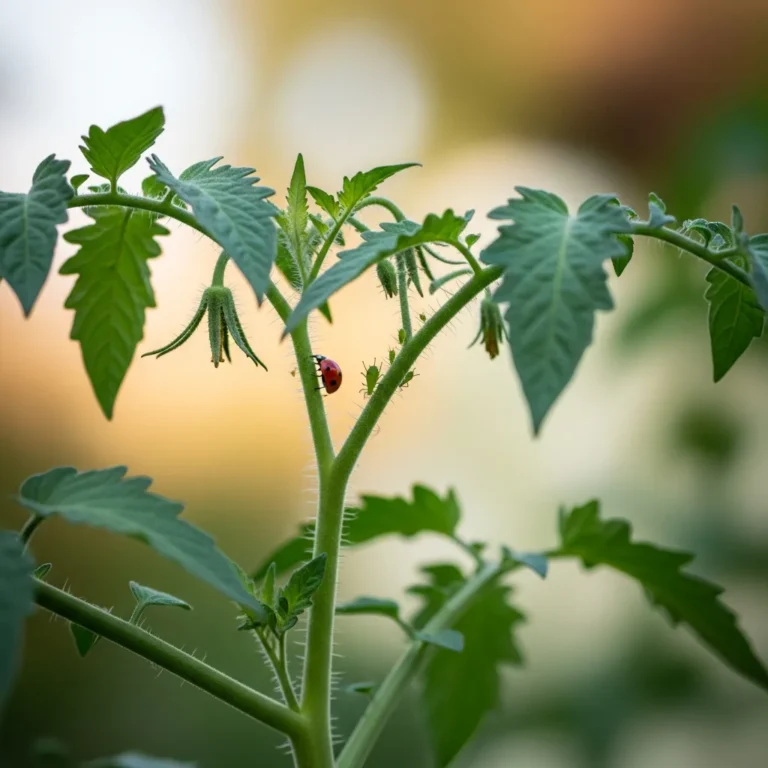
- Examine for Pests: Get up close and personal with your tomato plants, especially the undersides of leaves. Look for tiny dots (spider mites), small green or black bugs clustered on stems (aphids), or tiny white flying insects (whiteflies). If you find them, try a strong spray of water first. For persistent issues, consider insecticidal soap or neem oil. You can find more on pest identification and management through resources like the USDA’s Agricultural Research Service [L1].
- Consider Nutrient Deficiencies: Yellowing, especially between the veins on older leaves, often points to a nitrogen deficiency. Yellowing on older leaves with red or purple undersides can signal phosphorus issues. Yellowing between veins on newer leaves might indicate iron or magnesium deficiency. Use a balanced, water-soluble fertilizer formulated for tomatoes every 2-3 weeks. Follow package directions carefully to avoid over-fertilizing, which can also cause problems.
- Check Soil pH: Tomatoes prefer slightly acidic soil, with a pH between 6.0 and 6.8. If your soil is too alkaline or too acidic, plants can’t absorb nutrients effectively, even if they’re present. You can get a soil test kit from a garden center. For detailed regional advice on soil testing and amendments, your local cooperative extension office is the best resource. Penn State Extension offers great insights into soil health [L2].
- Improve Air Circulation: Overcrowded plants can be more prone to fungal diseases, which often start with yellowing leaves. Ensure plants have enough space to grow. Prune away lower leaves that touch the soil. This improves airflow around the base of the plant and reduces the risk of soil-borne diseases splashing up.
- Remove Affected Leaves: For minor issues like natural aging or slight stress, carefully prune off the yellow leaves. Use clean pruning shears or scissors. Dispose of these leaves away from your garden to prevent potential disease spread. This helps the plant focus energy on healthy growth.
- Sanitize Tools: After pruning diseased or yellowed leaves, clean your tools with rubbing alcohol or a bleach solution. This prevents spreading any pathogens to healthy parts of the plant or to other plants in your garden.
Common Misconceptions About Yellow Tomato Leaves
Myth: All yellow leaves mean your plant is dying and needs to be thrown out.
Reality: Not all yellow leaves are a death sentence! As mentioned, older leaves naturally yellow and die off. This is a normal part of the plant’s life cycle. Focusing on the newer growth at the top of the plant is usually more telling. Observe the pattern and location of the yellowing before making any drastic decisions.
Myth: Yellow leaves are always caused by a lack of fertilizer.
Reality: While nutrient deficiencies can cause yellow leaves, it’s not the only culprit. Overwatering is a very common cause, leading to root rot and an inability to absorb nutrients. Pests, diseases, and even environmental stress like extreme heat or transplant shock can also result in yellowing. Always diagnose the problem before reaching for the fertilizer bag.
Myth: You should water your tomato plants every single day.
Reality: Daily watering isn’t always best. It can lead to overwatering and root issues, especially in cooler weather or if you have heavy soil. The best approach is to water deeply when the top inch or two of soil feels dry. Factors like weather, soil type, and plant size influence how often you need to water. Check the soil, don’t just stick to a schedule.
Myth: Yellow leaves mean you need to immediately spray with a strong pesticide.
Reality: Jumping to harsh chemicals can harm beneficial insects and even damage your plants. First, try to identify the cause. Often, a simple solution like adjusting watering, removing pests manually, or improving airflow is enough. If pests are the issue, start with gentler options like insecticidal soap or neem oil before considering stronger treatments. The EPA provides guidance on pesticide use for home gardeners [L1].
Myth: Yellowing on the very top leaves is normal as the plant gets older.
Reality: Yellowing on new growth at the top of the plant is usually a sign of a problem. This often indicates issues with nutrient uptake, such as iron or magnesium deficiency, or a disease affecting the plant’s vascular system. Natural aging typically affects the oldest leaves at the bottom first.
What to Track for Healthy Tomato Plants
Keeping good records helps you spot patterns and diagnose issues faster. Here’s what I suggest tracking for your tomato plants:
- Watering Frequency and Amount: Note down when you water and how much. Is it consistent? Does it match the weather?
- Soil Moisture Levels: Regularly check the soil a couple of inches down. Is it dry, moist, or soggy?
- Leaf Color and Location: Specifically note which leaves are yellowing (old, new, middle) and the pattern (veins, spots, overall).
- Presence of Pests: Look for any insects, eggs, or webbing. Note the type and location if you find them.
- New Growth Appearance: Are the new leaves healthy green, or are they yellowing, stunted, or malformed?
- Fertilizer Application: Record the type of fertilizer used, the amount, and the date applied.
- Recent Weather Conditions: Note periods of extreme heat, heavy rain, or drought.
- Plant Height and Vigor: Track how quickly your plants are growing and how strong they look overall.
- Fruit Development: Are tomatoes forming? Are they ripening properly, or are there signs of stress?
- Any Unusual Signs: Wilting, spots, strange smells, or anything else out of the ordinary.
Frequently Asked Questions About Yellow Tomato Leaves
Why are the lower leaves on my tomato plant turning yellow?
This is often normal as the plant matures. Older leaves at the bottom naturally age and die off to redirect energy to new growth and fruit production. However, if it’s widespread or affecting newer leaves, check watering and nutrient levels.
Can overwatering cause yellow tomato leaves?
Yes, absolutely. Overwatering is a very common cause. When soil stays waterlogged, the roots can’t get enough oxygen and may start to rot. Damaged roots can’t absorb water or nutrients properly, leading to yellowing leaves, often starting from the bottom.
What does it mean if new tomato leaves are yellow?
Yellowing on new growth at the top of the plant usually indicates a problem with nutrient availability or uptake. It could be a deficiency in essential nutrients like iron, magnesium, or nitrogen that are needed for new leaf development.
Are yellow leaves a sign of disease in tomatoes?
Yellow leaves can be a symptom of various diseases, including fungal wilts (like Verticillium or Fusarium wilt) or bacterial infections. These diseases often cause yellowing along with other symptoms like wilting, spots, or streaks. If you suspect disease, it’s important to get an accurate diagnosis.
How can I fix yellow leaves caused by nutrient deficiency?
First, confirm it’s a deficiency with your watering and pest checks. If nutrients seem to be the issue, use a balanced liquid fertilizer specifically for tomatoes. Follow the instructions carefully. For specific deficiencies like magnesium, Epsom salts can sometimes help, but always research the correct application.
Should I remove yellow leaves from my tomato plant?
Yes, it’s generally a good idea to remove yellowed or diseased leaves. Use clean, sharp pruners. This helps the plant conserve energy for healthy growth and can prevent the spread of potential diseases. Dispose of removed leaves away from your garden.
Can spider mites cause yellow leaves on tomato plants?
Yes, spider mites are a common pest that can cause yellowing. These tiny pests feed by sucking the sap from the leaves, leaving behind small yellow or white stipples. You might also see fine webbing on the undersides of leaves. Early detection and treatment are key to managing them.
Keep Those Tomatoes Growing Strong
Yellow tomato leaves can feel overwhelming at first. But remember, most of the time, it’s a sign your plant needs a little adjustment, not a complete overhaul. By observing carefully, checking your watering, and understanding basic plant needs, you can often turn things around.
Don’t hesitate to reach out to your local cooperative extension if you’re unsure about a diagnosis or if the problem seems persistent. They’re a fantastic resource for us home gardeners. Happy growing, and I hope you have a bountiful harvest!