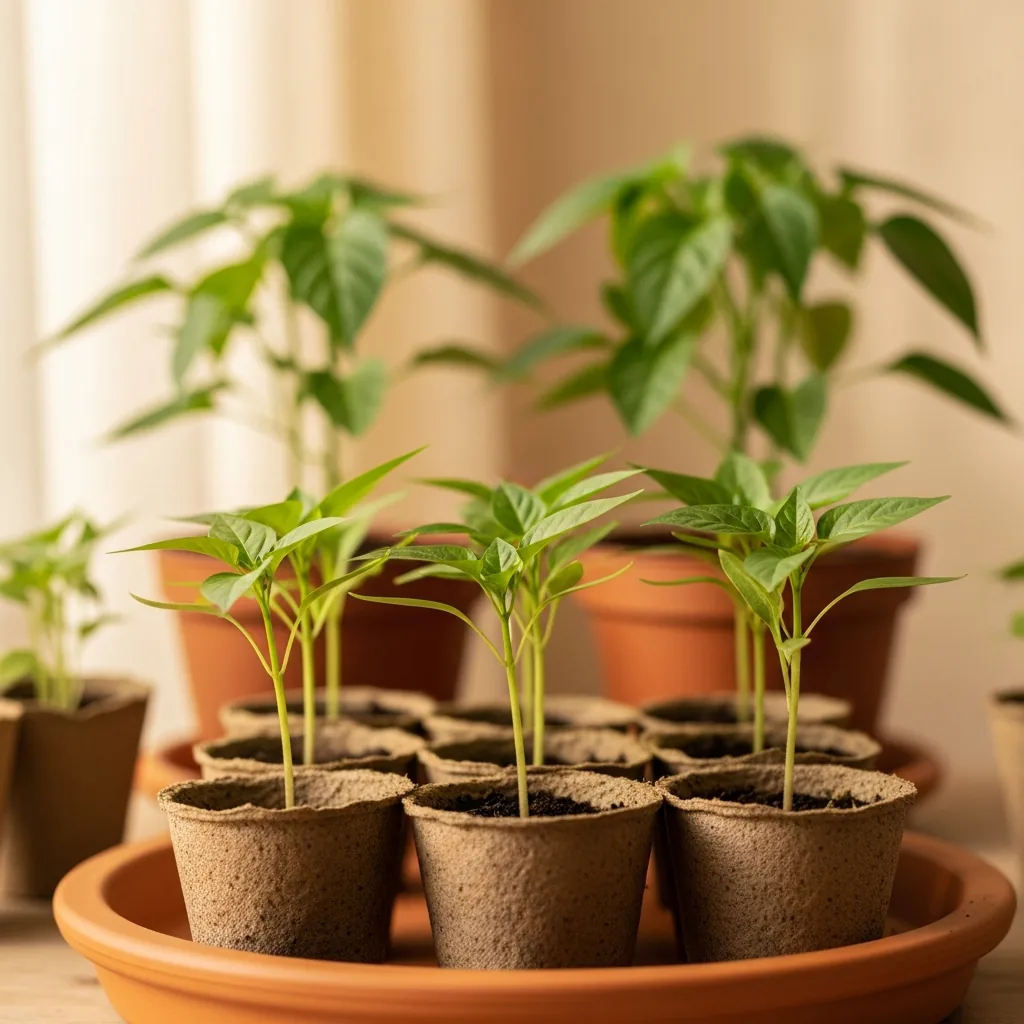
When to Sow Peppers, Aubergines, and Chillies (vegetable garden)?
Short answer: You should aim to sow peppers, aubergines, and chillies indoors about 6-8 weeks before your average last frost date. This typically falls between late February and early April for most of the US. Ensure your seedlings are at least 6 inches tall and night temperatures consistently stay above 50°F (10°C) before transplanting them outdoors. Starting seeds indoors gives them the long, warm season they need to thrive and produce fruit. Always check your local frost dates for precise timing.
The last frost has finally passed, and you’re eager to get those warm-season crops in the ground. But when exactly should you sow peppers, aubergines, and chillies? These heat-loving plants need a long, warm growing season to produce. Get it wrong, and you might miss out on homegrown peppers entirely. I’ve definitely learned this the hard way over the years.
this guide covers walk you through the ideal timing for starting your seeds indoors. We’ll cover everything from soil temperature to seedling care. You’ll learn how to give these plants the best possible start for a bountiful harvest. We’re focusing on starting seeds indoors, not direct sowing, as these plants need that head start.
Why Timing Your Pepper Sowing Matters
Can we talk about the frustration of looking forward to homegrown peppers all winter, only to have a disappointing harvest? It’s a common gardener’s lament. Peppers, aubergines, and chillies are sun-worshippers. They absolutely need a long, warm growing season to mature and produce those delicious fruits. In many parts of the US, our summers aren’t quite long enough to reliably grow them from seed sown directly in the garden. That’s why starting them indoors is so crucial.
According to the University of Illinois Extension, peppers require a minimum soil temperature of 60°F (15.5°C) to germinate and grow well. Warmer soil, ideally around 70-80°F (21-27°C), leads to faster germination and stronger seedlings. If you sow too late, or if your season is cut short by an early frost, you might end up with plants that are just too small to produce much fruit before cold weather returns. This means missing out on your favorite hot sauces or stuffed peppers. Getting the timing right ensures your plants have ample time to establish, flower, and set fruit.
When to Sow or Wait for Peppers
Knowing when to start your pepper seeds indoors versus waiting for outdoor conditions is key. These plants are a bit particular about their environment, and rushing things can lead to weak seedlings or outright failure. Here’s a breakdown to help you decide.
Worth starting indoors now:
- Your last average frost date is within 8-10 weeks. This gives you enough time to grow sturdy seedlings.
- You have a warm spot indoors, like a sunny windowsill or a heated propagator, with consistent temperatures of 70-80°F (21-27°C) for germination.
- You can provide adequate light for seedlings using grow lights if natural light is insufficient, preventing leggy growth.
- You’re prepared to transplant seedlings into larger pots as they grow, which is a necessary step for healthy development.
- You have a plan for hardening off seedlings gradually before transplanting them outside.
Worth waiting or calling an expert:
- You’re unsure of your exact last frost date. Check your local USDA hardiness zone for guidance.
- Your indoor space is too cold or lacks sufficient light for starting seeds. Leggy, weak seedlings are hard to recover.
- You suspect your soil might be contaminated or has drainage issues if you plan to plant directly in the ground later. For concerns about soil health or potential contaminants, contacting your local cooperative extension office is a smart move. They can provide resources for soil testing and advice specific to your region.
- You’re dealing with a plant identification issue and aren’t sure if it’s a pepper plant or something else. Misidentification can lead to incorrect care.
- There’s a sudden, unexplained decline in established plants after transplanting. This could signal disease or pest issues requiring professional diagnosis.
Step-by-Step Guide to Sowing Peppers Indoors
- Prepare your pots and soil: Use clean seed-starting trays or small pots (about 3-4 inches). Fill them with a sterile, seed-starting mix. Don’t use garden soil, as it can compact and harbor diseases. Lightly moisten the mix before filling your containers. I like to use a peat-free mix for sustainability.
- Sow the seeds: Plant pepper seeds about 1/4 inch deep. You can sow 2-3 seeds per pot or cell to ensure germination, planning to thin to the strongest seedling later. Gently cover the seeds with the soil mix and lightly water again.
- Provide warmth and humidity: Cover your seed trays with a clear plastic dome or plastic wrap. This traps humidity and warmth, which is crucial for germination. For optimal results, place them on a heat mat or in a warm spot, aiming for soil temperatures between 70-80°F (21-27°C). As Penn State Extension notes, consistent warmth is key for pepper seed germination.
- Give them light: Once you see the first seedlings emerge, remove the plastic cover immediately. Peppers need bright light. Place them under grow lights set a few inches above the seedlings, or on a very sunny windowsill. If using natural light, rotate the pots daily to prevent them from growing crookedly towards the sun.
- Water carefully: Keep the soil consistently moist but not waterlogged. Overwatering can lead to damping-off disease, which is a real bummer. Use a gentle spray bottle or bottom-watering method to avoid disturbing the delicate seedlings.
- Transplant to larger pots: When seedlings have developed their first set of true leaves (the ones that look like mini pepper leaves, not the initial seed leaves) and are about 3-4 inches tall, it’s time to move them into individual, larger pots (around 4 inches). Handle seedlings gently by their leaves, not the stems, to avoid damage.
- Harden off before planting outside: About 7-10 days before your last frost date, begin hardening off your seedlings. This means gradually exposing them to outdoor conditions. Start with a few hours in a sheltered spot, gradually increasing the time outdoors and exposure to sun and wind each day. This process prevents transplant shock.
Common Misconceptions About Sowing Peppers
Myth: You can sow pepper seeds directly in the garden as soon as the last frost passes.
Reality: While some hardier vegetables can be direct-sown, peppers really need a head start. Their germination and growth are highly dependent on warm soil and air temperatures. Direct sowing in most climates means they won’t have enough time to mature and produce fruit before the growing season ends. Starting them indoors 6-8 weeks prior is essential for a good harvest, as recommended by many university extension services like those at the University of Illinois.
Myth: Any potting soil will work fine for starting pepper seeds.
Reality: It’s best to use a sterile seed-starting mix. Garden soil is too dense, may contain weed seeds, and can harbor fungal diseases that kill delicate seedlings. Seed-starting mixes are lighter, drain well, and are typically sterile to give your peppers the best possible start. I learned this the expensive way when my first batch of seedlings succumbed to damping-off.
Myth: Peppers need many water right after germination.
Reality: Young pepper seedlings need consistent moisture, but they are very susceptible to damping-off disease if the soil stays soggy. It’s better to let the very top layer of soil dry out slightly between waterings. A spray bottle or watering from the bottom of the tray helps prevent overwatering and disturbing the tiny plants.
Myth: You don’t need grow lights if you have a sunny window.
Reality: While a very bright, unobstructed south-facing window can work, it’s often not enough. Seedlings can become leggy, stretching towards the light source. Grow lights provide consistent, full-spectrum light, ensuring stocky, healthy plants. This is especially true in regions with shorter daylight hours or frequent cloudy weather during the spring seed-starting period. The Royal Horticultural Society (RHS) also emphasizes the importance of good light for strong seedlings.
What to Track for Healthy Pepper Seedlings
Keeping an eye on a few key things will help you grow strong pepper seedlings. This helps you catch problems early and provides valuable information if you need to consult your local extension office. Here’s a checklist:
- Soil Temperature: Aim for 70-80°F (21-27°C) for germination. After sprouting, slightly cooler is okay, but avoid drafts.
- Moisture Levels: The soil should feel like a wrung-out sponge. Check daily by touching the surface.
- Light Exposure: Ensure seedlings get 14-16 hours of bright light daily, either from grow lights or a very sunny window.
- Seedling Height: Track growth. Leggy seedlings (stretching thin) indicate insufficient light. Healthy seedlings grow stocky.
- True Leaves: Note when the first set of true leaves appears, signaling it’s time to transplant into larger pots.
- Root Development: Check the bottom of pots for roots emerging from drainage holes, indicating it’s time to pot up.
- Hardening Off Progress: Monitor how plants react to increasing outdoor exposure over 7-10 days.
- Transplant Day Conditions: Note the air and soil temperature on the day you plan to move them outside permanently.
Frequently Asked Questions About Sowing Peppers
When is the absolute latest I can sow pepper seeds indoors?
The absolute latest you might consider sowing pepper seeds indoors is about 4 weeks before your average last frost date. However, this results in smaller plants and a significantly reduced harvest. For the best results and a good yield of fruit, aim for 6-8 weeks before your last frost. Starting later means the plants will be smaller and may not produce much before the season ends.
Can I sow peppers and aubergines at the same time?
Yes, you absolutely can sow peppers and aubergines at the same time. Both plants have very similar needs regarding temperature, light, and a long growing season. The process for starting their seeds indoors is virtually identical. Just ensure you give them consistent warmth and light, and transplant them when they are ready.
My pepper seedlings are getting tall and leggy. What did I do wrong?
Leggy seedlings are almost always a sign of insufficient light. They are stretching desperately to find more light. Make sure your seedlings are receiving 14-16 hours of bright light per day. If you’re using a windowsill, it may not be bright enough, or the light might be too directional. Consider using grow lights positioned just a few inches above the plants. As the plants grow, you adjust the light height. This is a common issue I’ve seen many times.
How do I know when my pepper seedlings are ready to go outside?
Your pepper seedlings are ready to go outside after all danger of frost has passed and nighttime temperatures consistently stay above 50°F (10°C). Before planting them in their final spot, you must harden them off. This means gradually introducing them to outdoor conditions over a week to 10 days. Start by placing them in a sheltered location outside for a few hours, then slowly increase their exposure to sunlight and wind. This prevents transplant shock, which can set them back significantly.
Can I transplant pepper seedlings into bigger pots without hurting them?
Yes, you can and should transplant pepper seedlings into bigger pots as they grow. This is called ‘potting up.’ Handle the seedlings gently by their leaves or the root ball, not the delicate stem. Loosen the root ball slightly if it’s tightly bound. Plant them at the same depth or slightly deeper in the new pot, filling with fresh potting mix. Water them well after transplanting. This gives their roots more space to grow, leading to stronger plants.
What’s the best soil temperature for transplanting pepper seedlings outdoors?
The ideal soil temperature for transplanting pepper seedlings outdoors is at least 60°F (15.5°C), but ideally closer to 70°F (21°C). Peppers are warm-season crops and will struggle to grow, or even die, if planted in cold soil. Check your soil temperature with a thermometer. It’s also crucial that all danger of frost has passed and that nighttime air temperatures are consistently above 50°F (10°C). Cold soil stunts their growth significantly.
Wrapping Up Your Pepper Sowing Journey
Starting peppers, aubergines, and chillies indoors might seem like many steps. But trust me, the payoff of harvesting your own flavorful peppers is totally worth it. By paying attention to timing, providing the right conditions, and giving them a good start, you’re setting yourself up for success. Don’t be afraid to try it! If you’re ever unsure about specific soil issues or persistent problems, remember your local cooperative extension office is a fantastic resource. Happy growing!