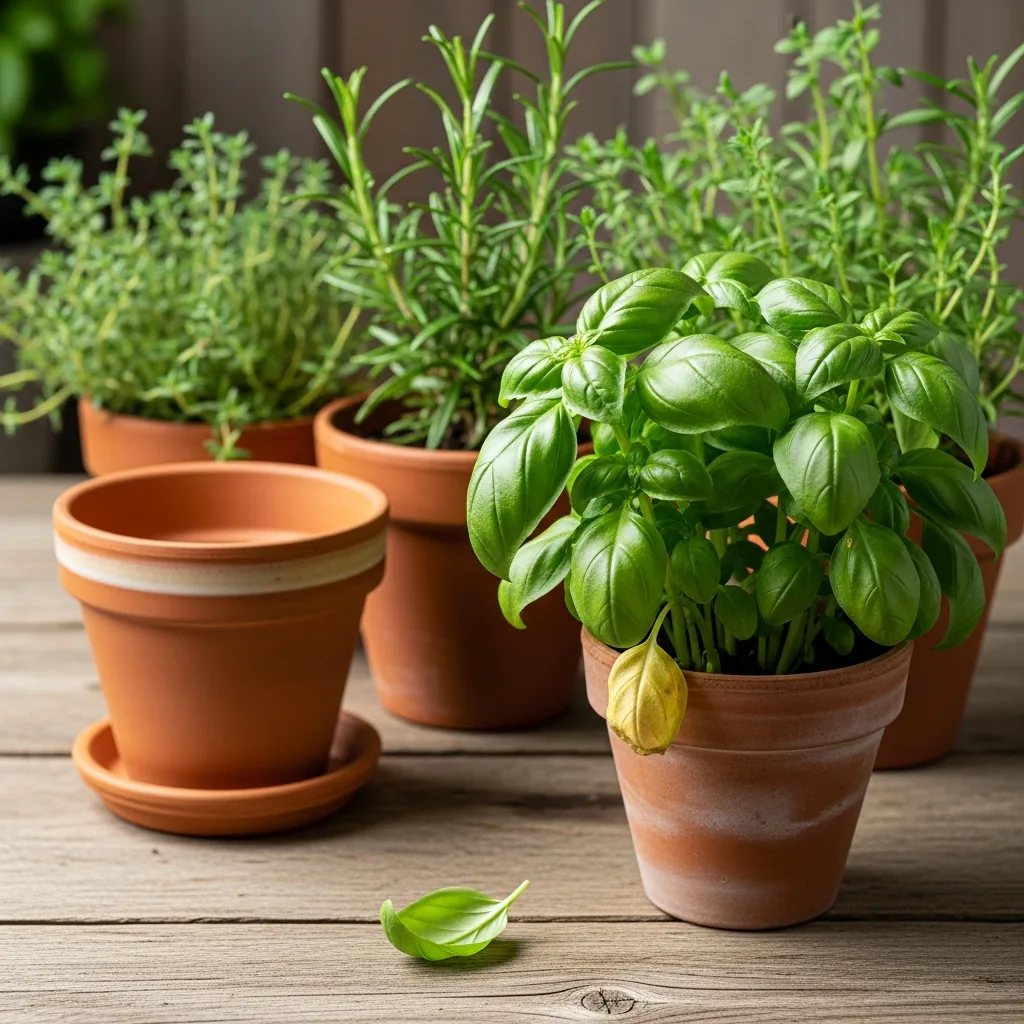
Quick Solutions for Garden Problems
Short answer: To solve problems in your backyard garden, start by identifying the issue accurately. Is it a pest, disease, or environmental stress? Many common problems like yellowing leaves or wilting can be addressed with simple fixes like adjusting watering or adding compost. For issues like persistent weeds or signs of serious disease, you might need a more targeted approach. Knowing when to watch and when to call an expert is key to successful problem-solving. This guide aims to help you solve problems efficiently.
Dealing with garden problems? You’re not alone! Even experienced gardeners face issues like pests, diseases, and nutrient deficiencies. I’ve certainly had my share of plant fails. this guide covers help you solve problems in your backyard garden. We’ll cover common issues, how to spot them, and what to do next. You’ll learn practical steps for your own garden. We’re focusing on what you can do at home. For tricky plant identification or serious tree concerns, we’ll point you toward reliable experts. Let’s get your garden thriving!
Solve problems: Why Solving Garden Problems Matters
A healthy garden doesn’t just look good; it supports local ecosystems. When you learn to solve problems effectively, you’re not just saving your plants. You’re helping create a more resilient garden habitat. This benefits pollinators and beneficial insects too.
Ignoring small issues can lead to bigger, more expensive problems later. Think of it like a leaky faucet; a small drip can waste many water. Similarly, a few aphids can quickly turn into a major infestation. Addressing problems early also saves you time and money. You won’t have to replace entire plants or buy harsh chemicals unnecessarily.
Understanding common garden issues helps you become a better gardener. It builds confidence and makes gardening more enjoyable. The Cooperative Extension System offers a many information tailored to your specific region. They can help you solve problems unique to your climate and soil conditions, like understanding water management.
When to Watch and When to Act
Deciding whether to intervene or let nature take its course is a gardener’s constant challenge. Here’s a breakdown to help you make that call.
Worth watching:
- Slight yellowing on older leaves of houseplants: This can sometimes be normal as the plant sheds older foliage. Keep an eye on new growth.
- A few aphids on new growth: Small numbers of aphids can often be managed by beneficial insects like ladybugs.
- Minor leaf spots without rapid spread: Some minor fungal spots might not harm the plant significantly if conditions change.
- Wilting during extreme heat: Plants can wilt in intense heat. Check soil moisture; if it’s adequate, they might recover overnight.
- Young weeds in a mulched bed: A thin layer of mulch suppresses most weeds. Watch to see if they establish or are easily pulled.
- Leaf miners creating small tunnels: If only a few leaves are affected, the plant can usually tolerate it.
Worth calling an expert:
- Sudden, widespread wilting affecting multiple plants: This could indicate a root issue or a fast-spreading disease.
- Unidentified pests or diseases: If you can’t identify the problem, especially before using any treatments, consult your local extension office. They have diagnostic tools.
- Signs of toxicity to pets or children: If you suspect a plant is poisonous, contact the ASPCA Poison Control immediately.
- Large trees with structural damage or disease near your home: For significant tree work, always consult an ISA-certified arborist.
- Suspected soil contamination: If you’re concerned about heavy metals or other contaminants, especially in older urban gardens, seek advice from your cooperative extension.
- Persistent invasive species: Some weeds are incredibly difficult to eradicate. Your extension office can advise on management strategies.
Step-by-Step Problem Solving
- Identify the issue: Carefully observe the plant. Note the symptoms: What parts are affected (leaves, stems, roots)? What does the damage look like (spots, holes, wilting, discoloration)? Is it affecting one plant or many? This detective work is crucial for effective problem-solving.
- Check environmental factors: Is the plant getting too much or too little sun? Is the soil too wet or too dry? Has there been a recent temperature swing? Sometimes, the simplest solution is adjusting its environment. For example, ensure your container plants have good drainage.
- Inspect for pests: Look closely for insects, eggs, or signs of their activity. Turn leaves over and check stems. Common culprits include aphids, spider mites, and slugs. Early detection makes them easier to manage.
- Assess for disease: Look for fungal spots, powdery mildew, wilting, or unusual growths. Disease often thrives in specific conditions, like high humidity or poor air circulation.
- Research and consult resources: Use reliable sources like your local cooperative extension office or university gardening websites to confirm your diagnosis. The UC IPM Plant Problem can be very helpful.
- Implement a solution: Based on your research, choose the appropriate action. This might involve adjusting watering, adding compost, physically removing pests, or applying a targeted organic or synthetic treatment. Always follow product instructions carefully.
- Monitor and adjust: After taking action, keep a close eye on the plant. Did the treatment work? Are symptoms improving? You might need to repeat a step or try a different approach if the problem persists. Gardening is often a process of learning and adapting.
Common Misconceptions About Garden Problems
Myth: All yellow leaves mean a plant needs more fertilizer.
Reality: Yellowing leaves, or chlorosis, can have many causes. It could be overwatering, underwatering, poor drainage, nutrient deficiencies (like iron or magnesium), or even pests and diseases. Simply adding fertilizer might not fix the underlying issue and could even harm the plant.
Myth: If a plant looks sick, it’s definitely a disease.
Reality: Many plant problems are caused by environmental stress, not pathogens. Incorrect watering, temperature fluctuations, poor soil conditions, or even transplant shock can mimic disease symptoms. It’s important to rule out these factors first.
Myth: You must use harsh chemicals to solve pest problems.
Reality: There are many effective organic and integrated pest management (IPM) strategies. These include using beneficial insects, companion planting, physical barriers, insecticidal soaps, or horticultural oils. The EPA promotes IPM approaches that prioritize ecological balance.
Myth: A plant that wilts in the sun is always thirsty.
Reality: While thirst can cause wilting, so can excessive heat or root damage. If the soil is moist and the plant still wilts in the sun, it might be experiencing heat stress or have compromised roots that can’t absorb water efficiently. Check soil moisture and consider providing temporary shade.
What to Track for Problem Solving
Keeping good records helps you spot patterns and provide useful information to experts. Here’s what to monitor in your garden:
- Plant Identification: Know the name of the plant you’re having trouble with.
- Symptom Description: Note the exact symptoms: What do the leaves look like? Are there spots, holes, wilting, or discoloration?
- Location: Which part of the plant is affected (new growth, old leaves, stems, roots)?
- Affected Plants: Is it just one plant, or are multiple plants showing symptoms? Note if it’s affecting specific types of plants.
- Timing: When did you first notice the problem? Does it appear at a certain time of year or after specific weather events?
- Environmental Conditions: Record recent rainfall, temperature, humidity, and sunlight exposure.
- Watering Schedule: How often do you water, and how much?
- Fertilizing/Amendments: What have you applied, and when?
- Pest/Disease History: Have you seen pests or signs of disease before?
- Previous Actions: What have you tried so far to solve the problem?
Frequently Asked Questions About Garden Problems
What’s the first step to solve a garden problem?
The very first step is careful observation and accurate identification. Before you can solve a problem, you need to know what it is. Look closely at the affected plant, noting all symptoms. Is it a pest, a disease, or an environmental issue? This initial diagnosis is critical for choosing the right solution.
How do I know if I have a soil problem?
Soil problems often manifest as poor plant growth, yellowing leaves, or stunted plants, even with proper watering and light. You might see issues with drainage, or the soil could be overly compacted. Testing your soil’s pH and nutrient levels with a kit or through your local cooperative extension is the best way to diagnose underlying soil issues.
When should I worry about weeds?
You should worry about weeds when they start to outcompete your desired plants for resources like water, sunlight, and nutrients. Aggressive weeds can quickly take over a garden bed. Some weeds can also harbor pests or diseases. Regular monitoring and early removal are key.
What if I can’t identify the problem?
If you’re stumped, don’t guess! Reach out to your local cooperative extension office. They have horticulturalists and Master Gardeners who are experts at diagnosing plant problems. You can often submit photos or even physical samples for analysis. They provide science-based advice tailored to your area.
Are there resources for identifying plant problems?
Absolutely! Many university extension programs offer online diagnostic tools and fact sheets. For example, the University of California’s Integrated Pest Management (IPM) program has a helpful plant problem diagnostic tool online. These resources are invaluable for gardeners trying to solve problems.
How can I prevent future garden problems?
Prevention is always better than cure. Focus on building healthy soil with compost, choosing disease-resistant varieties, practicing crop rotation, ensuring proper spacing for good air circulation, and mulching. Regular observation helps you catch issues when they’re small and easier to manage.
Your Garden’s Health is a Journey
Learning to solve garden problems is part of the adventure. It’s okay to have plants that struggle; I certainly do! The key is to approach each issue as a learning opportunity. Use the information here and from trusted sources like your local extension office to guide you.
Remember, if you’re ever unsure, especially with potential toxicity or large tree issues, don’t hesitate to call in the pros. Happy gardening!