Quick Guide to Summer Garden Tasks
TL;DR: Essential summer garden tasks include watering consistently, especially during heatwaves, and checking soil moisture regularly. Harvest ripe produce promptly to encourage more growth. Watch for common pests and diseases, using simple controls when needed. Mulching helps retain moisture and suppress weeds. Deadhead spent flowers to promote more blooms. For specific plant needs or pest issues, consult reliable resources like university extension websites. Knowing when to act versus when to seek expert advice is key for a healthy summer garden (vegetable garden).
Getting your summer garden tasks right can make all the difference. This guide covers what you need to know to keep your plants happy. We’ll focus on practical advice for home gardeners. You won’t find advanced botany here, just friendly, tested tips.
I’ve definitely killed my share of plants learning this stuff. Now, I want to share what I’ve learned with you. We’ll look at watering, harvesting, and dealing with common summer issues. This is about making your garden productive and enjoyable, not overwhelming.
We’re focusing on the essentials of summer garden care. This guide won’t cover deep soil science or advanced pest identification. But it will give you a solid foundation. Let’s get your garden thriving this season.
Why Your Summer Garden Needs Attention
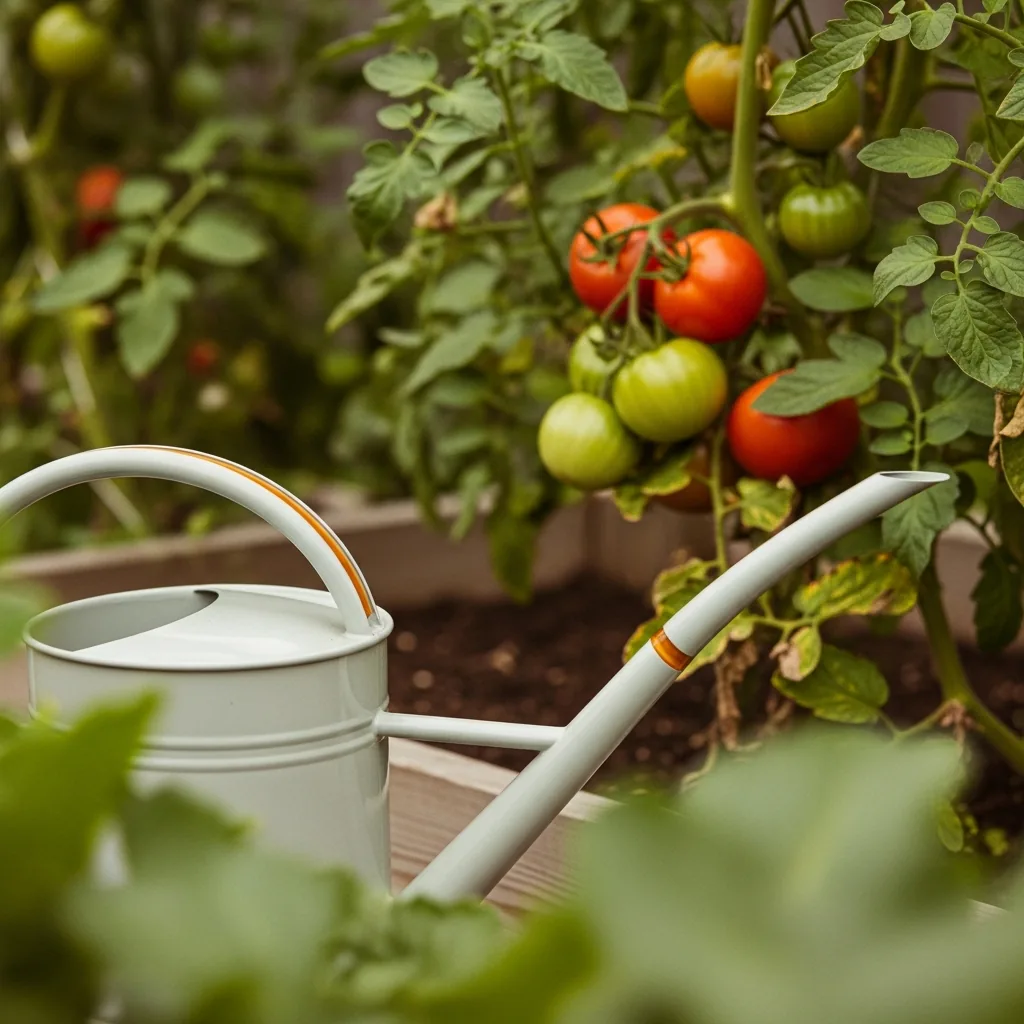
Summer is prime time for growth, but it’s also a period of high demand on your plants. The heat can be intense, and water needs skyrocket. Skipping crucial summer garden tasks can lead to stressed plants. You might see reduced yields from your vegetables or fewer flowers on your ornamentals. I learned this the expensive way with my first tomato plants. They wilted dramatically during a heatwave because I wasn’t watering deeply enough.
Effective summer garden tasks ensure your plants can handle the heat and thrive. Consistent watering prevents shock and supports fruit development. Timely harvesting encourages plants to produce more. Managing pests and diseases early stops small problems from becoming big disasters. Mulching is another simple yet powerful task. It keeps soil temperatures stable and conserves precious water. The U.S. Department of Agriculture emphasizes proper summer care for optimal crop production. Paying attention now sets you up for a beautiful and bountiful late summer and fall garden. It’s about proactive care, not just reactive fixes.
Watch vs. Expert: When to Act in Your Summer Garden
Summer garden tasks often require quick decisions. Knowing whether to handle something yourself or call in a professional is vital. Here’s a breakdown to help you triage.
Worth watching:
- Slight wilting during the hottest part of the day: Many plants will perk up as temperatures cool. Check the soil moisture first; if it’s dry, water deeply.
- Yellowing lower leaves on tomato plants: This can signal nitrogen deficiency, especially if the rest of the plant looks okay. A balanced fertilizer might help. Penn State Extension offers guidance on interpreting plant symptoms.
- A few aphids on new growth: You can often blast these off with a strong spray of water or use insecticidal soap. Observe if the population is spreading rapidly.
- Fungal spots on leaves: Small, isolated spots might be manageable with good air circulation and avoiding overhead watering. Monitor for rapid spread.
- Weeds popping up: Most common weeds can be pulled by hand or addressed with mulch. Keep on top of them before they go to seed.
Worth calling an expert:
- Sudden, widespread wilting of multiple plants: This could indicate a serious soil-borne disease or irrigation system failure. Contact your local cooperative extension office for diagnosis.
- Toxicity concerns: If you suspect a pet or child has ingested a poisonous plant, contact the ASPCA Animal Poison Control Center immediately.
- Large insect infestations: If you can’t identify a pest or a simple treatment isn’t working, it might be an invasive species requiring professional intervention. Your extension office can help with identification.
- Significant damage to trees or shrubs: For large branches or structural issues, especially near your home, consult an ISA-certified arborist.
- Concerns about soil contamination: If you’re gardening on a former industrial site or suspect heavy metals, get a professional soil test through your cooperative extension.
Essential Summer Garden Task Steps
- Water Wisely and Deeply: Aim for deep watering rather than frequent shallow sprinkles. This encourages roots to grow deeper. Water early in the morning to minimize evaporation and allow foliage to dry before nightfall. Check soil moisture by sticking your finger a couple of inches down; if it’s dry, it’s time to water. For most established plants, this might be 1-2 inches of water per week, but adjust based on heat and rainfall.
- Mulch for Moisture Retention: Apply a 2-3 inch layer of organic mulch around your plants. This includes compost, shredded bark, or straw. Keep the mulch a few inches away from plant stems to prevent rot. Mulch helps conserve soil moisture, suppresses weeds, and moderates soil temperature, which is crucial during hot summer days.
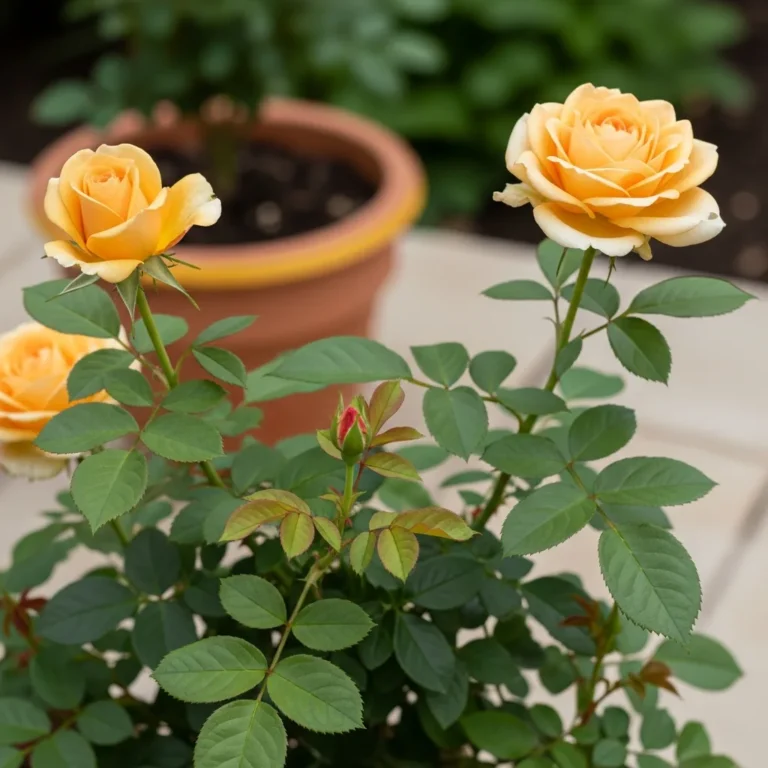
- Harvest Regularly: Pick fruits and vegetables at their peak ripeness. For many crops like beans, zucchini, and cucumbers, regular harvesting signals the plant to produce more. Don’t let produce over-ripen on the plant, as this can slow down future production. For flowering plants, deadheading (removing spent blooms) encourages more flowers.
- Feed Your Plants (If Needed): Most garden plants benefit from feeding during the growing season. Use a balanced fertilizer or compost tea according to package directions. Over-fertilizing can harm plants. Focus on plants that are heavy feeders, like tomatoes and corn. The USDA notes that proper nutrition is key for healthy produce.
- Monitor for Pests and Diseases: Inspect your plants regularly, at least a couple of times a week. Look under leaves and on stems for any signs of trouble. Early detection is key. Simple solutions like squishing bugs or using insecticidal soap can often solve minor issues. Good air circulation and proper watering also help prevent diseases.
- Weed Control: Keep weeds under control by hand-pulling them when they are small. They compete with your garden plants for water, nutrients, and light. Applying mulch is your first line of defense. If weeds become a persistent problem, consider using a hoe or specialized weeding tools.
Common Summer Garden Task Myths Debunked
Myth: Watering your plants every day is always best in summer.
Reality: Frequent, shallow watering can encourage weak root systems. It’s better to water deeply but less often, allowing the soil to dry slightly between waterings. This prompts roots to grow deeper in search of moisture. The frequency depends heavily on your soil type, plant needs, and weather. Always check soil moisture before watering, as advised by resources like the Penn State Extension.
Myth: You should stop fertilizing once plants start producing fruit.
Reality: Many fruiting plants, like tomatoes and peppers, are heavy feeders and need consistent nutrients throughout their fruiting period. Stopping fertilization can lead to smaller fruits or reduced yields. Use a fertilizer formulated for fruiting plants, following label instructions carefully to avoid overfeeding, which can cause problems.
Myth: Any wilting is a sign of underwatering.
Reality: While wilting often means thirst, it can also be a sign of overwatering (roots drowning) or heat stress. Plants may wilt during the hottest part of the day and recover in the evening. Overwatering can lead to root rot, which is more serious than temporary wilting. Always check soil moisture before assuming it’s underwatering.
Myth: Pests and diseases are inevitable in summer, so don’t worry until it’s bad.
Reality: This is a dangerous misconception. Many pest and disease issues can be managed effectively if caught early. Regular monitoring allows for simple interventions like hand-picking pests or removing affected leaves. Waiting until a problem is severe often means more drastic measures are needed, or the plant may be beyond saving. Integrated Pest Management (IPM) strategies focus on prevention and early action.
Myth: Deadheading flowers isn’t necessary for most plants.
Reality: Removing spent blooms (deadheading) tells the plant to put its energy into producing new flowers rather than seeds. This significantly extends the blooming period for many annuals and perennials. It also keeps your garden looking tidy and prevents self-seeding if you don’t want it.
Your Summer Garden Observation Checklist
- Soil Moisture: Check daily during hot spells, every 2-3 days otherwise. Stick your finger 2 inches down. If dry, water.
- Leaf Color and Texture: Look for yellowing, brown spots, curling, or wilting. Note any changes from the plant’s usual appearance.
- Pest Activity: Inspect undersides of leaves and new growth for insects (aphids, spider mites, caterpillars) or signs of damage.
- Disease Symptoms: Watch for powdery mildew, black spot, blight, or other unusual spots and lesions on leaves and stems.
- Fruit/Flower Development: Track the number of blossoms and developing fruits. Note if fruits are ripening properly or showing signs of stress.
- Weed Growth: Note areas where weeds are becoming prominent. Tackle them before they set seed or become too large.
- Mulch Layer: Check the mulch depth periodically. Add more as it breaks down, typically once or twice during the summer.
- Watering Needs: Adjust watering based on temperature, rainfall, and plant stage. Keep a rough log if you’re unsure.
Frequently Asked Questions About Summer Garden Tasks
When is the best time to water my summer garden?
The best time to water your summer garden is early in the morning. This allows water to penetrate the soil before the heat of the day causes rapid evaporation. It also gives plant leaves time to dry before nightfall, which helps prevent fungal diseases. Watering in the evening can also work, but it might leave foliage wet overnight.
How often should I water my plants in summer?
Watering frequency varies greatly. Factors include plant type, soil type, weather, and mulch presence. Most established plants need about 1-2 inches of water per week. Check the soil moisture by digging down 2 inches. If it feels dry, it’s time to water. Container plants dry out much faster and may need daily watering in hot weather.
What are the signs of heat stress in plants?
Plants under heat stress often show wilting, especially during the hottest part of the day. Leaves might also curl or scorch, turning brown or yellow at the edges. Some plants may drop flowers or developing fruit. Ensuring adequate water and using mulch can help prevent severe heat stress.
How can I tell if my plants are getting enough water?
The best way is to feel the soil. Stick your finger about two inches deep. If the soil feels dry at that depth, your plant likely needs water. Other signs include wilting (though this can also mean overwatering), dull leaf color, and reduced growth. For container plants, a light pot also indicates dry soil.
Should I prune my plants in the summer?
Generally, heavy pruning is best done in late winter or early spring. However, some light summer pruning can be beneficial. This includes deadheading spent flowers to encourage more blooms, pinching back leggy growth on annuals for bushier plants, and removing any diseased or damaged branches immediately. Consult specific plant guides for detailed summer pruning advice.
What is the purpose of mulching in the summer?
Mulching in summer is incredibly beneficial. It helps the soil retain moisture by reducing evaporation, which means you water less often. It also keeps soil temperatures more stable, protecting roots from extreme heat. Mulch also suppresses weed growth and breaks down over time to add organic matter to your soil.
Enjoying Your Summer Garden
Your summer garden is a dynamic space. Keeping up with these tasks ensures it stays productive and beautiful. Remember, I started by killing plants, and you’re already looking up how to care for yours. That’s a fantastic start!
Don’t be afraid to get your hands dirty and observe your plants closely. If you encounter something truly puzzling or concerning, like potential toxicity or large-scale pest issues, don’t hesitate to reach out to your local cooperative extension office or other experts. They’re there to help you succeed too.