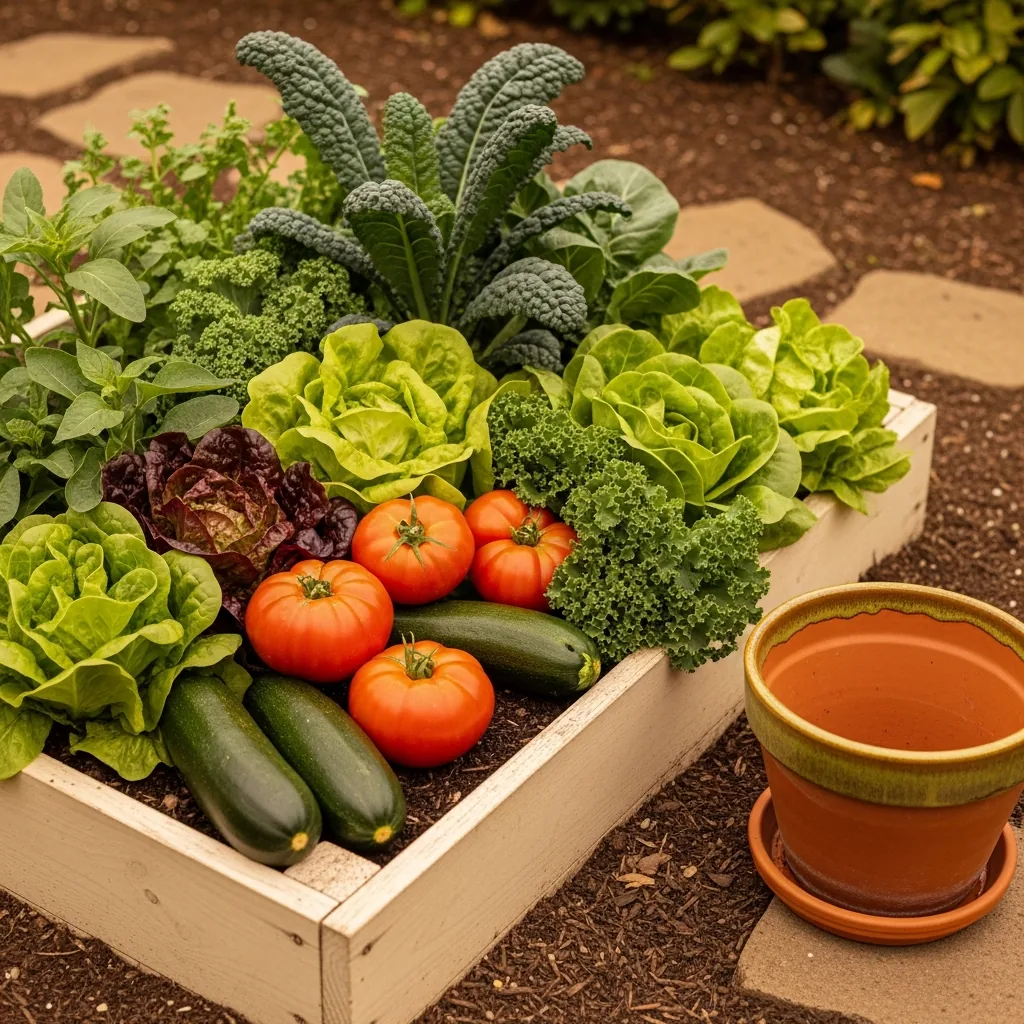
Quick Answer: How to Grow Vegetables
In brief: To grow vegetables successfully, first choose a sunny location with good drainage. Prepare your soil with compost for essential nutrients. Select vegetables suited to your climate and space, opting for beginner-friendly choices. Plant seeds or seedlings according to package directions, ensuring proper spacing. Water consistently, especially during dry spells, and watch for pests and diseases. Regular weeding and occasional feeding will help your plants thrive. Harvest at the right time for the best flavor and yield. For more detailed advice, consult your local cooperative extension service.
Want to grow vegetables right in your backyard? It’s totally doable, even if you’re just starting out. I’ve killed my fair share of plants, so I know the struggle! this guide covers walk you through the basics of how to grow vegetables successfully. We’ll cover everything from picking the right spot to harvesting your bounty. We won’t get into advanced hydroponics or commercial farming techniques. This is all about your personal garden space. The fact that you looked this up means your garden is in good hands.
Why Growing Your Own Vegetables Matters
Growing your own vegetables connects you directly to your food. You know exactly where it came from and what went into growing it. Imagine the taste of a sun-ripened tomato picked right off the vine! Plus, it’s a fantastic way to get some fresh air and gentle exercise. Many research shows gardening reduces stress and improves overall well-being. The U.S. Department of Agriculture even promotes gardening as a way to increase access to fresh, healthy foods. It can also save you money on your grocery bills. Starting small is key, and you’ll learn so much as you go. I started with a few pots on my patio, and now I have a whole raised bed system!
The benefits extend beyond your plate. Gardening is a wonderful hobby for all ages. It encourages patience and observation. You learn to work with nature, not against it. Understanding how to grow vegetables can also build a greater appreciation for the environment. It’s a rewarding experience that offers delicious results. For those in urban areas, it’s a great way to bring a bit of green space into your life. You can even grow vegetables in containers if you don’t have a yard.
When to Wait and When to Act
Deciding when to intervene with your vegetable plants is crucial. Sometimes, a little patience is all that’s needed. Other times, quick action saves your plants or prevents issues from spreading.
Worth watching:
- Slightly yellowing lower leaves: This might be natural aging or mild nitrogen deficiency. Observe if it spreads to upper leaves or new growth.
- Slow growth in cool weather: Many vegetables grow slower when temperatures are cooler. Wait for consistently warmer weather before assuming a problem.
- Small, immature fruits: If your plants are setting fruit but they’re small, it might just be early in the season. Give them time to develop.
- Occasional wilting during midday heat: Plants can wilt when it’s very hot and sunny, even if watered. They often perk up in the evening.
- Minor pest presence: Seeing a few aphids or small holes in leaves might not require immediate intervention. Natural predators sometimes keep them in check.
Worth calling an expert:
- Sudden, widespread wilting: If plants wilt rapidly and don’t recover overnight, it could signal root rot or a serious disease.
- Unusual spots or lesions on leaves/stems: Especially if they spread quickly or have strange colors, these could be fungal or bacterial infections.
- Suspected toxic plants near pets or children: If you’re unsure about a plant’s toxicity and have pets or kids, contact the ASPCA Animal Poison Control immediately.
- Persistent, unidentified pest infestations: If you see large numbers of a pest you don’t recognize, or if your usual methods aren’t working, it’s time to call your local extension office.
- Concerns about soil contamination: If you suspect your soil might be contaminated (e.g., old industrial sites, lead paint chips), contact your local cooperative extension office for testing options.
Step-by-Step Guide to Grow Vegetables
- Choose Your Spot: Find a location that gets at least 6-8 hours of direct sunlight daily. Good drainage is also key. If your soil holds water, consider raised beds or amending the soil. This step is foundational for most vegetables.
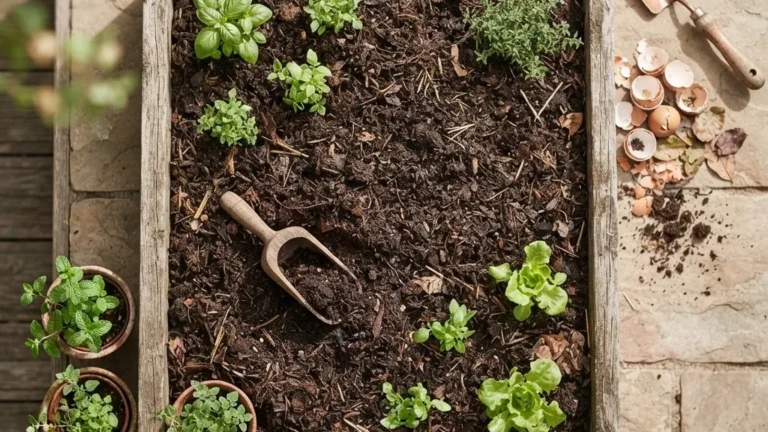
- Prepare the Soil: Healthy soil means healthy plants. Loosen the soil and mix in 2-4 inches of compost or well-rotted manure. This improves drainage and adds vital nutrients. Learn more about soil basics from your local cooperative extension.
- Select Your Veggies: Choose vegetables that grow well in your climate and that you actually like to eat. For beginners, consider easy-to-grow options like lettuce, radishes, bush beans, and zucchini. Check your USDA hardiness zone for guidance.
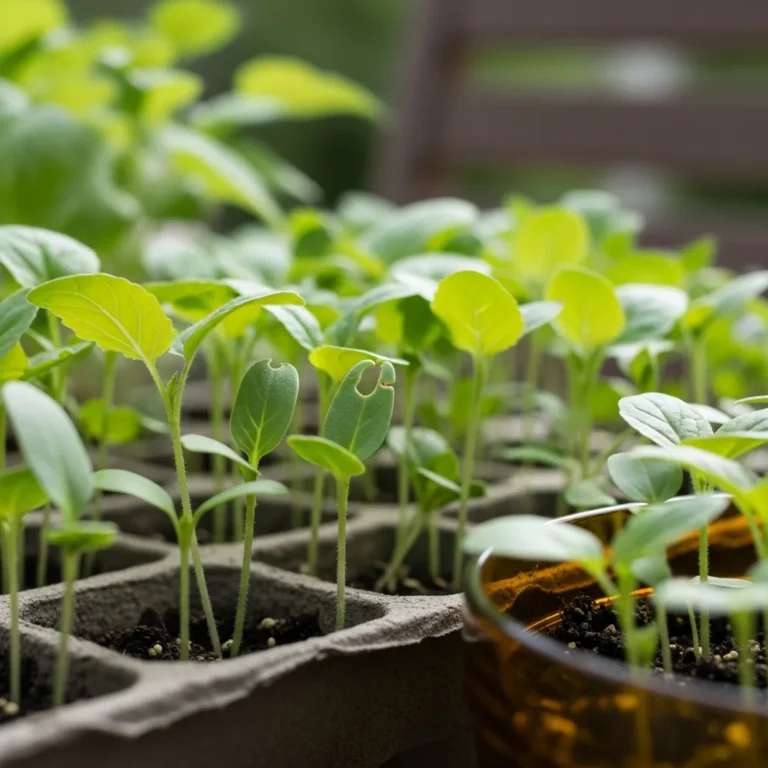
- Planting Time: Follow the seed packet or plant tag instructions for planting depth and spacing. Some seeds sow directly in the ground, while others benefit from starting indoors. Harden off seedlings before transplanting them outside.
- Water Wisely: Water deeply and consistently, especially when plants are young or during dry periods. Aim for about 1 inch of water per week. Water at the base of the plants to keep foliage dry and reduce disease risk.
- Feed and Weed: Most vegetables benefit from occasional feeding, especially heavy feeders like tomatoes and corn. Use a balanced fertilizer or compost tea. Keep the garden bed free of weeds, which compete for water and nutrients. Mulching helps suppress weeds and retain moisture.
- Harvest Your Bounty: Pick vegetables when they reach their ideal size and maturity. Harvesting regularly often encourages plants to produce more. Enjoy the fruits (and vegetables!) of your labor.
Common Misconceptions About Growing Vegetables
Myth: You need a huge garden plot to grow vegetables.
Reality: That’s not true at all! Many vegetables, like tomatoes, peppers, and leafy greens, grow wonderfully in containers or raised beds. Even a small patio or balcony can host a productive mini-garden. Websites like the National Park Service offer tips for small-space gardening.
Myth: Gardening is only for people with a green thumb.
Reality: I used to think that too! The truth is, anyone can learn to grow vegetables with a little patience and the right information. Starting with easy-to-grow varieties and learning from resources like university extension offices can set you up for success.
Myth: You have to use chemical pesticides to keep pests away.
Reality: Not at all. Many organic methods exist for pest control, like companion planting, introducing beneficial insects, or using natural sprays. Integrated Pest Management (IPM) strategies focus on prevention and least-toxic solutions first, as promoted by programs like the University of California’s IPM resources.
Myth: Once you plant, you just wait for harvest.
Reality: Successful vegetable gardening involves ongoing care. This includes watering, weeding, feeding, and monitoring for pests and diseases. Regular attention makes a big difference in yield and plant health.
What to Track in Your Vegetable Garden
Keeping a simple garden journal helps you learn from year to year. It’s also super helpful if you need to consult your local cooperative extension office. Here’s what I recommend tracking:
- Planting Dates: Note when you sow seeds or transplant seedlings.
- Germination Rate: How long did it take for seeds to sprout?
- Watering Schedule: How often and how much did you water?
- Fertilizing: What did you use and when did you apply it?
- Pest/Disease Sightings: Date, type of pest/disease, and any actions taken.
- Weather Conditions: Note significant heat waves, heavy rains, or frost.
- Harvest Dates and Yield: When did you start harvesting and how much did you get?
- Plant Appearance: Leaf color, growth rate, signs of stress.
- Soil Moisture: How long does the soil stay moist after watering?
Frequently Asked Questions About Growing Vegetables
What are the easiest vegetables for beginners to grow?
Easy vegetables for beginners include radishes, lettuce, spinach, bush beans, and zucchini. These tend to grow quickly, are relatively forgiving of minor mistakes, and don’t require complex care. They provide satisfying results without too much fuss, perfect for building confidence.
How much sunlight do vegetables need?
Most vegetables need at least 6 to 8 hours of direct sunlight daily. Some leafy greens can tolerate partial shade, but fruiting vegetables like tomatoes, peppers, and squash require full sun to produce well. Observe your garden spot throughout the day to assess sun exposure.
What’s the best way to water vegetables?
Water vegetables deeply and consistently, aiming for about 1 inch of water per week, more in hot, dry weather. Water at the base of the plants in the morning to allow foliage to dry. Soaker hoses or drip irrigation are efficient methods that reduce water waste and disease risk.
How do I improve my soil for growing vegetables?
The best way to improve garden soil is by adding organic matter, like compost or aged manure. This enhances drainage in clay soils and improves water retention in sandy soils, while also providing essential nutrients. Your local extension office can offer specific soil testing and amendment advice for your region.
When should I start seeds indoors for vegetables?
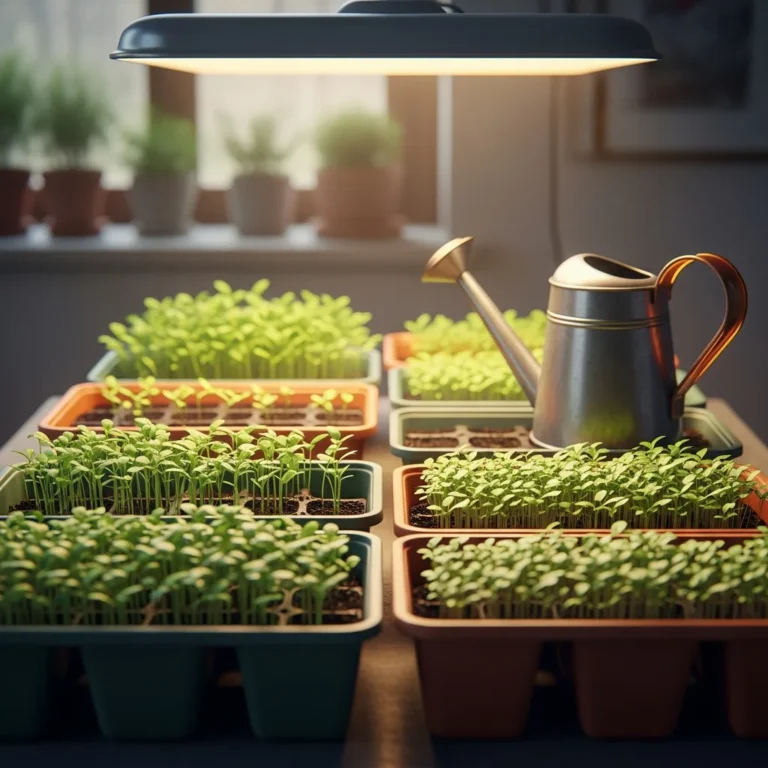
Start seeds indoors about 4-8 weeks before your area’s last expected frost date. This gives plants a head start, especially those with longer growing seasons like tomatoes and peppers. Use a quality seed-starting mix and provide adequate light and warmth.
Can I grow vegetables in poor soil?
While possible, growing vegetables in poor soil is challenging. Amending the soil with compost is crucial for providing necessary nutrients and improving soil structure. Without good soil, plants may struggle to establish, grow slowly, and yield poorly. Resources from the USDA’s Natural Resources Conservation Service offer insights into soil health.
Happy Growing!
Growing your own vegetables is an incredibly rewarding journey. Don’t be afraid to start small and learn as you go. Remember, even experienced gardeners have crop failures sometimes! If you encounter persistent problems or aren’t sure about a specific issue, reaching out to your local cooperative extension office or a certified professional is always a smart move. They have the expertise to help you troubleshoot and ensure your garden thrives.