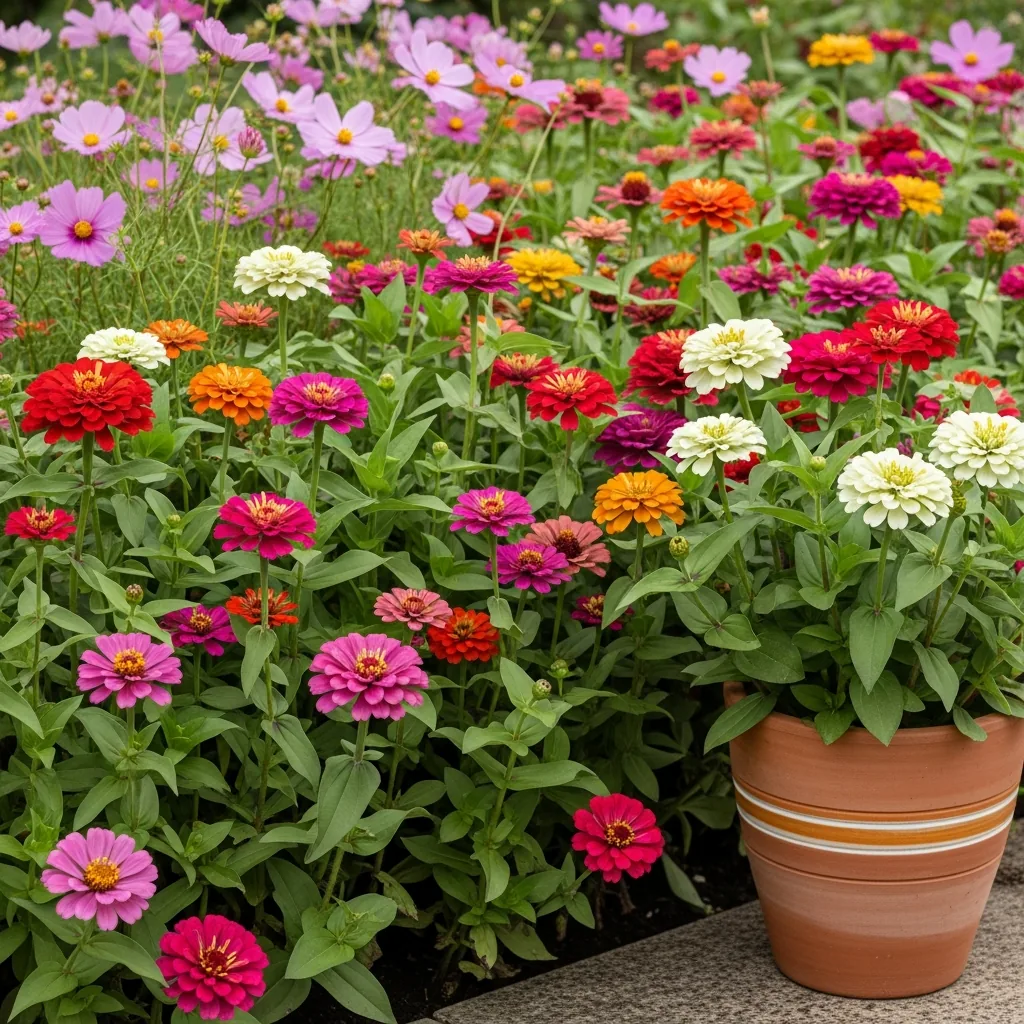
Quick Answers for Growing Flowers
In brief: To successfully grow flowers, start by choosing varieties suited to your climate and light conditions. Prepare your soil with compost for good drainage and nutrients. Plant seeds or transplants according to package directions, paying attention to spacing and depth. Water consistently, especially during dry spells, and fertilize as needed. Regular deadheading can encourage more blooms. For the best results, select flowers that match your garden’s specific needs, whether it’s full sun, shade, or poor soil. Growing flowers is achievable with a little planning.
It’s important to select flowers that will thrive in your specific conditions. Consider your USDA Hardiness Zone, the amount of sunlight your garden receives, and your soil type. Easy-to-grow options like marigolds, zinnias, and sunflowers are great for beginners. Preparing your soil with compost is a crucial step for healthy growth. Consistent watering and appropriate fertilization will also help your flowers flourish. Don’t forget to deadhead spent blooms to encourage more flowers!
Want to fill your yard with color? Learning how to grow flowers is a rewarding experience for any home gardener. I used to think it was complicated.
My first few attempts didn’t go so well. But after years of trial and error, and consulting reliable sources, I’ve figured out what works. this guide covers walk you through the basics of growing beautiful blooms.
We’ll cover selecting the right flowers, preparing your soil, planting, and basic care. It’s designed for the everyday gardener, drawing on trusted advice from extension offices and horticultural experts.
Grow flowers: Why Growing Flowers Matters for Your Backyard
Adding flowers to your backyard isn’t just about pretty aesthetics; it’s about creating a lively ecosystem. Flowers attract beneficial insects like pollinators and predatory insects that can help control garden pests. This creates a more balanced garden environment, reducing the need for chemical interventions. For example, planting flowers like sunflowers or coneflowers can significantly increase the presence of bees and butterflies in your garden, supporting local biodiversity. The U.S. National Park Service highlights the role of wildflowers in supporting native ecosystems. They provide critical food sources for wildlife.
Beyond ecological benefits, growing flowers also offers personal rewards. The simple act of tending to plants can be a wonderful stress reliever. Plus, having fresh flowers readily available means you can easily brighten your home with beautiful, homegrown bouquets. It’s a way to connect with nature right outside your door. For those interested in a more productive garden, cut flower gardening can even become a small side hustle. Penn State Extension notes that growing cut flowers can be a rewarding venture for home gardeners looking for extra income.
The satisfaction of nurturing a plant from seed or a small seedling into a blooming beauty is immense. It offers a tangible connection to the natural world and a sense of accomplishment. This process can be particularly fulfilling for families, offering educational opportunities for children about plant life cycles and environmental stewardship. The Royal Horticultural Society suggests gardening activities for families can teach valuable lessons about nature.
When to Wait and Watch vs. Call an Expert
Deciding whether to tackle a garden issue yourself or seek professional help is crucial. Sometimes, a little patience and observation are all that’s needed. Other times, early intervention by an expert can save your plants or prevent bigger problems.
Worth watching:
- Slight yellowing on lower leaves: This often indicates a need for nitrogen. Try a balanced fertilizer or compost top-dressing.
- Slow growth: Plants might need time to establish roots, especially after transplanting. Ensure adequate watering and light.
- Minor leaf spots: A few small spots could be environmental or a mild fungal issue. Monitor for spread and improve air circulation.
- Aphids in small numbers: A light infestation can sometimes be managed with a strong spray of water or by encouraging natural predators.
- Wilting during midday heat: Many plants droop in intense sun. Check soil moisture; if it’s moist, they’ll likely perk up as temperatures cool.
- Seedlings looking leggy: This usually means they need more light. Move them closer to a grow light or a sunnier window.
Worth calling an expert:
- Sudden, widespread wilting or plant death: This could signal aggressive root rot or a systemic disease that requires professional diagnosis.
- Unidentified pests or diseases: If you can’t identify the problem and it’s spreading rapidly, consult your local cooperative extension office. They can help identify invasive species or serious plant pathogens.
- Concerns about soil contamination: If your garden is near an old industrial site or you suspect heavy metal contamination, get a professional soil test from your extension office.
- Plants toxic to pets or children: If you have pets or young children, and you’re unsure about a plant’s toxicity, consult the ASPCA’s toxic plant database or a horticultural expert.
- Large tree issues: For any significant pruning or concerns about the health of large trees near structures, always hire an ISA-certified arborist.
- Persistent weeds you can’t identify: Some invasive weeds require specific, sometimes regulated, control methods. Your extension office can provide guidance.
Step-by-Step Guide to Growing Flowers
- Choose Your Flowers Wisely: Start by selecting flowers that fit your garden’s conditions. Consider your USDA Hardiness Zone, sunlight availability (full sun, part shade, full shade), and soil type. For beginners, easy-to-grow options like marigolds, zinnias, cosmos, and sunflowers are great choices. Check plant tags or seed packets for specific needs. The University of Minnesota Extension offers planting guides for various flowers suitable for different regions. Learning to grow flowers starts with smart selection.
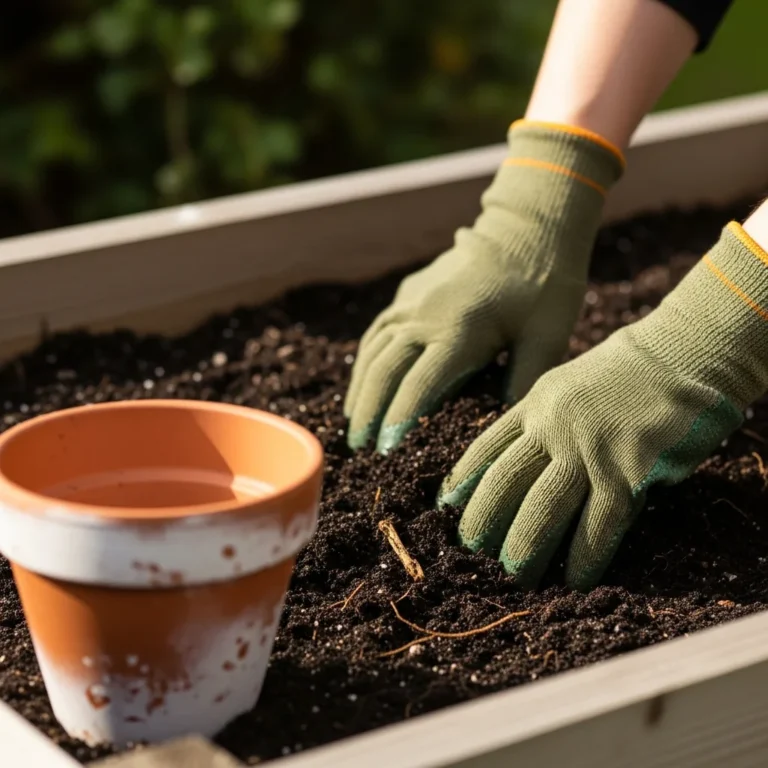
- Prepare Your Soil: Healthy soil is the foundation for healthy flowers. Most flowers thrive in well-draining soil rich in organic matter. Amend your garden beds by digging in compost or well-rotted manure. Aim for a soil depth of at least 6-8 inches. If planting in containers, use a high-quality potting mix. Good soil preparation helps prevent root rot and provides essential nutrients. Penn State Extension recommends incorporating organic matter to improve soil structure and fertility.
- Planting Seeds or Transplants: Follow the specific instructions for your chosen flowers. For seeds, sow them at the depth recommended on the packet, usually about two to three times the seed’s diameter. Keep the soil consistently moist until germination. For transplants, dig a hole slightly larger than the root ball. Gently remove the plant from its container, loosen any circling roots, and place it in the hole so the top of the root ball is level with the soil surface. Water thoroughly after planting.
- Watering Consistently: Flowers need regular watering, especially when they are young or during hot, dry periods. Water deeply to encourage strong root growth, rather than frequent shallow watering. The best time to water is in the morning. Check the soil moisture by sticking your finger about an inch or two into the soil; if it feels dry, it’s time to water. Container plants may need watering daily in hot weather.
- Fertilizing for Blooms: While good soil is important, many flowers benefit from supplemental feeding. Use a balanced, all-purpose fertilizer or one formulated for flowering plants. Follow the product instructions carefully; over-fertilizing can harm plants. For a continuous bloom, consider a fertilizer with a higher phosphorus content. Applying a slow-release fertilizer at planting can provide nutrients throughout the growing season.
- Deadheading and Maintenance: To encourage more flowers and prevent plants from putting energy into seed production, regularly remove spent blooms. This practice, called deadheading, keeps plants looking tidy and promotes continuous flowering. Remove any yellowing or diseased leaves promptly. For some perennials, a mid-season trim can encourage a second flush of blooms.
- Pest and Disease Monitoring: Keep an eye out for common garden pests like aphids, spider mites, and slugs. Many minor infestations can be managed with organic methods, such as insecticidal soap or handpicking. Ensure good air circulation around plants to help prevent fungal diseases. If you suspect a serious pest or disease, consult your local cooperative extension office for identification and management strategies.
Common Misconceptions About Growing Flowers
Myth: All flowers need full sun to thrive.
Reality: While many popular flowers, like zinnias and sunflowers, love full sun (6+ hours daily), numerous beautiful blooms prefer partial shade or even full shade. Astilbes, hostas, and impatiens, for example, do best with less direct sunlight, especially in hot climates. Planting shade-lovers in full sun can lead to scorched leaves and poor performance. Always check the light requirements for your specific flower choice.
Myth: You need a large garden space to grow flowers.
Reality: Flowers can be grown in almost any space! Containers, hanging baskets, window boxes, and even small raised beds are perfect for growing several blooms. Many annuals and compact perennials work wonderfully in pots. This means you can enjoy flowers even if you only have a small patio, balcony, or a tiny yard. The key is choosing plants that are suitable for container growing.
Myth: Flowers are difficult to grow from seed.
Reality: Many common garden flowers are incredibly easy to grow from seed, often providing more blooms for your buck. Flowers like cosmos, marigolds, zinnias, and sunflowers are very forgiving for beginners. Starting seeds indoors a few weeks before the last frost date can give you a head start. Alternatively, many can be sown directly into the garden after the danger of frost has passed. wikiHow offers detailed guides on starting flowers from seed.
Myth: Once planted, flowers don’t need much care.
Reality: While some plants are more low-maintenance than others, most flowers benefit from regular attention. This includes consistent watering, especially during dry spells, and feeding with fertilizer. Deadheading (removing spent blooms) is crucial for encouraging continuous flowering in many species. Monitoring for pests and diseases also helps keep your plants healthy and productive throughout the season. Regular observation is key to catching problems early.
Myth: Perennials only bloom for a short time.
Reality: Many perennials offer long blooming seasons if managed correctly. Deadheading spent flowers signals the plant to produce more blooms instead of setting seed. Some perennials benefit from a mid-season cutback, which encourages a second wave of flowering. Staggering the bloom times of different perennial varieties also ensures continuous color in the garden from spring through fall. Planning your perennial beds can provide continuous visual interest.
What to Track in Your Flower Garden
Keeping a simple garden journal or checklist can help you understand your plants’ needs and troubleshoot issues. It also provides valuable information if you need to consult with a gardening expert. Here’s what to look for:
- Planting Dates: Note when you sow seeds indoors, sow outdoors, and transplant seedlings.
- Germination Rate: Track how many seeds sprout and how long it takes.
- Watering Schedule: Record frequency and amount of water, especially during dry spells or heatwaves.
- Fertilizing: Note the type of fertilizer used, when it was applied, and the amount.
- Bloom Times: Record when flowers first start opening and when they finish.
- Pest/Disease Sightings: Document any insects or signs of disease, including the date, plant affected, and severity.
- Weather Patterns: Note significant rainfall, heatwaves, or frost events.
- Soil Moisture: Regularly check and note how long the soil stays moist after watering.
- Growth Rate: Observe how quickly plants are growing and if they seem stunted.
- Deadheading Frequency: Track how often you remove spent blooms.
Frequently Asked Questions About Growing Flowers
What are the easiest flowers to grow for beginners?
For beginners, choose flowers known for their resilience and ease of care. Marigolds, zinnias, cosmos, sunflowers, and nasturtiums are excellent choices. They tolerate a range of conditions, grow quickly from seed, and provide abundant blooms throughout the summer. These flowers are also generally resistant to many common pests and diseases, making the learning curve gentler.
When is the best time to plant flower seeds?
The best time depends on the type of flower and your climate. Cool-season annuals like pansies and snapdragons can often be planted in early spring or fall. Warm-season annuals like zinnias and marigolds should be planted after the last frost date when the soil has warmed up. Many perennials are best sown in late fall or early spring. Always consult your local extension office or seed packet for specific timing recommendations for your region.
How much water do flowers really need?
Most flowers need about 1 inch of water per week, either from rain or irrigation. However, this varies greatly depending on the plant, soil type, and weather. Young plants and those in containers need more frequent watering. The best approach is to check the soil moisture by inserting your finger about 2 inches deep. If it feels dry, water thoroughly until water drains from the bottom of pots or the soil is moist several inches down.
What does deadheading mean and why is it important?
Deadheading is the practice of removing spent or faded flowers from a plant. This is important because it prevents the plant from putting energy into producing seeds. Instead, the plant redirects that energy into producing more blooms, leading to a longer flowering period. It also keeps the plant looking tidy and can prevent self-seeding if you don’t want volunteers the following year.
Can I grow flowers in pots if I don’t have a garden?
Absolutely! Growing flowers in pots is a fantastic way to add color and beauty to patios, balconies, or small spaces. Choose containers with drainage holes and use a good quality potting mix. Many annuals, as well as some smaller perennials and herbs, thrive in containers. Ensure potted plants receive adequate water, as they can dry out more quickly than plants in the ground.
What are companion plants for flowers?
Companion planting involves growing different plants together for mutual benefit. For flowers, companion plants can attract pollinators, deter pests, or improve soil health. For instance, planting basil near tomatoes is said to improve tomato flavor and deter pests. Many herbs and some vegetables can be good companions for flowers, creating a diverse and beneficial garden ecosystem. The University of Illinois Extension provides resources on beneficial plant pairings.
How do I deal with common flower pests like aphids?
Aphids are common and can weaken plants by sucking their sap. Often, a strong blast of water from a hose can dislodge them. For larger infestations, insecticidal soap or neem oil sprays are effective. Encouraging natural predators like ladybugs can also help. If problems persist, consult your local cooperative extension for integrated pest management strategies.
Enjoying Your Blooming Garden
Growing flowers is a journey, and like any gardening endeavor, it involves learning and adapting. Don’t be discouraged if every plant doesn’t thrive immediately. The most important thing is to keep trying and learning from your experiences.
Pay attention to what your plants tell you, consult reliable resources like your local cooperative extension, and enjoy the process. The beauty and joy that homegrown flowers bring to your life are absolutely worth the effort. Remember, even experienced gardeners have plants that don’t make it some years. That’s part of the adventure!