What Are the Biggest Gardening Records?
Short answer: Giant gardening records showcase the extreme potential of cultivation. Think sunflowers over 35 feet tall and tomato plants yielding thousands of fruits. The heaviest pumpkin ever recorded tipped the scales at nearly 2,800 pounds, and a single onion weighed almost 20 pounds. These feats require immense dedication, specific techniques, and often, specialized equipment. While you might not aim for a world record, understanding these achievements can inspire your own backyard growing efforts, pushing you to achieve larger, healthier plants with the right knowledge.
Can we talk about giant gardening records? It’s amazing what a little dedication and the right approach can do. I’ve certainly had my share of garden fails, so seeing these incredible feats makes me hopeful. This guide explores some of the wildest records ever set. We’ll look at what it takes to grow massive plants and offer practical advice for your own backyard. This isn’t about setting world records, but about understanding what’s possible with careful gardening. We’ll focus on accessible techniques, not the extreme efforts of record-holders.
Giant gardening records: Why Growing Big Matters to Backyard Gardeners
Seeing these giant gardening records is more than just a fun fact. It shows us the incredible potential locked within a single seed. For us backyard gardeners, it’s inspiring. I’ve learned that even my small tomato plants can produce more than I expect with the right care. These records highlight optimal growing conditions and techniques that we can adapt. For instance, understanding the soil needs for a giant pumpkin can inform how we amend our own garden beds. The University of Illinois Extension notes that historical tomato varieties were developed for specific traits, including size and yield. While record-breakers push limits, the underlying principles apply to all of us. Growing larger vegetables or more abundant flowers can increase your harvest and satisfaction. It encourages us to pay closer attention to our plants’ needs, from watering to feeding. The fact that you looked this up means your garden is in good hands.
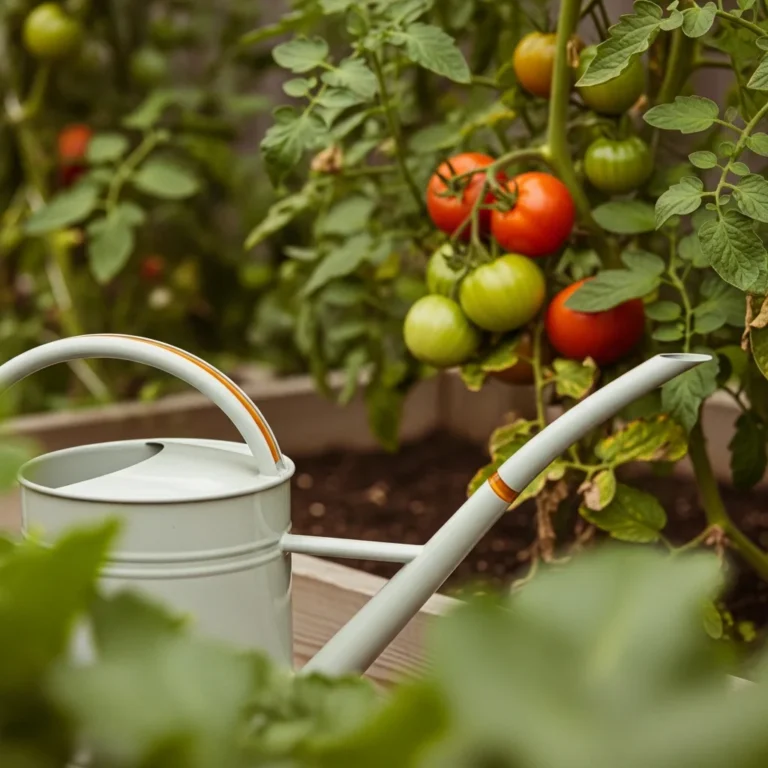
These record-setting plants often rely on specific genetics and meticulous care routines. The tallest sunflower, for example, needed a custom-built support structure. While we don’t need scaffolding for our home sunflowers, the need for support is real. Many gardeners find their towering blooms benefit from stakes or cages. Similarly, giant tomatoes require consistent watering and feeding. The [hgic.clemson.edu] notes that tomatoes grown in containers need regular watering and feeding to produce well.
When to Wait and When to Call an Expert
Pushing for giant growth often means a delicate balance. Sometimes, a plant just needs time and consistent care. Other times, you might be facing a problem that needs expert eyes. Here’s a breakdown for your own garden:
Worth watching:
- Slightly yellowing lower leaves on tomatoes: This can be normal as the plant matures or if it’s slightly lacking nitrogen. Consistent feeding might resolve it.
- Sunflowers leaning heavily: Young sunflowers often droop before they straighten up. If the stem looks strong and healthy, give it a few more days.
- Slow fruit development on squash or melons: This can happen early in the season. Ensure good pollination and consistent moisture.
- Minor leaf curl on peppers: Sometimes this is a reaction to wind or heat. Observe if new growth looks healthy.
- One or two pests observed: Spotting a few aphids or cucumber beetles is common. Often, beneficial insects or a strong spray of water can manage them.
- Tomatoes with blossom end rot: This is often a calcium uptake issue, frequently linked to inconsistent watering. Adjusting your watering schedule is key.
Worth calling an expert:
- Widespread wilting or blackening of leaves on multiple plants: This could indicate a serious fungal or bacterial disease that requires quick identification and treatment.
- Unidentified pests or diseases: If you see unusual spots, growths, or insects you don’t recognize, get an expert opinion. Your local cooperative extension office can help with plant disease diagnostics.
- Suspected plant toxicity to pets or children: If you believe a plant is poisonous, contact the ASPCA Animal Poison Control Center immediately. They have extensive databases on toxic plants.
- Large, mature trees with significant damage or leaning: For any concerns about tree stability or large branches that might fall, consult an ISA-certified arborist.
- Sudden, unexplained plant death across a garden bed: This could signal soil contamination or a widespread soil-borne pathogen. A soil test through your local extension office might be necessary.
- Persistent weed or pest issues that don’t respond to common treatments: Especially if you suspect an invasive species, expert identification is crucial before widespread application of herbicides.
How to Grow Bigger, Better Plants
- Choose the Right Genetics: Start with seeds known for vigor and size. For sunflowers, look for varieties like ‘Mammoth Russian’ or ‘Skyscraper’. For tomatoes, select large-fruited types such as ‘Brandywine’ or ‘Beefsteak’. The University of Illinois Extension highlights how historical breeding focused on specific desirable traits, including size.
- Prepare Rich Soil: Giant plants need abundant nutrients. Amend your garden beds generously with compost and well-rotted manure. Aim for a soil depth of at least 12 inches. A soil test through your local cooperative extension office can tell you your soil’s pH and nutrient levels, guiding your amendments.
- Provide Ample Space: Don’t overcrowd your plants. Giant sunflowers can need several feet between them. Tomatoes also benefit from good air circulation. Giving plants enough room prevents competition for light, water, and nutrients.
- Consistent Watering is Key: Large plants are thirsty plants. Keep the soil consistently moist, but not waterlogged. For tomatoes and sunflowers, deep watering is better than frequent shallow sprinkles. Aim to water at the base of the plant to keep foliage dry.
- Feed Generously: Record-breaking plants are fed heavily. Use a balanced organic fertilizer throughout the growing season. For fruiting plants like tomatoes, switch to a fertilizer higher in phosphorus and potassium once flowers appear. Follow product instructions carefully.
- Offer Support: Tall plants like sunflowers and heavy-fruiting tomatoes will need support. Install sturdy stakes, cages, or trellises early. For sunflowers, custom scaffolding might be needed for extreme heights, but a strong stake works for most home gardeners.
- Monitor for Pests and Diseases: Even giant plants are susceptible. Regularly inspect your plants for any signs of trouble. Early detection allows for simpler, more effective management, preventing major setbacks.
Common Myths About Giant Gardening
Myth: You need special, expensive fertilizer to grow large plants.
Reality: While specialized fertilizers can help, rich soil amended with compost and aged manure is the foundation. The USDA Natural Resources Conservation Service emphasizes the importance of healthy soil structure and organic matter for plant growth. Focus on building great soil first, then supplement as needed.
Myth: Only professional growers can achieve impressive plant sizes.
Reality: With the right knowledge and consistent effort, backyard gardeners can grow significantly larger and more productive plants. Understanding plant needs, like those outlined by [hgic.clemson.edu] for container tomatoes, is crucial. Patience and observation are your best tools.
Myth: Giant plants are always tastier or better quality.
Reality: Size isn’t always the best indicator of flavor or quality. Sometimes, smaller, more concentrated fruits or vegetables have a more intense taste. Record-breakers often prioritize size, which might not align with peak flavor for all crops.
Myth: You need a massive garden space to grow big plants.
Reality: While some record-holders use extensive areas, techniques like vertical gardening and container growing allow you to maximize space. Even with limited room, focusing on one or two impressive plants can be very rewarding. Raised beds also offer excellent control over growing conditions.
Myth: Growing giant plants is only about luck.
Reality: Luck plays a small role, but success is mostly about consistent care, understanding genetics, and providing optimal conditions. Record-holders dedicate years to refining their methods. The University of Illinois Extension notes that tomato cultivation has a long history, with growers developing techniques over generations.
What to Track in Your Giant Plant Journey
Keeping good records is key to understanding what works. It helps you replicate success and troubleshoot problems. Here’s a checklist of what to observe:
- Planting Date: Note when seeds are sown or seedlings are transplanted.
- Watering Schedule: Record frequency and amount of water given.
- Fertilizing Schedule: Log types of fertilizer used and application dates.
- Growth Measurements: Measure height, stem diameter, or fruit circumference weekly.
- Number of Fruits/Flowers: Count developing tomatoes, peppers, or sunflower heads.
- Leaf Appearance: Note color (green, yellow, brown spots), texture, and any wilting.
- Pest/Disease Sightings: Record any insects or signs of disease observed and actions taken.
- Weather Conditions: Note significant rainfall, heat waves, or frost.
- Support Structure: Record when and how you added stakes or cages.
- Harvest Date and Yield: Log when you start harvesting and total weight or count.
Frequently Asked Questions About Giant Plants
Can I grow giant vegetables in a small backyard?
Yes, you absolutely can! While record-holders often have vast spaces, you can achieve impressive sizes with careful selection of varieties and focused care. Concentrating on one or two plants in a raised bed or large container can yield fantastic results. Focus on rich soil and consistent feeding.
What is the best soil for growing giant plants?
The best soil is rich, well-draining, and packed with organic matter. Generous additions of compost and aged manure are essential. A soil pH between 6.0 and 7.0 is ideal for most large vegetables and flowers. Your local cooperative extension can help you test your soil and determine the right amendments.
How often should I water a giant tomato plant?
Giant tomato plants need consistent moisture. Aim for deep watering that keeps the soil evenly moist but not soggy. This might mean watering daily during hot, dry spells, especially for plants in containers or raised beds. Watering at the base helps prevent disease.
Do giant sunflowers need special care?
Giant sunflowers need many sunlight, rich soil, and consistent watering. They also require sturdy support as they grow very tall and heavy. Planting them in a location sheltered from strong winds can also help prevent them from toppling over. Start feeding them once they have a few sets of true leaves.
Are record-breaking fruits and vegetables safe to eat?
Generally, yes. The plants are typically grown using organic or standard horticultural practices. However, if you are concerned about specific pesticides or treatments used by record-holders, it’s best to stick to growing your own using trusted methods. Always wash produce thoroughly before eating.
What is the difference between a giant plant and a normal one?
The primary difference is genetics and cultivation methods. Record-breaking plants often come from specific seed lines bred for size. They also receive meticulous care, including optimal feeding, watering, and support, far beyond typical backyard gardening. The University of Illinois Extension discusses how plant breeding has developed varieties for specific characteristics over time.
Your Garden’s Potential
While aiming for a Guinness World Record might be a stretch, these giant gardening achievements offer valuable lessons. Every gardener, myself included, can learn from the dedication and techniques used by these growers. Focus on building healthy soil, providing consistent care, and observing your plants closely. You might be surprised at how big and productive your own backyard garden can become. If you encounter unusual problems or concerns, remember to reach out to your local experts.