What is the David Beckham Garden Project (vegetable garden)?
TL;DR: The David Beckham garden, named the ‘Curious Garden,’ is a collaboration with the RHS and The King’s Foundation. It aims to show that gardening is for everyone, especially beginners. David Beckham hopes to spark curiosity about plants and nature. The garden features ideas for small spaces, containers, and windowsills, encouraging experimentation and learning. Its focus isn’t on winning awards but on making gardening accessible and enjoyable for all. The emphasis is on practical, replicable ideas for your own backyard.
Can we talk about the David Beckham garden? It’s a really interesting project for the RHS Chelsea Flower Show. It’s designed to inspire people new to gardening. I’m not a celebrity, just a fellow gardener who’s learned a lot by making mistakes. This guide breaks down what the ‘Curious Garden’ is about. We’ll focus on what backyard gardeners can actually use. We won’t cover Chelsea Flower Show judging rules. We’ll stick to practical garden ideas you can try at home.
Why a ‘Curious Garden’ Matters for Your Backyard
You might see a famous name and dismiss this as just celebrity news. However, the ‘Curious Garden’ offers valuable insights for us home gardeners. It’s built on the principle that gardening is a journey of discovery. Many of us start feeling lost, much like I did. I killed three fiddle leaf figs before I understood their watering needs. This project celebrates that beginner’s spirit, reminding us it’s okay to experiment and learn as we go. The RHS and The King’s Foundation support this initiative, aiming to demonstrate how plants benefit both people and the planet. This resonates with our understanding of creating healthy ecosystems in our yards. A healthy landscape is more than just plants; it’s about cultivating a thriving ecosystem. The Clemson Cooperative Extension emphasizes this connection, explaining how diverse plantings support beneficial insects and soil health. This ‘Curious Garden’ concept inspires us to try new things and reinforces that even small gardens can make a significant impact.
Assessing Your Garden’s Needs: Curiosity vs. Caution
Approaching gardening with curiosity is wonderful, but sometimes caution is necessary. The ‘Curious Garden’ celebrates trying new things, yet some garden situations demand a more careful approach. It’s important to know when to observe and when to take action. Here’s a guide for your backyard.
Worth watching:
- New plant growth: Observe new shoots and leaves as they develop. Note changes in color or texture over several weeks.
- First-time blooms: Watch flowers open and fade. Track the bloom duration and intensity to understand plant cycles.
- Seedling emergence: Monitor seed germination after planting. Note the number of sprouts and their initial growth rate.
- Mulch layer: Check if your mulch remains in place. A 2-3 inch layer typically conserves moisture. See if it needs replenishing.
- Compost breakdown: Examine your compost pile. Observe if materials are decomposing and check moisture levels and temperature.
- Seasonal changes: Watch how plants react to shifting weather. Note changes in leaf color during fall or bud formation in spring.
Worth calling an expert:
- Suspected pet poisoning: If your pet ingests a plant and shows signs of illness (vomiting, lethargy, drooling), contact the ASPCA Animal Poison Control immediately. Swift action is crucial.
- Unidentified plant diseases: For widespread, unusual spots, wilting, or dieback you can’t identify, consult your local cooperative extension. They can help diagnose and prevent further spread.
- Large tree concerns: If a mature tree near your home shows rot, has dead branches overhanging structures, or appears unstable, call an ISA-certified arborist. Prioritize safety.
- Soil contamination worries: If you suspect soil contamination (e.g., from an old industrial site or lead paint chips), have it tested by your local cooperative extension. Avoid guessing, especially with food crops.
- Invasive pest identification: If you discover an aggressive or unfamiliar pest that’s spreading quickly, contact your state’s Department of Agriculture or your local extension office. They track invasive species.
- New garden bed placement: If you’re unsure about digging in an area with potential underground utilities or unknown soil conditions, call before you dig. This service is typically free in most regions.
Bringing ‘Curiosity’ to Your Backyard: A Step-by-Step Guide
- Start small and observe: Select a small area or a few pots. Avoid tackling everything at once. Watch plant growth in that specific spot, noting sunlight, water, and soil conditions. This helps you learn what works before expanding.
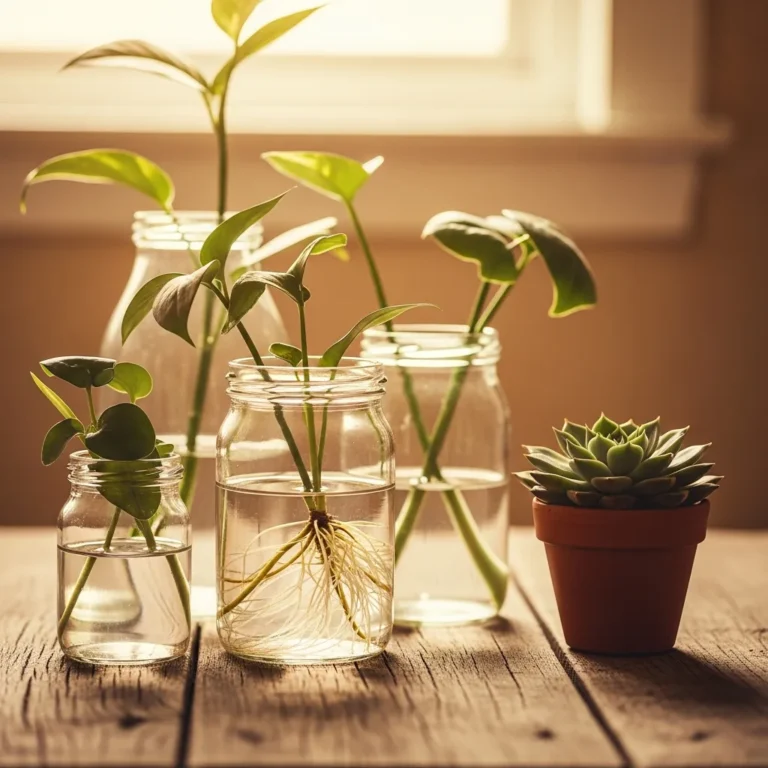
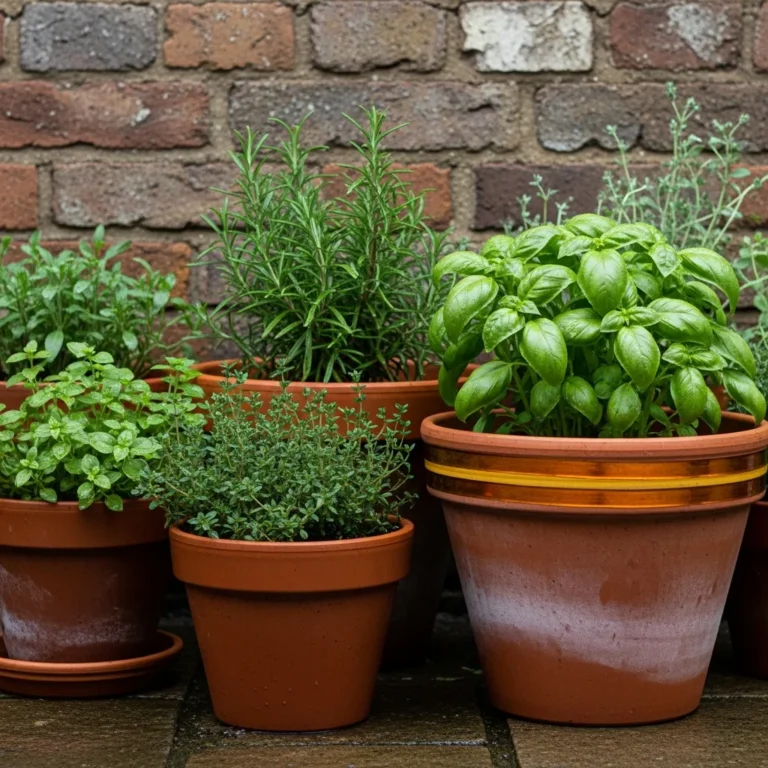
- Experiment with container gardening: Containers are ideal for limited spaces. Try growing herbs like basil or mint on a sunny windowsill. Use different pot sizes to see how they affect soil moisture. The RHS frequently showcases container gardening ideas.
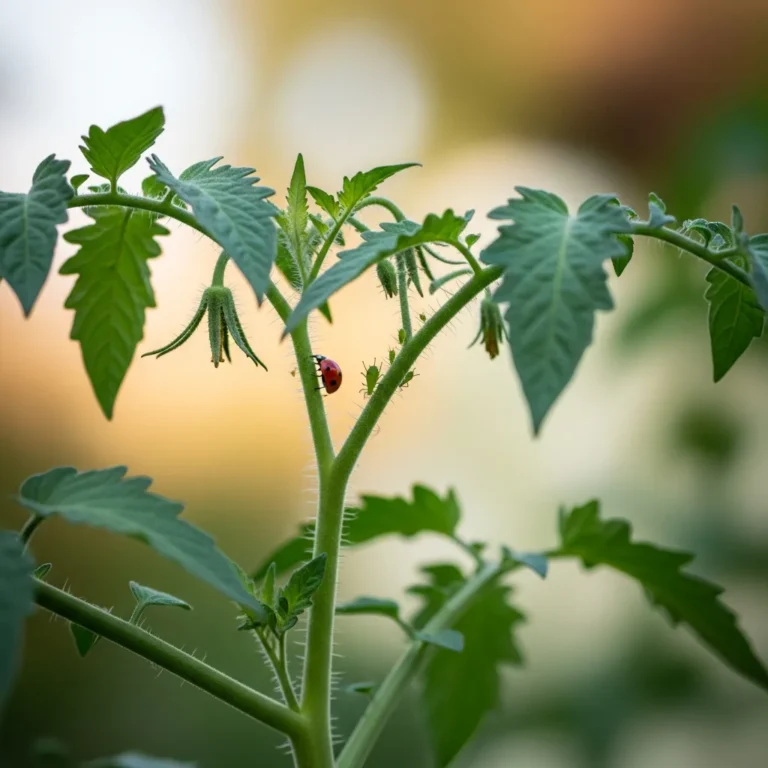
- Incorporate diverse plantings: Mix flowers, herbs, and vegetables. This variety supports pollinators and beneficial insects. Consider adding native plants to attract local wildlife. A diverse garden is a resilient garden.
- Use mulch generously: Apply a 2-3 inch layer of organic mulch around plants. This conserves soil moisture, suppresses weeds, and regulates soil temperature. Keep mulch away from plant stems.
- Try new plant varieties: Step outside your comfort zone. Choose a plant you haven’t grown before. Read its tag carefully and research its needs. You might be pleasantly surprised by its performance.
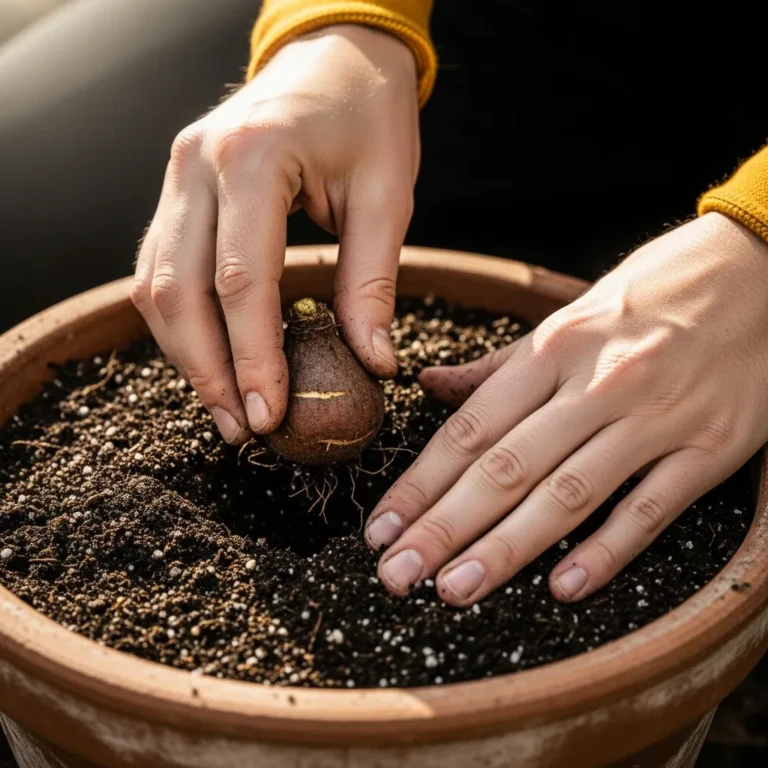
- Learn about soil health: Healthy soil forms the foundation of a thriving garden. Amend your soil with compost to improve drainage, aeration, and nutrient content. University extension resources offer valuable information on soil science basics.
- Document your progress: Maintain a simple garden journal or use photos. Record what you planted, when, and how it performed. This documentation is crucial for future planning and problem-solving.
Debunking Garden Myths Inspired by Curiosity
Myth: You need a large garden for interesting plants.
Reality: Not at all! The ‘Curious Garden’ concept highlights small-space solutions. Container gardening, vertical gardens, and even a few pots on a balcony can be productive and beautiful. Many herbs and vegetables thrive in containers.
Myth: Gardening requires expert knowledge to begin.
Reality: This is precisely what the ‘Curious Garden’ aims to challenge. Gardening is a skill developed through practice and observation. Everyone starts somewhere. Don’t fear mistakes; I’ve made plenty!
Myth: All plants require the same amount of water.
Reality: This is a frequent beginner error. Different plants have vastly different watering needs based on their origin, size, and soil type. Succulents need far less water than thirsty tomato plants. Always research the specific requirements of each plant.
Myth: Organic gardening strictly forbids all chemicals.
Reality: Organic gardening emphasizes natural processes and materials, focusing on building healthy soil and encouraging beneficial insects. However, organically approved pesticides and fungicides are available for specific issues. The goal is sustainable practices, not necessarily zero intervention.
Myth: Successful gardening is impossible in shady areas.
Reality: While many plants prefer sun, numerous beautiful options thrive in shade. Hostas, ferns, impatiens, and astilbe are just a few examples. Selecting plants suited to your light conditions is key to success.
Your Backyard Garden Observation Checklist
Observing your garden helps you learn and provides useful information if you seek expert advice. Here’s a simple checklist to get you started:
- Planting dates: Record when you sow seeds or transplant seedlings.
- Watering frequency: Note how often you water each plant or area.
- Soil moisture: Check soil moisture by inserting your finger 1-2 inches deep. Note if it feels dry, moist, or wet.
- Sunlight exposure: Observe the number of direct sun hours an area receives daily.
- Leaf color and condition: Note any yellowing, spotting, wilting, or unusual discoloration.
- Pest or disease signs: Look for leaf damage, sticky residue, or visible insects/fungus.
- Growth rate: Observe how quickly plants are growing or flowering.
- Mulch depth: Check if your mulch layer remains adequate (2-3 inches).
- Weed pressure: Note which weeds are appearing and their growth rate.
- Bloom times: Record when flowers open and their duration.
Frequently Asked Questions About the ‘Curious Garden’ Concept
What is the main goal of the David Beckham garden project?
The main goal is to make gardening feel accessible and less intimidating. It encourages people, especially beginners, to be curious and try growing things. It’s about the joy of learning and connecting with nature, not about achieving perfection.
Can I really use ideas from a Chelsea Flower Show garden at home?
Absolutely! The ‘Curious Garden’ is specifically designed to showcase ideas that are replicable in smaller spaces. Think container gardening, vertical planting, and smart plant choices. These concepts are perfect for patios, balconies, or small backyard plots.
What does ‘curious’ mean in a gardening context?
In this context, ‘curious’ means being open to learning and experimenting. It’s about asking questions, trying new plants or techniques, and not being afraid to discover what works for you. It embraces the journey of gardening.
How does this project support The King’s Foundation?
The project partners with The King’s Foundation, a charity focused on community regeneration and education. By highlighting gardening, it can inspire interest in horticulture as a career. It also promotes the environmental benefits of green spaces, which the Foundation supports.
What kind of plants might be featured in a ‘Curious Garden’?
You might see a mix of plants that are easy to care for, visually interesting, or have multiple uses. This could include popular herbs, colorful annual flowers, small vegetables suitable for pots, and perhaps some resilient perennials. The focus is on plants that spark interest and are manageable for new gardeners.
Is this garden judged at Chelsea?
No, this ‘Curious Garden’ is a showcase garden. It’s not part of the competition. Its purpose is educational and inspirational, demonstrating gardening concepts rather than competing for awards. This further emphasizes its focus on learning and enjoyment.
Embrace Your Inner Gardener
David Beckham’s garden project serves as a wonderful reminder that gardening is for everyone. It’s perfectly fine not to know everything immediately-I’ve certainly learned that through experience! Focus on staying curious, observing your plants, and enjoying the process. Don’t hesitate to try new things, even if it’s just one new plant this season. If you ever feel overwhelmed or uncertain about a significant issue, remember that experts are available to assist. Your local cooperative extension office or a certified arborist can offer invaluable guidance when needed.