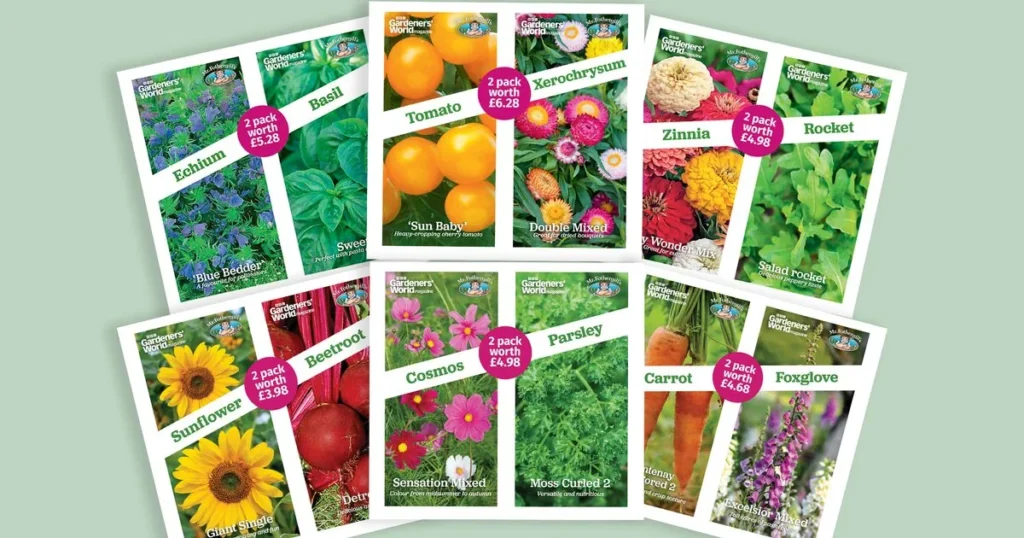
Quick Guide to Free Seeds
Quick version: Getting free seeds for your garden is achievable through various programs and smart planning. Look into local seed libraries, community garden initiatives, and sometimes even university extension programs that offer seed exchanges or educational materials. The USDA National Agricultural Library also provides information on seed resources. Many gardeners save seeds from their own successful plants to share. Always check your local gardening clubs or online forums for seed swap events. These free seeds can significantly reduce your gardening costs, allowing you to experiment with new varieties and expand your planting efforts. Start by researching local options and participating in community gardening events.
Getting free seeds can be a fantastic way to start your gardening journey. It’s how I began filling my raised beds without breaking the bank. this guide covers walk you through finding and starting your own free seeds. We’ll cover what to look for and how to get them going. This isn’t about specific seed giveaways, but rather reliable ways to source seeds for your garden. I learned this the expensive way, so hopefully, you won’t have to.
Many gardeners think seeds are expensive. You can find great options if you know where to look. We’ll focus on sustainable and accessible methods. You’ll learn about programs and resources that offer seeds. This will help you grow more plants for less money. Let’s get your garden growing with some free seeds.
Why Free Seeds Matter for Backyard Gardeners
As a backyard gardener, I know every dollar counts. Seeds can add up fast, especially if you’re trying new things or expanding your garden space. Finding free seeds is a game-changer. It lets you try out different vegetables or flowers you might not otherwise buy. This accessibility is crucial for beginners. You can experiment without a big financial commitment. It also encourages sharing and community within the gardening world. I’ve received amazing heirloom seeds from other gardeners. They shared varieties I’d never find in a big box store.
Resources like the USDA National Agricultural Library highlight the importance of seed diversity and access. They understand that having several seeds available helps maintain healthy ecosystems and food security. For us home gardeners, it means more options to grow what we love. You can also learn about seed saving through these programs. This makes you more self-sufficient. The fact that you looked this up means your garden is in good hands. It shows you’re a gardener who’s thinking practically about your budget and your plants’ success.
When to Wait vs. When to Act on Seed Opportunities
Not all seed opportunities are created equal. Some require immediate action, while others are best approached with patience. Understanding the difference can save you time and ensure you get the best results from your gardening efforts.
Worth waiting for:
- Specific Heirloom Varieties: If a friend or community member offers a unique heirloom seed, it’s often worth waiting for the right planting season. These seeds can be rare.
- Community Seed Swaps: These events happen seasonally. Waiting for the next scheduled swap ensures you get fresh seeds and connect with local growers.
- Seed Libraries: Most seed libraries operate on a borrowing system. You might need to wait for your turn or for the next harvest cycle to ‘repay’ your borrowed seeds.
- Educational Programs: Some gardening workshops or extension programs offer free seeds as part of their curriculum. These are usually tied to specific class dates.
Worth acting on immediately:
- Seed Library Sign-ups: If a local seed library has open registration, sign up right away. Popular libraries often have waiting lists.
- Community Garden Seed Donations: Many community gardens receive seed donations. If they announce availability, go quickly. Supplies can run out fast.
- Online Seed Exchange Deadlines: Some online exchanges have strict submission or request deadlines. Mark your calendar and submit your request promptly.
- Local Nursery Freebies: Occasionally, local nurseries or garden centers offer free seed packets with purchases or during special events. Check their websites or social media frequently.
- Saving Your Own Seeds: If you have a successful plant, save its seeds! This is an ongoing action you can take anytime after harvest. Learn how to properly dry and store them.
Can we talk about seed saving? It’s a rewarding skill that makes you less reliant on purchased seeds. The USDA National Agricultural Library has resources on seed saving basics.
Step-by-Step Guide to Getting Free Seeds
- Research Local Seed Libraries: Start by searching online for “seed library near me.” Many public libraries and community organizations host them. Check their websites for operating hours, membership requirements, and how to ‘borrow’ seeds. Some require you to return seeds from your harvest, while others are more flexible.
- Join Community Garden Initiatives: Look for local community gardens. They often have seed-sharing programs or events for members and sometimes the public. Participating in a community garden is a great way to learn and access resources. You might even find opportunities to volunteer and get hands-on experience.
- Explore Online Seed Exchanges and Swaps: Websites and forums dedicated to gardening often host seed exchanges. These can be national or regional. Be sure to read the rules carefully. You’ll typically need to offer seeds in return. This is a fantastic way to discover unique varieties.
- Attend Local Gardening Club Meetings: Many towns have gardening clubs that hold regular meetings. Seed swaps are a common activity during these gatherings. It’s a good chance to meet experienced gardeners and get advice specific to your area. Ask about upcoming events at your local nursery or extension office.
- Connect with Friends and Neighbors: Don’t underestimate the power of your personal network. If you have friends or neighbors who garden, ask if they save seeds or have extras they’re willing to share. This is often how I get my most interesting plants.
- use University Extension Programs: Your local cooperative extension office often has Master Gardener programs or community outreach initiatives. They may host seed-saving workshops or seed swap events. Their resources are invaluable for regional gardening advice. You can find your local extension office through many university websites.
Common Misconceptions About Free Seeds
Myth: Free seeds are always low quality or expired.
Reality: This is rarely true. Many gardeners save high-quality seeds from their best plants. Seed libraries and exchanges focus on sharing viable seeds. Reputable sources ensure seeds are properly stored and viable for at least one growing season, often longer. The USDA emphasizes the importance of seed quality for successful gardening.
Myth: You have to be a member of a special club to get free seeds.
Reality: While some programs are subscription-based, many are open to the public. Community seed swaps, library programs, and informal exchanges don’t require fees. You just need to participate. Many local gardening clubs are also open to new members who want to share and learn.
Myth: Free seeds mean you can’t grow anything special or unique.
Reality: Some of the most unique and cherished plant varieties are passed down through generations as heirloom seeds. These are often shared freely among gardeners. You can find incredible heirloom tomatoes, peppers, and flowers through seed swaps and libraries, not just in commercial catalogs.
Myth: Saving seeds from your own plants is too difficult.
Reality: Seed saving can be simple for many common plants like beans, peas, and tomatoes. It just requires understanding the specific plant’s pollination habits and proper drying and storage techniques. Resources from university extensions can guide you through the process.
What to Track with Your Free Seeds
When you start plants from free seeds, keeping track of a few things can be really helpful. It helps you learn what works best in your garden. It also helps when you’re ready to share your own seeds later. Here’s a checklist:
- Seed Source: Note where you got the seeds (e.g., “Local Seed Library,” “Friend Sarah,” “Online Swap”).
- Planting Date: Record when you sowed the seeds, both indoors and outdoors.
- Germination Rate: Estimate how many seeds sprouted out of the total planted.
- Date Sprouted: Note the date the first seedlings appeared.
- Transplant Date: Record when you moved seedlings from indoor trays to the garden.
- Planting Location: Specify where in your garden each type of seed was planted (e.g., “Raised Bed 3,” “Front Border”).
- Growth Observations: Make notes on plant vigor, leaf color, and any unusual characteristics.
- Flowering/Fruiting Date: Record when flowers first appeared or when the first fruits were ready to harvest.
- Harvest Yield: Estimate the amount harvested (e.g., “5 tomatoes,” “1 cup of lettuce”).
- Seed Saving Success: If you plan to save seeds, note the success rate of seed drying and storage.
This information is invaluable. It helps you improve your methods each season. It also provides great data if you ever need to contact your local cooperative extension office for advice.
Frequently Asked Questions About Free Seeds
Where can I find seed libraries?
Seed libraries are often hosted by public libraries, community centers, or botanical gardens. Search online for “seed library near me.” They operate on a borrowing system, where you take seeds to plant and ideally return seeds from your harvest. It’s a wonderful way to access diverse plant varieties.
Are seeds from seed swaps reliable?
Generally, yes, but it depends on the community. Reputable seed swaps involve gardeners sharing seeds they’ve successfully grown. Always ask about the seed’s origin if you’re unsure. Experienced gardeners usually provide accurate information about their saved seeds. This is a great way to find unique or heirloom types.
How do I save seeds from my plants to share?
Seed saving varies by plant. For easy-to-save seeds like beans or peas, let the pods dry completely on the plant or after picking. Then, shell the seeds and store them in a cool, dry place. For tomatoes, scoop out the seeds and pulp, ferment them in water for a few days to remove mold inhibitors, then rinse and dry. The Penn State Extension offers guidance on seed saving.
What should I do if I get expired seeds?
If you suspect seeds are expired or have a very low germination rate, don’t despair. Sometimes older seeds will still sprout, just slower or less reliably. You can try a simple germination test: place a few seeds on a damp paper towel inside a plastic bag. Keep it in a warm spot and check for sprouts over a week or two. This helps you gauge viability before planting.
Can I get free seeds from the government?
While government agencies like the USDA don’t typically hand out free seeds directly to home gardeners, they support seed banks and research. The USDA National Agricultural Library provides extensive information on seeds and gardening resources. Look for programs they might support or information on seed saving and diversity.
What’s the best way to start free seeds indoors?
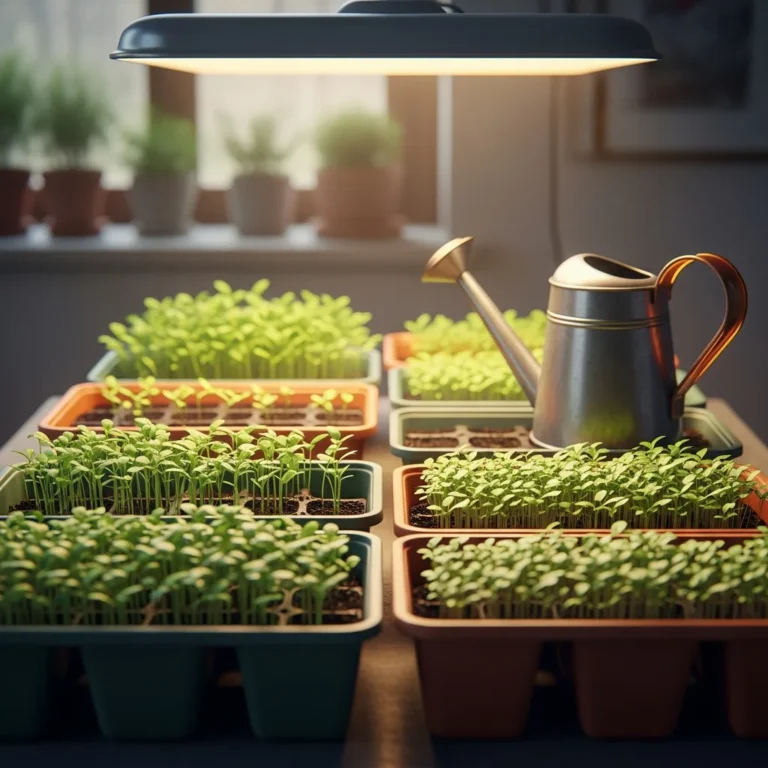
Start free seeds indoors using sterile seed-starting mix in clean containers. Ensure they have adequate light, warmth, and moisture. Use a heat mat if needed for germination. Once seedlings develop their first true leaves, transplant them into slightly larger pots. Harden them off gradually before planting outdoors. Proper care ensures even fragile free seeds have a good start.
Your Garden Awaits
Starting your garden with free seeds is an accessible and rewarding path. It connects you to a community of fellow gardeners. You’ll gain valuable knowledge about plant cycles and seed saving. Don’t be afraid to ask questions or seek advice from local experts. Remember, even the most experienced gardeners started somewhere. Your journey with free seeds can lead to a beautiful and bountiful garden. Happy planting!