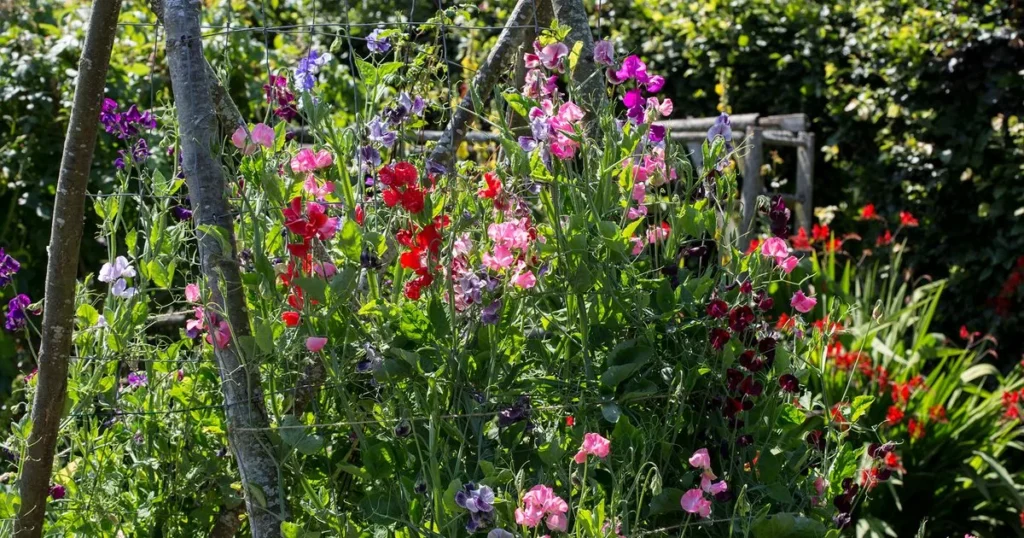
When to Sow Sweet Peas
TL;DR: The best time to sow sweet peas depends on your climate, but generally, you can sow them in fall (October-November) for early blooms or in early spring (February-April) as soon as the soil can be worked. Fall-sown peas often yield earlier and more abundant flowers. Spring-sown peas bloom later in the season. For the longest bloom period, consider succession planting. Sweet peas thrive in cooler weather and need protection from harsh frosts, especially when young. Success depends on timing, soil preparation, and consistent care (vegetable garden).
Can we talk about sweet peas? They’re those gorgeous, fragrant vines that make any garden smell like heaven. I’ve definitely had my share of gardening fails, but growing sweet peas has become a reliable joy. The question is: when should you actually sow sweet peas to get the most out of them? This guide breaks down timing, planting, and care, drawing on trusted sources so you don’t have to learn the hard way.
We’ll cover everything from the ideal sowing windows for early or late blooms to how to encourage bushy growth and maximize those beautiful flowers. You’ll get practical advice that works for home gardeners, not just professional botanists.
This isn’t about complex horticultural science. It’s about getting those lovely, scented blooms in your backyard. We’ll focus on what you can do right now and what signals to watch for.
Why Timing Your Sweet Pea Sowing Matters
Getting the timing right for when to sow sweet peas is crucial for their success. These annual climbers love cooler weather. If you sow them too late in spring, they might struggle with summer heat before they even get a chance to establish well. Sowing too early in fall could expose delicate seedlings to harsh winter conditions they can’t survive.
The University of Illinois Extension notes that many annuals, like sweet peas, perform best when given a head start or planted at the optimal time for their growth cycle. This helps ensure they develop strong root systems before the weather gets too extreme. Proper timing also influences bloom duration and flower quality. Early-sown plants often produce flowers earlier and for a longer period, maximizing your enjoyment of their fragrance and beauty throughout the growing season.
I learned this the expensive way early on. I once sowed seeds way too late, and while I got a few spindly flowers, it wasn’t the explosion of color and scent I’d hoped for. Getting the sowing window right means less frustration and more beautiful blooms to cut for your home or admire in the garden.
Sweet Pea Sowing: Wait or Act Now?
Deciding when to sow sweet peas can feel tricky, especially if you’re new to growing them. Here’s a breakdown of what to watch for and when it’s time to get those seeds in the ground or start planning for next year.
Worth waiting for:
- Soil temperature is consistently above 45°F (7°C): While seeds can germinate in cooler soil, consistent warmth helps prevent rot and encourages steady growth. This is especially important for spring sowings.
- Last hard frost has passed: Young sweet pea seedlings are tender. Waiting until the danger of a hard frost has passed reduces the risk of damage to your emerging plants.
- Daylight hours are increasing: For spring sowings, longer days signal the start of the growing season and encourage more vigorous growth after germination.
- You have a protected spot for seedlings: If sowing very early in spring or fall, ensure you have a cold frame, unheated greenhouse, or sheltered windowsill to protect young plants from harsh weather.
Worth acting now:
- It’s October or November in a mild climate: Fall sowing is often recommended for the best results in many regions. If your winters aren’t severe, sowing now can lead to earlier, more strong blooms. Consult your local cooperative extension for specific regional advice.
- It’s late February or March in a mild climate: If you missed the fall window or live in a colder area, early spring is your next best bet. Get seeds started indoors or directly sow outside once soil is workable.
- You’re seeing early spring weather: If you’re in the Pacific Northwest like me, and you’re getting those first few weeks of milder weather in late winter/early spring, it’s often safe to sow.
- You want succession planting: To extend the bloom season, sow small batches of seeds every 2-3 weeks from early spring until about 6-8 weeks before your first expected frost.
How to Sow Sweet Peas Step-by-Step
- Choose your timing: Decide whether you’re sowing in fall or spring. Fall sowing (October-November in mild climates) gives plants a head start. Spring sowing (February-April) is common everywhere, especially in colder regions. For the longest bloom period, consider sowing in batches every few weeks.
- Prepare your seeds: Some gardeners recommend soaking sweet pea seeds overnight before sowing to aid germination. Others prefer to lightly nick the seed coat with a file or sandpaper, being careful not to damage the embryo. This helps water penetrate the hard seed coat.
- Select your containers: Sweet peas develop long taproots, so deep pots are best. Use individual pots, deep seed trays, or even recycled toilet paper rolls (standing upright in a tray) filled with compost. This minimizes root disturbance when transplanting. The Clemson Cooperative Extension recommends using deep containers to accommodate their root systems.
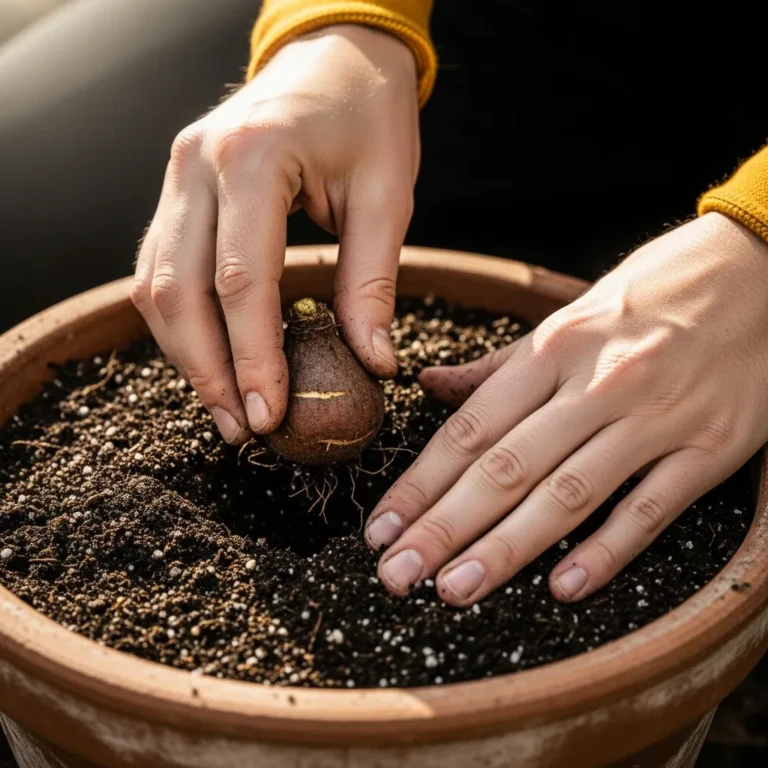
- Fill and sow: Use a good quality, peat-free seed compost. Fill your chosen containers, firming gently. Make a hole about 1-2 cm deep for each seed. Place one or two seeds per pot. Cover with compost and water gently.
- Provide the right conditions: Keep sown seeds in a cool, bright spot. A sunny windowsill, an unheated greenhouse, or a cold frame works well. Avoid excessive heat, which can lead to leggy seedlings. Aim for temperatures around 50-60°F (10-15°C).
- Harden off seedlings: Once seedlings have a few sets of true leaves and are about 3-4 inches tall, it’s time to acclimate them to outdoor conditions. Gradually expose them to the elements over a week or two, bringing them in at night if frost threatens. This process, called hardening off, prevents transplant shock.
- Plant out seedlings: Plant your hardened-off seedlings into their final positions in the garden after the last frost date. Space them about 6-12 inches apart, depending on the variety. Ensure they have support structures like trellises, netting, or obelisks in place *before* you plant. Water them in well.
Sweet Pea Sowing Myths Debunked
Myth: You can only sow sweet peas in spring.
Reality: While spring sowing is common, fall sowing (October-November) is often ideal in milder climates. As noted by the Royal Horticultural Society, autumn-sown plants get a head start, developing stronger root systems and blooming earlier and more prolifically than spring-sown ones. They just need protection from severe winter cold.
Myth: Sweet peas need rich, heavily fertilized soil to grow.
Reality: Sweet peas prefer fertile soil but don’t need excessive fertilizer at sowing time. Over-fertilizing, especially with nitrogen, can lead to lush foliage but fewer flowers. A balanced fertilizer or well-rotted compost incorporated into the soil *before* planting is usually sufficient. Too much fresh manure can scorch their roots.
Myth: Sweet peas are difficult to germinate.
Reality: While they can be slow, germination is usually reliable if seeds are fresh and conditions are right. Soaking seeds overnight or lightly nicking the seed coat can help improve germination rates. Ensuring they are kept consistently moist but not waterlogged is key. The University of California IPM suggests sowing them directly into deep pots to avoid disturbing the taproot, which can sometimes hinder germination or early growth.
Myth: Pinching out sweet pea seedlings is optional.
Reality: Pinching out the growing tip of young sweet pea plants encourages them to branch out and become bushier. This leads to more flowering stems later on. If you don’t pinch them, you’ll likely end up with fewer, leggier stems.
Tracking Your Sweet Pea Growth
Keeping notes on your sweet pea journey helps you learn and improve for next year. It also gives you valuable information if you need to consult an expert. Here’s a checklist of what to observe:
- Sowing date: Record exactly when you sowed your seeds, both indoors and outdoors.
- Germination rate: Note how many seeds sprouted and how long it took.
- Seedling height: Track the growth of your seedlings after they emerge.
- Pinching date: Mark when you pinched out the growing tips.
- Transplanting date: Note when you moved seedlings from pots to the garden.
- First flower: Record the date you see the very first bloom appear.
- Flowering period: Track how long the plants continue to flower.
- Watering frequency: Note how often you’re watering, especially during dry spells.
- Pest/disease issues: Document any signs of slugs, aphids, or other problems.
- Fertilizing schedule: Keep track of when and what type of fertilizer you applied.
Common Sweet Pea Sowing Questions
Can I sow sweet peas directly into the garden?
Yes, you can sow sweet peas directly into the garden, but it’s often best done in deep pots first. This is because they develop long taproots that don’t like being disturbed. Transplanting them from deep pots minimizes root shock and gives them a stronger start. If sowing directly, choose a spot where they won’t be moved later and ensure the soil is well-prepared.
How deep should I plant sweet pea seeds?
Sweet pea seeds should be planted about 1-2 cm (about 0.5 inches) deep. Ensure they are covered with compost or soil. Using deeper containers for starting seeds is more important than the exact depth, as it accommodates their developing root systems. The goal is to protect the seed while allowing easy access for the emerging root and shoot.
Why are my sweet pea seedlings leggy?
Leggy seedlings are usually a sign that they are getting too much heat and not enough light. Sweet peas prefer cool conditions once they’ve germinated. If your seedlings are stretching tall and thin, move them to a cooler, brighter location immediately. An unheated greenhouse or a bright, cool windowsill is ideal. Avoid keeping them in a warm house for too long.
How often should I water sweet peas?
Sweet peas prefer consistently moist soil, but they don’t like to be waterlogged. Water them regularly, especially during dry periods and once they start flowering. Check the soil moisture by sticking your finger about an inch deep. If it feels dry, it’s time to water. Ensure good drainage to prevent root rot.
What kind of support do sweet peas need?
Sweet peas are climbers and need support to grow upwards. They naturally produce tendrils to cling to structures. You can provide support using netting, trellises, pea sticks, obelisks, or even just a sturdy fence. It’s best to put these supports in place *before* you plant your seedlings to avoid damaging their roots later on.
Can I grow sweet peas in pots?
Absolutely! Sweet peas do very well in containers, provided the pots are deep enough to accommodate their root systems. Aim for pots that are at least 8-10 inches deep. Ensure the potting mix has good drainage, and remember that plants in containers can dry out more quickly, so monitor watering closely.
Happy Sweet Pea Growing!
Sowing sweet peas at the right time is a game-changer for getting those gorgeous, fragrant blooms. Don’t be afraid to experiment with fall vs. spring planting to see what works best in your garden. Remember to keep notes on your sowing dates and seedling growth. If you’re ever unsure about soil conditions, pest identification, or a plant’s health, reaching out to your local cooperative extension office is always a smart move. Happy gardening!