Quick Look at 2026 Gardening Trends
TL;DR: The top 2026 gardening trends focus on climate resilience and nature-friendly practices. Expect more drought-tolerant and heat-loving plants, alongside a surge in edible landscaping as gardeners grow their own food. Nature-focused gardening, including pollinator-friendly plants and wildlife habitats, will also be big. Houseplants continue to gain popularity, with some varieties now suitable for outdoor displays. Expect new, sweeter blackcurrant varieties and a continued interest in grafted tomatoes. The RHS predicts a shift towards plants serving multiple purposes, adapting to changing weather patterns and gardener needs.
The gardening landscape is always shifting, and keeping up can feel like a lot. But don’t worry, I’ve been there, staring at sad, wilted leaves. This guide breaks down the emerging 2026 gardening trends. We’ll cover what’s coming up, how to adapt, and which plants will thrive. Think of this as your friendly roadmap, informed by experts but written for us home gardeners. We’re focusing on practical insights you can use right now in your backyard (vegetable garden).
Why These 2026 Gardening Trends Matter to You
Keeping an eye on gardening trends isn’t just about being “in the know.” For us backyard gardeners, these shifts often signal practical changes. They tell us what plants are likely to perform well in our local climates. They highlight new techniques that can make gardening easier or more productive. The Royal Horticultural Society (RHS) bases its predictions on real gardener feedback and scientific research. This means these trends often address current challenges, like unpredictable weather or the desire for sustainable practices. For example, the rise of climate-resilient plants directly helps us combat issues like drought or unexpected frosts. This knowledge helps you make smarter choices for your garden. You can select plants that are more likely to survive and thrive. You also learn about methods that support local wildlife. These trends help your garden become more beautiful and more ecologically sound. They empower you to garden more successfully, even when facing new environmental conditions.
The RHS highlights that climate is a major driver for these upcoming trends. This makes sense, right? We’ve all seen those wild weather swings. Gardens are increasingly being designed to handle more extreme conditions. This means looking at plants that can tolerate both heat and heavy rain. It also means thinking about water conservation. Nature-friendly gardening is another huge part of this. More of us want our gardens to be havens for pollinators and other beneficial creatures. This aligns with broader environmental awareness. The fact that you looked this up means your garden is in good hands. You’re ready to adapt and grow!
What to Watch for and When to Call an Expert
Navigating new gardening trends means knowing when to jump in and when to seek professional advice. Some shifts are easy to implement yourself, while others require a bit more caution. Here’s a breakdown of what you can likely handle and when it’s time to call in the pros.
Worth watching:
- Climate-Resilient Plants: Look for plants described as drought-tolerant, heat-loving, or adaptable to varied conditions. Many new cultivars are bred for this. Check plant tags and descriptions carefully.
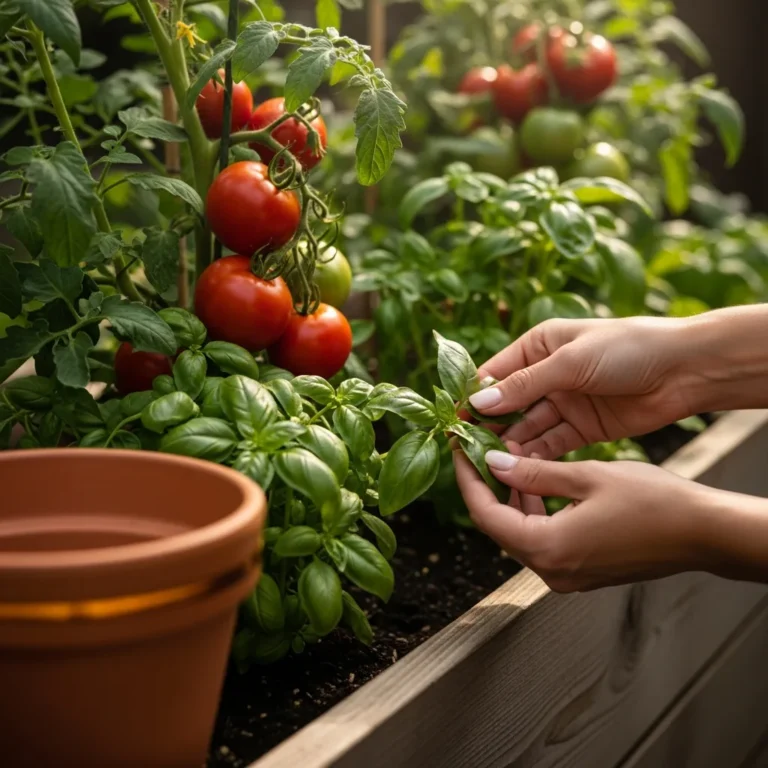
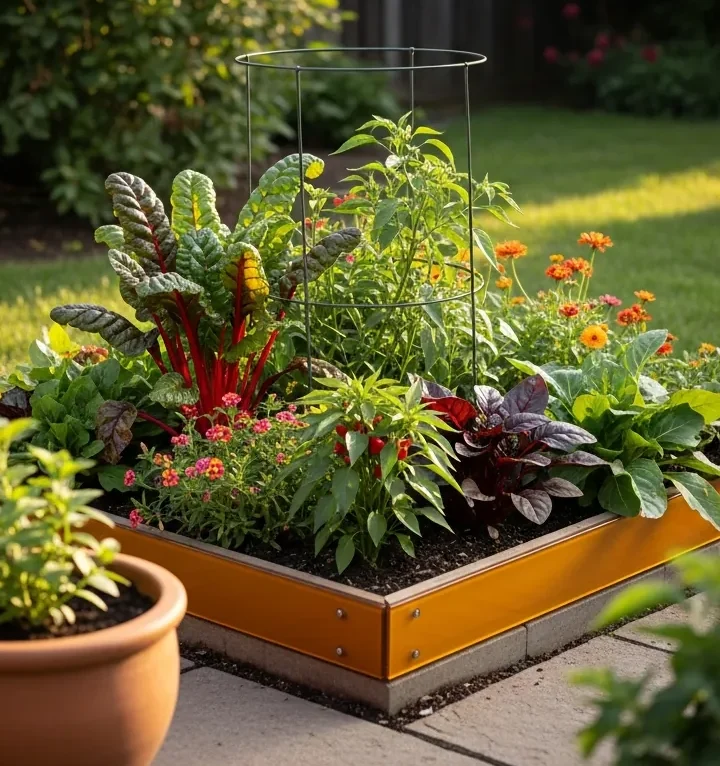
- Edible Landscaping: Incorporating more food-producing plants into ornamental beds. Think colorful Swiss chard, compact pepper varieties, or fruit-bearing shrubs that look great.
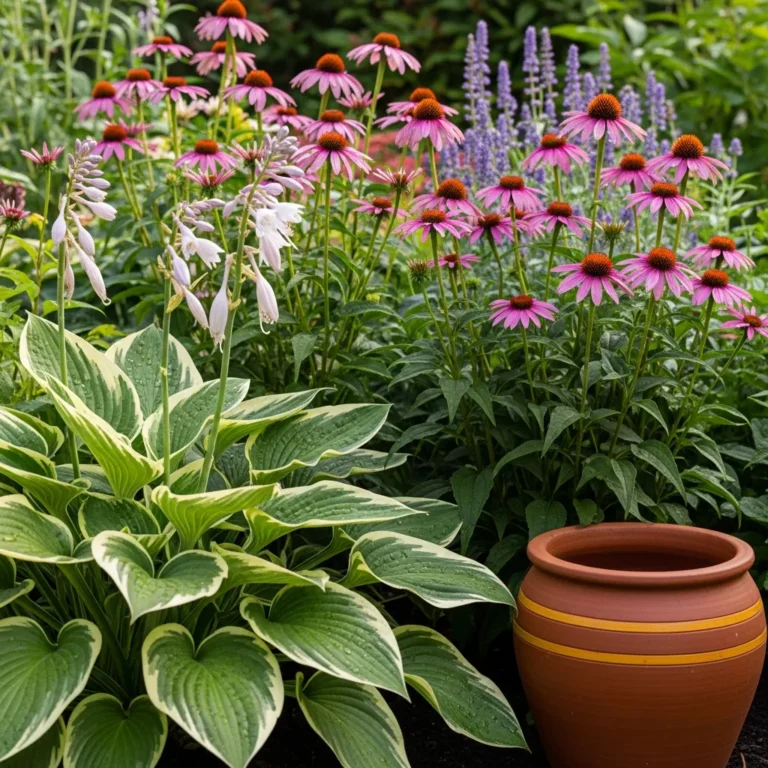
- Pollinator-Friendly Flowers: Plants like native wildflowers, single-flowered dahlias, and certain salvias are great for bees and butterflies. Aim for several bloom times.
- Grafted Tomatoes: These are often more disease-resistant and vigorous. They can give you a better harvest, especially if you’ve had blight issues.
- Sweet Blackcurrant Varieties: New types like ‘Ebony’ are bred to be eaten fresh. If you’ve avoided blackcurrants due to bitterness, these might be worth trying.
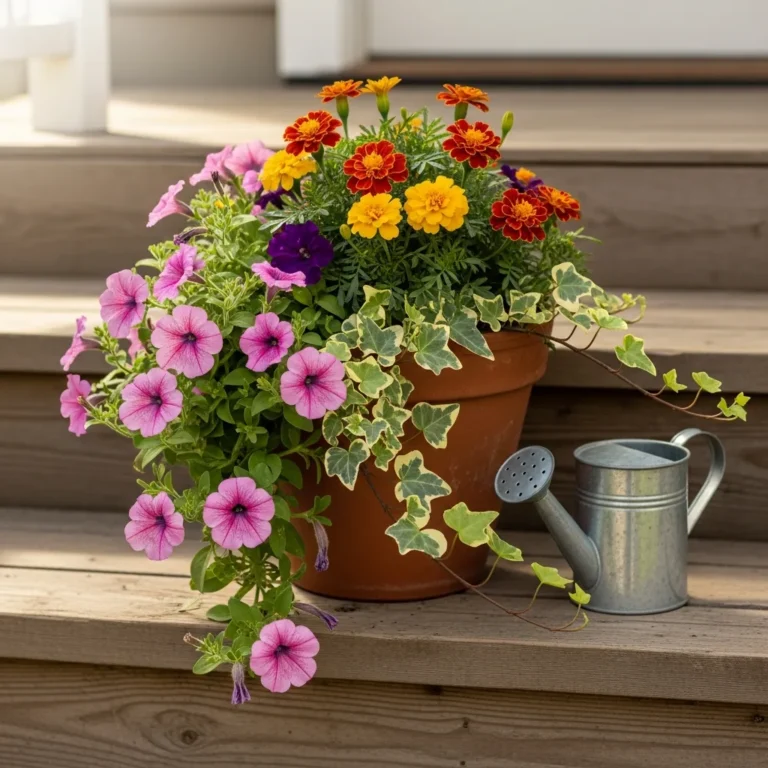
- Houseplants Outdoors: Some tender houseplants can be used in summer containers. Spider plants and Tradescantia often do well in hanging baskets or pots.
Worth calling an expert:
- Suspected Soil Contamination: If your property has a history of industrial use or you’re near a superfund site, get your soil tested by your local cooperative extension office. They can guide you on safe testing and remediation. You can find your local office through the USDA National Institute of Food and Agriculture.
- Large Tree Health or Placement: If a large tree is near your house, a walkway, or showing signs of disease (like significant dieback or fungal growth), consult an ISA-certified arborist. They can assess risks and recommend pruning or removal if necessary.
- Persistent Invasive Species: If you identify a plant that is known to be invasive in your region and is spreading rapidly, contact your local cooperative extension for identification and management advice. Some invasives require specific, sometimes regulated, control methods.
- Unusual Plant Diseases or Pests: If you see widespread, unidentifiable symptoms on multiple plants that don’t match common problems, a plant diagnostic lab through your extension office might be needed.
- Toxicity Concerns (Pets/Children): If you suspect a pet or child has ingested a plant and are unsure of its toxicity, immediately contact the ASPCA Animal Poison Control Center. It’s always better to be safe than sorry.
Implementing 2026 Gardening Trends in Your Yard
- Assess Your Climate: Before adopting new trends, understand your local conditions. Are you prone to drought, heavy rains, or extreme heat? Check your USDA Hardiness Zone and average rainfall. This helps you choose plants that will actually thrive, not just survive. For specific regional climate data, your local cooperative extension is a great resource.
- Incorporate Edible Plants: Start small by adding one or two edible plants to your existing ornamental beds. Consider colorful options like rainbow chard or dwarf pepper varieties. You can also plant herbs like rosemary or thyme along pathways. Many herbs are drought-tolerant and attract pollinators.
- Choose Wildlife-Friendly Plants: Research native plants for your area that support local pollinators. Look for plants with single flowers, as double flowers can be harder for bees to access. Aim for a succession of blooms from spring through fall. The RHS often has great lists of pollinator-friendly options.
- Select Drought-Tolerant Varieties: When buying new plants, actively seek out those labeled as drought-tolerant or low-water use. This is especially important if you live in an area with dry summers. Look for plants with grey or fuzzy leaves, as these often indicate water conservation.
- Improve Soil for Resilience: Healthy soil is key to plant resilience. Amend your soil with compost to improve drainage in wet areas and water retention in dry ones. A good soil amendment strategy helps plants cope with environmental stress. Aim to add compost annually, especially in raised beds.
- Consider Houseplants for Outdoor Displays: During warm months, bring out certain houseplants like spider plants or pothos. Place them in shaded spots on your patio or porch. Ensure they are protected from strong winds and direct, harsh sun. Bring them back inside before the first frost.
- Research New Cultivars: Keep an eye out for new varieties of popular plants, like the sweeter blackcurrants or disease-resistant grafted tomatoes. Nurseries and garden centers often highlight these new introductions. Read reviews or ask fellow gardeners about their experiences.
Debunking Common Gardening Trend Myths
Myth: Gardening trends are just fleeting fads that don’t really matter for serious gardeners.
Reality: While some trends are more stylistic, many emerging gardening trends are driven by practical needs like climate change and sustainability. The RHS predictions, for instance, focus on plants that can withstand harsher weather and methods that support biodiversity. These aren’t just aesthetic choices; they’re about creating resilient, eco-friendly gardens. The Penn State Extension often discusses how to adapt gardening practices to regional challenges, showing the practical side of these shifts.
Myth: Nature-friendly gardening means letting your yard become completely wild and unkempt.
Reality: Nature-friendly gardening is about working *with* nature, not against it. It involves choosing plants that benefit wildlife, reducing pesticide use, and conserving water. You can still have a beautiful, tidy garden. Incorporating native plants, providing water sources, and leaving some leaf litter for insects are all manageable steps. It’s about thoughtful design that supports ecosystems.
Myth: Growing your own food is only possible if you have a large vegetable patch.
Reality: Advances in plant breeding have led to many compact and container-friendly varieties. Dwarf fruit trees, bush cucumbers for hanging baskets, and patio-sized tomato plants are now widely available. You can grow a surprising amount of food even in small spaces like balconies or raised beds. This trend is about accessibility for everyone.
Myth: If a plant is labeled “drought-tolerant,” it never needs watering.
Reality: “Drought-tolerant” means a plant can survive periods of low water once established. It doesn’t mean it’s maintenance-free. New plantings always need consistent watering to establish their root systems. Even established drought-tolerant plants may need supplemental water during extreme or prolonged heatwaves. Check the specific needs of each plant.
Myth: Houseplants are too delicate to survive outdoors, even in summer.
Reality: While not all houseplants are suitable, many common ones can thrive outdoors during warmer months. Plants like spider plants, pothos, and certain succulents can handle partial shade and moderate temperatures. The key is to acclimate them gradually and bring them indoors before temperatures drop significantly or frost is expected. Avoid direct, scorching sun.
Tracking Your Garden’s Progress with New Trends
To make the most of these emerging gardening trends, it’s helpful to keep track of your garden’s performance and conditions. This information is invaluable for understanding what works and for diagnosing issues if you need to consult an expert. Here’s a checklist of things to observe:
- Plant Variety and Origin: Note the specific names of plants you’re trialing, especially new cultivars. Record where you purchased them.
- Bloom Times: Track when plants start flowering and for how long. This helps assess pollinator support and garden aesthetics.
- Watering Needs: Observe how often plants truly need water. Note any signs of wilting or overwatering.
- Pest and Disease Incidence: Keep a log of any pests or diseases you notice, including the plant affected and the severity.
- Growth Rate and Vigor: Measure plant height or spread periodically. Note if plants seem unusually slow-growing or exceptionally vigorous.
- Fruit/Vegetable Yield: If growing edibles, track the quantity and quality of your harvest. Compare yields between different varieties.
- Soil Moisture Levels: Regularly check soil moisture a few inches down. This helps gauge watering effectiveness and soil health.
- Wildlife Sightings: Note which pollinators or other beneficial insects visit your garden and which plants they prefer.
- Weather Patterns: Record significant weather events like heatwaves, heavy rainfall, or frost. This helps correlate plant performance with conditions.
- Success with Outdoor Houseplants: Track which houseplants do well outdoors and under what conditions (sunlight, watering).
Frequently Asked Questions About 2026 Gardening Trends
What are the main drivers behind the 2026 gardening trends?
The primary drivers are climate change and a growing desire for nature-friendly practices. Gardeners are seeking plants that can withstand extreme weather, like heat and drought. There’s also a strong push towards creating gardens that support wildlife, especially pollinators, and a continued interest in growing food at home.
Are there specific plants recommended for drought-tolerant gardening?
Yes, many plants are becoming more available. Look for species native to drier regions or those with adaptations like small, fuzzy, or grey leaves. Lavender, sedum, coneflowers (Echinacea), and ornamental grasses are often good choices. Always check the specific needs of any plant before purchasing.
How can I make my garden more appealing to pollinators?
Focus on providing several nectar and pollen sources throughout the growing season. Choose plants with single flowers, as they are easier for pollinators to access. Native plants are often the best choice for supporting local insect populations. Providing a water source, like a shallow dish with pebbles, also helps.
What does “edible landscaping” really mean for a home gardener?
Edible landscaping means integrating food-producing plants into your ornamental garden design. Instead of hiding vegetables in a separate patch, you use them as decorative elements. Think colorful Swiss chard among flowers, blueberry bushes as shrubs, or strawberry plants as ground cover. It makes your garden both beautiful and productive.
Are houseplants really becoming popular for outdoor use?
Some houseplants are indeed being used more in outdoor displays during warmer months. Plants that tolerate partial shade and don’t mind drying out a bit, like spider plants or certain types of Pothos, can do well in containers. They add an exotic touch to patios or porches. Just remember to bring them in before the weather turns cold.
What are the benefits of using grafted tomatoes?
Grafted tomatoes are created by joining the root system of one variety (known for vigor and disease resistance) with the fruit-producing top of another (known for flavor and fruit type). This often results in plants that are more resistant to soil-borne diseases and can produce a more reliable, higher yield, especially in challenging conditions.
Where can I find reliable information on plant toxicity for pets?
For concerns about plant toxicity to pets, the most reliable source is the ASPCA Animal Poison Control. They maintain a complete database of toxic and non-toxic plants and can provide immediate guidance in case of ingestion. Always err on the side of caution and contact them if you suspect poisoning.
Embrace the Future of Your Garden
These upcoming gardening trends offer exciting ways to make your backyard more resilient, productive, and wildlife-friendly. While it’s fun to experiment with new plants and ideas, remember that every garden is unique. Pay attention to what works best in your specific conditions. If you encounter persistent issues or are unsure about plant identification or potential toxicity, don’t hesitate to reach out to local experts. Your cooperative extension office and other professionals are there to help you succeed. Happy gardening!