Quick Answer: Best Plants Slugs Won’t Touch
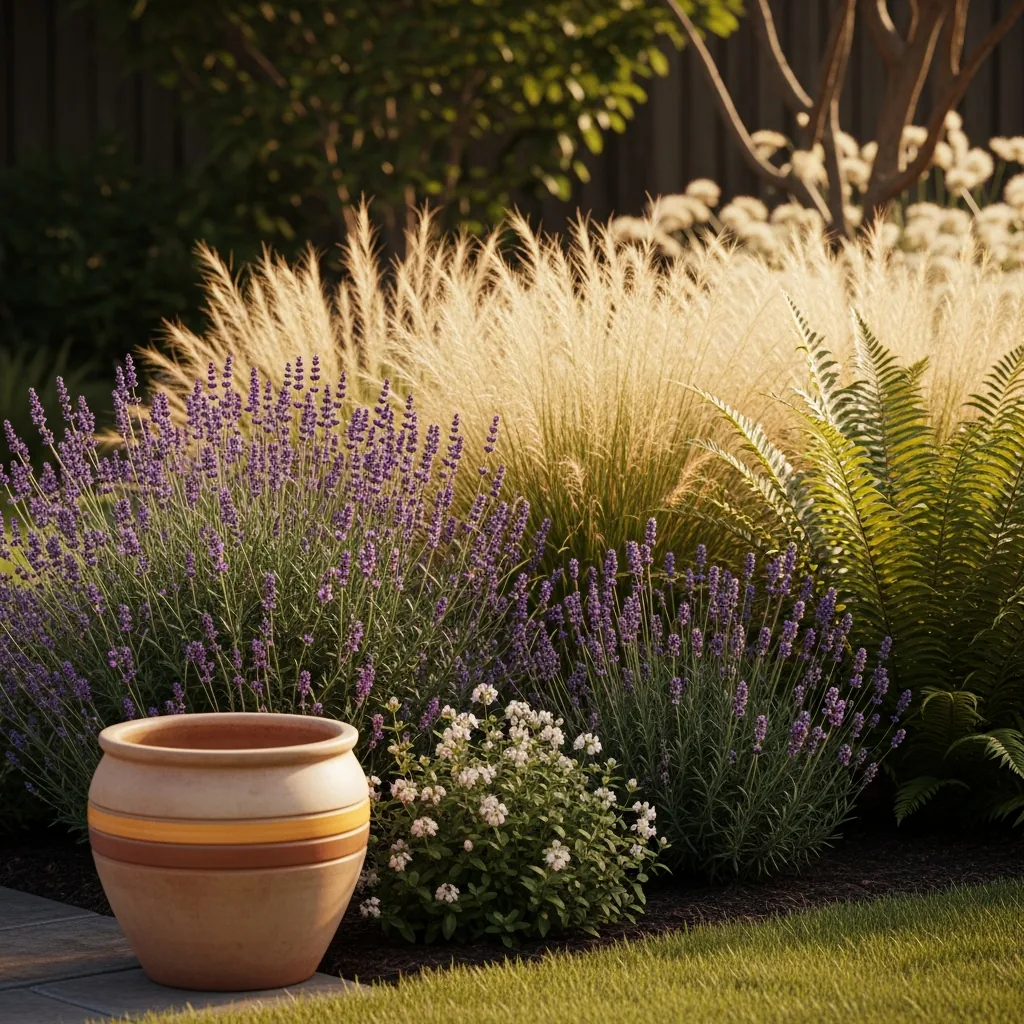
Quick version: If you’re looking for plants slugs won’t touch, focus on varieties with tough, fuzzy, or aromatic leaves. Examples include Lavender, ornamental grasses, Ferns, Foxgloves (use caution around pets), and many herbs like Rosemary and Thyme. These plants often have textures or chemical compounds that make them unappealing to slugs and snails. Choosing these can significantly reduce damage and the need for chemical controls in your garden. Always research specific plant toxicity if you have pets or small children.
Tired of seeing your beautiful plants turn into a slimy buffet? I get it. I’ve battled my share of gastropod guests in the garden. Growing plants slugs won’t touch can save you so much heartache and effort. this guide covers help you pick the right plants. We’re focusing on what works for home gardeners, not just what looks good in a magazine. You’ll learn which plants naturally deter these common pests, based on research from trusted sources like university extensions.
Why Worrying About Plants Slugs Won’t Touch Matters
It feels so disheartening when you put work into your garden, only to find your prize-winning hostas or brand-new seedlings munched to oblivion overnight. Slugs and snails are common garden visitors, and they have a particular fondness for tender, young plants. They can decimate a vegetable patch before you even get a chance to harvest. Relying solely on slug pellets or other chemical treatments can be a chore. Plus, some treatments can harm beneficial wildlife like hedgehogs or birds, which are important allies in pest control. The U.S. National Park Service notes that slugs are a natural part of the ecosystem, but they can become problematic in gardens.
Choosing plants that slugs naturally avoid is a smarter, more sustainable approach. This strategy saves you time and money. It also leads to a healthier garden ecosystem. You can enjoy beautiful blooms and lush foliage without constant worry. I learned this the expensive way, replacing plants season after season. Understanding which plants are less appealing to these pests is key to building a resilient garden. It’s about working with nature, not against it, to achieve your gardening goals.
The fact that you looked this up means your garden is in good hands. We’ll cover which plants are generally safe bets. We’ll also touch on why they work. This knowledge helps you make informed choices for your specific garden conditions. You can create a beautiful space that thrives, even with a healthy slug population nearby.
When to Watch and When to Act Against Slugs
Dealing with slugs and snails can sometimes feel like a guessing game. You see a little damage, and you wonder if it’s worth a full-blown intervention. Here’s a breakdown of when to observe and when it’s time to take action. Remember, a little bit of nibbling is often normal and doesn’t require drastic measures.
Worth watching:
- Minor leaf damage on established plants: A few small holes on the leaves of mature, sturdy plants like hydrangeas or ornamental grasses usually won’t kill them. Slugs prefer tender young growth.
- Occasional sightings of slugs or snails: Seeing one or two doesn’t mean an infestation. They are part of the garden. Watch their numbers and the damage they cause over a few days.
- Damage limited to low-growing foliage: If slugs are only eating the lowest leaves of a plant, and the main structure and upper growth are unaffected, you can often let it be.
- Presence of beneficial predators: If you see birds, toads, or ground beetles in your garden, they are likely helping to keep slug populations in check naturally.
- New growth appears untouched: If the plant is putting out new leaves or shoots that are not being eaten, it’s likely recovering or resilient enough to handle the minor damage.
Worth calling an expert:
- Heavy damage to seedlings or young transplants: If your brand-new plants are being completely devoured, this can set your garden back significantly. You might need to take immediate action or protect them better.
- Widespread damage across many plants: If you see significant damage on a large variety of plants simultaneously, it indicates a serious infestation that might require more than just watching.
- Suspected plant toxicity: Some plants, like Foxgloves (Digitalis), contain toxins that can be harmful if ingested by pets or children. While slugs might avoid them, you need to be aware of the risks. The ASPCA provides a complete database of toxic plants.
- Unidentified pest causing damage: If the damage is unusual or you suspect a pest other than slugs and snails, it’s wise to consult your local cooperative extension office for proper identification and treatment advice.
- Large slug populations visible during the day: While slugs are mostly nocturnal, seeing large numbers during daylight hours, especially after rain, suggests a population explosion that needs addressing.
- Damage to valuable or rare plants: If you have particularly prized or rare specimens, even minor damage might warrant protective measures to prevent loss.
Step-by-Step Guide to Choosing Slug-Resistant Plants
Creating a garden that slugs tend to ignore is achievable with the right plant choices. Here’s how to build a more slug-resistant landscape, step by step. This approach focuses on prevention through smart planting.
- Research plant textures and characteristics: Before buying, look for plants with characteristics slugs dislike. This includes fuzzy or hairy leaves (like Lamb’s Ear or some Salvias), tough or leathery foliage (like many ferns or Mediterranean herbs), or plants with a milky sap (like some Euphorbias). These traits make the plant less palatable or harder for slugs to chew.
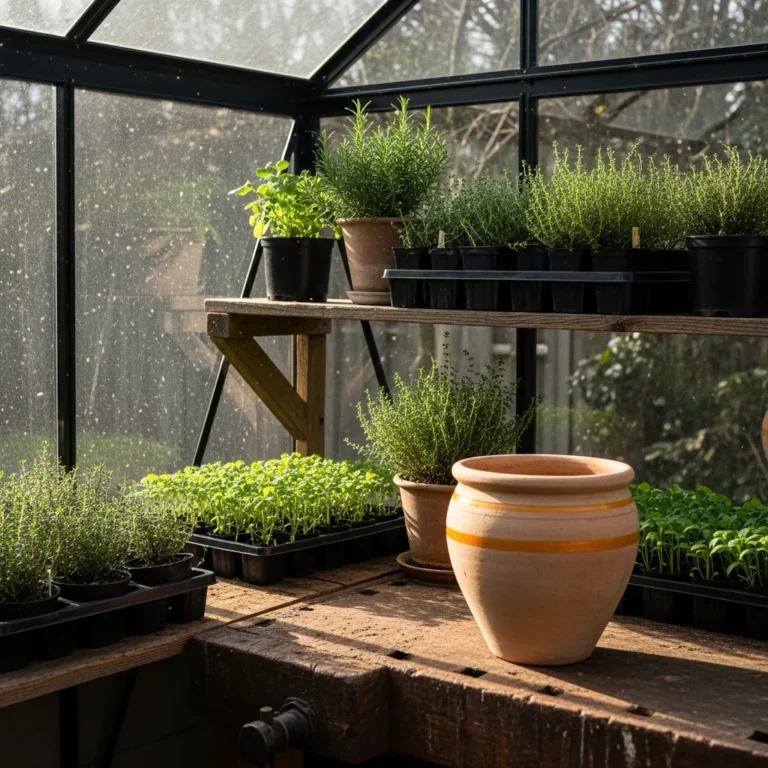
- Prioritize aromatic herbs: Many herbs, especially those native to the Mediterranean, have strong scents and oils that repel slugs. Consider planting Lavender, Rosemary, Thyme, Sage, and Oregano. These deter pests and add wonderful fragrance and flavor to your garden. Plant them in sunny, well-drained spots where they can thrive.
- Incorporate plants with natural toxins (with caution): Some plants, like Foxgloves (Digitalis), contain glycosides that are toxic to slugs. However, these can also be toxic to pets and humans. If you choose to grow them, ensure they are in areas inaccessible to pets or children, and always wash your hands after handling. The EPA regulates pesticides, and understanding plant toxicity is crucial for safety.
- Choose plants with strong root systems and woody stems: Established plants with well-developed root systems and woody structures are generally more resilient to slug damage. Think about shrubs, ornamental grasses, and perennials with tougher stems. These can often withstand some nibbling without significant harm.
- Consider plants that thrive in drier conditions: Slugs prefer moist environments. Plants that prefer drier soil, like succulents or many drought-tolerant perennials, may be less attractive targets. Ensure you choose plants suited to your garden’s light and water conditions to promote healthy growth.
- Group less resistant plants together and protect them: If you have specific plants you absolutely want to grow but know they are slug magnets (like hostas or certain vegetables), plant them in a contained area. This makes it easier to apply protective measures like barriers or traps around them. You can also place them near slug-resistant plants that act as a deterrent.
- Observe and adapt: After planting, monitor your garden regularly. Note which plants are consistently left alone and which are targeted. Gardening is an ongoing learning process. Use your observations to refine your plant choices in future seasons. Your local cooperative extension office can offer region-specific advice on plant resilience.
Common Misconceptions About Plants Slugs Won’t Touch
Myth: All plants with fuzzy leaves are automatically slug-proof.
Reality: While fuzzy or hairy textures often deter slugs because they make it difficult to chew or crawl, it’s not a universal guarantee. Some slugs might still nibble on fuzzy plants, especially if other food sources are scarce or the plant is very young and tender. Always consider the plant’s overall characteristics and your local slug pressure. Research from sources like Penn State Extension suggests texture is a significant deterrent but not foolproof.
Myth: If a plant is toxic, slugs will never eat it.
Reality: Toxicity can be a strong deterrent, but it’s not always absolute. Slugs have varying tolerances, and some may still attempt to eat toxic plants, especially if they are desperate or the toxin level is moderate. For example, while foxgloves are toxic, they are often listed as slug-resistant rather than entirely slug-proof. It’s crucial to remember that ‘toxic’ plants can pose a risk to pets and children, so caution is always advised.
Myth: Only unattractive plants are safe from slugs.
Reality: This is far from true! Many incredibly beautiful and ornamental plants are naturally unappealing to slugs and snails. Think of the elegant flowers of Aquilegia (Columbine), the lively blooms of hardy Geraniums, or the striking foliage of many ornamental grasses. You don’t have to sacrifice aesthetics for pest resistance. The goal is to find plants that are both beautiful and have characteristics slugs dislike.
Myth: Once a plant is established, slugs won’t bother it anymore.
Reality: While mature, strong plants are certainly less vulnerable than tender seedlings, slugs can still damage established plants. They often target the lower leaves or new shoots. If slug populations are very high, even larger plants can suffer noticeable damage. Continuous monitoring and appropriate management, even for established plants, is often necessary.
Myth: All native plants are naturally slug-resistant.
Reality: While many native plants have evolved defenses against local pests, this isn’t a hard and fast rule. Some native plants might be preferred food sources for certain native slug species. It’s more about specific plant characteristics (texture, chemical defenses, etc.) than simply being native. Always research individual plant species for their known pest resistance.
What to Track in Your Garden for Slug Resistance
Keeping an eye on a few key things in your garden can help you understand slug activity and the effectiveness of your plant choices. This observational data is also incredibly useful if you ever need to consult your local cooperative extension office.
- Plant selection: Keep a list of the plants you’ve chosen specifically for their slug-resistant qualities. Note where they are planted.
- Damage levels: Regularly inspect your plants for any signs of slug or snail damage (holes, slime trails). Rate the damage severity (e.g., none, minor, moderate, severe) for each plant type.
- Slug/snail sightings: Note the number of slugs and snails you see, and when you see them (time of day, after rain, dry spells). This helps identify peak activity times.
- Presence of predators: Observe if you see birds, toads, beneficial insects, or other natural predators that might be helping control slug populations.
- Moisture levels: Pay attention to how moist your garden soil stays, especially in the evenings and early mornings, as slugs thrive in damp conditions.
- New growth: Monitor new shoots and leaves closely, as these are the most vulnerable parts of a plant to slug damage.
- Plant health: Track the overall vigor and health of your plants. Healthy, well-established plants are generally more resilient.
- Effectiveness of deterrents: If you use any barriers or traps, note how effective they are and where they are placed.
Frequently Asked Questions About Slug-Resistant Plants
Are there any truly “slug-proof” plants?
While no plant is 100% guaranteed to be untouched by slugs in all conditions, many come very close. Plants with tough, leathery, fuzzy, or aromatic foliage are generally avoided. Examples include Lavender, Rosemary, Ferns, Ornamental Grasses, and Foxgloves. However, severe infestations or very tender young plants can sometimes be attacked.
Do slugs eat all types of hostas?
Unfortunately, hostas are a favorite food for slugs and snails. Their large, tender leaves are incredibly appealing. If you want to grow hostas, it’s best to choose varieties known to be more slug-resistant, or be prepared to implement protective measures like barriers or traps around them.
Which herbs are best for deterring slugs?
Many Mediterranean herbs are excellent choices. Lavender, Rosemary, Thyme, Sage, Oregano, and Mint are known for their strong scents and often woody or fuzzy textures that slugs tend to avoid. Planting these near more vulnerable plants can offer some protection.
Are ferns a good choice for slug resistance?
Yes, ferns are generally a great choice for gardens where slugs are a problem. Most ferns have foliage that is too tough and leathery for slugs to enjoy. They also prefer shady, moist conditions, which might be less appealing to slugs than areas with direct sun and rapidly drying soil.
What about plants with milky sap, like euphorbias?
Plants with a milky sap, like many Euphorbias, are often unpalatable to slugs. The sap can be irritating or toxic to them. However, note that this sap can also be a skin irritant for humans and pets, so handle these plants with care and keep them out of reach if necessary.
Can I use slug-resistant plants to protect my vegetable garden?
Absolutely. You can strategically plant slug-resistant species around the borders of your vegetable beds. Companion planting with aromatic herbs or plants with deterrent textures can help create a less inviting environment for slugs attempting to reach your vegetables. This is a natural form of pest control.
Are there any specific plants to avoid if I have pets?
Yes, some plants that are resistant to slugs can be toxic to pets. For instance, Foxgloves (Digitalis) contain cardiac glycosides. Lilies are also highly toxic to cats. Always check the ASPCA’s toxic plant list before introducing new plants to your garden, especially if you have curious pets.
Enjoying a More Slug-Resistant Garden
Building a garden that slugs tend to pass by is totally achievable. By choosing plants with textures and scents they dislike, you can significantly reduce damage and effort. Remember that even the most resistant plants might need a little extra protection during peak slug season or if populations are very high. Don’t be afraid to experiment and observe what works best in your unique garden space. If you’re ever unsure about plant identification, pest issues, or potential toxicity, reaching out to your local cooperative extension office or consulting resources like the ASPCA’s database is always a wise step.