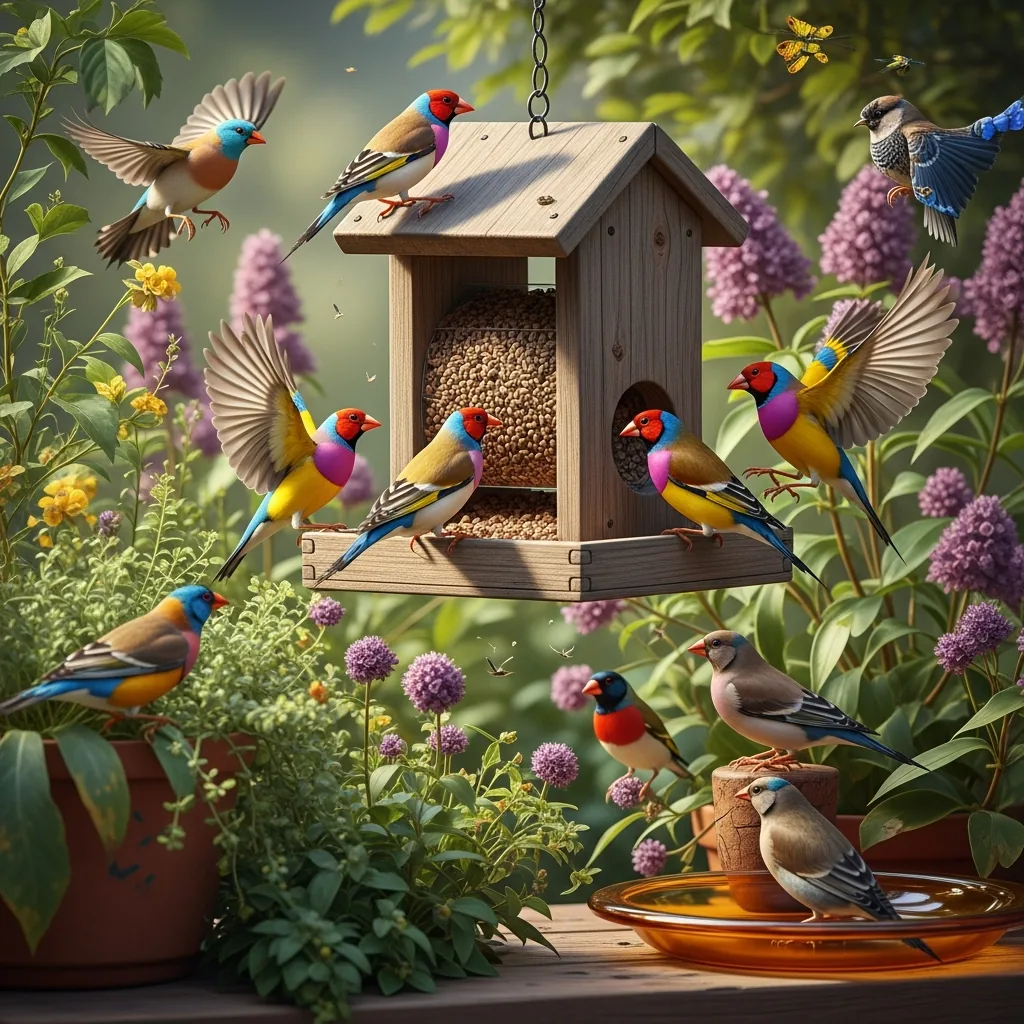
Quick Guide to Common Backyard Birds
Quick version: Common backyard birds include robins, sparrows, chickadees, finches, and woodpeckers. Robins sport red breasts and forage on the ground. Sparrows are small, often brown birds found in groups. Chickadees are tiny, active birds with black caps. Finches possess conical beaks for cracking seeds. Woodpeckers tap rhythmically on trees. To attract backyard birds, provide food from native plants and feeders, offer clean water, and create safe shelter. Understanding their behaviors, like nesting habits and feeding preferences, aids identification and appreciation (vegetable garden).
Spotting backyard birds can be a fun way to connect with nature right outside your door. But sometimes it’s tough to know who’s who among the flitting feathers. I’ve definitely confused a sparrow for a finch more times than I’d like to admit.
this guide covers help you identify common backyard birds. We’ll cover what to look for and how to make your yard more inviting for them. We won’t cover advanced ornithology or rare species identification, but we’ll give you a solid start.
Think of this as notes from my own garden, backed by reliable sources. We’ll focus on birds you’re most likely to see, making your next birdwatching hour more rewarding.
Why Watching Backyard Birds Matters
Honestly, the sight of birds darting through my garden fills me with immense joy. It’s a little splash of the wild in my day. But it offers more than just pleasant sights and sounds. Bird populations reveal much about our local environment’s health. A decline in certain backyard birds can signal broader ecological changes.
The US Fish and Wildlife Service highlights that migratory birds, many of whom visit our gardens, act as vital pollinators and seed dispersers. They also help control insect populations. Insectivorous birds, for instance, can significantly reduce garden pest numbers. According to the U.S. Department of Agriculture (USDA), birds play a critical role in maintaining healthy ecosystems. Their presence can indicate good air and water quality, alongside available food sources.
Learning to identify these frequent visitors deepens our appreciation for their roles. It also equips us to be better caretakers of our own small corner of nature. Greater understanding leads to better support for them, especially as habitats shift. Making our yards bird-friendly is a small but meaningful contribution.
When to Observe and When to Act
Determining if a bird is merely passing through or genuinely needs assistance can be difficult. I’ve certainly worried over fledglings that were simply learning to fly. Here’s a straightforward guide to help you decide.
Worth watching:
- A young bird out of the nest: Fledglings often appear a bit awkward and might spend a few days hopping on the ground as they master flight. Their parents usually remain nearby, continuing to feed them. Simply keep pets away and observe from a distance.
- A bird at a feeder or bird bath: This is normal behavior. Birds use these resources for sustenance and hydration. Ensure feeders are clean to prevent disease spread, as Penn State Extension advises.
- A bird perched quietly: Birds sometimes just rest. Unless it appears injured or faces immediate danger, it’s likely fine.
- A bird with unusual coloring (but no obvious injury): Some birds exhibit natural color variations or are molting. Unless these conditions impair movement or health, they typically aren’t cause for alarm.
- A bird you don’t recognize: This presents a fantastic learning opportunity! Use a field guide or app for identification.
Worth calling an expert:
- A bird with visible injuries: Look for broken wings, bleeding, or difficulty moving. In such cases, contact a local wildlife rehabilitator. Your state’s wildlife agency can help you find one.
- A bird that is lethargic or appears sick: Symptoms include ruffled feathers when not cold, unusual weakness, or discharge from the eyes or nostrils. This could indicate illness.
- A bird trapped or in immediate danger: If a bird is caught in netting, a chimney, or another hazardous situation, you may need assistance to free it safely.
- A bird exhibiting consistently strange behavior: While some oddities are normal, persistent, abnormal actions might signal illness or environmental problems.
- Suspected poisoning: If you suspect a bird has ingested poison (e.g., pesticides, toxic plants), contact your local veterinarian or a wildlife poison control center immediately.
How to Attract More Backyard Birds
- Provide a Water Source: Birds require water for drinking and bathing. A bird bath serves this purpose well. Keep it clean and full, especially during dry periods. Moving water, like a dripper or fountain, can be even more appealing. Clean it regularly to prevent disease transmission.
- Offer Food: Supplement natural food sources with bird feeders. Use several seeds, nuts, and suet. Native plants also serve as excellent food sources, offering berries, seeds, and attracting insects. The Clemson Extension provides excellent lists of native plants beneficial for birds.
- Plant Native Species: Native plants are essential. They provide natural food and shelter. Birds evolved alongside these plants and rely on them for berries, seeds, nectar, and the insects they consume. Consider planting native trees, shrubs, and flowers.
- Create Shelter: Birds need safe places to hide from predators and harsh weather. Dense shrubs, evergreen trees, and even brush piles offer refuge. Birdhouses can provide nesting sites, but ensure they are appropriately sized for the species you wish to attract.
- Avoid Pesticides: Chemical pesticides can harm birds directly or eliminate their insect food sources. Integrated Pest Management (IPM) strategies focus on natural controls. The University of Illinois Extension offers resources for managing pests without harmful chemicals.
- Keep Cats Indoors: Domestic cats pose a significant threat to bird populations. Keeping your cat indoors or in a secure outdoor enclosure protects both your pet and local wildlife.
Debunking Common Bird Myths
Myth: Always leave baby birds alone, even if they seem helpless.
Reality: While fledglings often need space, truly orphaned or injured young birds require intervention. If a baby bird is clearly injured, weak, or in immediate danger, it’s best to seek advice from a wildlife rehabilitator. The RSPCA (though based in the UK, their principles align with US wildlife rehab centers) advises against feeding or watering wild birds unless directed by an expert, as improper care can cause more harm.
Myth: You can always determine a bird’s gender by its appearance.
Reality: Sexual dimorphism, where males and females differ visually, is common but not universal. For many species, like robins or sparrows, males and females look very similar. Observing behavior or listening to songs might be necessary for differentiation, or you can consult a detailed field guide. Penn State Extension notes that behavioral differences often provide more reliable cues than visual ones for many species.
Myth: Feeding birds in winter is unnecessary because they find food easily.
Reality: Winter presents a critical challenge for birds. Natural food sources can become scarce due to snow and ice cover. Providing feeders with high-energy foods like suet and seeds can be crucial for survival during harsh weather. The RHS also recommends keeping feeders stocked during colder months.
Myth: All birds migrate south for the winter.
Reality: Migration patterns vary significantly. Some birds are year-round residents, some migrate vast distances, and others undertake shorter journeys. Many common backyard birds in the US, such as chickadees and cardinals, remain in their territories. Others, like certain warblers, travel thousands of miles. Understanding your local species’ habits is key.
Myth: You should offer only one type of birdseed.
Reality: Different birds have distinct food preferences. Black oil sunflower seeds attract a wide variety, while nyjer (thistle) seed is a favorite among finches. Offering a mix of seeds, nuts, and suet can attract a more diverse array of backyard birds. Consult resources like the University of Illinois Extension for specific bird food preferences.
What to Track for Better Identification
Maintaining a simple log can significantly enhance your bird identification skills. It helps you recognize patterns and provides valuable information if you ever need to consult an expert. Here’s what I focus on:
- Bird Size: Is it smaller than a sparrow, robin-sized, or larger like a crow? Comparing it to familiar birds is helpful.
- Main Colors and Markings: Note the dominant colors and any distinctive patterns, such as stripes, spots, or patches on the wings, head, or tail.
- Beak Shape: Is it short and conical (for seeds), long and thin (for insects), or hooked (for raptors)?
- Behavior: How does it move? Does it hop, walk, or climb? Does it forage on the ground, in trees, or at feeders?
- Song/Call: Even a basic description like ‘chirpy,’ ‘melodious,’ or ‘harsh squawk’ can offer clues. Recording sounds can also be useful.
- Location in Yard: Does it favor trees, shrubs, feeders, the ground, or water sources?
- Time of Year/Day: Are you observing it during breeding season, migration, or winter? Is it more active in the morning or evening?
- Flock Behavior: Is it solitary or does it travel with a group? What other species are present in the flock?
Frequently Asked Questions About Backyard Birds
What are the most common backyard birds in the US?
Some of the most frequently spotted backyard birds across the US include the American Robin, House Sparrow, Northern Cardinal, Blue Jay, Black-capped Chickadee, American Goldfinch, and Downy Woodpecker. Their presence often depends on your region and habitat, but these species are widespread and adaptable to human-modified landscapes.
How can I attract specific birds like hummingbirds or finches?
Attracting specific birds involves tailoring your garden to their needs. For hummingbirds, plant nectar-rich flowers like salvias and bee balm, and provide a hummingbird feeder with a sugar-water solution. For finches, offer niger (thistle) seed in specialized feeders and plant native plants with small seeds. Native plants are key for most species, providing food and shelter.
When is the best time of year to watch backyard birds?
Spring and fall migration seasons are often the most exciting times for birdwatching, as you may see species passing through that aren’t residents. However, year-round birdwatching offers consistent rewards. Winter can be excellent for spotting seed-eating birds at feeders, and summer is when many birds are nesting and raising young, showing a wide range of behaviors.
Are city birds different from country birds?
Yes, city birds often adapt to urban environments, sometimes developing different behaviors or diets than their rural counterparts. They might rely more on feeders or scavenge for human food. Species like pigeons, House Sparrows, and European Starlings are common in cities. However, many species can thrive in both environments if suitable resources like green spaces and water are available.
What should I do if I find a baby bird that has fallen from its nest?
If you find a baby bird, first determine if it’s a nestling (mostly featherless, unable to perch) or a fledgling (feathered, hopping). For nestlings, try to return them to their nest if possible. For fledglings, observe from a distance; parents are usually nearby. If the bird is injured or in danger, contact a local wildlife rehabilitator. Never try to feed or give water to a wild bird yourself.
How do I keep squirrels from raiding my bird feeders?
Squirrels can be persistent! Using squirrel-proof feeders, placing feeders on poles with baffles, or hanging feeders far from jump-off points can help. Some gardeners also find success with specific feeder designs or by offering squirrels their own separate food source away from the bird feeders, though this isn’t always effective.
Enjoy Your Feathered Neighbors
Observing backyard birds is a simple pleasure that connects us to the natural world. Even if you’re just beginning, identifying a few common species brings immense satisfaction. Remember, I’ve certainly misidentified birds myself, so don’t feel discouraged!
By offering food, water, and shelter, you’re not just enjoying the spectacle; you’re actively supporting local wildlife. If you ever encounter a bird that appears truly distressed or if you’re managing a complex pest issue, reach out to your local cooperative extension office for guidance. Happy birdwatching!