Quick Guide to Growing Potatoes
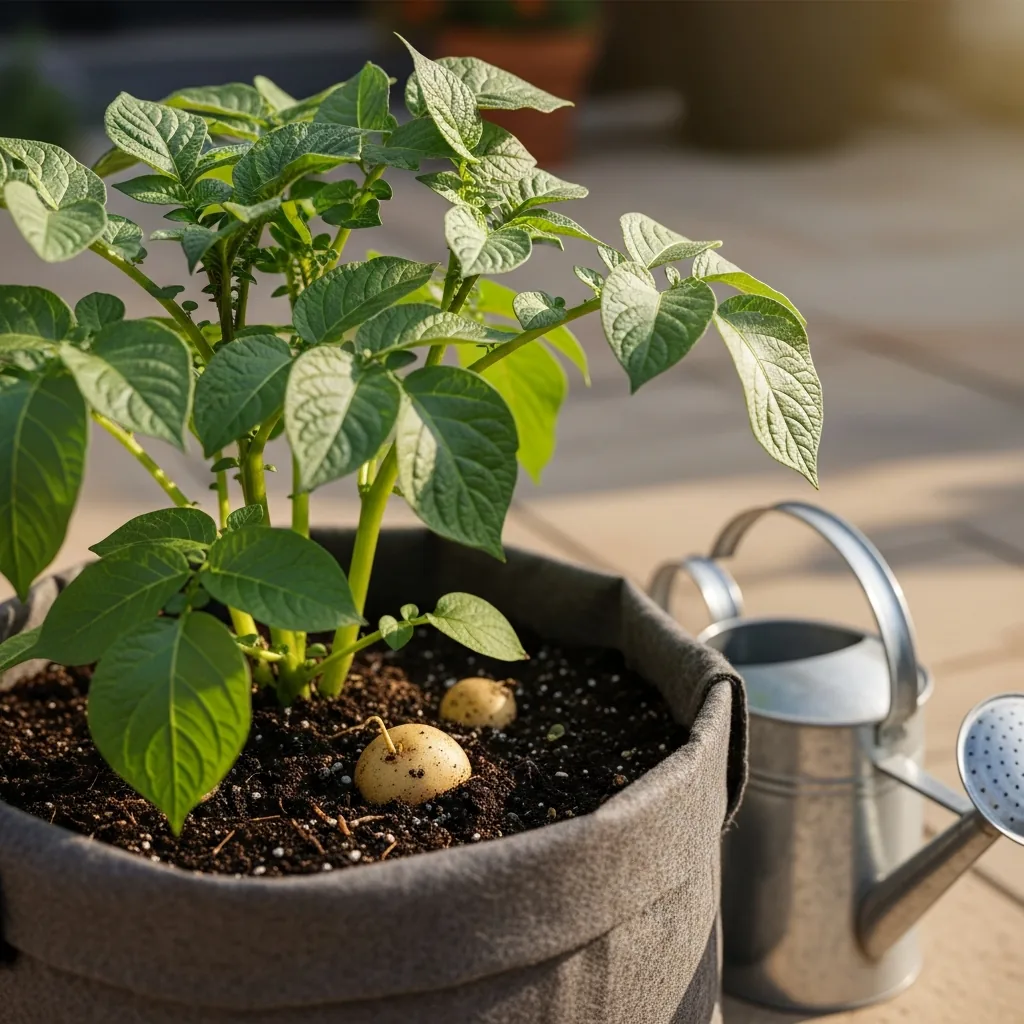
TL;DR: To grow potatoes, start with certified seed potatoes and plant them in well-draining soil or containers after the last frost. For bag growing, use large fabric bags filled with compost and soil. Plant seed potatoes about 4 inches deep, eye-side up. As plants grow, ‘earth up’ by adding more soil around the stems to encourage tuber development. Water regularly, especially during dry spells. Harvest first and second earlies in summer, and maincrops in fall. Avoid planting in the same spot yearly to prevent disease (vegetable garden).
Want to grow potatoes but don’t know where to start? You’re in the right place. I’ve definitely had my share of gardening fails, but growing potatoes has become a reliable win for me. The journey from a simple bag of seed potatoes to a satisfying harvest is pretty amazing. This guide covers everything you need to know to grow potatoes successfully in your backyard. We’ll talk about planting, care, and harvesting, whether you’re using bags, pots, or garden beds. I’m not a seasoned botanist, but I’ve learned a lot from trial and error, and from trusted university extension resources.
Why Growing Potatoes Matters for Your Garden
Growing your own potatoes is incredibly rewarding. You get to enjoy fresh, delicious tubers right from your garden. Plus, you can try varieties you’ll never find in the grocery store. Potatoes are surprisingly versatile for home cooks. They can be grown in many spaces, even containers on a patio. This means almost anyone can try their hand at growing them. The USDA even notes that growing your own food can contribute to food security and a healthier diet. It’s a fantastic way to connect with your food source. You’ll learn so much just by observing your plants grow. The satisfaction of harvesting your own crop is hard to beat.
The fact that you looked this up means your garden is in good hands. Potatoes are a staple crop for a reason. They’re relatively easy to grow and provide a significant harvest. Learning to grow potatoes opens up a whole new world of fresh produce. It’s a great starting point for new gardeners.
When to Wait and When to Act for Potato Growth
Worth watching:
- Seed potato sprouts are about 1 inch long and sturdy.
- Soil temperature consistently reaches 50°F (10°C) after the last frost date.
- Plants are about 8 inches tall and ready for their first ‘earthing up’.
- Leaves show slight yellowing or browning, indicating maturity for maincrop varieties.
- You notice small tubers forming when gently probing the soil near the plant base.
Worth calling an expert:
- Suspected potato blight (dark spots on leaves, wilting).
- Stunted growth with yellowing leaves, potentially indicating soilborne diseases or poor nutrient uptake.
- Evidence of significant pest infestation, like widespread slug damage or unusual insects.
- Uncertainty about plant identification, especially if considering any chemical treatments.
- Concerns about soil contamination in areas with a history of industrial use.
Step-by-Step Guide to Grow Potatoes
- Prepare Your Seed Potatoes: About 4-6 weeks before planting, ‘chit’ your seed potatoes. Place them in a single layer in an egg carton or shallow tray. Keep them in a cool, bright spot (around 50-60°F or 10-15°C). This encourages short, stubby sprouts to form, giving them a head start. Don’t use old potatoes from your kitchen; they won’t produce reliable crops.
- Choose Your Planting Method: You can grow potatoes in the ground, raised beds, large containers, or specialized potato growing bags. For bags, select ones at least 10-15 gallons in size with good drainage. If planting in the ground, choose a sunny spot with well-dug soil, amended with compost. Aim for a location where potatoes haven’t been grown for at least 3-4 years to avoid disease buildup.
- Planting Time: Plant your seed potatoes after the danger of frost has passed and the soil temperature is at least 50°F (10°C). For first earlies, this is typically mid-March to April. Second earlies can go in a couple of weeks later. Maincrops are usually planted from late April to early May. Space them about 12-15 inches apart in rows that are 2-3 feet apart. Plant them about 4 inches deep, with the sprouts facing upwards.
- ‘Earthing Up’ is Key: As your potato plants grow to about 8 inches tall, it’s time to ‘earth them up’. Mound soil, compost, or straw around the base of the stems, covering about half of the plant. This encourages more tubers to form along the buried stems and protects developing potatoes from sunlight, which can cause them to turn green and produce solanine. Repeat this process every few weeks as the plants grow taller, until the plants are about 18 inches tall or you’re nearing the final hilling.
- Watering and Weeding: Keep the soil consistently moist, especially during dry periods and when the tubers are forming. Aim for about 1-2 inches of water per week. Avoid overhead watering if possible, as wet foliage can encourage disease. Keep the area around your potato plants free of weeds, as they compete for water and nutrients. Mulching can help retain soil moisture and suppress weeds.
- Harvesting Your Crop: For first and second early potatoes, you can start harvesting about 2-3 weeks after the plants flower, or when the tubers reach your desired size. Gently dig around the base of the plant to check. Maincrop potatoes are ready to harvest from late summer through fall, typically when the foliage begins to yellow and die back. Harvest on a dry day for best storage. Carefully dig them up with a fork or spade, being careful not to damage the tubers.
Common Misconceptions About Growing Potatoes
Myth: You can grow potatoes from regular grocery store potatoes.
Reality: While you might get some growth, grocery store potatoes are often treated to prevent sprouting and may carry diseases. For reliable harvests and healthy plants, it’s best to use certified seed potatoes. These are specifically grown for planting and are disease-free, ensuring better results, as recommended by university extension services.
Myth: Potatoes need very rich, heavily fertilized soil.
Reality: Potatoes prefer well-drained soil with many organic matter, like compost, but excessive nitrogen fertilizer can lead to lush foliage at the expense of tuber development. Too much nitrogen can also make tubers more susceptible to disease. A balanced fertilizer or focusing on compost is usually sufficient.
Myth: You only need to plant potatoes once.
Reality: Potatoes are typically grown from ‘seed potatoes’ which are actually small tubers, not true seeds. These are planted each season. You don’t save and replant tubers from your harvest because they might carry diseases or not produce true-to-type crops. Using fresh seed potatoes each year is crucial for success.
Myth: Green potatoes are safe to eat if you cut the green part off.
Reality: Green potatoes contain solanine, a toxic compound that develops when tubers are exposed to light. While cutting off the green part removes some solanine, it may not remove all of it. It’s safest to discard any potatoes that have turned green, as solanine can cause digestive upset and other health issues. The EPA advises caution with homegrown produce.
What to Track for Your Potato Crop
- Planting Date: Note when you plant your seed potatoes for each variety.
- Sprout Length: Track the length and sturdiness of sprouts during chitting.
- Soil Temperature: Record when the soil consistently reaches 50°F (10°C).
- Plant Height: Measure plant height before and after ‘earthing up’.
- Earthing Up Dates: Log each time you add soil around the stems.
- Watering Frequency: Keep a record of how often and how much you water.
- Flowering Time: Note when plants begin to flower; this indicates early harvest readiness.
- Tuber Size: Gently probe the soil to check tuber development and size.
- Foliage Condition: Observe for signs of yellowing, browning, or disease.
- Harvest Date: Record when you harvest each variety.
Frequently Asked Questions About Growing Potatoes
When is the best time to plant potatoes?
The best time to plant potatoes is after the last frost in your area, when soil temperatures have consistently reached at least 50°F (10°C). For most regions in the US, this falls between mid-March and early May, depending on your specific hardiness zone. Planting too early can expose young plants to frost damage.
How many potatoes can I expect from one seed potato?
One seed potato can produce a surprising number of new tubers. Typically, you can expect anywhere from 5 to 15 potatoes per plant, depending on the variety, soil conditions, and care provided. Some larger varieties or well-cared-for plants might yield even more.
Can I grow potatoes in containers if I don’t have a garden?
Yes, absolutely! Potatoes are fantastic for container gardening. You can use large pots, grow bags, or even old buckets, as long as they are at least 10-15 gallons in size and have drainage holes. This method is perfect for patios, balconies, or small spaces. Just ensure you use a good quality potting mix and water regularly.
What does ‘earthing up’ potatoes mean?
‘Earthing up’ is a crucial step where you mound soil, compost, or straw around the base of the growing potato plant. This is done as the plant grows taller. It encourages the development of more tubers along the buried stem and protects the developing potatoes from sunlight, preventing them from turning green and toxic.
How do I know when my potatoes are ready to harvest?
For early varieties, you can gently dig around the base of the plant a few weeks after flowering to check tuber size. Maincrop varieties are usually ready when the foliage starts to yellow and die back, typically from late summer into fall. Harvesting on a dry day will help them store better.
What are the common diseases that affect potatoes?
Common diseases include potato blight, which can cause rapid wilting and dark lesions on leaves and tubers. Others include various fungal and bacterial rots. Crop rotation, using certified seed potatoes, and avoiding planting in overly wet conditions are key preventive measures. The University of Minnesota Extension offers great resources on managing potato diseases.
Enjoying Your Homegrown Potatoes
Growing potatoes is a truly satisfying gardening experience. From planting those humble seed potatoes to harvesting a bounty of delicious tubers, it’s a journey worth taking. Remember to choose certified seed potatoes, provide good soil, and ‘earth up’ diligently. Don’t be afraid to experiment with different varieties! If you encounter persistent problems or are unsure about a specific issue, reaching out to your local cooperative extension office is always a smart move. Happy growing!