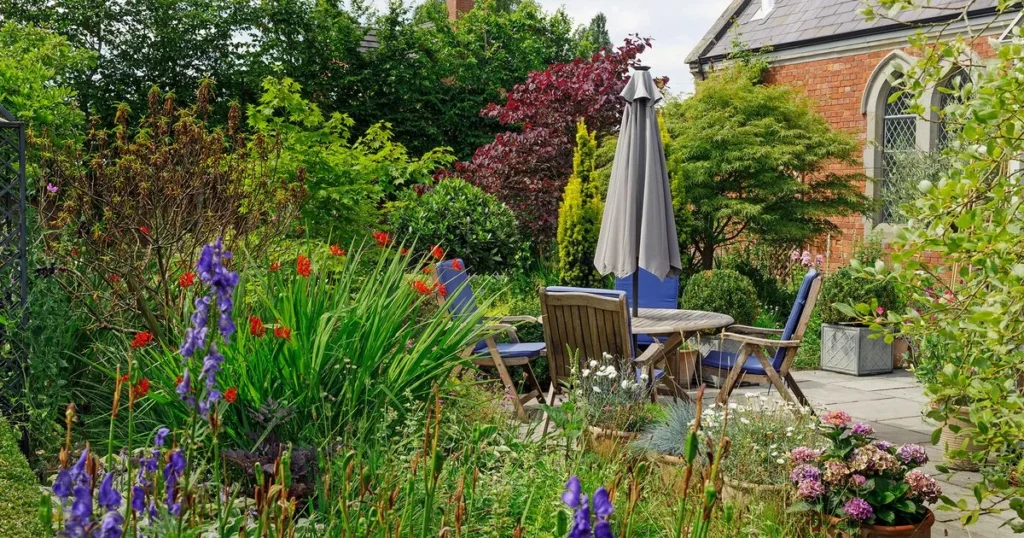
Quick Garden Design Tips
Quick version: Effective garden design starts with understanding your space and goals. Map out areas for planting, seating, and pathways. Consider sun exposure and soil type when choosing plants for your garden design. Think about year-round interest and how different elements will work together. A good garden design balances beauty with function. It should be a space you enjoy spending time in. Don’t be afraid to experiment. Start small and build over time. Planning is key to a successful garden design, and this approach will help you create a space you’ll love.
So, you want to create a beautiful backyard garden? Figuring out the best garden design can feel overwhelming. I’ve definitely been there, staring at a blank space and wondering where to even start.
This guide is here to help you handle the basics of garden design. We’ll cover how to plan your space, choose the right plants, and think about long-term care. You don’t need to be a landscape architect to make your garden dreams a reality.
We’ll focus on practical tips for the home gardener. This isn’t about complex horticultural science, but about making your yard a place you love. We’ll cover basic layouts, plant selection, and common pitfalls. We won’t cover advanced topics like irrigation system design or professional landscape architecture, but we’ll get you well on your way.
Why Garden Design Matters for Your Backyard
A well-designed garden is more than just pretty plants. It’s about creating a functional outdoor space that fits your lifestyle. Think about how you want to use your yard. Do you want a place for kids to play? A quiet spot for reading? Or maybe an area for entertaining friends? Your garden design choices directly impact these possibilities.
Good design also considers the environment. It can help manage water runoff and support local wildlife. The U.S. Environmental Protection Agency (EPA) notes that thoughtful landscape design can improve air and water quality. For example, planting trees and shrubs can reduce energy costs by shading your home. This also helps improve local air quality.
I learned this the expensive way with my first garden. I just threw plants in wherever they seemed to fit. It looked chaotic and wasn’t very enjoyable. Later, I realized that a little planning went a long way. It saved me time, money, and many frustration. Understanding the basics of garden design helps you avoid common mistakes and create a space you’ll love for years to come.
When to Plan and When to Call an Expert
Most garden design decisions are things you can tackle yourself. Planning your layout, selecting plants for your climate, and deciding on pathways are all within your reach. However, some situations require professional input. Knowing the difference helps you save time and money. It also ensures safety and the best possible outcome for your garden project.
Worth planning yourself:
- Basic Layout Sketch: Draw a simple map of your yard. Note existing features like trees, fences, and house placement. Mark sunny and shady areas. This helps visualize potential garden beds, patios, or seating areas.
- Plant Selection Based on Conditions: Research plants that thrive in your USDA hardiness zone. Consider their mature size, sunlight needs, and water requirements. University extension websites are great resources for this information.
- Pathways and Seating Areas: Decide on the flow of your garden. Where will people walk? Where will you sit? Simple gravel or mulch paths are easy DIY projects.
- Adding Mulch or Compost: Improving your soil is a key design element. Adding organic matter is something most gardeners can do themselves. This improves soil structure and fertility.
- Seasonal Interest: Plan for color and texture throughout the year. Choose plants that bloom or provide visual interest in different seasons.
- Small Raised Beds: Building simple raised beds for vegetables or flowers is a manageable DIY task for many gardeners.
Worth calling an expert:
- Large Tree Removal or Pruning Near Structures: If you have large trees close to your house or other structures, consult an ISA-certified arborist. They have the expertise to assess tree health and perform safe removal or structural pruning. Improper work can cause significant damage or injury.
- Suspected Soil Contamination: If you suspect your soil might be contaminated (e.g., near old industrial sites or heavy traffic areas), contact your local cooperative extension office. They can guide you on soil testing and potential remediation. The U.S. Department of Agriculture (USDA) also provides resources on soil health.
- Complex Drainage Issues: If your yard has persistent standing water or severe erosion problems, a landscape architect or specialized contractor might be needed. They can design effective drainage solutions. The University of Massachusetts Extension offers guidance on sediment and erosion control.
- Extensive Hardscaping: For elaborate patios, retaining walls, or complex irrigation systems, professional design and installation are often recommended.
- Identifying Potentially Invasive Species: If you find a plant you can’t identify and suspect it might be an invasive species, contact your local extension office. They can help with identification and control strategies. The USDA’s Animal and Plant Health Inspection Service (APHIS) also tracks invasive species.
Step-by-Step Garden Design for Beginners
- Assess Your Site: Start by observing your yard throughout the day. Note how sunlight moves across the space. Identify areas that are full sun, partial shade, or full shade. Also, check for existing features like mature trees, slopes, or drainage patterns. This initial assessment is crucial for making informed design choices. It helps you understand the canvas you’re working with.
- Define Your Goals: What do you want from your garden? Think about function and aesthetics. Do you need play space for kids? A place for outdoor dining? A quiet reading nook? List your priorities. This helps shape the layout and plant selection. A clear vision prevents later regrets.
- Sketch a Basic Layout: On paper or digitally, draw a simple plan of your yard. Include the house, fences, and any existing large plants. Then, block out areas for different uses: planting beds, lawn, pathways, seating areas. Don’t worry about perfection at this stage. Focus on how you want to move through and use the space.
- Choose Your Plants Wisely: This is where the fun really begins! Select plants suited to your site conditions (sun, shade, soil type) and your climate zone. Visit your local nursery or consult university extension resources for recommendations. Consider mature plant size to avoid overcrowding. Think about bloom times for continuous color. The Penn State Extension offers insights into intelligent garden design choices.
- Plan for Pathways and Access: How will you move around your garden? Design clear pathways that connect different areas. Consider materials like gravel, mulch, or stepping stones. Pathways guide movement and add structure and visual interest to your design. Ensure they are wide enough for comfortable passage, especially if you plan to use a wheelbarrow.
- Incorporate Hardscaping Elements: These are the non-living elements like patios, decks, walls, or water features. Decide if you need these elements to support your goals. Keep them in scale with your yard. For smaller projects like a simple patio or a small raised bed, you can often DIY. For larger or more complex structures, professional help might be better.
- Consider Maintenance: Be realistic about how much time you have for garden upkeep. Choose plants and a design that matches your available time. Low-maintenance designs often involve thoughtful plant selection and efficient use of mulch. Good design can actually reduce the workload over time.
Common Garden Design Myths Debunked
Myth: You need a huge yard to have a beautiful garden design.
Reality: Small spaces can be incredibly charming and functional with smart garden design. Container gardening, vertical planting, and careful plant selection can make even the tiniest balcony or patio feel lush. Focus on maximizing the space you have with multi-functional elements and vertical interest.
Myth: Garden design is a one-time project.
Reality: Gardens are living, evolving entities. Your garden design should be flexible and adaptable. Plants grow, seasons change, and your needs might shift. Be open to tweaking your design over time. It’s a continuous process of learning and adjusting.
Myth: You must have a formal, symmetrical layout for a garden to look good.
Reality: Many beautiful gardens embrace asymmetry and a more naturalistic style. A relaxed, informal design can feel more welcoming and less rigid. The key is balance, not necessarily mirroring elements. Consider your personal preference and the surrounding landscape.
Myth: Only expensive plants create a stunning garden design.
Reality: Thoughtful plant combinations and good design principles are more important than cost. Many beautiful and effective plants are quite affordable. Focus on plant health, mature size, and suitability for your conditions. Combining a few statement plants with more common, reliable ones can be very effective.
Myth: You need to hire a professional designer for any significant garden work.
Reality: While professionals are valuable for complex projects, many aspects of garden design are manageable for the home gardener. With good resources and a willingness to learn, you can create a wonderful space. Start with smaller projects and build your confidence. Your local cooperative extension is a great starting point for advice.
What to Track in Your Garden Design
Keeping notes on your garden’s performance is super helpful. It helps you understand what’s working and what’s not. This information is gold when you need to make adjustments or consult an expert. Think of it as your garden’s diary. It helps you learn from your experiences and improve your design over time.
- Sunlight Patterns: Note which areas get full sun (6+ hours direct sun), part sun/shade (3-6 hours), or full shade (less than 3 hours) throughout the day and seasons.
- Plant Performance: Record which plants are thriving, struggling, or spreading too much. Note bloom times, pest issues, or disease problems.
- Soil Moisture Levels: Observe how quickly the soil dries out in different areas after watering or rain. This helps adjust watering schedules.
- Drainage: Pay attention to areas where water pools after rain. Note how long it takes for the water to recede.
- Growth Rates: Track how quickly plants are growing. This is important for understanding if they are in the right spot and for future pruning needs.
- Pest and Disease Incidence: Note any signs of pests or diseases and when they appear. Early detection is key to managing them.
- Your Own Enjoyment: Honestly assess which areas or features you enjoy the most and least. Your personal experience is a vital part of successful garden design.
Frequently Asked Questions About Garden Design
What’s the first step in garden design?
The very first step is to assess your site and define your goals. Understand your yard’s conditions like sunlight and shade patterns. Then, decide what you want to achieve with your garden. Do you want a relaxing retreat, a play area, or a space for growing food? This foundational step guides all subsequent design decisions.
How do I choose plants for my garden design?
Select plants that are well-suited to your specific climate zone and site conditions. Consider sunlight, soil type, and moisture availability. Research plants’ mature sizes to ensure they won’t overcrowd your space. University extension services are excellent resources for plant recommendations tailored to your region.
How can I make my small garden design feel bigger?
Use vertical space by incorporating trellises, wall planters, or hanging baskets. Employ light colors in planting and hardscaping to create an illusion of spaciousness. Keep pathways flowing and avoid clutter. Strategic placement of mirrors can also create a sense of depth. A well-designed small garden feels intentional and inviting.
What role does mulch play in garden design?
Mulch is essential for both aesthetics and function in garden design. It suppresses weeds, conserves soil moisture, and regulates soil temperature. A layer of mulch also unifies planting beds, giving them a finished, tidy appearance. Choose a mulch that complements your overall garden style, whether it’s wood chips, shredded bark, or compost.
How often should I update my garden design?
Gardens are dynamic, so expect to make adjustments. While major overhauls aren’t always necessary, plan for minor updates annually or biannually. This might involve replacing struggling plants, refining pathways, or adding new features based on your evolving needs and observations. Consistent, small tweaks often lead to the best long-term results.
Is it okay to mix different garden design styles?
Absolutely! Many of the most interesting gardens blend elements from different styles. The key is to do it intentionally and maintain a sense of cohesion. You can unify diverse elements with a consistent color palette, material choices, or by ensuring a clear flow between different zones. Don’t be afraid to express your personal taste.
Where can I find inspiration for garden design?
Inspiration is everywhere! Look at local botanical gardens, public parks, and well-maintained neighborhood yards. Browse gardening magazines, websites, and books. Even looking at nature itself can spark ideas for plant combinations and layouts. The National Park Service offers insights into design elements that can be applied to various landscapes.
Your Garden Design Journey
Creating a garden design you love takes a little thought and planning. It’s a journey, not a destination, and your garden will evolve over time. Don’t be afraid to start small and learn as you go. Remember those moments when I thought I’d killed another plant? That’s part of the process!
Focus on understanding your space and your goals. Choose plants that will thrive in your conditions. And if you encounter challenges, especially those involving large trees or potential soil issues, don’t hesitate to reach out to the experts. Your cooperative extension office or a certified arborist can provide invaluable guidance.