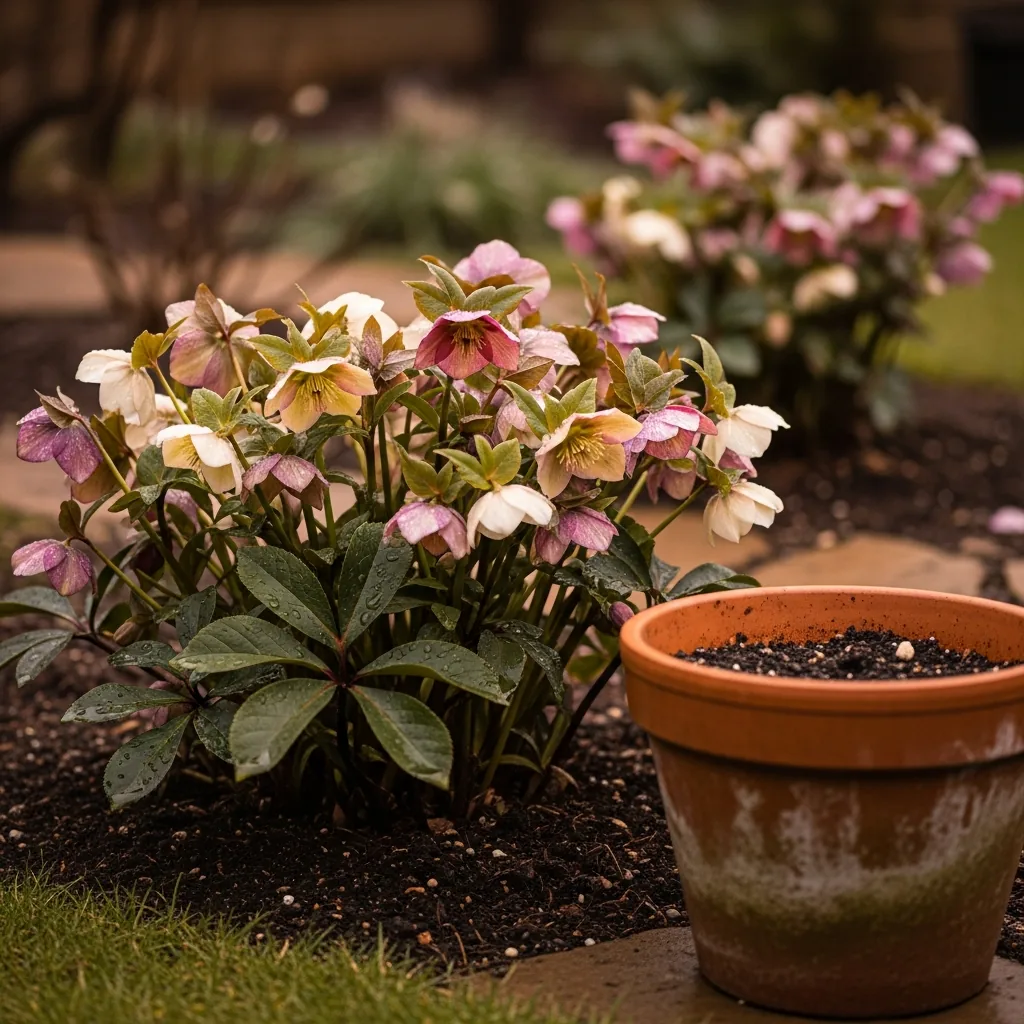
Quick Hellebore Care Overview
In brief: Proper hellebore care involves tidying up old foliage in late fall or early winter. This helps prevent fungal diseases like hellebore leaf spot, which can spread on old leaves. Cutting back the old growth also makes the beautiful winter flowers more visible. Wear gloves when you prune, as the sap can irritate skin. Don’t compost diseased material; bag it or burn it. This simple maintenance ensures healthier plants and better blooms come winter. For specific disease identification or severe issues, consult your local cooperative extension (vegetable garden).
Can we talk about hellebore care? These winter bloomers are such a treat when everything else is dormant. I used to just let mine do their thing. Then I noticed some brown spots and fewer flowers. Turns out, a little winter attention makes a huge difference. This guide covers the basics of hellebore care for the home gardener. We’ll focus on tidying up your plants and preventing common issues. It’s not about fancy botanical terms, but practical steps that actually work. I’ll share what I’ve learned from experience and reliable sources.
Why Hellebore Care Matters for Your Garden
Hellebores, often called Lenten roses or Christmas roses, are a gardener’s delight. They bravely bloom in the coldest months. But they aren’t completely maintenance-free. Neglecting them can lead to problems. The most common issue is hellebore leaf spot, a fungal disease. This disease thrives on old, damp foliage. If left unchecked, it can spread rapidly. It mars the leaves and can even affect the flowers. The University of Illinois Extension notes that removing old leaves is a key preventative measure against this fungal issue. They also mention that new foliage emerges in spring, providing a fresh backdrop for the blooms. Good hellebore care ensures your plants look good all year. It also helps them thrive and produce those stunning winter flowers you love.
When to Tend to Your Hellebores
Worth tidying now:
- Brown or tattered leaves in late fall or early winter. These are past their prime and can harbor disease.
- Plants where you see any signs of brown or black spots on leaves or flowers. This could indicate fungal issues.
- If you want to better see your emerging flowers. Cutting back old growth makes blooms stand out clearly.
- Plants showing signs of slug or snail damage on foliage. Removing damaged leaves reduces hiding spots.
Worth calling an expert:
- Suspected widespread fungal infection across many plants. Your local cooperative extension can help identify specific pathogens.
- If you notice unusual wilting that doesn’t improve after watering. This could signal root rot or other serious issues.
- If you’re unsure about plant identification. Some plants look similar, and misidentification can lead to wrong treatments.
- Concerns about plant toxicity for pets or children. Always check with the ASPCA poison control center for specific plant risks.
Step-by-Step Hellebore Pruning Guide
- Gather your tools. You’ll need clean, sharp secateurs or garden snips and a sturdy pair of gloves. The sap from hellebores can irritate skin.
- Inspect your plants. Look for any dead, damaged, or diseased leaves. Focus on the older, outer foliage that’s been present all year.
- Start cutting. Cut each leaf stem right at the base of the plant. Aim to remove about two-thirds to three-quarters of the old foliage.
- Remove any spotted leaves. If you see brown or black spots, cut those leaves away. This is crucial for preventing disease spread.
- Dispose of the cuttings properly. Bag up all the removed foliage. Do not put it in your compost bin, especially if disease was present. Bin it or burn it, following local regulations.
- Mulch lightly. After tidying, you can add a light layer of mulch around the base. This helps retain moisture and suppress weeds. Use compost or shredded bark.
- Wait for new growth. New, fresh green leaves will emerge in the spring. They’ll provide a lovely backdrop for your hellebore flowers.
Hellebore Care Myths Debunked
Myth: You don’t need to cut back hellebore leaves; they’ll just die back naturally.
Reality: While some leaves do die back, leaving all the old foliage can promote fungal diseases like hellebore leaf spot. The Royal Horticultural Society (RHS) recommends removing the old leaves annually to keep plants healthy and improve air circulation. This also makes the flowers more visible.
Myth: Hellebore sap is harmless.
Reality: The sap of hellebores can be a skin irritant for many. It’s always best to wear gloves when handling the plants, especially when pruning or cutting stems. This is a simple precaution to avoid potential discomfort.
Myth: Diseased hellebore leaves can go in the garden compost.
Reality: If your hellebores show signs of fungal spots, composting the infected leaves can spread the disease throughout your garden. It’s safer to dispose of diseased material in the trash or by burning it, if permitted in your area.
Myth: Hellebores are only for shady spots.
Reality: While hellebores do well in partial shade, many varieties can tolerate more sun, especially in cooler climates. They often prefer morning sun and afternoon shade. Ensure good moisture levels if planting in a sunnier spot.
What to Observe in Your Hellebores
- Leaf condition: Look for brown or black spots, yellowing, or general tattering. Note the extent of any spotting.
- Flower emergence: Track when buds first appear and when flowers open. Note the number of blooms.
- New growth: Observe when fresh, lively green leaves start to emerge in spring.
- Pest activity: Keep an eye out for slugs, snails, or aphids on new growth or flowers.
- Moisture levels: Check the soil around the base of the plant, especially during dry spells. Aim for consistently moist, but not waterlogged, soil.
- Sun exposure: Note how much direct sun the plant receives throughout the day and year.
- Overall plant vigor: Assess if the plant looks healthy and is growing well each season.
Frequently Asked Questions About Hellebores
When is the best time to prune hellebores?
The ideal time for pruning hellebores is late fall or early winter, before they start their main flowering period. This tidies them up, making the blooms more visible and helping to prevent disease. It’s a simple step that really pays off.
Can I propagate hellebores?
Yes, you can propagate hellebores by division or by seed. Division is best done in early spring or fall when the plant is actively growing. Collect seeds as soon as they ripen in late spring or early summer and sow them fresh. Remember, seedlings may take a couple of years to flower.
What kind of soil do hellebores prefer?
Hellebores thrive in well-drained, humus-rich soil. They prefer a slightly alkaline to neutral pH. Adding compost or well-rotted manure when planting can greatly improve soil structure and fertility, which they appreciate.
Are hellebores poisonous to pets?
Yes, hellebores contain compounds that can be toxic if ingested by pets. Symptoms can include vomiting, diarrhea, and lethargy. It’s important to check the ASPCA’s toxic plant list if you have concerns about your pets interacting with your garden plants.
How often should I water my hellebores?
Hellebores prefer consistently moist soil, but they don’t like to be waterlogged. Water them thoroughly when the top inch of soil feels dry. This is especially important during dry periods in summer and when the plant is establishing.
Why are my hellebore flowers drooping?
Drooping flowers can be caused by several things. Extreme heat or lack of water is a common culprit. They might also droop if they are heavily infected with a fungal disease. Check the soil moisture and look for signs of disease on the leaves.