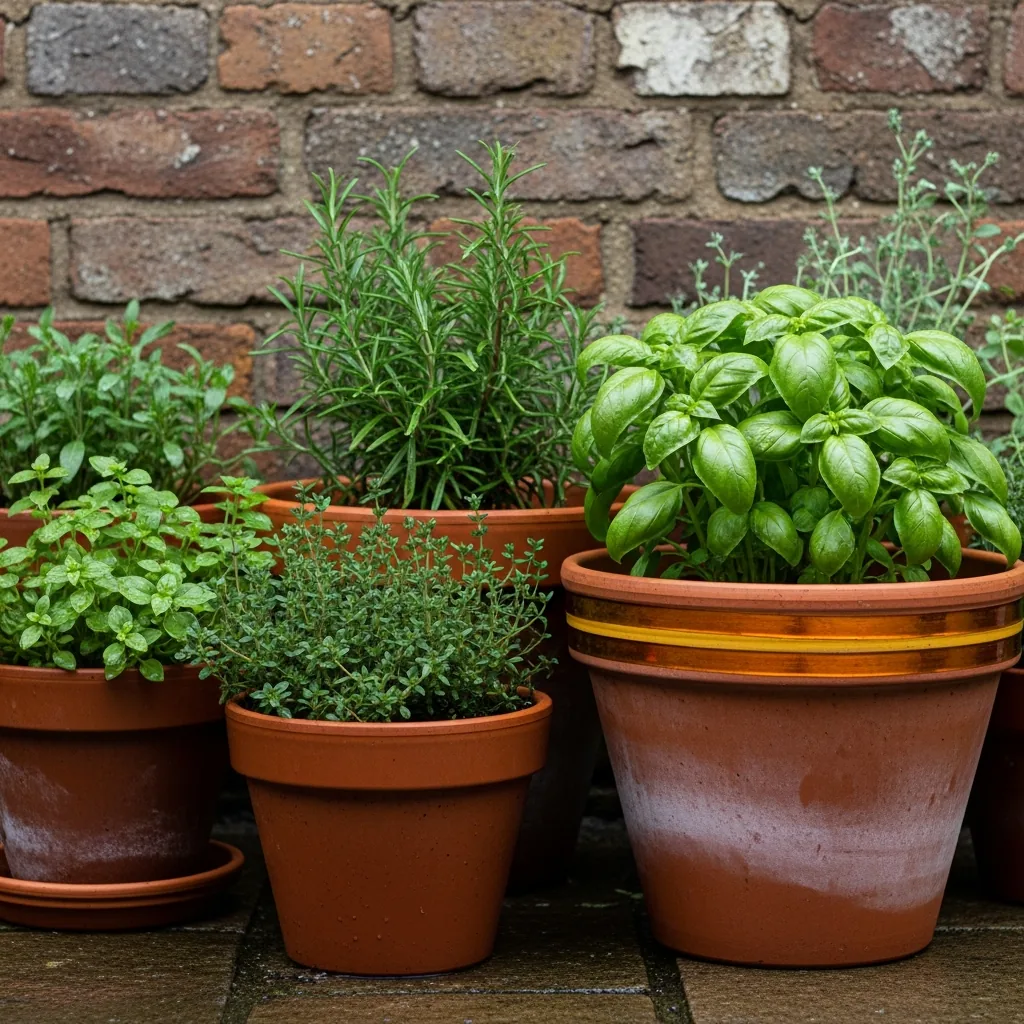
Quick Guide to Cold Snap Herb Protection (vegetable garden)
Quick version: Protecting herbs from a cold snap involves understanding their specific needs. For tender annuals like basil, bring them indoors to a sunny, frost-free spot. For hardy perennials in pots, move them to a sheltered location, away from direct rain and wind. Raising pots off the ground prevents waterlogging and frost cracks in terracotta. Use horticultural fleece for extra insulation during severe freezes. Monitor soil moisture carefully; wet roots are often more damaging than cold. Don’t prune too heavily before winter. Know when to seek expert advice for severe damage or suspected toxicity.
A sudden cold snap can really stress out your garden. I’ve lost more than a few plants to unexpected freezes. Protecting your herbs is key to a successful harvest. This guide focuses on practical steps for backyard gardeners. We’ll cover how to shield your leafy friends from frost and harsh winter weather. You’ll learn what to do and when to call for help. We won’t cover complex botanical classifications or large-scale commercial farming techniques.
Why Protecting Herbs During a Cold Snap Matters
As backyard gardeners, we pour our hearts (and sometimes our budgets) into our plants. Losing herbs to a sudden cold snap feels like a personal failure. It’s frustrating to see weeks of growth undone by a few nights of freezing temperatures. Many common culinary herbs, like basil and rosemary, are not as hardy as we might hope. They can suffer significant damage or even die if left unprotected. This isn’t just about saving a few leaves; it’s about preserving your investment of time and effort. A well-protected herb garden means a continuous supply of fresh flavors for your kitchen throughout the year. It also prevents the need to constantly replace plants, saving money and reducing gardening stress.
The key is understanding that not all herbs are created equal for cold tolerance. Tender annuals and even some perennial varieties grown in containers are particularly vulnerable. Container plants have less insulation than those in the ground. Their roots are closer to the freezing air temperature. I learned this the expensive way with my first potted mint; it looked fine until a late frost hit. The University of Illinois Extension notes that even hardy herbs can struggle in containers if not properly managed during winter. They often need more protection than their in-ground counterparts.
Wait and Watch vs. Call an Expert During a Cold Snap
When a cold snap hits, it’s easy to panic. But knowing what signals require immediate action versus what can be monitored is crucial. Here’s a breakdown to help you triage your herb garden.
Worth watching:
- Slight wilting or leaf droop after a frost: Many herbs will perk up once temperatures rise and they thaw.
- Leaf edges turning brown or crispy: This often indicates minor frost damage on exposed leaves. New growth may emerge from healthier parts of the plant.
- Yellowing leaves on tender herbs: If basil or parsley show yellowing after a cold spell, it might be stress. Monitor for signs of rot or complete collapse.
- Surface ice on soil in pots: This is usually not a major issue if drainage is good. Let it thaw naturally.
- A thin layer of frost on foliage: Light frosts can sometimes be tolerated by hardier herbs, especially if they are protected quickly.
- Reduced growth rate: It’s natural for most herbs to slow down growth when temperatures drop.
Worth calling an expert:
- Signs of extensive rot or mushy stems: This suggests the plant may be beyond saving and could spread to other plants.
- Toxicity concerns for pets or children: If you suspect your herb is toxic and a pet or child has ingested it, contact the ASPCA Animal Poison Control Center immediately. Symptoms can include vomiting, lethargy, or difficulty breathing.
- Large established plants near structures: If a mature herb plant (like a rosemary bush) is close to your home’s foundation and showing severe damage, it might pose a risk if it dies and falls. For significant tree or shrub issues, consult an ISA-certified arborist.
- Suspected soil contamination: If you’re concerned about chemicals or pollutants in your soil, especially after an unusual weather event or spill, contact your local cooperative extension office for guidance on testing.
- Widespread, rapid decline: If multiple herbs show severe symptoms quickly, it might indicate a larger issue like a soil-borne disease or an environmental problem that requires professional diagnosis.
- Persistent pests or diseases: If cold snap damage seems to invite new pest problems or exacerbate existing ones, an expert can help identify and treat them effectively.
Steps to Rescue Herbs After a Cold Snap
Taking action after a cold snap can make the difference between saving your herbs and losing them. Here’s a step-by-step approach for backyard gardeners.
- Assess the Damage: Once the cold weather passes and temperatures rise above freezing, carefully inspect your herbs. Look for signs of frost damage like wilting, browning, or mushy spots. Don’t rush to prune immediately; sometimes, damaged leaves can offer a bit of protection to healthier parts of the plant. Wait a week or two to see which parts are truly dead.
- Provide Shelter for Potted Herbs: For herbs in containers, move them to a more protected location. This could be against a south-facing wall, under an overhang, or even in an unheated garage or shed if they are dormant perennials. The goal is to shield them from harsh winds and direct frost. Hardy herbs like thyme and oregano can often stay outside if sheltered. Tender herbs like basil absolutely need to come inside.
- Adjust Watering Habits: After a cold snap, plants may need less water initially as their metabolic processes slow down. Check the soil moisture by sticking your finger about an inch deep. Only water when the soil feels dry. Avoid watering in the late afternoon or evening, as this can lead to waterlogged soil and root rot, especially in cool conditions. Water in the morning so excess moisture can evaporate.
- Prune Carefully: Once you’ve identified dead or severely damaged growth, it’s time to prune. Use clean, sharp pruning shears. Cut back to healthy green tissue or just above a set of healthy leaves or buds. For evergreen herbs, prune into a more compact shape to encourage new growth and prevent wind damage. Avoid cutting into old, woody stems unless absolutely necessary, as these areas may not regrow.
- Improve Drainage for Pots: Ensure that all potted herbs have excellent drainage. Lift pots off the ground using pot feet, bricks, or small blocks of wood. This allows water to escape freely from the drainage holes. It also prevents terracotta pots from cracking as water within the soil freezes and expands. Good drainage is vital for preventing root rot, which is a common killer of herbs in wet, cold conditions. The RHS emphasizes the importance of drainage for container herbs.
- Consider Mulching (for in-ground plants): If your herbs are planted directly in the ground and you anticipate a cold snap, a layer of mulch can help. Apply a 2-3 inch layer of organic mulch, such as straw, shredded bark, or compost, around the base of the plants. Keep the mulch a few inches away from the main stem to prevent rot. This insulates the soil and protects the roots from extreme temperature fluctuations.
- Bring Tender Herbs Indoors: Herbs like basil, cilantro, and peppers are very sensitive to cold. Bring them inside before the temperature drops below 50°F (10°C). Place them in a bright, sunny window. Avoid placing them directly on cold windowsills, which can still chill the roots. If you don’t have enough natural light, consider using a grow light for a few hours a day.
Common Misconceptions About Cold Snap Herb Care
Myth: All herbs are equally hardy and can withstand any winter weather.
Reality: This isn’t true. While some herbs, like rosemary and thyme, are quite cold-tolerant (often classified as perennial), others like basil and cilantro are tender annuals. They cannot survive frost. Container-grown herbs are also more vulnerable than those planted directly in the ground due to less root insulation. The University of Illinois Extension offers detailed information on specific herb hardiness.
Myth: Pruning heavily before winter protects herbs from cold.
Reality: Over-pruning can actually harm your herbs. Heavy pruning creates large wounds that may not heal before winter, making the plant susceptible to frost damage and disease. It’s better to trim evergreens into a tidy shape and remove any dead or diseased growth. For deciduous herbs, wait until late winter or early spring to prune back dead stems.
Myth: Watering frozen plants will help them thaw.
Reality: Watering plants that are actively frozen can cause further damage. The water can freeze on contact, or the sudden influx of cold water can shock the plant. It’s best to wait until the plant has thawed naturally. If you must water, do so sparingly in the morning with room-temperature water, and only if the soil is dry.
Myth: If a pot cracks from frost, the plant is ruined.
Reality: A cracked terracotta pot doesn’t always mean the end for your herb. While it’s an indication of the stress the pot endured, the plant itself might be fine. The main issue with a cracked pot is reduced drainage and potential for further damage. You may need to repot the herb into a new container once the weather improves and you can safely handle the plant.
Myth: Brown leaves on herbs after a cold snap are always fatal.
Reality: Often, only the outer leaves or tips of leaves are affected by frost. These damaged parts will turn brown or black. However, the inner core of the plant or the roots may still be healthy. Once the danger of frost has passed, you can prune away the damaged foliage to encourage new, healthy growth. Always wait to see if new shoots emerge before declaring the plant dead.
What to Track After a Cold Snap
Keeping a close eye on your herbs after a cold snap helps you understand their recovery and potential issues. Here’s a checklist of what to observe:
- Leaf Appearance: Note any discoloration (browning, blackening, yellowing), wilting, or crispy edges. Track if these symptoms worsen or improve over several days.
- Stem Condition: Check the stems for mushiness, discoloration, or signs of rot, especially at the soil line. Healthy stems should remain firm and green or slightly woody.
- New Growth: Look for any signs of new shoots emerging from the base of the plant or from healthy stem sections. This is a strong indicator of recovery.
- Soil Moisture Levels: Regularly check the soil moisture. Stick your finger about an inch into the soil. Record whether it feels dry, moist, or soggy. This helps prevent over or under-watering.
- Pest Activity: Damaged or stressed plants can be more susceptible to pests. Keep an eye out for common garden pests like aphids or spider mites.
- Root Health (if repotting): If you need to repot a damaged plant, briefly inspect the roots. Healthy roots are typically white or light tan and firm. Black, mushy roots indicate rot.
- Overall Vigor: Observe the plant’s general energy. Does it look weak and listless, or is it showing signs of perking up?
- Container Drainage: Ensure water is flowing freely from the drainage holes after watering. If water pools on the surface, drainage might be an issue.
Frequently Asked Questions About Cold Snap Herb Protection
Can I save basil after a frost?
Yes, you often can save basil if it experiences a light frost. Bring potted basil indoors immediately to a warm, sunny location. Remove any frost-damaged leaves. Avoid overwatering. If the plant was severely frozen, you might only be able to salvage cuttings to propagate new plants. For significant damage, it’s often best to start fresh from seed or a new plant after the danger of frost has passed.
How do I protect rosemary from a cold snap?
Rosemary is relatively cold-hardy, but container-grown plants need protection. Move pots to a sheltered spot, like against a house wall, or bring them into an unheated garage or shed during extreme cold. Ensure good drainage and avoid overwatering. Hardy rosemary can often tolerate light frosts directly in the ground, especially if mulched.
What is the best way to protect mint from cold?
Mint is a vigorous perennial that usually survives winter well, especially in the ground. For potted mint, treat it like other perennial herbs: move it to a sheltered location, reduce watering, and ensure drainage. You can also cut it back by about half to encourage a tidier growth habit and protect the crown from harsh elements.
Should I water herbs during a cold snap?
Watering during a cold snap is tricky. If the soil is dry and temperatures are expected to rise above freezing soon, you can water lightly in the morning. However, avoid watering if the ground is already wet or if temperatures will remain below freezing for an extended period. Wet soil freezes more intensely and can lead to root rot. The Clemson Cooperative Extension advises against watering during actual freezing conditions.
How do I know if my herb plant is dead after a cold snap?
A good rule of thumb is to wait. Scratch the bark of a stem gently with your fingernail. If you see green underneath, the stem is alive. If it’s brown and dry, that part is dead. Also, look for any signs of new growth emerging from the base or from healthy stem nodes. If there are no signs of life after a couple of weeks and the entire plant is mushy or brown, it’s likely dead.
Can I use a frost blanket on all herbs?
Frost blankets, or horticultural fleece, are excellent for protecting most herbs. They trap radiant heat from the soil and block frost. Use them on tender herbs like basil, peppers, and tomatoes, as well as on more sensitive perennials. For very delicate plants or extreme cold, you might need multiple layers or additional protection like moving them indoors or into a cold frame.
Moving Forward After the Cold Snap
Dealing with a cold snap is a common challenge for us home gardeners. It’s a good reminder that our plants, especially our beloved herbs, need a little extra care sometimes. Don’t get discouraged if you lose a plant or two. Every season brings learning opportunities. By understanding the specific needs of your herbs and taking proactive steps, you can significantly improve their chances of survival. Remember to observe your plants closely and don’t hesitate to reach out to your local cooperative extension or other experts if you’re unsure about severe damage or potential toxicity.