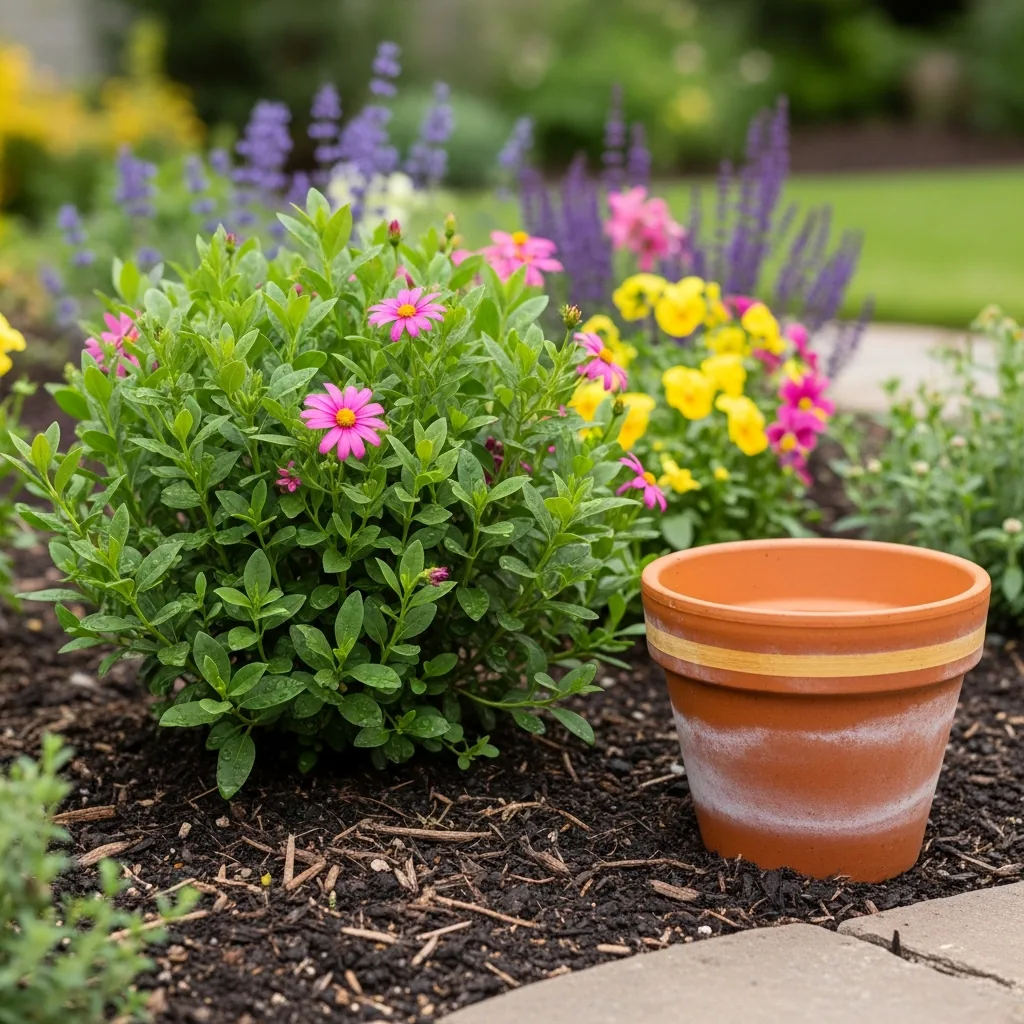
Quick Tips for Easy Disease and Pest Protection
Quick version: Achieving easy disease and pest protection for your flowers and shrubs involves a multi-pronged approach. Focus on prevention through good cultural practices like proper watering and air circulation. Regularly inspect plants for early signs of trouble. Use physical barriers or traps for common pests. When necessary, opt for targeted treatments, considering organic options first. Maintaining plant health is key, as strong plants are less susceptible. Companion planting can also help deter unwanted visitors. For persistent issues, consult local extension services for tailored advice on specific problems in your region.
Keeping your flowers and shrubs healthy can feel like a constant battle. You want lively blooms and lush foliage, but pests and diseases often show up uninvited. I’ve definitely lost my fair share of plants to these sneaky invaders.
this guide covers help you tackle common issues with simple, preventative steps. We’ll focus on practical, backyard-friendly solutions. Think of this as notes from my own garden, backed by reliable sources. We won’t cover every single pest or disease, but we’ll cover the most frequent problems you’ll see.
Why Easy Disease and Pest Protection Matters for Your Garden
Your flowers and shrubs are more than just pretty decorations. They’re the backbone of your backyard oasis. Healthy plants add beauty and value to your home. They also support local wildlife like birds and pollinators. When pests and diseases strike, they don’t just damage the plant. They can weaken it, making it more vulnerable to other issues. This means more work for you and potentially higher costs for treatments.
I learned this the hard way with my hydrangeas. A bad aphid infestation weakened them so much that a common fungal disease moved in. It took a whole season of dedicated care to bring them back. Preventing problems before they start saves you time, money, and many heartache. It also helps you enjoy your garden more. The U.S. Environmental Protection Agency (EPA) notes that integrated pest management (IPM) strategies, which focus on prevention, are crucial for long-term garden health and sustainability. This approach helps minimize the use of harmful chemicals. It also keeps your garden ecosystem balanced.
The goal is to create a resilient garden. Strong, healthy plants naturally fend off problems better. This means less stress for you and a more beautiful garden for everyone to enjoy. It’s about working with nature, not against it. This makes your garden a healthier place for you, your family, and the environment. The National Park Service also highlights the importance of plant health, noting that healthy shrubs contribute to the overall ecological well-being of an area.
When to Watch and When to Act on Pests and Diseases
Deciding whether to wait and observe or to take immediate action is crucial. It can save your plants and prevent unnecessary stress. Here’s a breakdown to help you triage common garden issues.
Worth watching:
- Minor leaf spots: A few small spots on a leaf, especially on older growth, might not be a big deal. Monitor them to see if they spread or if new leaves are affected.
- Occasional aphid sighting: Spotting one or two aphids on a new shoot is normal. They often get eaten by beneficial insects. Watch to see if their numbers increase rapidly.
- Slugs or snails on outer leaves: A small nibble here or there is usually fine. Check under leaves and around the base of the plant for more activity.
- Powdery mildew in dry weather: Sometimes, powdery mildew appears on certain plants during very dry spells. It might resolve as conditions change. Keep an eye on its progression.
- Seedlings with slight damage: Young plants are fragile. Minor cosmetic damage may not impact their overall growth if they are otherwise healthy and well-watered.
- Fungal spots on low-lying leaves: Leaves touching wet soil can sometimes develop minor fungal issues. Pruning these leaves might be enough.
Worth calling an expert:
- Sudden, widespread wilting: If multiple plants or large sections of a shrub wilt rapidly, it could indicate a serious root or vascular disease. Contact your local cooperative extension office for diagnosis.
- Unusual spots or lesions covering most leaves: Extensive discoloration, oozing, or large necrotic areas across many leaves suggest a significant disease that needs professional identification and treatment advice.
- Evidence of borers in tree trunks: Small holes with sawdust-like frass indicate borers. This can severely damage or kill trees. An ISA-certified arborist is your best bet here.
- Signs of serious insect infestation: If you see massive colonies of insects (like scale, mealybugs, or heavy aphid outbreaks) covering stems and leaves, and beneficial insects aren’t present, it’s time for intervention.
- Signs of toxicity to pets or children: If you suspect a plant is poisonous and a pet or child has ingested it, contact the ASPCA Animal Poison Control Center immediately.
- Large tree leaning or with significant branch dieback: Structural issues with trees pose a safety hazard. Consult an ISA-certified arborist to assess the risk and recommend solutions.
Steps for Easy Disease and Pest Protection
- Choose the Right Plant for the Right Place: Select plants suited to your climate, soil type, and sunlight conditions. This is the most important step for long-term health. A plant struggling in the wrong environment attracts pests and diseases. For example, planting a shade-loving hosta in full sun will stress it out. The University of Minnesota Extension notes that selecting disease-resistant varieties is a key strategy for preventing plant diseases.
- Water Wisely: Water deeply and less frequently, rather than shallowly every day. Aim to water the soil, not the leaves. Wet foliage can encourage fungal diseases. Water early in the morning so leaves can dry before evening. Avoid overwatering, which can lead to root rot. Check soil moisture by sticking your finger a couple of inches down.
- Improve Air Circulation: Space your plants appropriately. Overcrowded plants can’t dry out properly, creating a humid microclimate perfect for fungal growth. Prune shrubs to open up the canopy. Good airflow helps leaves dry faster after rain or dew. This simple step can significantly reduce issues like powdery mildew.
- Mulch Your Garden Beds: Apply a 2-3 inch layer of organic mulch around your plants. Mulch helps retain soil moisture, suppresses weeds, and regulates soil temperature. It also prevents soil-borne diseases from splashing onto lower leaves during rain. Keep mulch a few inches away from the plant stems to prevent rot.
- Regularly Inspect Your Plants: Make it a habit to walk through your garden and look closely at your plants. Check under leaves, along stems, and at the base. Early detection is key. Catching a small pest problem or the first sign of a disease allows for easier, less invasive treatment. This is where you can really become a garden detective.
- Sanitize Tools: Clean your pruning shears and other tools between plants, especially if you suspect disease. This prevents spreading pathogens from one plant to another. A simple wipe with rubbing alcohol or a bleach solution works wonders. Penn State Extension recommends this as a vital practice for disease management.
- Feed Your Plants Appropriately: Healthy plants are less susceptible to pests and diseases. Use compost or a balanced fertilizer according to plant needs and soil test recommendations. Avoid over-fertilizing, especially with nitrogen, which can lead to weak, sappy growth attractive to some pests.
Common Misconceptions About Garden Pest and Disease Control
Myth: All bugs in the garden are bad and need to be killed.
Reality: Many insects are beneficial! Ladybugs, lacewings, and predatory wasps eat common garden pests like aphids. Encouraging these beneficial insects is a cornerstone of integrated pest management. Killing all insects indiscriminately can disrupt your garden’s natural balance and lead to worse pest problems later.
Myth: Chemical pesticides are the only way to get rid of tough pests and diseases.
Reality: While chemicals can be effective, they often have unintended consequences. They can harm beneficial insects, pollinators, and even your pets. Many effective organic and cultural controls exist, including horticultural oils, insecticidal soaps, neem oil, and physical removal. The U.S. Department of Agriculture (USDA) supports research into biological and cultural controls as primary methods. Always try less toxic methods first.
Myth: Once a plant looks sick, it’s probably beyond saving.
Reality: Many plant problems are treatable if caught early. Fungal diseases can often be managed with fungicides and improved air circulation. Insect infestations can be controlled with targeted sprays or manual removal. Identifying the specific problem is key. Don’t give up on a plant too quickly; research its specific needs and potential treatments.
Myth: Watering my plants every day is always best.
Reality: Overwatering is a common killer of garden plants. Most established plants prefer deep watering less frequently. This encourages stronger root growth. Watering daily can lead to root rot and create conditions favorable for fungal diseases, especially if water sits on the leaves. Always check soil moisture before watering.
Myth: You should remove all dead or fallen leaves from around plants immediately.
Reality: While removing diseased material is important, fallen leaves can act as a natural mulch, protecting the soil and retaining moisture. Some beneficial insects overwinter in leaf litter. However, if leaves show signs of disease, it’s best to remove and discard them to prevent spread. The key is careful observation and targeted removal.
What to Track for Better Plant Health
Keeping a simple garden journal or just making notes can be incredibly helpful. It helps you spot trends and provide better information if you need to consult an expert. Here’s what to look out for:
- Watering Schedule and Amount: Note when and how much you water each plant or section.
- Weather Conditions: Record significant periods of rain, drought, heat, or cold.
- Pest Sightings: Note the type of pest, where you saw it, and how many.
- Disease Symptoms: Record the appearance and location of spots, wilting, or discoloration.
- Plant Growth Rate: Observe if plants are growing vigorously, stunted, or showing leaf yellowing.
- Beneficial Insect Activity: Note if you see ladybugs, lacewings, or other helpful insects.
- Fertilizer/Amendment Application: Keep track of what you add to the soil and when.
- Pruning Dates: Record when you prune, as this can affect growth and flowering.
- Soil Moisture Readings: If you use a moisture meter, jot down the readings.
- Bloom Times and Duration: Note when flowers open and how long they last.
Frequently Asked Questions About Garden Protection
What is the easiest way to prevent common garden diseases?
Prevention is the easiest way. This includes choosing disease-resistant plant varieties, ensuring good air circulation by spacing plants properly, watering at the base of the plant in the morning, and practicing good garden hygiene. Regularly removing dead or diseased plant material also helps prevent spread. The [University of Massachusetts Extension](https://extension.umass.edu/plant-identification/shrubs/all/) has great resources on identifying common plant issues.
How do I protect my flowers from bugs naturally?
Natural protection involves several methods. Encourage beneficial insects by planting flowers they love, like dill or yarrow. Use physical barriers like row covers. Handpick larger pests like tomato hornworms. Spray aphids with a strong jet of water. Consider using insecticidal soaps or neem oil as targeted treatments. These are less harmful to beneficials than broad-spectrum chemical pesticides.
When should I worry about powdery mildew on my shrubs?
Powdery mildew is common, especially on lilacs and roses. While it looks unsightly, it rarely kills a healthy shrub. You should worry if it appears very early in the season, spreads rapidly to new growth, or if the plant is already stressed by other factors. The [University of Minnesota Extension](https://extension.umn.edu/plant-diseases/powdery-mildew-trees-and-shrubs) offers specific advice on managing this common issue.
What’s the best way to deal with mites on my plants?
Mites thrive in dry, dusty conditions. Washing plants regularly with a strong spray of water can dislodge them. Introducing predatory mites or ladybugs can help control their population naturally. Horticultural oils or insecticidal soaps can also be effective. Ensure good plant health, as stressed plants are more susceptible. Remember, mites are not insects, so some standard insecticides won’t work.
How can I protect my new seedlings from pests?
New seedlings are very vulnerable. Use floating row covers to create a physical barrier against flying insects and larger pests. Keep the area around seedlings clean to remove hiding places. Handpick any pests you see. Monitor watering closely; overly wet soil can attract fungus gnats. For persistent issues, consider organic options like beneficial nematodes for soil pests.
Are there plants that naturally repel pests?
Yes, some plants are known to deter certain pests. For example, marigolds are often planted with vegetables to repel nematodes and other soil-borne pests. Basil can deter flies and mosquitoes. Mint is said to repel ants and mice, though it can be invasive itself. Rosemary is thought to deter carrot rust flies and cabbage moths. Companion planting is a fascinating area to explore for natural pest control.
What do I do if my plant has yellow leaves and spots?
Yellow leaves with spots can indicate several problems, including nutrient deficiencies, overwatering, or fungal diseases. First, check your watering habits. If the soil is constantly wet, reduce watering. If not, inspect the spots closely. If they look like classic fungal spots, you might need to apply a fungicide and improve air circulation. Nutrient deficiencies can often be corrected with a balanced fertilizer or compost. Consulting resources from [Clemson University Home & Garden Information Center](https://hgic.clemson.edu/factsheet/gardenia-diseases-other-problems/) can help diagnose specific issues.
Keeping Your Garden Healthy and Beautiful
Protecting your flowers and shrubs doesn’t have to be complicated. By focusing on prevention, observing your plants closely, and knowing when to act, you can keep your garden thriving. Remember, a healthy plant is your best defense against many common problems. Don’t be afraid to experiment with different methods. And if you’re ever unsure about a serious issue, especially concerning pet safety or large trees, reaching out to a local expert is always a smart move. Your garden will thank you for it!