Quick Wins for Your Winter Greenhouse
TL;DR: Maximize your greenhouse space with these 7 winter greenhouse projects. Start seeds early with winter sowing, grow hardy greens like spinach and kale, cultivate citrus for an indoor oasis, or bring herbs like rosemary and thyme under glass for fresh harvests. Consider overwintering tender perennials and protecting pelargoniums. Even simple tasks like cleaning and organizing can make a big difference. These projects help extend your growing season, provide fresh produce, and keep your gardening passion alive through the cold months, making your greenhouse a true year-round asset (vegetable garden).
Winter doesn’t have to mean a dormant garden. Your greenhouse can be a lively hub of activity, even when frost is on the windows. I’ve learned a lot about making the most of this space, often through trial and error. This guide shares some of my favorite winter greenhouse projects, drawing on expert advice from university extensions. We’ll focus on practical ways to extend your growing season and enjoy your garden more, even in the coldest months. This isn’t about advanced horticultural science, but about simple, achievable projects for us backyard gardeners.
Why Winter Greenhouse Projects Matter
Winter can feel like a gardening pause, but it doesn’t have to be. Your greenhouse offers a protected space to keep the green going. I used to think my gardening days ended with the first frost. Then I realized my greenhouse was more than just storage. It could be a productive extension of my garden. These winter greenhouse projects aren’t just about keeping busy. They’re about extending the harvest, starting plants earlier, and protecting valuable specimens. Imagine snipping fresh herbs for dinner in January, or having seedlings ready to go the moment spring officially arrives. It’s a way to combat the winter blues and keep that connection to nature alive. University extensions offer fantastic resources for year-round growing.
The University of Minnesota Extension highlights the benefits of ‘deep winter greenhouses’ for extending growing seasons. They note that with proper insulation and minimal heating, you can significantly increase your harvest potential. This approach can even make gardening more economically viable for small-scale growers.
When to Wait and When to Act in Your Winter Greenhouse
Deciding what to do in your greenhouse during winter involves careful observation. Some things need immediate action, while others benefit from a patient approach. It’s easy to get carried away, but knowing the difference saves time and resources.
Worth watching:
- Seedlings for early spring: Monitor moisture levels in your seed trays. If the soil surface looks dry, it’s time to water gently.
- Hardy greens: Keep an eye on leaf development. If plants look crowded, consider thinning or harvesting outer leaves to encourage continued growth.
- Herbs: Watch for wilting or yellowing leaves. This could indicate a need for more light or a change in watering frequency.
- Citrus plants: Observe for leaf drop. This is common if temperatures drop too low or watering is inconsistent.
- Tender perennials: Check for signs of rot or excessive drying. Adjust watering based on how the soil feels an inch down.
- Pelargoniums: In colder areas, check fleece coverings after windy nights to ensure they are still securely in place.
Worth calling an expert:
- Unusual pest infestations: If you see a large number of unfamiliar insects, consult your local cooperative extension office for identification and safe control methods.
- Suspected plant diseases: Persistent leaf spots, mold, or wilting that doesn’t respond to basic care might need professional diagnosis.
- Structural damage: If your greenhouse frame or panels are significantly damaged, especially before a storm, contact a professional for repairs.
- Heating system malfunctions: If your greenhouse heater isn’t working correctly and you rely on it for frost protection, get it serviced immediately.
- Toxicity concerns: If you suspect a plant in your greenhouse is toxic to pets or children and you’re unsure, contact the ASPCA Animal Poison Control.
Step-by-Step Winter Greenhouse Projects
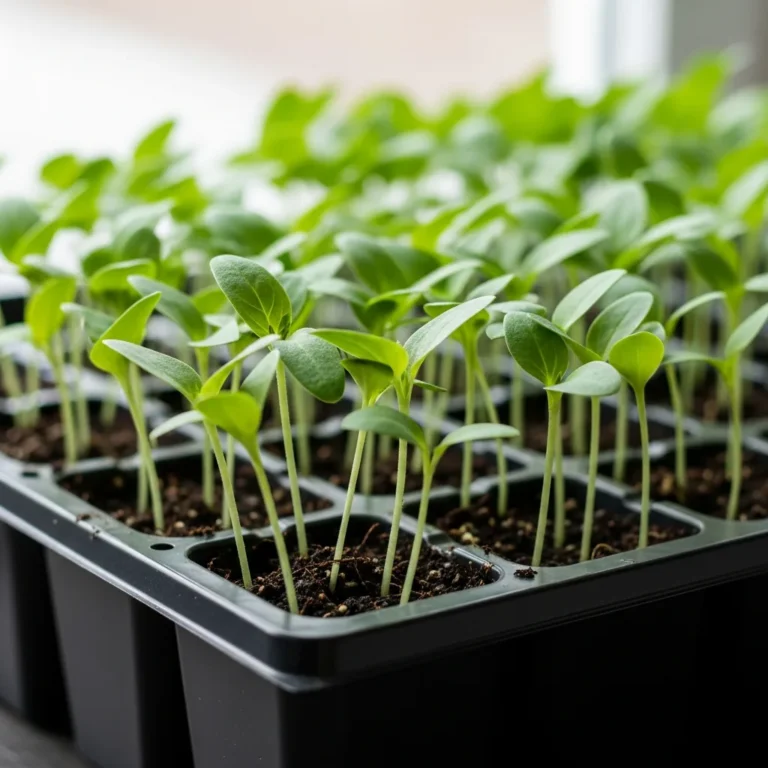
- Winter Sowing Seeds: Start this in late winter, typically February or March. Use recycled plastic containers (like milk jugs or clear clamshells) as mini-greenhouses. Fill them with a sterile seed-starting mix, sow your seeds according to packet directions, and water lightly. Seal the containers and place them in a sunny spot, ideally outside or in an unheated greenhouse. The fluctuating temperatures actually help stratify seeds, improving germination rates. Check out Penn State Extension’s guide for more details.
- Grow Hardy Greens: In late fall or early winter, plant cold-hardy greens like spinach, kale, arugula, and mâche directly into larger containers or raised beds within your greenhouse. These plants tolerate cooler temperatures and will provide fresh salads for weeks. Ensure they have good drainage and consistent moisture. Aim for a soil temperature above 40°F for best results.
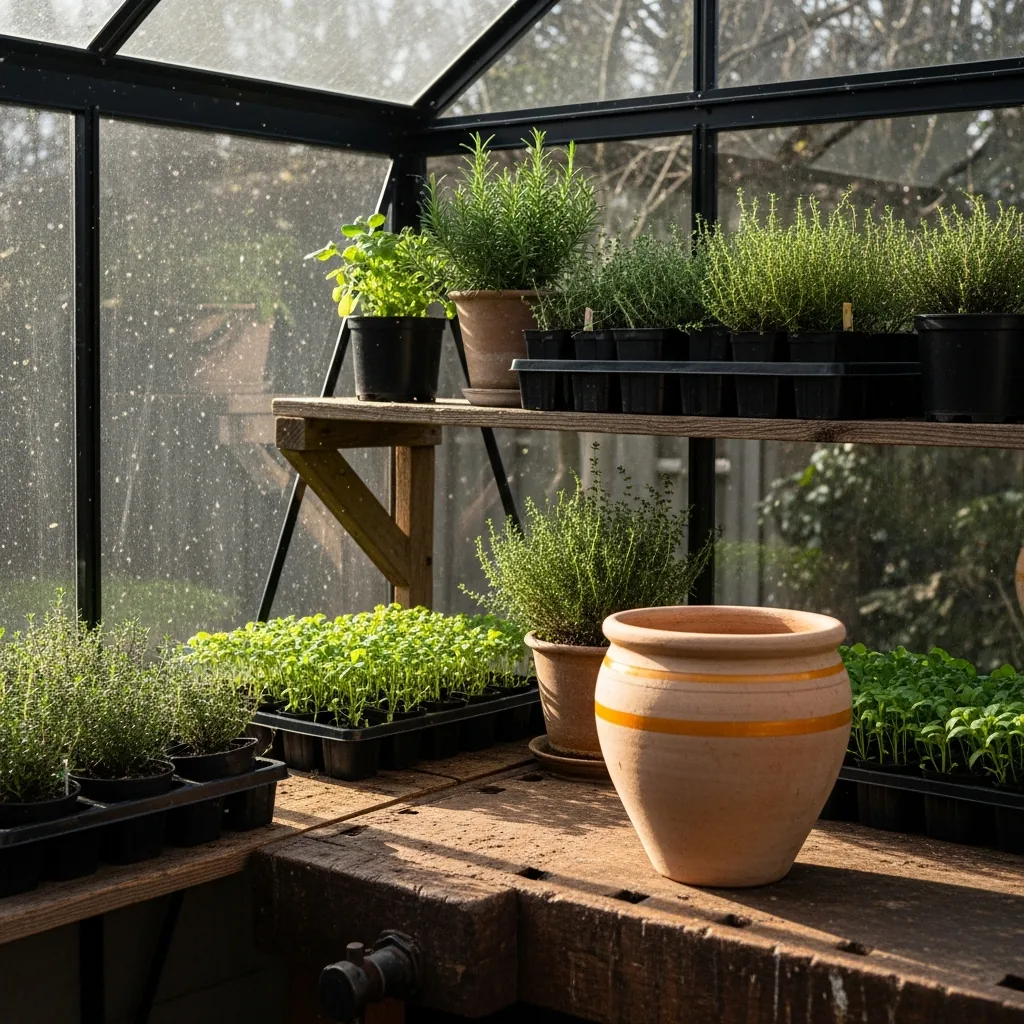
- Cultivate Herbs: Bring pots of herbs such as rosemary, thyme, sage, and parsley into the greenhouse. These herbs often perform better under cover, especially in wet or cold climates. Provide them with good light and water only when the top inch of soil feels dry. This ensures you have fresh herbs for cooking all winter long.
- Protect Citrus Plants: If you have dwarf citrus trees, move them into the greenhouse before the first hard frost. They need protection from freezing temperatures but can tolerate cooler conditions than indoors. Water sparingly, allowing the soil to dry out between waterings, and stop feeding when temperatures consistently fall below 50°F.
- Overwinter Tender Plants: Dig up tender perennials from your garden beds (like geraniums or fuchsias) and pot them up. Trim them back and place them in the greenhouse. Keep them on the drier side and provide minimal light. They’ll be ready to go back into the garden in spring.
- Insulate and Organize: Before the coldest weather hits, assess your greenhouse’s insulation. Use bubble wrap on the inside of the glass or add a layer of insulation to the north wall. Organize your tools, pots, and supplies. A clean, organized space makes winter gardening much more enjoyable and efficient.
- Extend Flowering Plants: Some plants, like cyclamen, can provide blooms through winter if given the right conditions. Place them in a bright, cool spot within the greenhouse and water carefully. Combine them with hardy ferns for a lovely display.
Debunking Winter Greenhouse Myths
Myth: You need a heated greenhouse to do anything productive in winter.
Reality: While heat helps, many winter greenhouse projects are possible in unheated or minimally heated structures. Cold-hardy greens thrive in cool temperatures, and seed-starting benefits from natural temperature fluctuations. Deep winter greenhouses often use passive solar principles and excellent insulation rather than active heating.
Myth: Winter sowing is too complicated for beginners.
Reality: Winter sowing is surprisingly simple and uses recycled materials. It mimics nature’s stratification process, making it effective for many seeds that might otherwise be difficult to germinate. The key is patience and observing the seedlings’ needs.
Myth: My greenhouse is just for starting spring plants.
Reality: Your greenhouse can be a source of fresh food and beauty all winter. Growing greens, herbs, and even protecting citrus expands its utility far beyond a simple nursery.
Myth: Pests are not an issue in winter.
Reality: While many pests go dormant, some can overwinter in greenhouses or be introduced on plants. Regular monitoring is still important to prevent outbreaks when warmer weather returns.
Myth: Watering needs are minimal in winter.
Reality: While plants grow slower and need less water, they still require it. Overwatering is a common mistake in winter, leading to root rot. Always check soil moisture before watering.
What to Track in Your Winter Greenhouse
Keeping a simple log can help you understand your greenhouse’s microclimate and plant needs. This information is also invaluable if you need to consult an expert.
- Temperature: Record daily high and low temperatures. Note any fluctuations, especially near freezing points.
- Soil Moisture: Check soil moisture daily by touch. Note when you water and how much.
- Light Levels: Observe how much direct sunlight the greenhouse receives daily. Note any changes due to shorter days or cloudy weather.
- Plant Growth: Track new leaf development, flowering, or fruiting. Note any signs of stress like yellowing or wilting.
- Pest Sightings: Log any insects or signs of pests you observe, even if they seem minor.
- Watering Schedule: Keep a record of when and how much you water each type of plant.
- Ventilation: Note if you open vents or doors for air circulation, and for how long.
- Humidity: If you have a hygrometer, track humidity levels, especially if condensation is an issue.
Frequently Asked Questions About Winter Greenhouses
Can I grow vegetables in my greenhouse during winter?
Yes, you absolutely can! Cold-hardy greens like spinach, kale, lettuce, and arugula do very well in a cool greenhouse. Providing them with protection from harsh winds and extreme cold extends their growing season significantly, allowing for harvests well into winter.
How much heat does a greenhouse need in winter?
It depends on what you’re growing. For overwintering plants or starting seeds, an unheated or minimally heated greenhouse (just enough to prevent hard freezes) is often sufficient. For active growth of some vegetables or tropicals, you might need supplemental heat, but always consider insulation first. Geothermal heating is an efficient option for some.
What’s the best way to insulate a greenhouse for winter?
Common methods include using bubble wrap on the inside of the glass panels, sealing any drafts around doors and vents, and insulating the north wall. Some gardeners use blankets or specialized thermal curtains. Proper insulation is key to maintaining temperature and reducing heating costs, if any.
Can I start seeds in my greenhouse in January?
Yes, January is a great time for starting certain seeds, especially those that benefit from stratification or require a long head start. Using techniques like winter sowing in protected containers or starting slow-growing varieties indoors under lights within the greenhouse can give them a significant advantage.
What should I do with my greenhouse plants if the power goes out in winter?
If you rely on a heater and the power goes out, focus on protecting plants from freezing. Cover them with frost cloth or blankets. If temperatures are very low, you might need to move the most sensitive plants to a warmer location indoors temporarily. Ensure vents are closed to retain any residual heat.
How often should I water plants in a winter greenhouse?
Watering frequency decreases significantly in winter because plant growth slows down and evaporation is less. Always check the soil moisture by sticking your finger about an inch deep. Water thoroughly only when the soil feels dry to the touch, and do so in the morning so plants have time to absorb moisture before nightfall.
Embrace Your Winter Greenhouse
Making the most of your greenhouse in winter is incredibly rewarding. These projects are designed to be manageable, even if you’re new to this. Remember, I’ve definitely killed my fair share of plants learning these lessons! Embrace the process, observe your plants, and don’t hesitate to reach out to your local extension office if you encounter something unexpected. Your winter garden awaits!