Quick Guide to Dividing Perennials
Quick version: The best time to divide perennials and ornamental grasses is typically in early spring as new growth emerges or in early to mid-fall before the ground freezes. This timing allows plants to establish before extreme weather hits. Spring division is often preferred for ornamental grasses and plants that bloom in summer or fall. Fall division works well for spring-blooming perennials. Signs your plants need dividing include reduced vigor, smaller blooms, or a crowded center. Always ensure divisions have good roots and shoots before replanting.
Can we talk about dividing perennials? It’s a gardening task that feels a bit intimidating at first. I’ve certainly lost a few plants to division gone wrong. But the truth is, it’s a fantastic way to get more plants for free and rejuvenate tired-looking clumps. this guide covers walk you through when and how to divide perennials and ornamental grasses, drawing on advice from trusted sources like university extensions.
We’ll cover the best times of year, how to tell if your plants need dividing, and practical steps you can take. Don’t worry, I’m not a botanist, just a fellow gardener who learned by doing (and sometimes messing up!). We’ll focus on what works for backyard gardeners like you and me.
This article focuses specifically on the ‘when’ and ‘how’ of dividing common garden plants. We won’t be covering propagation by seed or cuttings, or specific pest identification. For those topics, you’ll want to check out other resources.
Why Dividing Perennials and Grasses Matters for Your Garden
Dividing perennials and ornamental grasses might seem like extra work, but it’s a cornerstone of keeping your garden looking its best. Think of it as a mid-life refresh for your plants. Over time, many plants become overcrowded. Their root systems compete for water and nutrients. This competition leads to weaker growth and fewer, smaller flowers. A crowded center can even die out, leaving a donut-shaped plant with bare earth in the middle. I’ve seen this happen with my hostas, and it’s never a good look.
Beyond just aesthetics, division is a smart way to propagate new plants for free. It’s like getting a starter pack for your garden beds. You can fill in gaps, share with friends, or create new borders. This practice is especially valuable for ornamental grasses. As they mature, the centers of large grass clumps can become woody and unproductive. Dividing them rejuvenates the entire plant and ensures those beautiful plumes continue to grace your garden. According to the University of Illinois Extension, dividing perennials helps maintain plant vigor and bloom quality, especially for plants that have been in the ground for three to five years.
Furthermore, timely division can help prevent disease. Overcrowded plants have reduced air circulation, creating a humid microclimate favorable to fungal issues. Separating them promotes better airflow and healthier plant tissue. The National Park Service notes that many native grasses, when healthy and properly spaced, help stabilize soil and prevent erosion, making division key to maintaining a resilient landscape.
When to Divide: Spring vs. Fall and What to Watch For
Deciding the best time to divide your perennials and ornamental grasses depends on the plant type and your local climate. There’s a general rule of thumb, but always observe your plants closely.
Worth waiting for (Spring Division):
- Ornamental Grasses: Most ornamental grasses benefit from spring division. Wait until you see new green shoots emerging from the base. This shows the plant is actively growing and ready to handle the stress of being moved. Penn State Extension recommends dividing cool-season native ornamental grasses in early spring.
- Summer/Fall Blooming Perennials: Plants like coneflowers (Echinacea), asters, and sedums are often best divided in spring. Dividing them before they set buds allows them to focus energy on re-establishing their root systems.
- Hostas: These shade lovers have fleshy roots prone to rot if divided in fall and then subjected to wet, cold soil. Wait until the shoots are clearly visible in spring.
- Plants with aggressive spreading habits: If a plant is taking over a space, early spring is a good time to divide it and reclaim some territory.
Worth waiting for (Fall Division):
- Spring Blooming Perennials: Perennials that bloom in spring, such as peonies, irises, and bleeding hearts, are ideal candidates for fall division. Wait until after they finish flowering and start to die back a bit. This gives them time to recover before winter.
- Plants showing signs of decline: If you notice a favorite plant producing fewer flowers or looking generally weak, and it’s been a few years since it was last divided, fall is a good opportunity.
- When spring is too busy: If your spring is packed with other tasks, early fall is the next best window for many plants. Just ensure you give them at least 4-6 weeks before the first hard frost.
When to call an expert or wait and watch:
- Toxicity Concerns: If you suspect a plant is toxic to pets or children and you’re unsure of its identity or how to handle it safely, consult the ASPCA Animal Poison Control Center’s database before touching it. Handling toxic plants without proper precautions can be dangerous.
- Large, Established Trees/Shrubs: For very large woody plants or trees near structures, dividing them yourself can be dangerous and may harm the plant. Contact an ISA-certified arborist for advice on managing or propagating these specimens.
- Suspected Soil Contamination: If you’re concerned about heavy metals or other contaminants in your soil, especially in older urban areas or near industrial sites, don’t guess. Contact your local cooperative extension office for guidance on soil testing and remediation.
- Identification of Unknown Plants: If you have a plant spreading aggressively or causing concern, and you can’t identify it, seek help from your local cooperative extension office before attempting division or applying any treatments. It might be an invasive species.
- Persistent Pests or Diseases: If a plant consistently struggles with pests or diseases that division doesn’t seem to address, it might indicate a deeper issue. Your local extension office can help diagnose problems that require more than just division.
How to Divide Perennials and Grasses: A Step-by-Step Guide
- Prepare Your Tools and Area: Gather a sharp spade, a garden fork, a sharp knife or hand saw, gloves, and a wheelbarrow or tarp. Make sure the soil is slightly moist, not bone dry or waterlogged. This makes digging easier. If dividing in fall, ensure the soil isn’t frozen.
- Dig Up the Clump: For most perennials, dig around the base of the plant, going wider than the visible foliage. Use your spade to loosen the soil and lift the entire clump from the ground. For very large ornamental grasses, you might be able to carve out sections with a spade while the plant is still in the ground, as mentioned by the RHS. This saves your back!
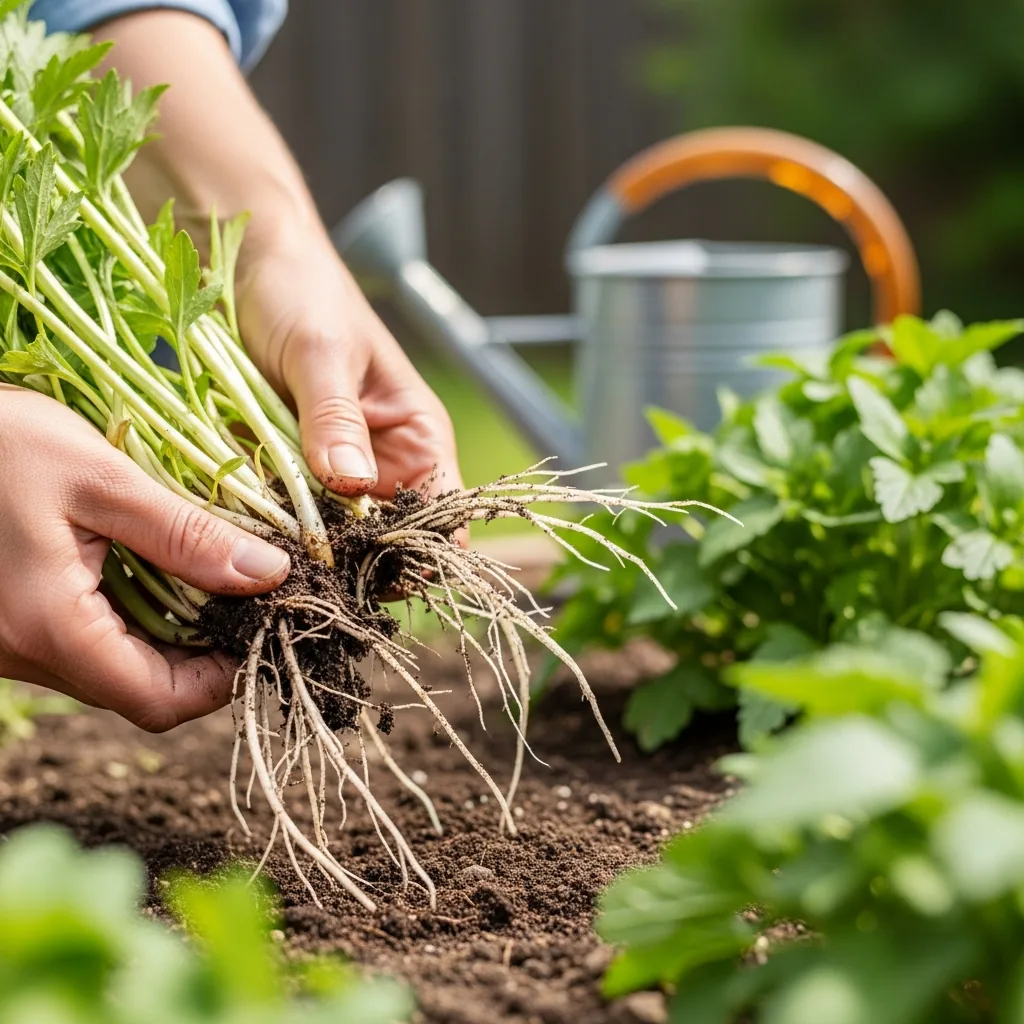
- Separate the Divisions: This is where it gets tricky. For plants with fibrous roots like asters or daylilies, you can often pull the clump apart with your hands or use two forks inserted back-to-back. For tougher, woody root balls, like some sedums or peonies, you may need a sharp spade or knife to cut through them. Ensure each new division has healthy roots and at least a few buds or growing points. Discard any rotten or dead material.
- Trim Excess Foliage: Once divided, trim back the foliage by about one-third to one-half. This reduces water loss from the leaves while the roots are re-establishing. Don’t remove all the leaves, as the plant still needs them for energy.
- Prepare the New Planting Site: Dig a hole in your garden that’s slightly larger than the root ball of the division. Amend the soil with compost or other organic matter. This provides essential nutrients and improves drainage. The University of Illinois Extension suggests refreshing the soil with compost or well-rotted manure when replanting divided perennials.
- Replant and Water: Place the division in the new hole, ensuring the crown (where the roots meet the shoots) is at soil level. Firm the soil gently around the roots to eliminate air pockets. Water thoroughly immediately after planting to settle the soil and reduce transplant shock. Keep newly divided plants consistently watered for the first few weeks, especially during dry spells.
Debunking Common Myths About Dividing Perennials
Myth: You can divide any perennial at any time of year.
Reality: This is a common mistake. While many perennials are forgiving, dividing them at the wrong time can severely stress them, leading to poor establishment or even plant death. Spring and fall are the prime times because they allow plants to establish roots before extreme summer heat or winter cold. Dividing during active growth in summer is generally not recommended unless absolutely necessary, as it can shock the plant.
Myth: All perennials need to be divided every year.
Reality: Not at all! Many perennials, like peonies or certain ornamental grasses, prefer to be left undisturbed for several years. Dividing them too frequently can actually weaken them. The general guideline is to divide plants when they show signs of decline, typically every 3-5 years, but this varies greatly by species. Some vigorous growers might need it sooner, while others can go much longer.
Myth: You need to use harsh methods to break apart tough clumps.
Reality: While some plants have stubborn roots, using brute force can damage them. It’s better to use sharp, clean tools like a spade, saw, or even two forks. The key is to make clean cuts rather than tearing. The goal is to separate the plant into sections that each have a good root system and viable growing points. The RHS advises being firm but not unnecessarily destructive.
Myth: Divided plants will look sad and droopy for a long time.
Reality: Some wilting is normal after division due to root disturbance and water loss. However, if your divided plants look severely distressed for more than a week or two, something might be wrong. Ensure they are watered consistently, planted at the correct depth, and not exposed to extreme sun immediately after division. Proper technique and timing minimize transplant shock.
Myth: You can’t divide plants that have spread aggressively.
Reality: Aggressively spreading plants are often the *best* candidates for division! Their vigorous nature means they usually divide easily and establish quickly. Taking divisions is an excellent way to control their spread and get lots of new plants. Just be sure to replant the divisions in a suitable spot where they won’t become a nuisance again.
What to Track After Dividing Perennials
After you’ve divided your perennials and ornamental grasses, pay attention to a few key things. This helps ensure they establish well and tells you if something needs attention. Think of it as giving your newly divided plants a little extra TLC.
- Watering Schedule: Keep a close eye on soil moisture. Newly divided plants have compromised root systems and need consistent moisture. Water them whenever the top inch of soil feels dry, especially during the first few weeks.
- Foliage Appearance: Note any wilting, yellowing, or browning of the leaves. Some slight wilting is normal, but severe or prolonged distress might indicate a problem with watering or establishment.
- New Growth: Look for signs of new shoot or leaf development. This is the best indicator that the division is successfully taking root and growing.
- Pest and Disease Activity: Keep an eye out for any unusual spots, holes, or visible pests on the foliage or stems. Stress can make plants more susceptible to problems.
- Plant Location: Ensure the plant is in the right spot for its light and moisture needs. Sometimes, a division might be struggling simply because its new home isn’t ideal.
- Blooming Performance: If the plant is mature enough to bloom, note the size and number of flowers. While the first year might see reduced flowering, subsequent years should show improvement if the division was successful.
- Spread vs. Vigor: For spreading plants, track how quickly they fill their new space. For clumping plants, observe the density and health of the new growth.
Frequently Asked Questions About Dividing Perennials
When is the absolute latest I can divide perennials before winter?
The general rule is to divide perennials at least 4-6 weeks before your average first hard frost date. This gives the roots enough time to establish before the ground freezes. For spring-blooming plants divided in fall, aim for early to mid-fall. For summer/fall bloomers divided in fall, late fall is okay, but spring is often better if you missed the earlier window.
My ornamental grass is huge and woody in the center. Can I still divide it?
Absolutely! That woody center is a classic sign that division is needed. For large grasses, you may not need to dig the whole plant. Use a sharp spade to cut the clump in half or quarters while it’s still in the ground. Discard the old woody center and replant the vigorous outer sections. The National Park Service mentions this technique for managing large native grasses.
What’s the difference between dividing and transplanting?
Transplanting is simply moving a whole plant from one spot to another. Dividing is a form of propagation where you split a large, established plant into multiple smaller sections, each with its own root system and shoots. You can transplant a divided section, but not all transplants are divisions.
Can I divide plants that are currently flowering?
It’s generally best to avoid dividing plants while they are in full bloom. This is a stressful period for them, and dividing them could cause them to drop their flowers prematurely or fail to establish well. If you must divide a flowering plant, choose a less stressful time, like early spring before buds form, or wait until after flowering is complete.
How deep should I replant the divided sections?
Most perennial divisions should be planted at the same depth they were previously growing. The crown, where the roots meet the stems, should be right at or slightly above the soil surface for many plants. Planting too deep can lead to rot, especially in heavier soils.
My divisions look a bit sad. Should I fertilize them?
Hold off on fertilizing right away. Newly divided plants need to focus their energy on root establishment, not on producing new top growth stimulated by fertilizer. Once they show signs of active new growth (typically a few weeks after planting), you can apply a balanced, slow-release fertilizer or top-dress with compost. Over-fertilizing stressed plants can burn their delicate new roots.
What if I don’t have enough divisions to fill a space?
That’s where companion planting or filling in with annuals comes in handy! You can use fast-growing annual flowers or vegetables to fill the gaps while your divided perennials get established. This keeps the garden looking full and lively. Alternatively, you can save the divisions to plant in a new area next season or share them with gardening friends.
Happy Dividing!
Dividing perennials and ornamental grasses is a rewarding process. It keeps your plants healthy and gives you more bang for your buck. Don’t be afraid to get your hands dirty! Remember, even experienced gardeners have their share of plant mishaps. If you’re ever unsure about a plant’s health, toxicity, or need help with large specimens, don’t hesitate to reach out to your local cooperative extension office or an ISA-certified arborist. Happy gardening!