Quick Guide to Rhubarb Easy Grow
Quick version: Yes, rhubarb is generally an easy grow for backyard gardeners, especially when you start with crowns. Plant them in fertile, well-drained soil. Give them many sun and space, as they get quite large. You’ll want to remove flower stalks to direct energy into stem production. While the stems are edible, remember that rhubarb leaves are poisonous. Focus on planting crowns for the simplest start. Growing from seed is possible but takes more patience. Forcing rhubarb for an earlier harvest adds a bit more effort but is manageable for established plants. With basic care, you’ll enjoy a reliable harvest for years. This plant truly makes rhubarb easy grow.
Can you really grow rhubarb easily in your backyard? I’ve definitely killed my fair share of plants, so I get wanting to know if a crop is worth the effort. Rhubarb is a fantastic addition to many gardens. It’s a perennial, meaning it comes back year after year. this guide covers cover how to get started with rhubarb easy grow (vegetable garden).
We’ll focus on planting, basic care, and harvesting. I’ll share what I’ve learned from my own garden and from reliable sources. We won’t cover advanced propagation techniques or complex pest management. This is for the home gardener ready to try something new and delicious.
Why Rhubarb Easy Grow is a Garden Win
So, why bother with rhubarb easy grow in your backyard plot? It’s more than just a tasty ingredient for pies and crumbles. Rhubarb is a perennial powerhouse. This means once you plant it, you’re set for years of harvests without replanting. It’s a fantastic way to get consistent produce from your garden space. Many gardeners find it incredibly rewarding to harvest something they grew themselves. Plus, it’s often quite forgiving. I’ve learned that even when I make a few mistakes, rhubarb tends to bounce back. Its large, attractive leaves can also add a nice structural element to your garden design. According to Clemson University’s Home & Garden Information Center, rhubarb is ranked as an easy-to-grow vegetable for home gardeners [https://hgic.clemson.edu/factsheet/vegetable-and-herb-crops-ranked-by-difficulty-for-home-gardeners/]. This makes it a great choice for beginners and seasoned gardeners alike.
The USDA Natural Resources Conservation Service highlights the importance of perennial crops for soil health and reducing erosion. Rhubarb fits this bill perfectly. Its deep root system helps stabilize soil over time. This perennial nature also means less work each year compared to annual vegetables. You’re investing time upfront, and then reaping the rewards season after season. It’s a plant that truly gives back to your garden and your kitchen.
When to Wait and When to Act for Rhubarb
Rhubarb is pretty straightforward, but knowing when to step in or when to just let it be is key. Most of the time, it’s a plant that thrives with minimal fuss. Here’s a breakdown of what to look for:
Worth watching:
- Slow initial growth: After planting a crown, it might take a season to really establish. Don’t panic if it doesn’t produce a huge crop the first year. Give it time.
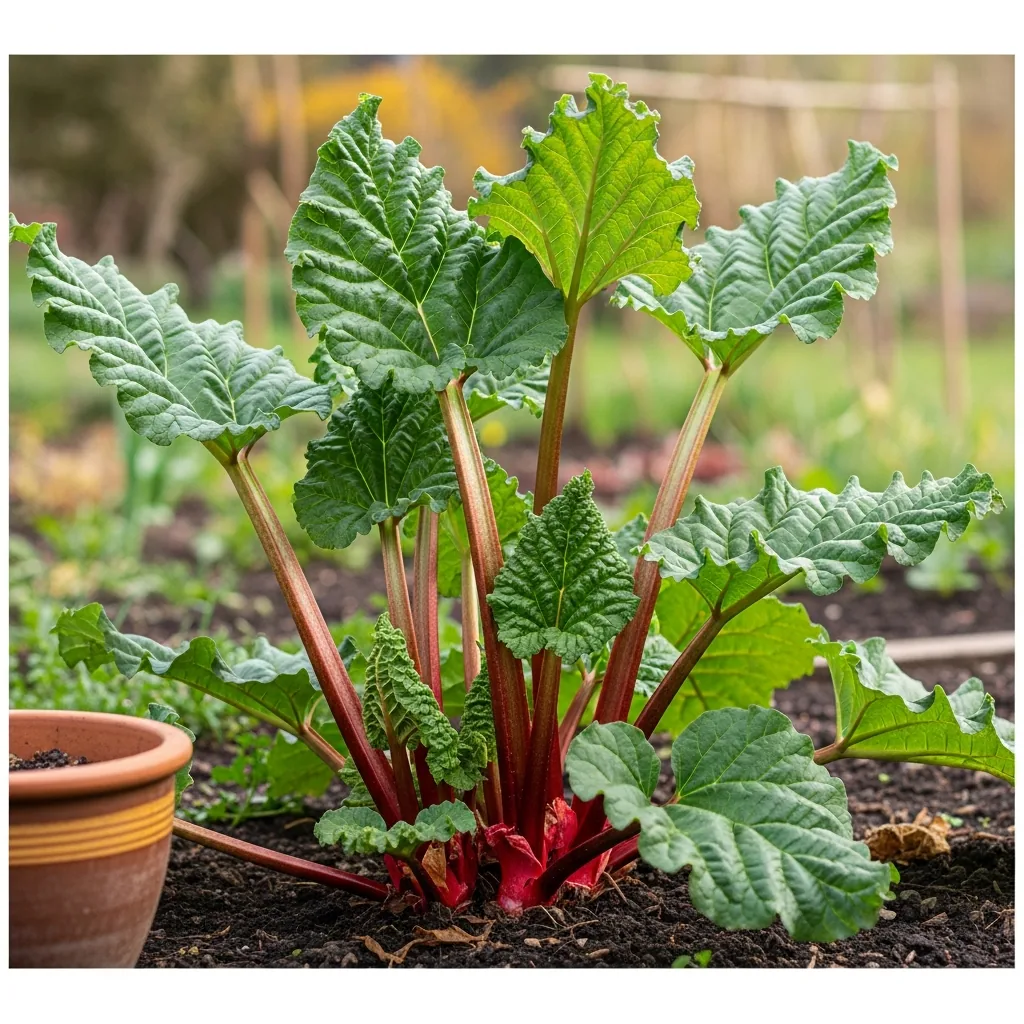
- Leaf growth in spring: Watch for those lively red or green stalks emerging from the ground as the weather warms up. This is normal and exciting!
- Flower stalks appearing: You might see a tall, sometimes fuzzy stalk shoot up. This is the plant trying to flower.
- Dormancy in fall: As temperatures drop, the leaves will yellow and die back. This is natural. The plant is preparing for winter rest.
- Weed competition: Keep an eye out for weeds crowding your rhubarb plants. They compete for water and nutrients.
- Soil moisture: Check if the soil feels dry deep down, especially during hot, dry spells.
Worth calling an expert:
- Leaf discoloration with wilting: If leaves turn yellow or brown and seem wilted despite adequate watering, it could signal a root issue or disease. Contact your local cooperative extension office for diagnostic help.
- Suspected pest infestation: If you see large numbers of unusual insects or signs of significant damage (like chewed stems or leaves) that you can’t identify, it’s time to consult your extension office. They can help identify pests and suggest safe treatments. The University of Illinois Extension notes that proper identification is crucial before treating [https://extension.illinois.edu/blogs/flowers-fruits-and-frass/2023-05-19-celebrate-pie-all-summer-long-plant-pie-garden].
- Signs of crown rot: If the base of the plant looks mushy, dark, or smells bad, this indicates a serious fungal issue. This is often caused by poor drainage.
- Toxicity concerns for pets: While the edible parts are safe, rhubarb leaves are toxic. If you have pets that might ingest plant material, and you’re unsure about plant safety, consult the ASPCA Animal Poison Control Center.
- Planting near structures: If your rhubarb is growing very close to a foundation or underground utilities, and you’re concerned about root spread, an arborist might offer advice on managing growth, though this is less common for rhubarb than large trees.
Planting and Caring for Rhubarb
Ready to get your hands dirty? Here’s how to plant and care for your rhubarb easy grow in simple steps:
- Choose the right spot: Find a location that gets at least six hours of sunlight per day. Rhubarb also needs space; mature plants can spread three to four feet wide. Ensure the soil is fertile and drains well. If you have heavy clay soil, amending it with compost is a great idea. The University of Minnesota Extension suggests improving soil with organic matter for best results [https://extension.umn.edu/how/planting-and-growing-guides].
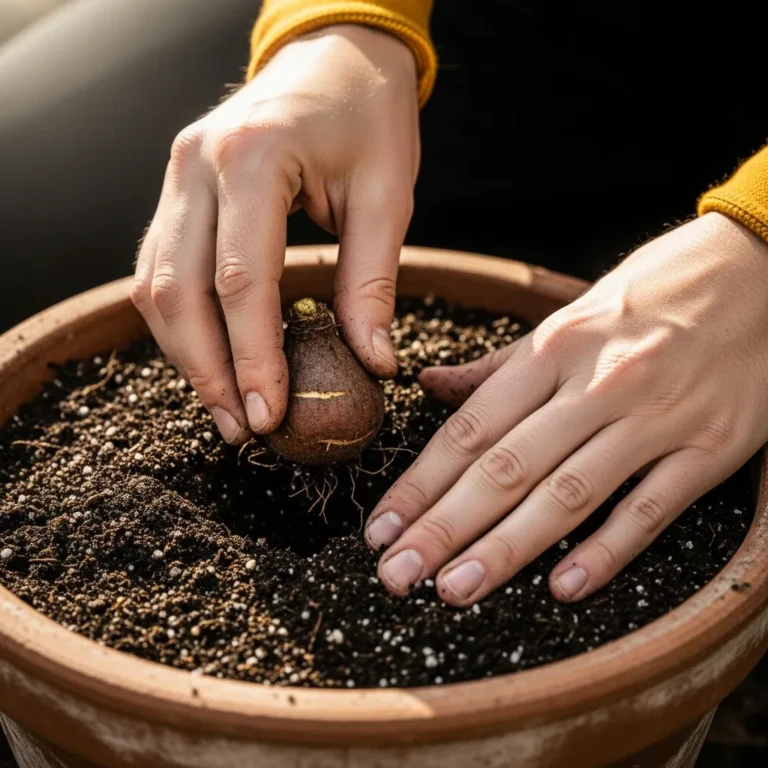
- Planting crowns: The easiest way to start is with dormant crowns. Plant them in the fall or early spring. Dig a hole wide enough to spread the roots. Place the crown so the buds are just an inch or two below the soil surface. Space plants at least 3-4 feet apart.
- Watering: Water newly planted crowns thoroughly and keep the soil consistently moist until you see new growth. Once established, rhubarb is fairly drought-tolerant, but it will perform best with regular watering during dry periods, especially in summer. Aim for about an inch of water per week when it’s hot and dry.
- Weeding: Keep the area around your rhubarb plants free of weeds. Weeds compete for water, nutrients, and light. A layer of mulch can help suppress weeds and retain soil moisture.
- Fertilizing: In early spring, as new growth appears, apply a layer of compost or well-rotted manure around the base of the plants. You can also use a balanced organic fertilizer. Avoid over-fertilizing, as too much nitrogen can lead to lush leaves but fewer edible stalks.
- Remove flower stalks: If you see a flower stalk forming, cut it off at the base as soon as possible. This helps the plant direct its energy into producing more edible stems instead of going to seed.
- Harvesting: Wait until the second year to harvest your rhubarb. In spring and early summer, when stalks are about 8-12 inches long, harvest by gently pulling or twisting them from the base. Don’t take more than one-third of the stalks from any one plant in a single harvest. Always discard the leaves.
Debunking Rhubarb Myths
Myth: Rhubarb is a fruit.
Reality: Botanically, rhubarb is a vegetable. However, it’s often used culinarily like a fruit due to its tart flavor. The U.S. Customs Court even ruled in 1947 that rhubarb is a fruit for tariff purposes, but that’s a legal quirk, not a botanical fact. It’s grown for its edible leaf stalks.
Myth: You can eat the rhubarb leaves.
Reality: Absolutely not. Rhubarb leaves contain oxalic acid, which is toxic to humans and most animals. Always discard the leaves and only harvest and consume the stalks. The Royal Horticultural Society (RHS) strongly warns against eating the leaves [https://www.rhs.org.uk/fruit/rhubarb/grow-your-own].
Myth: Rhubarb needs constant watering.
Reality: While young plants need consistent moisture, established rhubarb is quite drought-tolerant. Overwatering can actually lead to root rot, especially in poorly drained soil. Water deeply when the top inch or two of soil feels dry, particularly during dry spells.
Myth: You can grow rhubarb from any seed you find.
Reality: Growing rhubarb from seed is possible but not the easiest method. Seeds can produce plants with variable characteristics, and you might not get the desired tartness or stalk quality. Starting with named varieties as crowns or divisions is much more reliable for predictable results, aligning with advice from extension services like Penn State [https://extension.psu.edu/forage-and-food-crops/vegetables/production-and-harvesting].
Myth: Rhubarb only grows in cold climates.
Reality: While rhubarb thrives in cooler regions and requires a period of cold dormancy, it can be grown in warmer climates with some considerations. Choosing heat-tolerant varieties and providing adequate shade during the hottest part of the day can help. The key is ensuring it gets enough winter chill hours.
What to Track for Healthy Rhubarb
Keeping an eye on a few things will help you ensure your rhubarb easy grow is thriving:
- Planting date: Note when you planted crowns or seeds.
- First harvest date: Record when you start picking stalks each year.
- Harvest amount: Roughly estimate how many stalks you harvest.
- Stalk color/thickness: Observe the general appearance of the stalks. Are they a good color? Are they a decent size?
- Flowering: Note if and when you see flower stalks forming. Remember to remove them!
- Leaf appearance: Healthy leaves are usually large and green (or red, depending on variety). Watch for any yellowing or browning that isn’t related to fall dormancy.
- Soil moisture: Check the soil moisture level by sticking your finger a couple of inches down. Note if it’s consistently dry or soggy.
- Weed presence: Periodically scan the area around the plants for weeds.
- Pest sightings: Keep an eye out for any unusual insects or damage.
Frequently Asked Questions About Rhubarb
Should I plant rhubarb now?
Planting rhubarb crowns in the fall or early spring is ideal. Fall planting allows the roots to establish over winter. Spring planting works well too, giving the plant time to grow before summer heat. If you’re in a very cold region, fall planting is often preferred. The key is to get them in the ground before the soil becomes too warm or too frozen.
How much space does rhubarb need?
Rhubarb plants get quite large. You should plan for each plant to have a diameter of about 3 to 4 feet. This spacing ensures good air circulation, which helps prevent diseases. It also gives the roots many room to spread and access nutrients and water. Planting them too close together can lead to weaker growth and smaller stalks.
Can I grow rhubarb in a pot?
Yes, you can grow rhubarb in a large container. You’ll need a pot that’s at least 18-24 inches in diameter and depth. Ensure the pot has good drainage holes. Keep in mind that container-grown plants may require more frequent watering than those in the ground, especially during hot weather. Use a good quality potting mix amended with compost.
What’s the difference between red and green rhubarb?
The color of rhubarb stalks, red or green, is mainly determined by the variety. Red varieties are often preferred for their sweeter flavor and attractive appearance in baked goods. Green varieties tend to be more tart. However, both are perfectly edible and can be used interchangeably in most recipes. The color doesn’t typically indicate ripeness or toxicity.
How do I force rhubarb for an earlier harvest?
To force rhubarb, cover established plants in late winter with a large bucket, bin, or a specialized forcing pot. This creates a dark, warm environment. The darkness encourages the plant to send up tender, pale shoots quickly, usually a few weeks earlier than usual. Don’t force young plants; wait until they are at least 3-4 years old.
When should I stop harvesting rhubarb?
You should stop harvesting rhubarb by midsummer, typically around June or early July. This allows the plant to store energy in its roots for the following year. Harvesting too late into the season can weaken the plant and reduce its yield in subsequent years. The plant needs time to recover and prepare for dormancy.
Enjoy Your Rhubarb Harvest
Growing rhubarb easy grow is totally achievable for most backyard gardeners. It’s a rewarding plant that offers delicious harvests year after year. Remember to give it good soil, many sun, and space to grow. Always discard those toxic leaves! If you ever have concerns about pests, diseases, or plant health, don’t hesitate to reach out to your local cooperative extension office. They’re a fantastic resource for gardeners like us.