Quick Guide to Rare Birds in Your Garden (vegetable garden)
In brief: Spotting rare birds in your backyard means looking beyond the common sparrows and robins. These unusual visitors might have striking colors like the waxwing’s crest or unique markings like the tree sparrow’s chestnut cap. Look for birds that don’t fit the usual profile, perhaps appearing only in certain seasons or weather conditions. Factors like your region and garden habitat play a big role in what’s considered rare. Keeping a bird journal with notes on size, color, and behavior can help with identification. Remember, what’s rare in one garden might be more common in another. This quick guide helps you spot these special rare birds.
Have you spotted a bird in your yard that just doesn’t look familiar? It can be thrilling to see unusual visitors among your usual feathered friends. Identifying rare birds can seem daunting, but it’s a rewarding part of backyard birdwatching. This guide helps you spot and understand these less common garden guests. We’ll cover identification tips and what makes a bird rare in your area. This isn’t a deep explore ornithology, just practical advice for us gardeners.
Why Spotting Rare Birds Matters for Gardeners
As gardeners, we cultivate spaces that become havens for all sorts of wildlife. Noticing rare birds is like finding a special treasure in your own backyard. It tells you that your garden is providing something unique – maybe a specific food source or a safe resting spot. These sightings can also indicate broader ecological changes. According to the University of Illinois Extension, shifts in bird populations and migration routes can signal environmental shifts. Paying attention to unusual visitors helps us understand our local ecosystem better. It encourages us to plant native species and create diverse habitats that support a wider range of birds and other beneficial creatures. Plus, it’s just plain exciting!
When to Watch and When to Call an Expert
Worth watching:
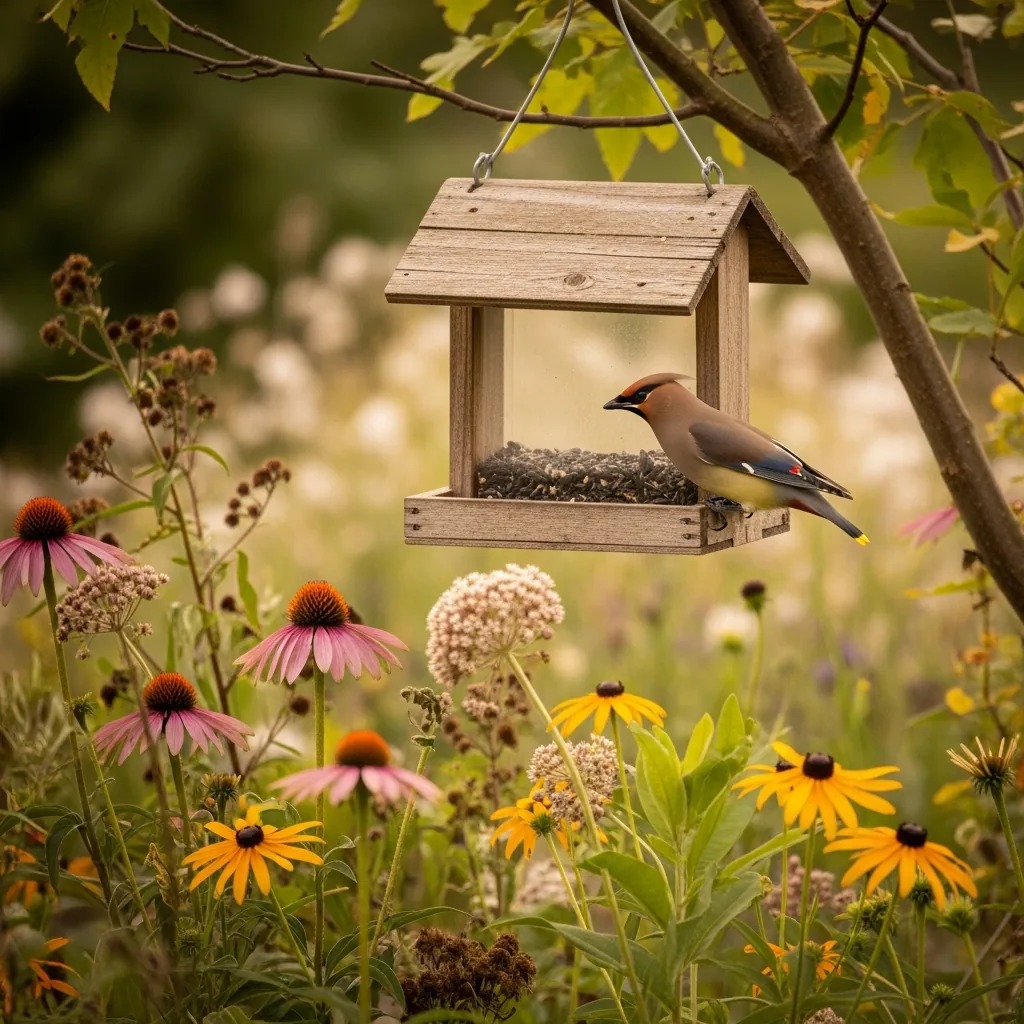
- A bird with a striking crest, like the waxwing, often seen in winter.
- A small finch with a chestnut cap and a black cheek spot, possibly a tree sparrow.
- A bird slightly larger than a blackbird with a grey head and chestnut wings, like a fieldfare, especially in cold weather.
- A tiny bird with a vivid yellow or orange stripe on its head, likely a goldcrest.
- A stout finch with a black cap and a bright rose-red breast, which could be a bullfinch.
- A bird with a black eye stripe and orange-buff underparts, similar in size to a robin, possibly a nuthatch.
- A brightly colored member of the crow family with flashes of white on its rump, which might be a jay.
- A grey bird with a yellow breast and a constantly wagging tail, especially near water, suggesting a grey wagtail.
- A large green woodpecker with a red cap, often seen on the ground, likely a green woodpecker.
Worth calling an expert:
- If a bird appears injured, lethargic, or has visible wounds, contact a local wildlife rehabilitator or veterinarian.
- If you find a nest with young birds that seems abandoned, wait 24 hours before intervening unless there’s immediate danger.
- If you suspect a bird is suffering from a known disease (like avian flu symptoms), report it to your local wildlife agency or USDA.
- If you’re unsure about identifying a bird and plan to take action like applying pesticides, consult your local cooperative extension office for advice on native vs. invasive species.
- If you observe an unusual number of sick or dead birds in your area, report it to the U.S. Geological Survey’s National Wildlife Health Center.
Steps to Identify Rare Birds in Your Backyard
- Observe and Record: When you see an unfamiliar bird, take a moment to note its size relative to common birds like sparrows or robins. Pay close attention to its colors, markings, beak shape, and any distinctive behaviors like hopping, climbing, or bobbing. Jot down these details immediately or as soon as possible.
- Listen Carefully: Bird calls and songs are crucial identification tools. Try to note the sound – is it a chirp, a whistle, a trill, or a complex song? Apps like Merlin Bird ID can help identify birds by sound if you can record it. The Old Farmer’s Almanac offers some common bird sound examples.
- Consult Field Guides and Apps: Use reliable resources to compare your observations. Bird identification apps, online databases, and physical field guides are invaluable. Cross-reference your notes with descriptions and images. Look for characteristics that match your sighting.
- Consider Your Location and Season: What’s rare in one region might be common in another. Also, bird populations change throughout the year due to migration and breeding seasons. Knowing your local area’s typical birdlife is key to recognizing unusual visitors. Your local extension office can often provide regional bird lists.
- Check for Habitat Clues: Observe where the bird is. Is it on a feeder, in a tree, on the ground, or near water? Different species have preferred habitats. For example, grey wagtails are often found near streams. Providing diverse garden habitats can attract a wider array of birds.
- Look for Food Preferences: What is the bird eating, or what is available in your garden? Some birds prefer seeds, others insects, berries, or nectar. The Clemson Cooperative Extension discusses bird food preferences, noting that some seeds, like spicy ones, can deter certain pests.
- Document and Share (Optional): If you’re serious about identification and contributing to citizen science, consider using apps like eBird or iNaturalist. These platforms allow you to log sightings and help researchers track bird populations.
Common Myths About Rare Backyard Birds
Myth: Any bird not seen every day is a rare bird.
Reality: Rarity is relative to your location and the time of year. Many birds are migratory or only visit certain areas seasonally. What seems rare might just be a visitor passing through during migration or a species that prefers specific habitats not abundant in your immediate yard.
Myth: All unusual birds are endangered.
Reality: Not all uncommon birds are on a conservation watch list. Some species might be rare in gardens simply because they prefer deep woods or open fields, or their populations are naturally smaller. Conservation concern usually applies to species facing significant population declines, like those on the UK’s Red List, which are different from simply being uncommon in a specific garden.
Myth: You need expensive equipment to identify rare birds.
Reality: While binoculars can enhance viewing, basic observation skills are most important. A keen eye for detail, a notebook, and access to online resources or a good field guide are often enough. Many common apps can even help identify birds by their song.
Myth: Feeding birds guarantees rare visitors.
Reality: Providing food can attract more birds, but it doesn’t guarantee rare species. Rare birds visit gardens based on a complex mix of factors including habitat availability, food sources, and migration patterns. Offering several food types and native plants is more effective than just putting out seed.
What to Track for Bird Identification
- Bird size (compared to sparrow, robin, blue jay)
- Overall color and specific markings (e.g., crest, cap, eye stripe)
- Beak shape and color
- Tail length and shape
- Leg color
- Singing or calling patterns (frequency, type of sound)
- Behavior (hopping, climbing, feeding style)
- Habitat preference (feeder, tree, ground, water)
- Time of year observed
- Weather conditions during observation
Frequently Asked Questions About Rare Birds
What makes a bird species considered ‘rare’ in a garden?
A bird is considered rare in a garden if it’s not typically seen in that specific location or during that time of year. This can be due to its natural range, migration patterns, habitat preferences, or declining population numbers. What’s rare for one gardener might be common for another just a few miles away.
Can I attract rare birds to my garden?
You can increase your chances by creating a bird-friendly habitat. Planting native trees, shrubs, and flowers that provide food (berries, seeds, insects) and shelter is key. Providing clean water sources like bird baths also helps. While you can’t force rare birds to visit, you can make your garden more appealing to a wider variety of species.
How do I know if a bird is native or invasive?
Identifying native versus invasive species is important. Generally, native birds are those that have historically occurred in your region. Invasive species are typically plants or animals introduced from elsewhere that can outcompete native wildlife. For bird identification and concerns about invasives, your local cooperative extension office is an excellent resource. They can help distinguish between common, rare, and potentially problematic species.
Are there specific plants that attract rare birds?
Native plants are your best bet. For example, in many parts of the US, serviceberries and dogwood trees provide berries that attract various songbirds. Oak trees support a vast array of insects, which in turn feed many bird species. Researching plants native to your specific region is the most effective way to support local bird populations.
What should I do if I see a bird that looks truly unusual?
First, try to observe and document it as thoroughly as possible using the tips below. Take photos or videos if you can without disturbing the bird. Then, consult reputable field guides and online resources. If you’re still unsure, you can reach out to local birding groups or your state’s wildlife agency for assistance with identification.
How can I help protect rare bird populations?
You can help by maintaining and restoring natural habitats, reducing pesticide use in your garden, keeping cats indoors, and supporting conservation organizations. Educating yourself and others about local bird species and their needs is also crucial. Every little bit helps create a healthier environment for birds.
Happy Birdwatching!
Spotting rare birds is a delightful bonus to gardening. Remember that every garden is unique, and what you see depends on your local environment and the season. Don’t get discouraged if you don’t see exotic species right away. Focus on making your garden a welcoming place for all birds. If you ever encounter a bird that seems injured or if you’re concerned about a specific species, don’t hesitate to reach out to your local cooperative extension office or wildlife professionals. They’re there to help us all grow better gardens and support our feathered friends.