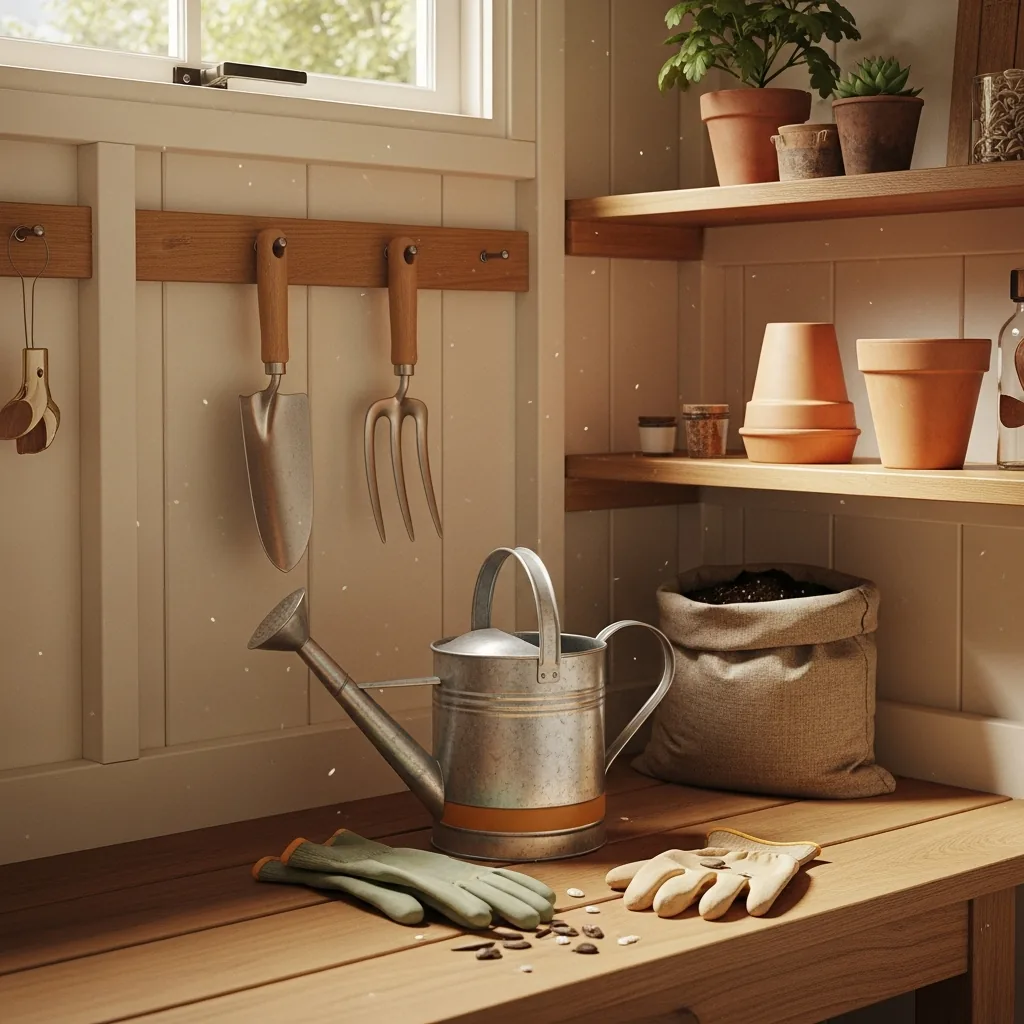
Quick Winter Garden Cleanup Tips
Quick version: Winter garden cleanup involves several key tasks to prep your yard for spring. Focus on clearing debris, cleaning tools, and protecting plants. You should also clean pots and tidy up garden structures. Consider covering garden beds to warm the soil and prevent excessive wetness. For tasks like major pruning or identifying potential plant diseases, it’s often best to consult an expert. Proper winter garden cleanup prevents pests and diseases from overwintering and sets you up for a healthier growing season. I learned this the hard way with overwintering slugs (vegetable garden)!
Getting your garden ready for spring starts with winter garden cleanup. I know, it’s not the most exciting task. Honestly, I’ve spent more time dreaming about spring planting than actually tidying up. But trust me, a little effort now makes a huge difference later. This guide covers simple tasks you can tackle yourself. We’ll also talk about what jobs are best left to the pros. Think of me as your friend who’s made all the mistakes so you don’t have to. We’ll rely on solid advice from university extensions and trusted gardening resources.
Why Winter Garden Cleanup is So Important
Okay, so why bother with winter garden cleanup when it’s cold and frankly, a little miserable outside? I used to think I could just let nature take its course. Turns out, that’s not always the best approach for a thriving garden. Winter is actually a prime time to get ahead of problems that can plague your plants later on. Clearing out dead foliage and debris removes hiding spots for pests like slugs and snails. These critters can do serious damage to new growth in the spring. It also helps prevent diseases from overwintering. Many fungal spores and bacteria love to hang out in dead plant material. Removing it is like giving your garden a fresh start.
University extensions, like Penn State, often stress the importance of fall and winter cleanup for disease management. They note that removing diseased plant parts can significantly reduce the inoculum for the next growing season. This includes removing any. It’s also about protecting your tools and equipment. Cleaning and oiling them now means they’re ready to go when spring arrives, saving you time and frustration. Plus, tidying up makes your garden look more inviting, even in the off-season. It gives you a sense of accomplishment and keeps that gardening spark alive during the colder months.
What to Do Now vs. What to Wait For
Deciding what to tackle during your winter garden cleanup can feel overwhelming. Some tasks are straightforward and can be done anytime the weather permits. Others require specific conditions or a bit more expertise. Here’s a breakdown to help you prioritize.
Worth doing now:
- Clear dead plant material: Remove spent annuals, dead stalks of perennials, and fallen leaves from beds. Leave some seed heads for winter interest and wildlife, but remove diseased material.
- Clean and sharpen tools: Wash off soil, dry tools thoroughly, and apply a light coat of oil to prevent rust. Sharpen blades on pruners, shovels, and hoes.
- Wash pots and containers: Scrub pots, especially those that held diseased plants, with soap and water. Rinse well and let them dry completely to prevent mold and mildew.
- Tidy up garden structures: Sweep patios, clean bird feeders, and check trellises or supports for any needed repairs.
- Rake leaves: Gather fallen leaves from lawns and garden beds. Use them for compost or mulch, but avoid leaving thick layers on beds, which can smother plants.
- Inspect and repair garden furniture: Wipe down benches and chairs. Check for any damage and make repairs before spring.
Worth calling an expert:
- Large tree pruning: If you have large branches that need significant pruning, especially near your house or power lines, it’s best to hire an ISA-certified arborist.
- Identifying unknown plant diseases or pests: If you see something concerning you can’t identify, it’s wise to consult your local cooperative extension office. They can help diagnose issues and recommend safe treatments. They offer resources for.
- Suspected soil contamination: If you have concerns about your soil’s safety, especially in urban areas or near old industrial sites, your extension office can guide you on testing.
- Dealing with invasive species: For aggressive invasive plants that are difficult to control manually, an expert can advise on the best management strategies.
- Significant structural damage to garden structures: If a shed, fence, or large planter needs major structural repair, it might be time to call a professional contractor.
Step-by-Step Winter Garden Cleanup
- Clear Out Debris: Start by removing all dead annual plants and spent perennial stalks from your garden beds. Cut back perennials to a few inches above the ground, unless they offer good winter interest or wildlife habitat. Bag up any plant material that shows signs of disease, like powdery mildew or blight. You can add healthy plant debris to your compost pile. This step should ideally be done after the first hard frost but before heavy snow.
- Clean and Store Pots: Gather all your empty pots, planters, and seed trays. Scrub them thoroughly with warm, soapy water to remove old soil, algae, and potential fungal spores. A stiff brush works well for this. For stubborn grime, you might need to soak them first. Rinse them well and let them air dry completely before storing them to prevent cracking in freezing temperatures. This is a good task for a chilly, rainy day.
- Tidy Up Tools and Equipment: Clean dirt off all your garden tools like shovels, trowels, pruners, and hoes. Dry them thoroughly to prevent rust. Sharpen any dull blades using a whetstone or file. Apply a light coating of oil (like linseed oil or even WD-40) to metal parts to protect them. Store them in a dry place, like a shed or garage. Doing this now ensures they’re ready for action come spring.
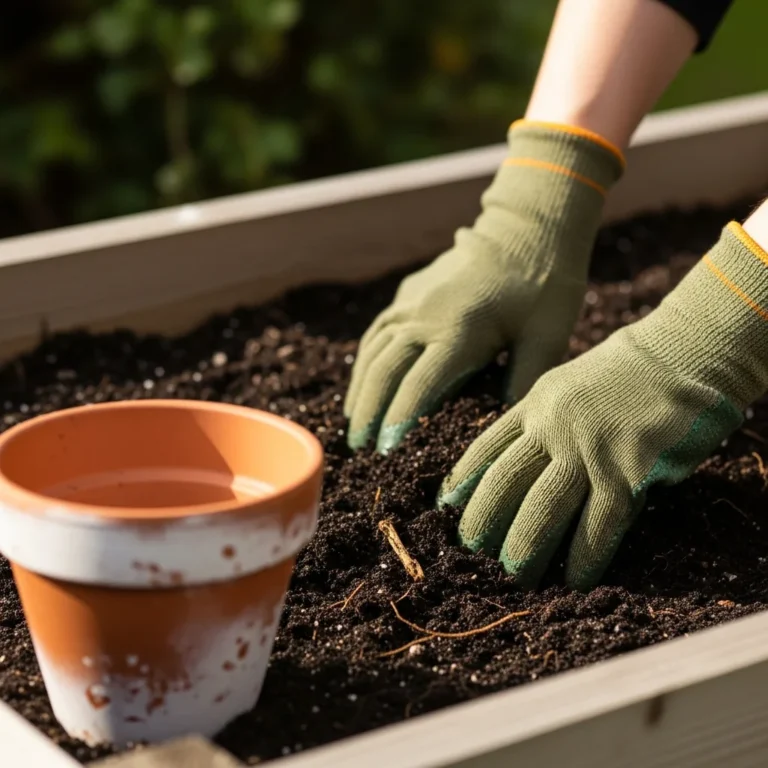
- Prepare Garden Beds for Spring: If you want to get a jump on spring planting, consider covering your garden beds with clear or black plastic sheeting now. This helps warm the, making it workable earlier. Black plastic absorbs more heat and warms the soil faster than clear plastic. Ensure the edges are secured with rocks or soil to keep it in place. This method also helps suppress early weeds.
- Mulch Sensitive Plants: For any tender perennials or newly planted shrubs that might be vulnerable to winter cold, apply a layer of mulch. Use straw, shredded bark, or compost. Apply about a 2-3 inch layer around the base of the plants, keeping it a little away from the stems themselves. This insulates the soil, protecting roots from extreme temperature fluctuations.
- Organize Your Shed or Garage: Take some time to declutter and organize your gardening tools and supplies. Group similar items together. Make sure pesticides, fertilizers, and other chemicals are stored safely and according to label instructions, away from children and pets. A well-organized space makes finding what you need much easier.
Common Winter Garden Cleanup Myths
Myth: You need to remove every single leaf and dead plant stalk from your garden in the fall or winter.
Reality: While cleaning up debris is important, leaving some organic matter can benefit your garden. Seed heads provide food for birds, and some hollow stems offer shelter for beneficial insects. The key is to remove diseased material and excessive leaf litter that can smother plants or harbor pests. The University of Illinois Extension suggests a balanced approach: remove diseased parts and excessive debris, but leave some natural elements for wildlife and soil health.
Myth: Cleaning pots isn’t really necessary; they’ll just get dirty again.
Reality: It’s crucial to clean pots thoroughly between uses. Old potting soil can harbor fungal spores, bacteria, and even insect eggs or larvae. Reusing dirty pots can introduce diseases or pests to your new plants, hindering their growth from the start. Warm, soapy water is usually sufficient for plastic pots, while a scrub brush helps with stubborn soil on terracotta. Letting them dry completely is key to preventing mold.
Myth: Winter is too cold and wet to do any significant garden work.
Reality: While extreme weather can halt outdoor activities, many winter garden cleanup tasks are ideal for milder winter days. Clearing debris, cleaning tools, and organizing your shed can be done whenever the temperature is above freezing. Furthermore, certain tasks, like covering beds to warm the soil, are specifically timed for late fall or winter to prepare for spring. Penn State Extension provides guides on winter gardening activities that are beneficial.
Myth: My lawn just needs to be mowed short for winter and left alone.
Reality: While mowing is part of fall lawn care, simply mowing short isn’t the whole story. Removing fallen leaves prevents them from smothering the grass and creating a damp environment for disease. Aerating the soil can improve drainage and reduce compaction. Some final feeding with a winterizer fertilizer can also help the turf establish strong roots before dormancy. Neglecting these steps can lead to a weaker lawn in the spring.
What to Track During Winter Cleanup
Keeping notes on your garden, even during the cleanup phase, can be super helpful. It helps you remember what you did, what worked, and what you might need to address next year. Here’s a checklist of things to observe and note:
- Date of cleanup completion: Note when you finished your main winter cleanup tasks.
- Condition of perennial stalks: Were they mostly healthy, or did you see many disease signs?
- Pest activity observed: Did you find slugs, snails, or other pests hiding in debris? Note their prevalence.
- Tool condition after cleaning: Did your tools clean up well? Did any show significant rust or damage?
- Pot cleanliness: How much effort did it take to get your pots clean? Were some particularly stubborn?
- Soil moisture in beds: After clearing, how wet or dry did the soil feel? This can inform future mulching or drainage needs.
- Condition of stored supplies: Did any potting soil bags get wet? Are fertilizers still sealed and dry?
- Any plant health concerns noted: Did you see any plants that looked particularly weak or diseased? Make a note to monitor them in spring.
Frequently Asked Questions About Winter Garden Cleanup
Should I leave fallen leaves on my garden beds over winter?
It’s a mixed bag. A light layer of leaves can act as natural mulch, insulating the soil and protecting plant roots. However, thick layers can smother plants, block sunlight, and create a damp environment where diseases can thrive. It’s best to remove excess leaves, especially those from diseased plants, and use healthy ones for compost or mulch elsewhere. University of Illinois Extension advises removing diseased material.
When is the best time to do winter garden cleanup?
The ideal time depends on your climate, but generally, major cleanup should happen after the first hard frost and before the ground freezes solid. This timing allows plants to go dormant and reduces the risk of disturbing overwintering beneficial insects. However, tasks like cleaning pots or tools can be done anytime the weather is workable. Preparing beds with plastic sheeting should be done in late fall or early winter.
How do I prepare my lawn for winter?
Winter lawn preparation involves a few key steps. Continue to rake leaves off the grass to prevent smothering. If you haven’t already, consider a final mow to about 2.5 inches. Aerate compacted areas to improve water and air penetration. Applying a winterizer fertilizer can help strengthen the roots. Avoid heavy foot traffic on frozen or wet grass. A clean, well-prepared lawn will green up faster in spring.
What should I do with old potting soil?
Don’t just throw old potting soil away! You can often revitalize it. Mix it with fresh compost or aged manure, about 1 part amendment to 3 parts old soil. You can also solarize it by spreading it thinly on a dark tarp in full sun for a few weeks to kill off potential pathogens. However, if the soil was used for a plant with a serious disease, it’s safer to discard it or sterilize it thoroughly. Check with your local cooperative extension for specific advice on soil reuse.
Is it okay to leave perennial seed heads standing for winter?
Yes, absolutely! Many gardeners intentionally leave perennial seed heads standing through the winter. They provide a beautiful architectural element in the garden, offer a valuable food source for birds, and can even offer some protection to the plant’s crown. Once spring arrives and new growth begins, you can then cut back the old stalks. It’s a great way to support wildlife during the colder months.
How do I clean terracotta pots?
Terracotta pots can be a bit trickier than plastic. They tend to absorb moisture and can develop stubborn mineral deposits and algae. Soaking them in hot, soapy water for an hour or two can help loosen the grime. You can use a stiff brush or even a mild bleach solution (1 part bleach to 9 parts water) for tough stains, but be sure to rinse them extremely well and let them dry completely in the sun. The RHS also suggests using a vinegar solution for mineral deposits.
Wrapping Up Your Winter Garden Tasks
So there you have it! Winter garden cleanup might not be the most glamorous part of gardening, but it’s incredibly rewarding. By taking these steps, you’re not just tidying up; you’re actively investing in the health and success of your garden come spring. Remember, you don’t have to do it all at once. Break it down into manageable tasks. And if you encounter something that seems beyond your comfort zone, like a large tree issue or a mysterious plant disease, don’t hesitate to reach out to the experts. They’re there to help you keep your garden thriving.