Quick Answer: What to Know About January 10 in the Garden (vegetable garden)
TL;DR: January 10 is a day to appreciate winter blooms and prepare for spring. Look for early flowers like Helleborus niger and Witch Hazel. It’s also National Houseplant Appreciation Day, a good reminder to care for indoor plants. For outdoor gardens, check on dormant perennials and plan your spring planting. This date marks a good time to assess overwintering success and plan ahead. Always consult local extension offices for region-specific advice; plant care varies greatly by climate zone.
The calendar date January 10 might seem like just another winter day. But for us backyard gardeners, it’s a chance to check in. What should be happening in your garden right now? What plants are surprising us with blooms? This guide covers the essentials for January 10. We’ll look at what’s blooming, what tasks you can tackle, and what to watch out for. This isn’t about advanced horticulture. It’s about practical advice from one gardener to another, backed by reliable sources.
Why January 10 Matters for Your Backyard Garden
You might be wondering why we’re focusing on a specific date like January 10. For those of us who love our backyards, every day is a potential gardening day. Even in the depths of winter, the garden is never truly asleep. January 10 falls right in the heart of winter for most of the US. This means it’s a critical time for observation and planning. Are your overwintering plants doing okay? Are there any early signs of pests or diseases?
This date is also significant because it’s National Houseplant Appreciation Day. It’s a great reminder to give some extra love to the green friends inside your home. They work hard to clean our air. For the garden outside, January 10 is a good checkpoint. It helps us gauge the health of our dormant plants and anticipate the coming spring. The Clemson Cooperative Extension highlights January tasks like planning and ordering seeds. This proactive approach makes a huge difference.
Understanding what’s happening around this time helps us be better stewards of our garden spaces. It’s about being present and aware, even when the weather keeps us indoors. The insights gained now can prevent problems later. It also helps us celebrate small victories, like spotting the first brave bloom.
January 10: Watch and Wait, or Call the Experts?
Winter gardening often feels like a waiting game. But knowing when to act versus when to simply observe is key. This is especially true when dealing with potential issues or planning significant garden changes. Here’s a breakdown for January 10, tailored for the backyard gardener.
Worth watching:
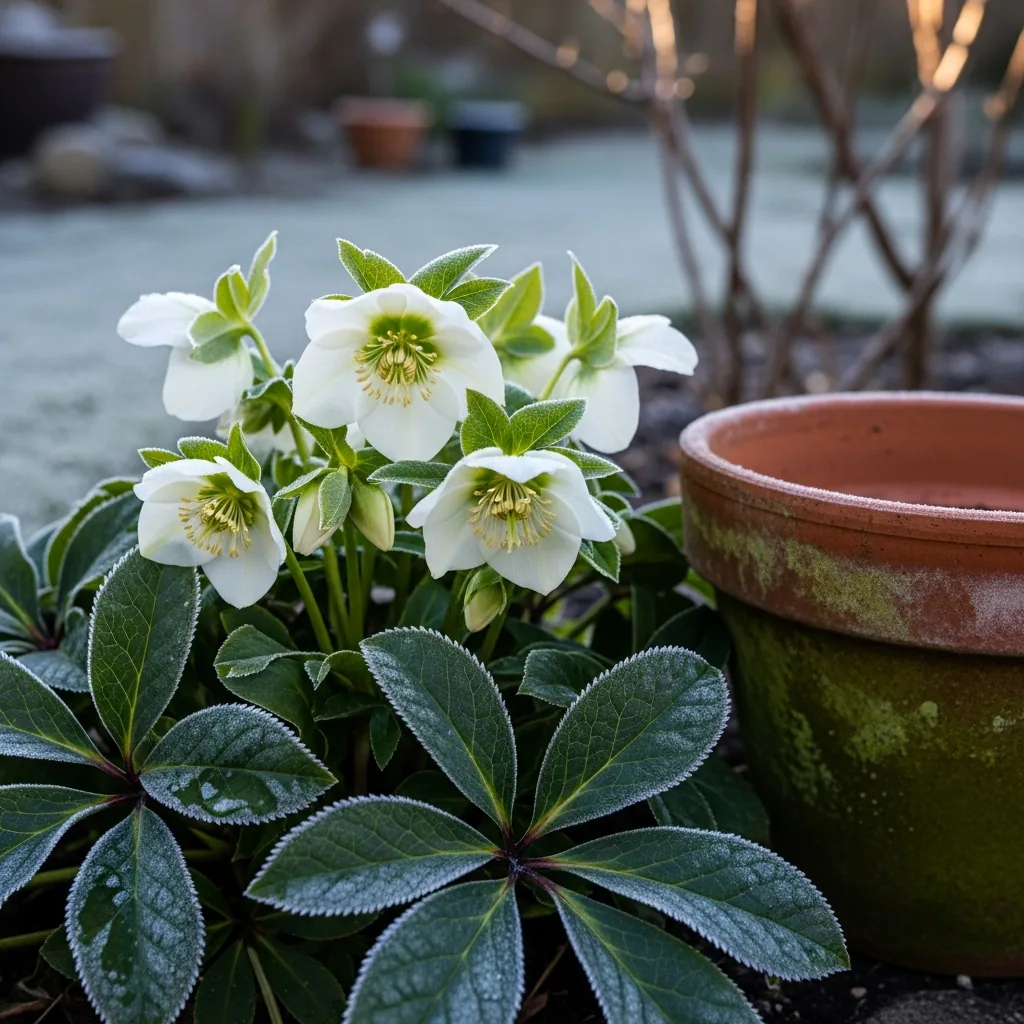
- Early Blooms: Look for the very first signs of winter-flowering plants like Helleborus niger (Christmas rose) or early Witch Hazel varieties. Their appearance signals that spring is slowly arriving.
- Dormant Perennials: Check on your perennial beds. Are the mulch layers still in place? Are any plants pushing through the soil too early? Note any heaving caused by freeze-thaw cycles.
- Houseplant Health: Since January 10 is National Houseplant Appreciation Day, give your indoor plants a good look-over. Check for pests like spider mites or mealybugs, and assess if they need repotting or a different light source.
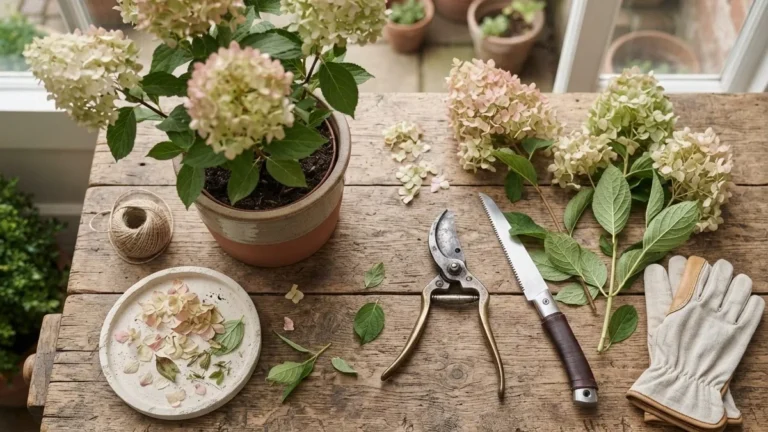
- Tool Maintenance: Your garden tools have been resting. Now’s a good time to wipe them down, sharpen blades, and oil them. This ensures they’re ready for spring tasks.
- Seed Catalogues: If you haven’t already, January 10 is a perfect day to pore over seed catalogues. Start making your wish list for spring planting.
- Winter Interest: Appreciate the structure and form of your deciduous trees and shrubs. Their bare branches can be quite beautiful against a winter sky.
Worth calling an expert:
- Suspected Plant Toxicity: If you suspect your pet has ingested a toxic plant, contact the ASPCA Animal Poison Control Center immediately.
- Large Tree Concerns: If a large tree on your property shows signs of disease, structural weakness, or is a hazard due to storms, consult an ISA-certified arborist. They can assess risks for potential limb failure.
- Persistent Pest or Disease Issues: If you’re seeing signs of an aggressive pest or disease you can’t identify or manage, contact your local Cooperative Extension office. They can help with identification and management strategies.
- Soil Contamination Concerns: If you have concerns about potential soil contamination (e.g., near old industrial sites or due to lead paint chips), get a professional soil test. Your local extension office can guide you.
- Unidentified Invasive Species: If you find a plant you suspect is an invasive species and you’re unsure how to manage it safely, seek advice from your local extension office or a reputable horticulturalist.
Your January 10 Garden Action Plan
While winter often means less active gardening, there are still useful steps you can take around January 10. These actions prepare your garden for spring and keep you connected to your green space. Here’s how to make the most of this mid-winter day.
- Assess Winter Protection: Check protective coverings on your tender perennials or shrubs. Ensure they are still secure and haven’t blown away. Adjust or reapply mulch if needed, aiming for a 2-3 inch layer around plants, keeping it a few inches from stems. This insulates roots from extreme temperature fluctuations.
- Tidy Up and Prune (Selectively): Remove dead or damaged branches from trees and shrubs that are easily accessible and safe to prune. For many plants, major pruning is best left until late winter or early spring. However, removing storm-damaged limbs now can prevent further harm. Consult an ISA-certified arborist for work on large or difficult-to-reach branches.
- Plan Your Spring Planting: Now is the perfect time to plan what you want to grow this spring. Review your garden journal from last year. Decide where new plants will go and what you’ll sow. Order seeds and bare-root plants early to get the best selection. The University of Illinois Extension suggests planning your garden layout now for a smooth spring start.
- Care for Houseplants: Since it’s National Houseplant Appreciation Day, give your indoor plants attention. Check for pests, water them if the soil is dry (most houseplants need less water in winter), and ensure they have adequate light. Rotate pots to promote even growth.
- Clean and Sharpen Tools: Gather your garden tools. Clean off any dirt or rust. Sharpen blades on pruners, loppers, and shovels. Apply a light coat of oil to metal parts to prevent rust during storage. Well-maintained tools make spring gardening tasks much easier and safer.
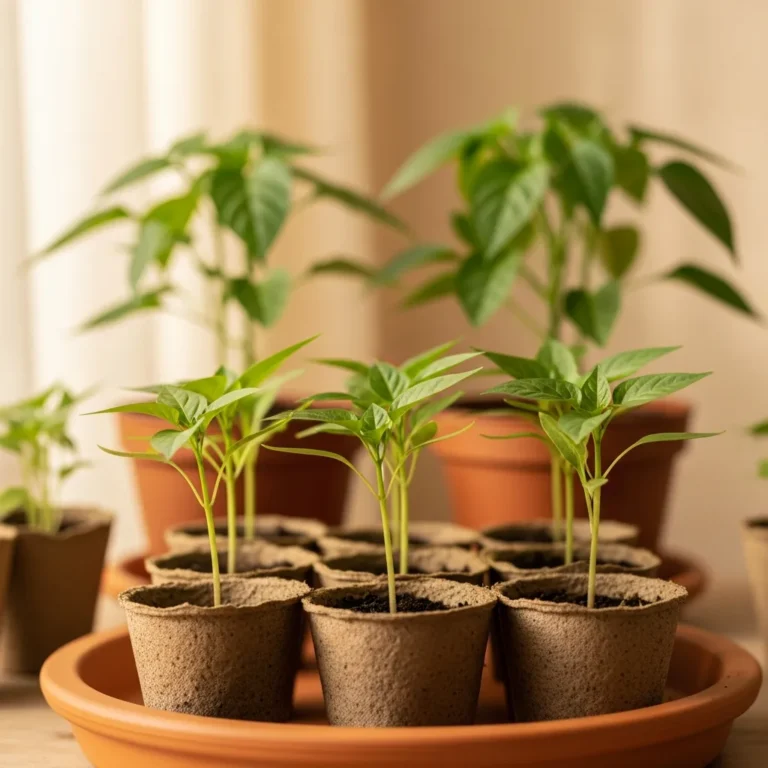
- Start Seeds Indoors (Optional): Depending on your climate zone and what you’re growing, some long-season vegetables or flowers might be started indoors around this time. Check seed packets for specific instructions. Use a sterile seed-starting mix and provide adequate light and warmth.
Common Myths About January Gardening
Myth: Nothing can be done in the garden in January; it’s a total rest period.
Reality: While many plants are dormant, January is crucial for planning, ordering seeds, and preparing tools. It’s also a time to appreciate winter interest and care for houseplants. The Clemson Cooperative Extension emphasizes that planning and ordering seeds in January are vital for a successful spring.
Myth: All outdoor plants are completely dead or dormant and require no attention until spring.
Reality: Many plants are dormant, but their roots are still alive. Evergreen plants continue to photosynthesize, albeit slowly. Some hardy perennials and shrubs may even show early signs of life or bloom. Mulch layers need checking to ensure they protect roots from harsh freezes and thaws.
Myth: You can’t grow anything in January.
Reality: While outdoor planting is limited in most regions, many winter-flowering plants bloom in January, like Witch Hazel and Christmas Roses. Inside, houseplants thrive and can even be propagated. Some cold-hardy crops might be planted in very mild climates or under protection like cold frames.
Myth: January 10 is just a random date with no special gardening significance.
Reality: January 10 is National Houseplant Appreciation Day, a perfect time to focus on indoor greenery. It also falls within a period where gardeners typically assess winter damage, plan for spring, and observe early winter blooms. It serves as a good mid-point marker for winter garden tasks.
What to Track in Your Garden Around January 10
Keeping a garden journal is one of the best habits you can develop. Even in winter, observing and noting details helps you understand your garden’s cycles and anticipate its needs. Around January 10, focus on these key areas:
- Winter Bloomers: Note the specific dates your Witch Hazel, Helleborus, or other early bloomers first show flowers. Record the intensity and duration of their bloom.
- Frost Heaving: Observe if any plants have been pushed out of the soil by freeze-thaw cycles. Note the specific plants and the extent of heaving.
- Mulch Depth and Coverage: Check if mulch layers are still adequate (2-3 inches) and haven’t eroded significantly. Note any areas that need replenishment.
- Houseplant Condition: Track watering needs, new growth, leaf color, and any signs of pests or disease on your indoor plants.
- Wildlife Activity: Note any birds or beneficial insects visiting your garden, especially those attracted to winter blooms or berries.
- Tool Condition: Make a note of which tools need sharpening, cleaning, or repair after your winter check.
- Spring Planning Notes: Record your seed orders, desired plant locations, and any new garden design ideas you’re considering.
- Weather Patterns: Keep a simple log of significant weather events like heavy snow, ice storms, or unusually warm spells.
Frequently Asked Questions About January 10 Gardening
What are the best plants to see blooming around January 10?
Around January 10, you might see early bloomers like Helleborus niger (Christmas rose), Witch Hazel (Hamamelis), and some early Snowdrops (Galanthus). Winter Aconites (Eranthis hyemalis) can also start to appear in milder climates. These plants are true harbingers of spring, offering color and cheer during the darkest days.
Is January 10 a good time to prune trees?
For many deciduous trees, late winter or early spring is ideal for pruning. However, January 10 is a good time to remove any dead, damaged, or diseased branches that pose a safety risk. Always consult an ISA-certified arborist for large trees or complex pruning needs.
What should I do with my houseplants on January 10?
January 10 is National Houseplant Appreciation Day! It’s the perfect time to check on your indoor plants. Water only if the soil is dry, as most plants need less water in winter. Look for pests, rotate pots for even light exposure, and consider if any plants need repotting soon. Ensure they’re getting enough light, which can be limited in January.
Can I start seeds indoors on January 10?
Yes, depending on your region and what you’re growing. Long-season vegetables like tomatoes, peppers, and some flowers (like petunias or impatiens) can be started indoors in early January. Use a quality seed-starting mix and provide adequate warmth and light. The University of Illinois Extension offers guidance on starting seeds indoors.
What are the biggest mistakes gardeners make in January?
Common mistakes include overwatering dormant plants, both indoors and out, and neglecting to plan for spring. Many gardeners also forget about tool maintenance. Another pitfall is not checking on overwintering plants, which can lead to damage from frost heaving or pests. Proactive planning and careful observation are key.
How do I prepare my garden beds for spring planting around January 10?
While you can’t do much active planting outdoors in most areas, you can prepare your beds mentally and logistically. Review last year’s garden notes. Plan your crop rotation and new plantings. If your soil is workable and not frozen or waterlogged, you can spread a layer of compost or aged manure. This allows it to break down over winter. Your local Cooperative Extension office can provide region-specific advice on soil preparation.
Embrace the Winter Garden
January 10 is more than just a date on the calendar. It’s an opportunity to connect with your garden, even in its quietest season. Whether you’re admiring a brave winter bloom, tending to your houseplants, or planning for the explosion of life to come, your efforts matter. Remember, the best gardeners learn from their plants and from reliable advice. If you encounter anything concerning, like potential plant toxicity or a tree posing a risk, don’t hesitate to reach out to the experts. Happy winter gardening!