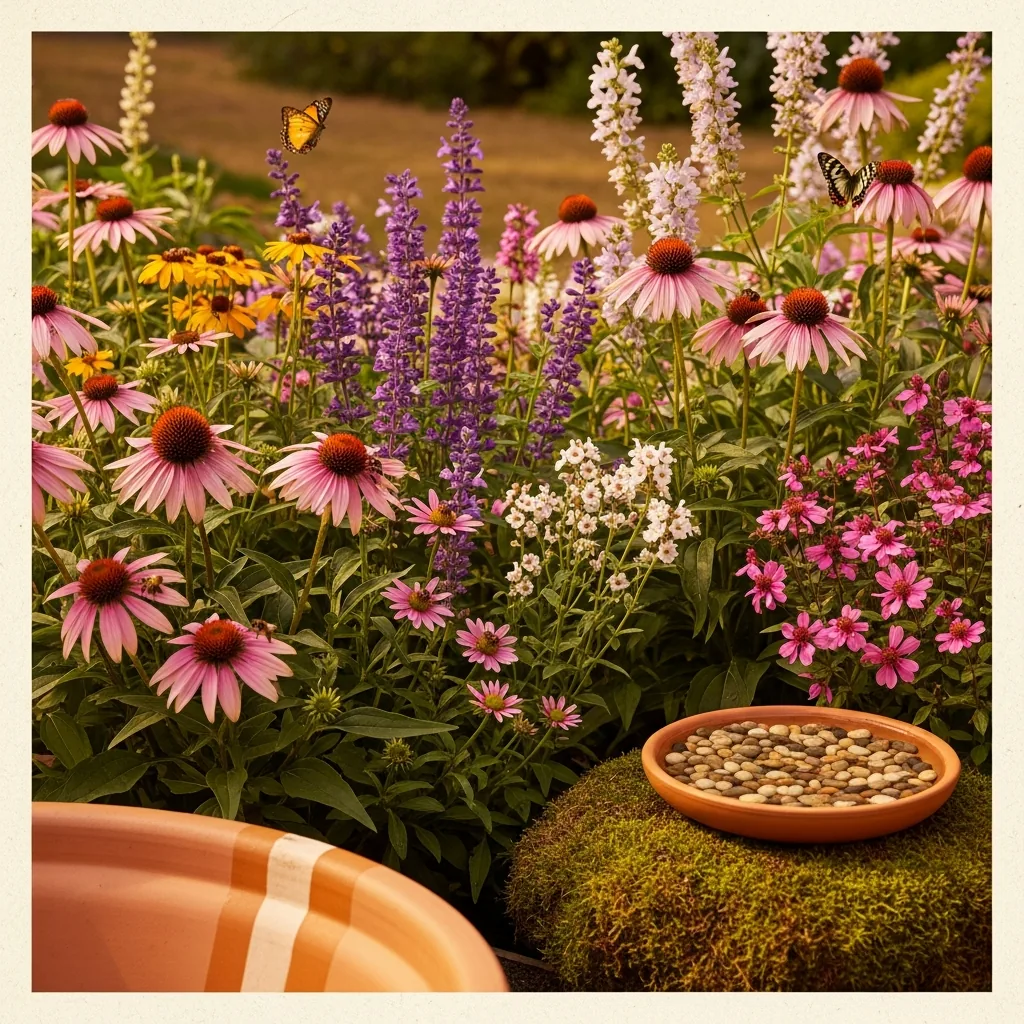
Quick Guide to Attracting Pollinators
Quick version: To attract pollinators, plant a diverse range of flowers that bloom throughout the season in various colors, especially blues, purples, yellows, and whites. Bees generally prefer these shades. Opt for native plants when possible, as they are best suited to local wildlife. Provide a water source, like a shallow dish with pebbles, and avoid using pesticides, especially during bloom times. Planting in clusters makes it easier for pollinators to find food. Consider plants like sunflowers, coneflowers, asters, and salvias for consistent blooms. The fact that you looked this up means your garden is in good hands.
Want to make your garden a haven for bees, butterflies, and other beneficial insects? It’s easier than you might think! I used to struggle keeping even simple houseplants alive, so I get it. But with a little know-how, you can create a lively ecosystem right outside your door. this guide covers help you attract pollinators, focusing on plants and practices that actually work for us home gardeners. We’ll cover which flowers are best, when to plant them, and how to keep them thriving. I’m not a botanist, just a fellow gardener who’s learned a lot by doing (and sometimes messing up!) (vegetable garden).
We’ll look at the ‘why’ behind supporting these tiny helpers and give you practical steps to get started. You’ll learn what to watch for and when it’s time to call in the experts. This isn’t about fancy jargon; it’s about creating a healthier garden that benefits everyone. Let’s make your garden buzz with life!
Why Your Garden Needs More Buzz
So, why should we care about attracting pollinators to our backyards? It’s more than just pretty flowers and buzzing bees. Pollinators are absolutely essential for healthy ecosystems and for growing much of our food. Think about it: without bees, butterflies, moths, and even some beetles, many plants wouldn’t be able to produce fruits or seeds. This impacts everything from the berries in your smoothie to the vegetables on your plate. A study highlighted by the USDA NRCS emphasizes that pollinators are critical for the reproduction of over 75% of the world’s flowering plants and about 35% of the world’s food crops. They are tiny, tireless workers ensuring our gardens (and farms!) are productive.
Beyond food production, a garden rich in pollinators is a sign of a healthy environment. These creatures play a vital role in maintaining biodiversity. When you create a space that welcomes them, you’re not just helping bees and butterflies; you’re supporting a whole chain of life. It’s about creating a balanced garden where nature can do its thing. I learned this the expensive way when my vegetable harvest was dismal one year. Adding more pollinator-friendly plants made a huge difference. It’s a win-win: more beauty and bounty for you, and a vital food source for them.
When to Plant and When to Worry
Figuring out the best time to plant and what to look out for is key. Most of these plants thrive when given a head start, but some things need immediate attention.
Worth planting now:
- Spring Planting for Summer Blooms: For many flowering plants like sunflowers, coneflowers, and zinnias, starting seeds indoors 6-8 weeks before your last expected frost, or sowing directly outdoors after the danger of frost has passed, is ideal. This ensures they establish roots before the heat of summer.
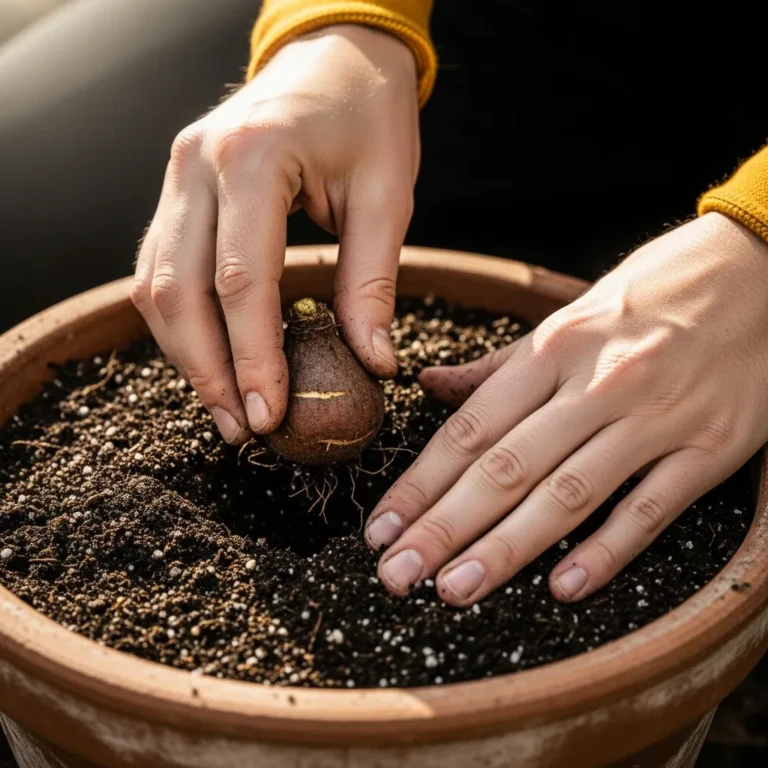
- Fall Planting for Spring Buzz: Consider planting bulbs like alliums in the fall. They’ll overwinter and provide early spring nectar, often before many other plants are in full bloom.
- Early Spring Perennial Division: If you already have established perennial plants like asters or salvias, early spring is a great time to divide them. This rejuvenates the plants and gives you more to spread around your garden.
- Adding Water Sources: A shallow dish filled with pebbles and water can be placed in your garden anytime. Pollinators need water too, and the pebbles give them a safe place to land without drowning.
- Mulching Around Plants: Applying a 2-3 inch layer of organic mulch around your pollinator-friendly plants in spring helps retain soil moisture and suppress weeds.
- Choosing a Sunny Spot: Most pollinator plants need at least 6 hours of direct sunlight daily. Assess your garden’s sun exposure before planting to ensure you choose the right location.
Worth calling an expert:
- Suspected Pet Poisoning: If you suspect your pet has ingested a toxic plant, contact the ASPCA Animal Poison Control Center immediately. Some common garden plants can be harmful, and quick action is crucial. Always check the ASPCA’s toxic and non-toxic plant list before planting.
- Unidentified Plant Issues: If you see a plant or pest you don’t recognize, especially if it’s spreading aggressively or causing significant damage, contact your local cooperative extension office. They can help with plant identification and management strategies for invasive species.
- Large Tree Concerns: For any work involving large trees near your home, or if you have concerns about tree health or structural integrity, consult an ISA-certified arborist. They have the expertise to assess and manage tree risks safely.
- Widespread Plant Disease: If a disease appears to be rapidly spreading through a significant portion of your garden, or if you’re unsure how to treat it without harming pollinators, your local extension office can offer tailored advice.
- Soil Contamination Concerns: If you have concerns about potential soil contamination (e.g., old industrial sites, lead paint chips), a soil test through your cooperative extension office is the best way to get accurate information.
Your Step-by-Step Plan to Attract Pollinators
- Choose several Flowers: Select plants that offer nectar and pollen throughout the growing season, from early spring to late fall. Aim for a mix of flower shapes and colors. Bees, for example, are often drawn to blue, purple, yellow, and white flowers, while hummingbirds prefer red and orange. The University of Minnesota Extension offers a great list of annual and perennial flowers that attract pollinators.
- Plant in Drifts or Clusters: Pollinators often find it easier to forage when flowers are grouped together. Plant at least 3-5 plants of the same variety in a single area. This creates a more visible and appealing landing zone for bees and butterflies.
- Provide a Water Source: Pollinators need water, especially during hot, dry periods. A simple bird bath with added pebbles or marbles, or a shallow dish filled with wet sand, can provide a safe drinking spot. Ensure the pebbles or marbles create islands so insects don’t drown.
- Avoid Pesticides: This is crucial. Many common pesticides are harmful to pollinators. If you must use pest control, opt for organic or least-toxic options and apply them in the evening when pollinators are less active. Never spray open blooms. Your local extension office can provide guidance on integrated pest management strategies.
- Incorporate Native Plants: Native plants are often the best food sources for local pollinators because they’ve co-evolved together. Research plants native to your specific region. For instance, the National Park Service mentions specific wildflowers found in areas like Death Valley that are vital for local insect populations, like the desert wildflowers.
- Leave Some Areas Wild: Don’t aim for a perfectly manicured lawn. Allowing a small patch of your yard to grow a bit wild, with leaf litter and dead stems, can provide crucial overwintering habitat for native bees and other beneficial insects.
- Consider Host Plants: For butterflies, providing specific host plants for their caterpillars is just as important as providing nectar sources for the adults. For example, milkweed is essential for Monarch butterflies.
Busting Common Pollinator Myths
Myth: All bees sting, and they’re aggressive.
Reality: Most bees are not aggressive and only sting if they feel threatened. Honeybees and bumblebees will sting defensively, but many native bees, like mason bees or leafcutter bees, are solitary and very docile. In fact, a significant portion of bees are ground-nesters and don’t even have stingers! Focusing on attracting these gentle pollinators is a great way to boost garden health without worry.
Myth: Butterflies are the only important pollinators.
Reality: While butterflies are beautiful and important, they are not the only players. Bees are arguably the most efficient pollinators for many crops. Moths are crucial nocturnal pollinators, visiting flowers that open at dusk. Even flies and certain beetles play a role in pollination, especially for specific plants. A diverse pollinator population supports a more resilient ecosystem.
Myth: You need a huge garden to attract pollinators.
Reality: Even a small balcony or patio can become a pollinator-friendly space. Container gardening with pollinator-attracting flowers like lavender, salvia, or nasturtiums can make a difference. Every little bit helps support these vital creatures. Penn State Extension points out that even small gardens can contribute to pollinator health if planted thoughtfully.
Myth: Pollinator gardens are messy and unattractive.
Reality: Pollinator gardens can be stunning! With careful planning, you can create a beautiful landscape that also provides food and habitat. Choose plants with varied textures, colors, and bloom times. Incorporating ornamental grasses and native shrubs can add structure and visual interest year-round, proving that beauty and function can go hand-in-hand.
Myth: Planting brightly colored flowers is all you need to do.
Reality: Color is important, but it’s not the only factor. Pollinators are attracted to several floral characteristics. This includes scent, shape, and the availability of nectar and pollen. Some pollinators, like certain bees, are particularly attracted to specific colors like blue and yellow. The University of Illinois Extension has detailed information on flower colors that appeal to different pollinators.
Observing Your Pollinator Garden’s Success
Keeping an eye on your garden’s pollinator activity helps you understand what’s working and what could be improved. Here’s a checklist of things to observe:
- Flower Bloom Times: Note when your plants start blooming and how long they last. This helps you identify gaps in nectar and pollen availability throughout the season.
- Pollinator Visits: Spend a few minutes each week observing which insects are visiting which flowers. Are bees, butterflies, or other insects more common?
- Variety of Pollinators: Try to identify different types of bees (bumblebees, solitary bees) or butterflies visiting your garden. More diversity is usually a good sign.
- Plant Health: Are your pollinator-attracting plants healthy and growing well? Wilting, yellowing leaves, or signs of heavy pest infestation might indicate underlying issues.
- Water Source Use: Check if pollinators are using the water source you provided. If not, you might need to adjust its placement or add more landing spots.
- Pesticide Exposure Signs: Look for any signs of distress in pollinators, such as lethargy or disorientation, which could indicate accidental exposure to pesticides.
- Seed/Fruit Production: For fruiting plants, observe how well they are setting fruit. Increased fruit set can be a direct result of good pollination.
- Presence of Native Bees: Specific native bees have unique nesting habits. If you’ve provided habitat, look for signs of them in the ground or in bee houses.
Frequently Asked Questions About Attracting Pollinators
What are the best flower colors to attract pollinators?
Generally, bees are attracted to blue, purple, yellow, and white flowers. Butterflies often prefer bright colors like red, orange, pink, and purple. Moths, being nocturnal, are drawn to pale or white flowers that are more visible at night. Providing a wide range of colors ensures you appeal to a diverse group of pollinators.
How can I attract more bees to my garden?
To attract more bees, focus on planting several flowers that offer abundant nectar and pollen. Native plants are often excellent choices. Bees especially like flowers with landing platforms. Planting in clusters of the same flower type also makes it easier for them to forage efficiently. Avoid using pesticides, as they can be very harmful to bee populations.
What about attracting butterflies?
Butterflies need two things: nectar for energy and host plants for their caterpillars. Plant nectar-rich flowers in sunny spots, as butterflies love warmth. Good nectar sources include zinnias, butterfly bush, and coneflowers. For host plants, research what butterflies are native to your area. For example, Monarchs rely on milkweed.
Do I need a special water source for pollinators?
Yes, a specialized water source is helpful. A simple bird bath can work, but adding pebbles, marbles, or sand creates safe landing spots. This prevents bees and butterflies from drowning. A shallow dish filled with moist soil or sand can also work. Ensure the water source is kept clean and refilled regularly.
Are native plants really that important for pollinators?
Native plants are incredibly important. They have co-evolved with local insects and provide the specific food sources (nectar, pollen, leaves) that native pollinators need to survive and reproduce. They are often more resilient to local climate conditions and pests, requiring less maintenance. The Penn State Extension often highlights the benefits of native species.
When is the best time to plant for pollinators?
The best time depends on the plant type. Many annuals and perennials are best planted in spring after the last frost, allowing them to establish before summer heat. Fall is ideal for planting bulbs like alliums and for sowing seeds of biennials like honesty, which will bloom the following year. Early spring is also a good time for dividing established perennials.
Your Garden’s Buzzing Future
Creating a pollinator-friendly garden is one of the most rewarding things you can do. It’s about more than just pretty blooms; it’s about supporting a vital part of our ecosystem. Remember, I’ve definitely had my share of gardening fails, but seeing bees and butterflies flock to my yard now makes it all worth it. Start small, choose plants you love, and observe the magic happen. If you ever feel overwhelmed by pests, diseases, or aren’t sure about a plant’s identity, don’t hesitate to reach out to your local cooperative extension office. They’re a fantastic resource for us home gardeners.