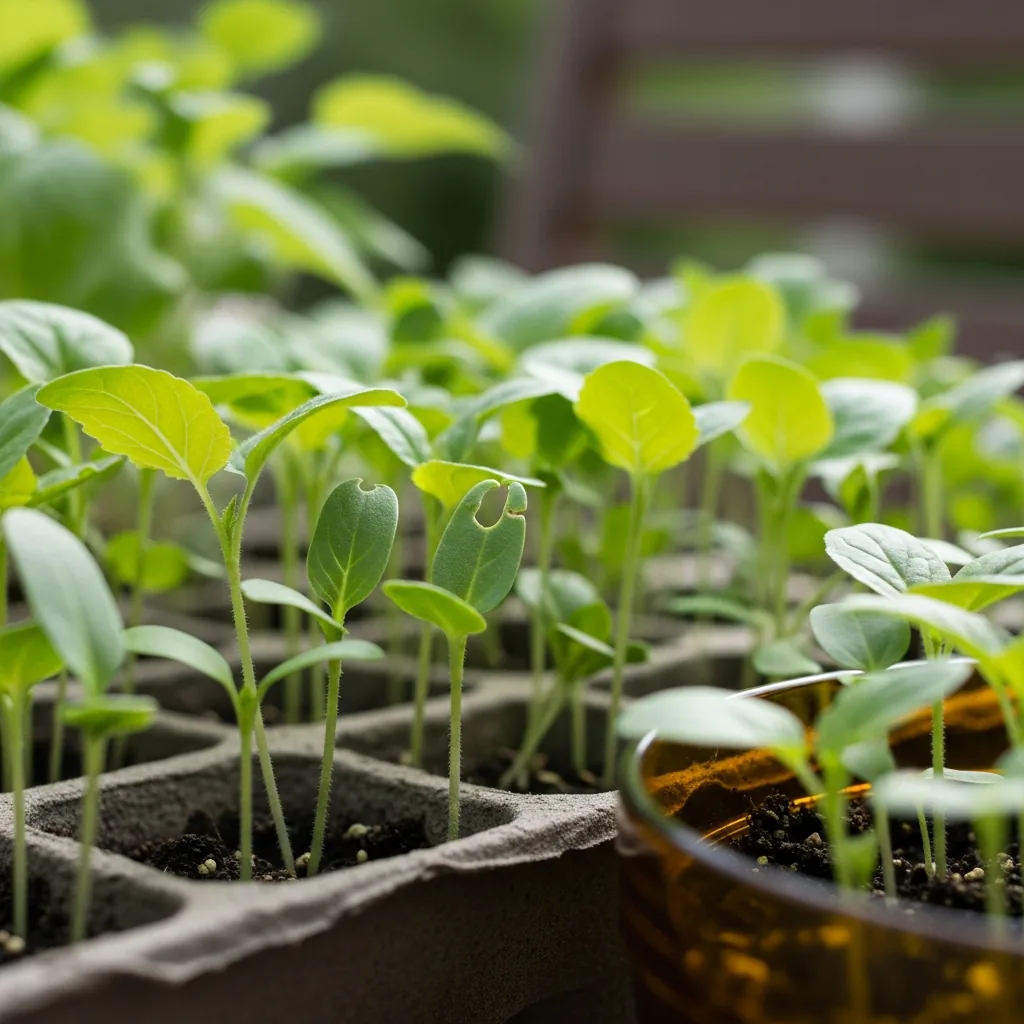
Quick Fixes For Slugs Eating Seedlings
TL;DR: Slugs eating seedlings is a common problem, especially in damp spring weather. To protect your plants, try morning watering, physical barriers like copper tape or specialized collars, and proper mulching. Hand-picking slugs at night is effective. Ensure seedlings are strong before transplanting. For severe infestations or if pets might ingest treatments, consult the ASPCA for safe options. Consider introducing natural predators like birds and amphibians to your garden. Remember, some slugs aren’t pests and play a role in decomposition, so targeted approaches are best.
Are slugs eating your seedlings? It’s a question many of us gardeners have asked. I’ve definitely been there, staring at tiny holes in brand-new leaves.
this guide covers help you tackle these slimy invaders. We’ll cover what works and what might not. You’ll learn how to protect your precious seedlings without resorting to harsh chemicals. Remember, I’m a fellow gardener, not a scientist, so we’re relying on real-world advice and trusted sources.
We’ll focus on practical, backyard-friendly solutions. This isn’t about complex horticultural science. It’s about saving your plants and enjoying your garden. Let’s get those seedlings safe and sound.
Why Protecting Seedlings From Slugs Matters
Seeing those first tender leaves emerge is such a hopeful moment in the garden. Then, you spot them: tiny holes, ragged edges, or sometimes, nothing left at all. Slugs are notorious for targeting the most vulnerable plants. This can feel incredibly frustrating, especially after putting in so much effort. Seedlings represent a significant investment of time and resources. They’re the future of your vegetable patch or flower beds. If slugs consistently destroy your young plants, it can lead to replanting costs and delayed harvests.
The U.S. Department of Agriculture’s Natural Resources Conservation Service notes that healthy soil and plant establishment are key to a thriving garden. When pests like slugs decimate seedlings, they undermine this foundation. It’s not just about aesthetics; it’s about the productivity and success of your entire garden. Understanding how to manage slugs means you can confidently start seeds indoors or out, knowing you have a plan. This proactive approach saves money and prevents the disappointment of watching your hard work disappear overnight. The fact that you looked this up means your garden is in good hands.
I learned this the expensive way, replanting lettuce three times before I figured out a good slug strategy. It’s disheartening to see your efforts vanish. This isn’t just about a few chewed leaves; it’s about the overall health and yield of your garden. Effective pest management, especially for common issues like slugs, is crucial for any backyard gardener aiming for a bountiful harvest or a beautiful display.
When To Wait And When To Act Against Slugs
Deciding how to handle a slug problem can be tricky. Some situations call for immediate action, while others just need a little patience and observation. Here’s a breakdown to help you triage:
Worth watching:
- A few small holes on older leaves: If your seedlings are already strong and only showing minor damage on lower, older leaves, they can likely withstand it. The plant’s energy is focused on new growth.
- Occasional slug sighting at night: Seeing one or two slugs during a nighttime inspection is normal. If they aren’t causing significant damage, hand-picking and relocating them might be enough.
- Damage on established plants: Mature plants are much more resilient. If slugs are munching on the edges of larger leaves but the plant looks healthy overall, it’s usually not a crisis.
- Moist soil after rain: Damp conditions are ideal for slugs, so seeing them after a good rain is expected. Monitor the damage level closely.
- Presence of beneficial insects: If you see ground beetles or other known slug predators, they might be helping to keep the population in check naturally.
Worth calling an expert or taking immediate action:
- Seedlings completely disappearing overnight: If your young plants are vanishing or are severely defoliated, it’s an emergency. This level of damage can kill seedlings quickly.
- Slugs on plants toxic to pets: If you have pets and suspect they might ingest slug bait or poisoned slugs, contact the ASPCA Animal Poison Control Center immediately. Many common slug baits are highly toxic.
- Widespread infestation across multiple beds: If you’re seeing slugs everywhere, even on plants they don’t typically favor, the population might be out of control. This could require a more complete strategy.
- Suspected disease or fungal issues alongside slug damage: Sometimes, slug trails can introduce pathogens. If plants look diseased, consult your local cooperative extension for diagnosis.
- If you’re unsure about identifying the pest: While slugs are common, other pests can cause similar damage. If you can’t confirm it’s slugs, especially before applying any treatments, reach out to your local cooperative extension office for help.
Step-by-Step Guide To Stopping Slugs Eating Seedlings
Ready to take action? Here’s a practical, step-by-step approach to managing slugs in your seedling beds. I’ve found a combination of these methods works best.
- Morning Watering: Slugs are most active at night and prefer moist conditions for easy travel. Instead of watering your seedlings in the evening, switch to morning watering. This allows the soil surface to dry out somewhat by dusk, making it less appealing for slugs. This simple change can significantly reduce their activity around your vulnerable plants.
- Hand-Picking Patrols: Grab a flashlight and head out after dark or early in the morning. Look for slugs on or around your seedlings. Carefully pick them off and relocate them at least 20 meters away, ideally to a compost pile or an area where they won’t easily return. This is a direct and effective method for small gardens.
- Install Physical Barriers: Create a physical deterrent around your seedlings. Copper tape applied to pots or raised bed edges can be effective. Slugs dislike crossing copper, as it reacts with their slime. For plants in the ground, consider collars made of plastic or metal that extend several inches below and above the soil line. Make sure these barriers are wide enough; slugs can sometimes find ways around narrow ones. The Penn State Extension suggests barriers are key for young plants.
- Apply Mulch Strategically: A layer of mulch, such as straw or shredded leaves, spread across the soil surface can help. It makes it harder for slugs to move around and find your seedlings. This also benefits the soil by retaining moisture and suppressing weeds. Aim for a 2-3 inch layer, keeping it slightly away from the immediate stem of very young seedlings to prevent rot.
- Enhance Natural Predators: Encourage wildlife that eats slugs. Birds, toads, frogs, and ground beetles are natural predators. Create habitats like log piles, rockeries, or small ponds to attract them. Providing a water source can also help. A healthy ecosystem in your garden is your best long-term defense.
- Use Organic Baits Sparingly: If other methods aren’t enough, consider organic slug baits containing iron phosphate. These are generally safer for pets and wildlife than metaldehyde baits. Always follow package directions carefully. Apply them in the evening, directly around affected plants. Remember, some slugs are beneficial decomposers, so try to target only the problem areas.
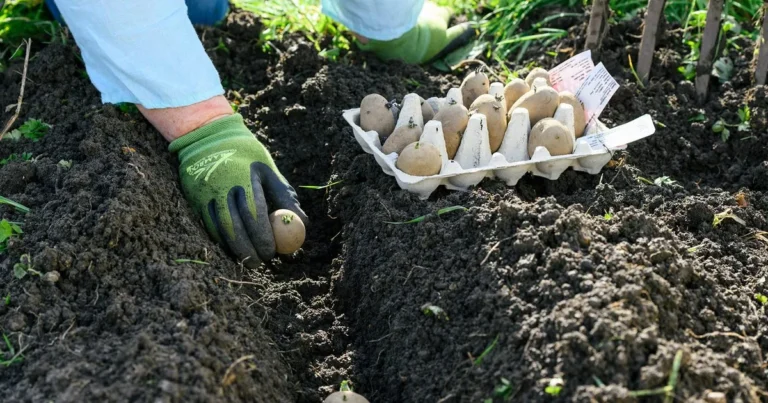
- Wait for Stronger Seedlings: Don’t rush to transplant seedlings into the garden too early. Let them grow larger and more strong indoors or in a protected nursery bed. Bigger, stronger plants have a better chance of surviving minor slug damage. They have more energy reserves to recover from any nibbling.
Common Myths About Slugs
Myth: Coffee grounds, eggshells, or gravel will stop slugs.
Reality: While these might deter slugs slightly or slow them down temporarily, they aren’t foolproof barriers. Slugs can often push past coffee grounds or eggshells, especially if they are determined to reach a tasty plant. The RHS notes that these methods lack strong evidence for effectiveness against slugs, unlike snails. Wider, more substantial barriers are typically needed.
Myth: All slugs are bad for the garden.
Reality: Not all slugs are garden pests. Many species play a vital role in the ecosystem by consuming decaying organic matter, dead plants, and fungi. This helps in nutrient cycling. The key is to identify which slugs are causing damage and target those specifically, rather than trying to eliminate all slugs.
Myth: Slugs only eat leaves.
Reality: Slugs are opportunistic feeders. While they love tender leaves, especially on seedlings, they will also feed on flowers, fruits, stems, and even roots. They can burrow into tubers and bulbs as well. Their damage can appear as holes, ragged edges, or slime trails.
Myth: Salt will kill slugs effectively.
Reality: Applying salt directly to slugs or the soil can kill them by dehydration. However, it’s extremely harmful to your soil structure and beneficial soil organisms. It can make the soil toxic for plants. This method is strongly discouraged by gardening experts and should be avoided.
Myth: Beer traps are the best slug solution.
Reality: Beer traps can attract and drown slugs, but they often attract slugs from a wider area, potentially making the problem worse. They also need frequent emptying and refilling. While they catch some slugs, they aren’t always the most efficient or sustainable solution for protecting seedlings. Natural predators and physical barriers are often more reliable long-term.
What To Track For Slug Management
Keeping notes helps you understand slug patterns and the effectiveness of your methods. Here’s a checklist of things to observe and record:
- Time of Damage: Note when you see the most damage – usually overnight or early morning.
- Location of Damage: Are slugs targeting specific plants, beds, or areas? Record this.
- Type of Damage: Note if it’s small holes, ragged edges, complete consumption, or slime trails.
- Slug Activity: Observe how many slugs you find during nighttime checks.
- Weather Conditions: Record rainfall and humidity levels, as these influence slug activity.
- Effectiveness of Barriers: Check if barriers like copper tape or collars are being bypassed.
- Presence of Predators: Note if you see birds, toads, or other potential slug predators.
- Soil Moisture: Monitor how quickly the soil surface dries after watering.
- Application Dates: If using baits or treatments, record when you applied them and how often.
- Plant Resilience: Observe which plants seem to tolerate slug damage better than others.
Frequently Asked Questions About Slugs
Are slugs attracted to specific plants?
Yes, slugs often prefer certain plants, especially tender seedlings like lettuce, beans, and hostas. They’re also drawn to plants with softer leaves. While they generally avoid plants with tough, leathery, or fuzzy leaves, no plant is entirely immune, especially when slug populations are high.
Can I use salt to get rid of slugs?
While salt can kill slugs, it’s a very bad idea for your garden. Salt dehydrates slugs but also severely damages your soil’s structure and kills beneficial microorganisms. This can make it difficult for any plants to grow well in the future. It’s much better to use safer, targeted methods.
How do I know if it’s slugs or something else eating my seedlings?
Look for characteristic slime trails left behind by slugs, especially visible in the morning dew or on damp surfaces. Slugs typically create irregular holes or ragged edges on leaves. Other pests might leave different signs: caterpillars often leave frass (droppings), and some beetles chew smaller, more uniform holes. Examining the plants closely in the early morning or late evening is key.
Are there any natural predators I can encourage?
Absolutely! Birds like thrushes and starlings, amphibians such as frogs and toads, and beneficial insects like ground beetles are natural slug predators. You can encourage them by providing habitat like log piles, rockeries, water sources, and native plants. A healthy garden ecosystem is your best defense against pest outbreaks.
What’s the difference between slug and snail damage?
Both slugs and snails leave slime trails, but snail damage is usually found on leaves and stems above ground. Slugs are more versatile; they can burrow just beneath the soil surface to feed on roots, bulbs, and low-lying foliage. They are also more likely to attack seedlings that are newly emerged or very close to the soil.
When should I consider using commercial slug bait?
Commercial slug baits should be a last resort. If you’ve tried hand-picking, barriers, and natural methods without success, and your seedlings are consistently being destroyed, baits might be necessary. Always choose baits specifically labeled as safe for vegetable gardens and follow instructions precisely. Be extra cautious if you have pets or wildlife that might access the bait.
Moving Forward With Your Seedlings
Dealing with slugs eating seedlings can feel like an uphill battle sometimes. I know I’ve lost plants I was really excited about. But with consistent effort and the right strategies, you can protect your garden. Remember that a healthy garden ecosystem is your best ally. Encourage those beneficial predators! If you’re ever unsure about identifying a pest or dealing with a widespread issue, don’t hesitate to reach out to your local cooperative extension. They’re a fantastic resource for us home gardeners.