Your Easter Garden To-Do List
In brief: The best Easter garden jobs focus on hardy planting and soil preparation, not tender annuals. You can safely sow hardy vegetable and flower seeds directly in the ground if soil temperatures are suitable. Planting bare-root roses, shrubs, and trees is also a good idea if the soil isn’t waterlogged. Use the long weekend for tasks like cleaning tools, building raised beds, or starting seeds indoors. Avoid planting frost-sensitive plants or working wet soil, which can damage its structure. Always check your local forecast before starting outdoor tasks (vegetable garden).
The Easter weekend is a great time to get out in the garden. Many of us want to tackle big projects or get planting. But it’s easy to get ahead of ourselves. Early spring weather can be tricky. The fact that you looked this up means your garden is in good hands.
I’ve learned this the expensive way, buying tender plants too soon. this guide covers help you handle the best Easter garden jobs. We’ll cover what you can safely do now and what needs a little more patience. It’s all about working with nature, not against it.
We’ll focus on practical tasks that build a foundation for a great growing season. You’ll find advice on planting, soil prep, and protecting your plants. Let’s get your garden ready for spring!
Why Tackling Easter Garden Jobs Matters
The Easter weekend often falls early in spring. This can be a confusing time for backyard gardeners. We’re eager for warmer weather and new growth. But nature doesn’t always cooperate. Jumping into the wrong tasks can set your garden back. Planting too early can kill tender plants with frost. Working wet soil can compact it badly, making it hard for roots to grow and water to drain.
Getting your Easter garden jobs right sets the stage for the entire growing season. It’s about making smart choices based on your local climate and soil conditions. For example, the University of Minnesota Extension advises choosing cover crops based on specific goals and soil health needs. This principle applies to all gardening tasks. Taking the time to understand what your garden needs right now is crucial. It prevents costly mistakes and ensures healthier plants later on. This weekend is your chance to build a strong foundation for success.
Think of it as a strategic planning session for your yard. You’re not just planting seeds; you’re investing in future harvests and blooms. Properly preparing your soil and choosing the right plants now pays off. You’ll have fewer pest problems and stronger plants all summer long.
Wait or Act? Your Easter Garden Decision Guide
Deciding which Easter garden jobs to tackle depends heavily on your local conditions. Here in the Pacific Northwest, we can still get late frosts. I always keep an eye on the forecast and soil moisture. It’s better to wait a week than to lose your hard work.
Worth watching:
- Frost-tender annuals: Petunias, marigolds, and begonias are beautiful, but they hate cold. Wait until all danger of frost has passed and night temperatures consistently stay above 50°F (10°C) before planting these outside.
- Starting tender vegetables indoors: Tomatoes, peppers, and eggplant need a long, warm growing season. Start their seeds indoors now, but don’t plan on transplanting them outside for several more weeks.
- Bare-root fruit trees and roses: If you ordered these, check the soil. If it’s workable and not frozen or waterlogged, planting them now is ideal. They’ll establish roots before summer heat arrives.
- Hardy vegetable seeds outdoors: Peas, spinach, radishes, and lettuce can often be sown directly into the ground. Confirm that the soil isn’t frozen and is workable. You can check soil temperature; many cool-season crops germinate best when soil temps are between 40-70°F (4-21°C).
- Tool cleaning and sharpening: Rainy days are perfect for this. Clean off old soil and rust. Sharpen blades on pruners, shovels, and hoes. This makes future work easier and prevents disease spread.
- Building or repairing structures: Raised beds, trellises, or fences can be built or repaired now. Just ensure you have dry conditions to work in, especially if using concrete footings.
Worth calling an expert:
- Identifying unknown plants or pests: If you find a plant you don’t recognize, especially if it looks invasive, or if you see unusual insect damage, get an expert opinion. Your local cooperative extension office can help with identification. The USDA National Invasive Species Information Center is also a great resource for identifying potential threats.
- Large tree pruning or removal: If you have large trees near your house or power lines, don’t attempt major pruning yourself. Contact an ISA-certified arborist for safety and proper technique.
- Suspected soil contamination: If your property has a history of industrial use or you suspect contamination, don’t start digging without investigation. Contact your state’s environmental agency or local extension office for guidance on soil testing.
- Diagnosing persistent plant diseases: If you’ve tried basic remedies for a plant disease and it keeps returning, a professional diagnosis might be needed. This could involve sending samples to your local extension office.
- Pet safety concerns with plants: If you’re unsure whether a plant in your yard is toxic to pets, consult the ASPCA Animal Poison Control Center. They have an extensive database of toxic and non-toxic plants. You can find their resources at ASPCA.org.
Step-by-Step Easter Garden Jobs
- Assess Your Soil Conditions: Before doing anything, check if your soil is workable. It should crumble easily when squeezed, not form a sticky mud ball. If it’s too wet, leave it alone. This is crucial for soil health. Working wet soil compacts it, hindering root growth and drainage for the rest of the season.
- Sow Hardy Seeds Outdoors: If your soil is ready, direct sow hardy seeds like lettuce, spinach, radishes, peas, and carrots. Follow seed packet instructions for depth and spacing. These cool-season crops thrive in spring temperatures.
- Plant Bare-Root Stock: Now is a prime time for planting bare-root roses, fruit trees, and deciduous shrubs. Ensure the planting hole is large enough for the roots to spread out. Water them well after planting. Check your local hardiness zone for appropriate planting times.
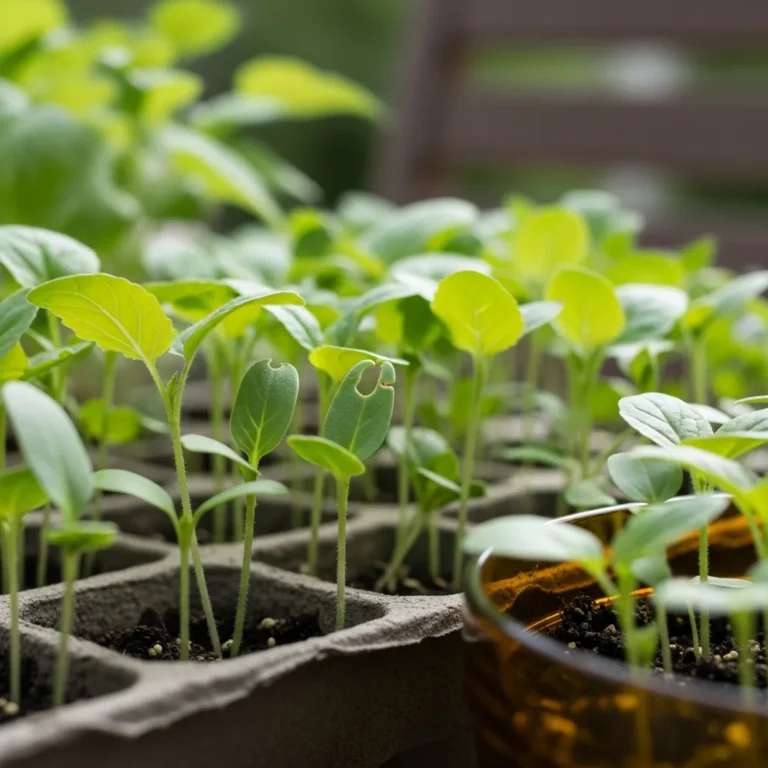
- Start Tender Seeds Indoors: For plants like tomatoes, peppers, and eggplant, start seeds indoors in seed-starting mix. Use a warm, bright location, like a sunny windowsill or under grow lights. Keep them consistently moist. This gives them a head start before the weather warms up.
- Clean and Sharpen Tools: Gather all your gardening tools. Clean off dirt and debris. Sharpen blades on pruners, loppers, and spades using a sharpening stone. Lubricate metal parts to prevent rust. Well-maintained tools make gardening easier and safer. The University of Illinois Extension offers great advice on tool care.
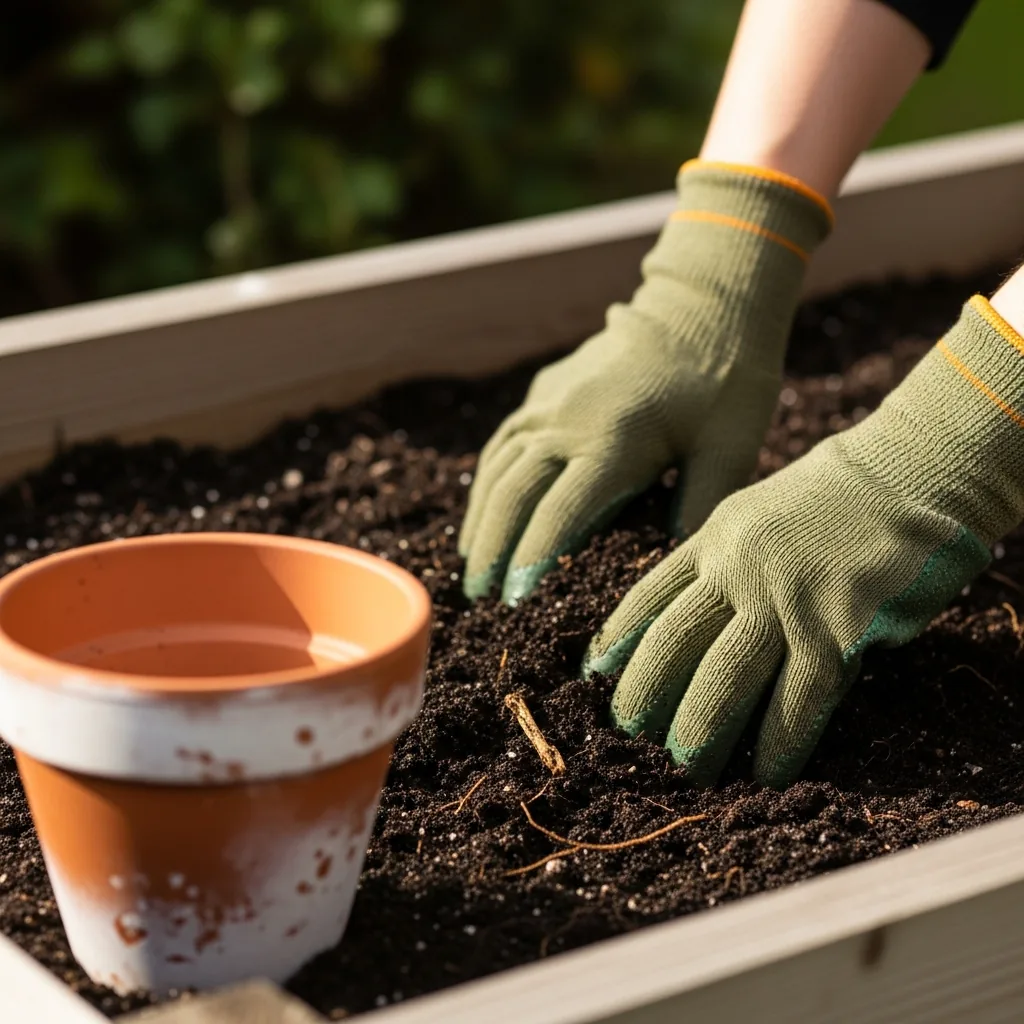
- Prepare Garden Beds: If you have dry conditions, start preparing beds for warmer-season crops. Amend the soil with compost or well-rotted manure. Gently fork it in, avoiding excessive tilling which can harm soil structure. Raised beds are excellent for improving drainage and allowing earlier planting.
- Mulch Existing Plants: Apply a layer of mulch, such as compost or shredded bark, around existing perennial plants and shrubs. Keep the mulch a few inches away from the stems. This helps retain moisture, suppress weeds, and regulate soil temperature.
Debunking Common Easter Gardening Myths
Myth: Easter weekend means it’s finally warm enough to plant anything. Reality: This is a dangerous assumption, especially in many parts of the US. While some hardy plants can go in the ground, tender annuals and vegetables are still at risk from frost. Always check your last expected frost date and local weather. The RHS advises caution with early planting: RHS.org.uk provides monthly guidance that helps gauge readiness.
Myth: You must work the soil whenever you have free time. Reality: Working wet soil is one of the worst things you can do. It destroys soil structure, leading to compaction, poor drainage, and aeration problems. It’s better to wait for drier conditions. The University of Minnesota Extension emphasizes the importance of soil health for successful gardening.
Myth: Buying plants at the garden center over Easter is always a good idea. Reality: Garden centers stock tempting plants, but many aren’t ready for your outdoor garden. Things like tender bedding plants, basil, and peppers should stay indoors or in a protected greenhouse until the danger of frost has completely passed. Acclimatize them gradually before planting.
Myth: Bare-root plants can be planted anytime in spring. Reality: While early spring is ideal for bare-root plants like roses and fruit trees, they need to be planted while still dormant. If the weather warms significantly and they start showing new leaves before you plant them, they may struggle. Plant them as soon as possible after receiving them if soil conditions permit.
Myth: All seeds can be sown directly outdoors now. Reality: Only hardy or cool-season crops like lettuce, peas, and radishes can typically be sown directly. Tender crops like tomatoes, peppers, and melons need to be started indoors weeks or months before transplanting outside after the last frost. Always read the seed packet carefully.
What to Track in Your Garden This Spring
Keeping notes helps you understand your garden’s patterns and communicate effectively with experts if needed. Here’s what to observe during your Easter garden work and in the weeks that follow:
- Soil Moisture Levels: Stick your finger a couple of inches into the soil. Is it dry, moist, or soggy? This dictates planting and watering needs.
- Air and Soil Temperatures: Note daily high and low air temps. If possible, check soil temperature at planting depth. This is vital for seed germination and plant survival.
- Frost Dates: Know your average last frost date. Track any frost warnings or actual frost events.
- Planting Dates: Record when you sow seeds or transplant seedlings. This helps track germination times and growth rates.
- Growth Rate: Observe how quickly plants are developing. Are they growing vigorously, or are they stunted?
- Leaf Color and Condition: Look for yellowing, browning, spots, or wilting. These can signal nutrient deficiencies, pests, or diseases.
- Pest and Disease Activity: Note any insects you see, beneficial or harmful. Document any signs of disease like powdery mildew or blight.
- Weed Pressure: Observe which weeds are appearing and how aggressively they are growing. Early weed control is key.
- Watering Needs: Track how often you need to water and how much. Adjust based on rainfall and temperature.
Your Easter Garden Questions Answered
Can I plant tomatoes over Easter weekend?
Generally, no. Tomatoes are very sensitive to cold. Planting them outdoors over Easter is risky unless you live in a very warm climate with a late frost date well past April. It’s best to start tomato seeds indoors and transplant them after the danger of frost has completely passed, usually in late May or early June for many regions.
Is it safe to fertilize my lawn now?
It depends on your grass type and location. For cool-season grasses like fescue or bluegrass, a light feeding in mid-spring can be beneficial. However, avoid high-nitrogen fertilizers too early, as this can encourage weak growth. Warm-season grasses are best fertilized later when they are actively growing. Always follow product instructions and consider a soil test for specific nutrient needs.
What hardy vegetables can I sow outside now?
If your soil is workable and not waterlogged, you can sow many cool-season vegetables. This includes peas, spinach, lettuce, radishes, carrots, beets, and kale. These plants tolerate cooler temperatures and can even withstand a light frost. Always refer to seed packets for specific planting depth and spacing recommendations.
Should I prune my fruit trees now?
For most fruit trees, late winter or very early spring, before buds swell significantly, is the best time for pruning. If you missed that window, it’s often better to wait until after the main fruiting season for any necessary structural pruning. Lightly remove any dead, damaged, or diseased branches now. For major pruning, consult an arborist or your local extension office.
My garden soil is very wet. What should I do?
If your soil is saturated, the best action is to wait. Trying to work wet soil will compact it, ruin its structure, and make drainage worse. Focus on indoor tasks or planning instead. You can improve drainage over time by adding organic matter like compost. The University of Minnesota Extension has great resources on improving soil health.
Can I use compost on my garden beds now?
Yes, applying compost is generally a good idea in early spring, provided the soil isn’t waterlogged. Spread a layer of compost over your garden beds and gently fork it into the top few inches. This adds nutrients and improves soil structure. Avoid heavy tilling, which can harm the soil’s beneficial organisms.
What about planting flowers over Easter?
Plant hardy perennials, shrubs, and trees now if the soil is workable. For annual flowers, stick to those that tolerate cool weather, like pansies or violas, and sow hardy annual seeds like sunflowers or nasturtiums directly outdoors. Wait for tender annuals like geraniums or petunias until after the last frost date.
Wrapping Up Your Easter Garden Prep
Getting your Easter garden jobs right means working smart, not just hard. It’s about respecting the season and your soil. I’ve certainly learned that lesson more than once!
Focus on the tasks that build a healthy foundation. Sowing hardy seeds, planting bare-root stock, and preparing beds are great choices. Remember to keep those tender plants indoors for now. If you’re ever unsure about a plant’s toxicity to pets or need advice on large trees, don’t hesitate to reach out to experts. Your local cooperative extension office is a fantastic resource.
Happy gardening, and enjoy your long weekend!