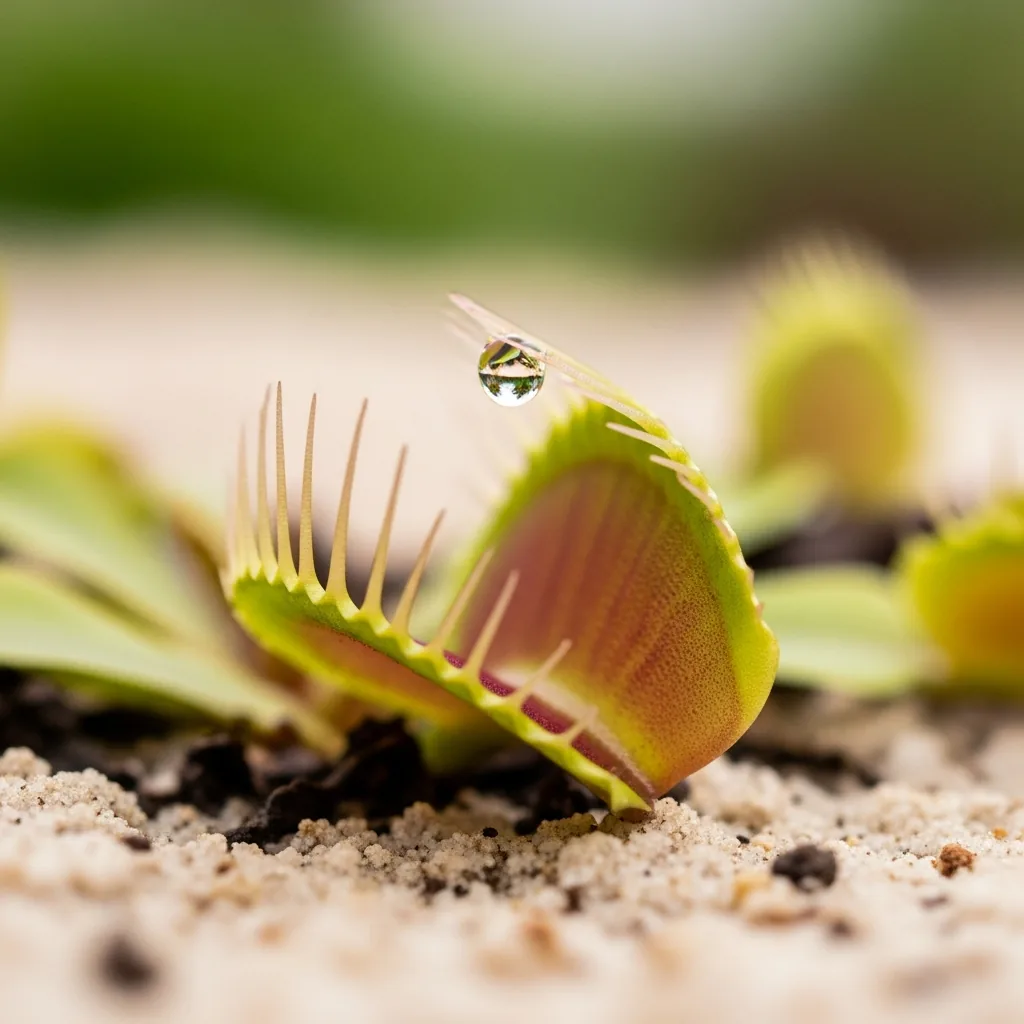
What Are Some Weird Plant Behaviors?
In brief: Plants exhibit many weird behaviors for survival. Some carnivorous plants, like the Venus flytrap, use mathematical principles to trap prey. Others, like certain orchids, mimic female insects to attract pollinators. Parasitic plants can ‘sniff out’ nutritious hosts, and strangler figs literally choke out competing trees. Some plants even mimic dead flesh to attract flies for pollination. These unusual strategies demonstrate plants’ complex adaptations for reproduction and defense in diverse environments. Understanding these weird plant behaviors can be both educational and entertaining for any gardener.
Did you know plants can do more than just sit there and look pretty? Some plants have seriously wild survival tactics. We’re talking about weird plant behaviors that can help them defend themselves, trick other creatures, and even compete with their neighbors. I’ve definitely had my share of gardening mishaps, but learning about these plant strategies is fascinating. this guide covers explore some of the most surprising ways plants interact with their world, drawing on reliable research. We won’t cover every single oddity, but we’ll give you a great overview (vegetable garden).
Why Do These Weird Plant Behaviors Matter to Your Garden?
It might seem like these strange plant adaptations are just nature documentary fodder. But honestly, understanding these weird plant behaviors can totally change how you see your own garden. For instance, knowing that some plants attract beneficial insects for defense can inform your pest management choices. Or realizing that a plant might actively compete with its neighbors helps explain why some plants just don’t thrive together. It’s not always about soil or water; sometimes, it’s about plant-to-plant interactions. I learned this the expensive way when I tried to cram too many things into one small bed. The plants fought for resources in ways I didn’t expect.
The U.S. Department of Agriculture (USDA) highlights how plant competition affects crop yields. Understanding this helps us make better planting decisions. It also makes you appreciate the sheer ingenuity of the plant world. You might even find yourself looking at your quiet garden with new eyes, noticing subtle signs of plant communication or defense. It’s a whole hidden world out there, right at your feet.
When to Watch and When to Act on Strange Plant Signs
Most of the time, plants are pretty self-sufficient. Their unique survival strategies play out without our intervention. However, sometimes these behaviors can indicate a problem in your garden or a plant that needs special attention. Here’s a breakdown of what to observe and when to consider expert help.
Worth watching:
- Mimicry for Pollination: Flowers that look or smell like rotting flesh (like Stapelia gigantea) or mimic female insects (like some orchids) are just doing their thing. They attract specific pollinators. Just admire the cleverness and ensure they have good air circulation.
- Carnivorous Traps: Plants like Venus flytraps or pitcher plants have specialized traps. They naturally catch insects. If you’re growing them, provide appropriate conditions (like distilled water for Venus flytraps) and let them hunt. Don’t interfere with their traps unless a large, non-insect creature gets stuck.
- Parasitic Vining: Some vines, like dodder, can attach to and draw nutrients from host plants. If you spot a parasitic vine starting to wrap around a prized plant, it’s usually best to remove the vine promptly. Early detection is key here.
- Shape-Shifting Vines: Vines that mimic the appearance of surrounding plants are often doing so for camouflage. Observe them to see how they integrate into your garden structure. Generally, they aren’t harmful unless they start to overwhelm a plant you want to keep.
- Sun-Following Flowers: Sunflowers and other heliotropic plants track the sun. This is normal growth behavior. Enjoy the show as they move throughout the day.
- Strangler Figs: In tropical climates, strangler figs can engulf host trees. While fascinating, if you have one near a valuable tree or structure, you might need to manage its growth.
Worth calling an expert:
- Unusual Plant Growth Near Pets/Children: If you suspect a plant might be toxic and you have pets or small children, contact the ASPCA Animal Poison Control immediately. Some plants have irritating sap or are poisonous if ingested.
- Aggressive Invasive Species Identification: If you see a plant behaving aggressively (like outcompeting native species rapidly) and you’re unsure if it’s an invasive problem, consult your local Cooperative Extension Office. They can help identify it and recommend safe removal methods.
- Suspected Soil Contamination: If your garden is near a former industrial site or you have concerns about heavy metals or other contaminants in your soil, contact your local Cooperative Extension Office. They offer soil testing services and can advise on safety.
- Large Tree Health Concerns: If a large tree exhibiting unusual behavior (like rapid leaf drop, structural weakness) is near your home or a high-traffic area, consult an ISA-Certified Arborist. They can assess structural integrity and health risks.
- Persistent Pests on Unusual Plants: If you have a plant with unusual pest problems that you can’t identify or control, your local extension office can help with pest identification and management strategies. See resources like UMN Extension’s insect pages for common garden pests.
How to Manage Plants with Unusual Habits
Dealing with plants that have peculiar survival tactics often means understanding their natural behaviors and providing the right environment. Here are steps to manage some of these interesting plants in your backyard or home.
- Research Your Plant: Before you plant anything unusual, do your homework. Understand its natural habitat, growth habits, and any special needs. For example, if you’re growing a carnivorous plant, know that Venus flytraps need distilled water and a winter dormancy period. Resources from university extensions, like University of Illinois Extension, can offer insights into plant interactions.
- Provide Correct Conditions: Ensure your plant is in the right spot. A plant that mimics dead flesh needs drainage and sun. A strangler fig needs space to grow without damaging structures. Matching its native environment as closely as possible prevents unwanted aggressive behavior.
- Monitor for Competition: If you’re planting species known to compete, like some parasitic vines or aggressive growers, give them ample space. Use barriers or containers if necessary. Keep an eye on neighboring plants to ensure they aren’t being overly shaded or choked out.
- Identify Beneficials vs. Pests: Some plants attract insects that help control pests. Learn to distinguish between a plant’s natural insect visitors and actual garden pests. For instance, hoverflies are attracted to certain plants and their larvae eat aphids. Your local extension office’s pest pages can be very helpful here.
- Manage Aggressive Spread: If a plant starts spreading too aggressively or in unwanted areas, take action. This might involve pruning, digging up runners, or even removing the plant if it’s becoming a nuisance or potential invasive.
- Observe Pollination Strategies: Appreciate the unique ways plants achieve pollination. Don’t try to ‘help’ an orchid that mimics a bee; its system works. Just ensure pollinators have access and the plant is healthy.
- Know When to Let Nature Be: Many weird plant behaviors are perfectly natural and beneficial for the plant’s survival. Unless it’s causing direct harm to your garden, pets, or property, sometimes the best action is simply to observe and learn.
Common Misconceptions About Weird Plant Behaviors
Myth: Plants are passive and don’t interact with their environment in complex ways.
Reality: Plants are incredibly dynamic. They communicate, defend themselves, and compete using advanced chemical and physical strategies. Many plants release airborne signals when attacked, warning nearby plants. Some even adjust their root growth based on nutrient availability detected in the soil, as noted by resources from UMN Extension.
Myth: Carnivorous plants are dangerous to humans and pets.
Reality: Most carnivorous plants are small and pose no threat. While their traps are designed for insects, they lack the strength or mechanism to harm larger animals. The primary concern is usually toxicity if ingested, which is rare for common garden varieties but always worth checking via the ASPCA.
Myth: Plants that mimic other things are just ‘confused’.
Reality: Mimicry in plants is a highly evolved survival strategy. Whether it’s mimicking a dead animal’s smell to attract flies or imitating the appearance of a neighboring plant for camouflage, these are deliberate adaptations for pollination or defense, not random chance.
Myth: Parasitic plants only harm their hosts.
Reality: While parasitic plants draw resources, their impact varies. Some, like mistletoe, weaken the host. Others, like certain types of dodder, can be highly destructive. However, this relationship is a key part of their life cycle and ecosystem role. Understanding which type you have is important for management.
Myth: Plants that strangle other plants are simply growing too close.
Reality: Strangler figs, for example, have a specific life cycle where they initiate growth on another tree and then develop roots that eventually envelop and suppress the host. It’s an active, competitive strategy for light and resources, not just accidental proximity.
What to Track in Your Garden
- Plant ID: Keep a record of all unusual plants. Note their appearance, especially any strange flowers or growth patterns.
- Neighboring Plants: Observe how your unusual plants interact with their neighbors. Are they competing? Are they benefiting each other?
- Insect Activity: Monitor insect visitors. Are certain plants attracting beneficial insects like pollinators or pest predators? Keep a count if possible.
- Growth Patterns: Note any unusual growth, such as vines climbing in specific directions, rapid spread, or changes in leaf shape/color that might indicate mimicry or competition.
- Environmental Conditions: Track sunlight, water, and soil type. Some weird behaviors are triggered or exacerbated by specific conditions.
- Pet/Child Proximity: If you have potentially toxic plants, always note their location relative to areas where pets or children play.
- Time of Day Observations: For plants that follow the sun, note their movement throughout the day.
- Scent Observations: If a plant has an unusual odor (like carrion flowers), note when and how strong it is.
Frequently Asked Questions About Strange Plant Behaviors
Do all plants have weird survival strategies?
Not all plants exhibit the dramatic behaviors seen in carnivorous or parasitic species. However, nearly all plants have adaptations for survival. These can range from producing toxins to deter herbivores, developing deep root systems for drought tolerance, or releasing scents to attract beneficial insects. Even seemingly simple plants have complex ways of interacting with their environment.
Can plants communicate with each other in ways beyond competition?
Yes, research shows plants can communicate. They release volatile organic compounds (VOCs) into the air that can warn nearby plants of insect attacks. They also communicate through underground fungal networks (mycorrhizae), sharing nutrients and possibly signaling information. The Penn State Extension often discusses plant health and interconnectedness.
Are carnivorous plants hard to grow in a backyard garden?
It depends on the plant and your climate. Some carnivorous plants, like certain sundews or pitcher plants native to North America, can be grown outdoors in suitable conditions. They often require specific soil (like peat and sand mixes), many moisture, and sunlight. Venus flytraps, for example, need a cold winter dormancy. It’s essential to research the specific needs of the species you’re interested in.
What’s the difference between a parasitic plant and a symbiotic plant?
A parasitic plant, like dodder, takes nutrients and water from a host plant without giving anything beneficial in return, often harming the host. A symbiotic plant, on the other hand, engages in a mutually beneficial relationship. For example, legumes have root nodules where bacteria fix nitrogen, providing nutrients to the plant, and the plant provides a home and sugars for the bacteria.
How do plants like the Venus flytrap know to close?
Venus flytraps have sensitive trigger hairs inside their traps. Each trap needs to be touched twice within about 20 seconds to initiate closure. This prevents the trap from closing due to raindrops or debris. After closing, further stimulation is needed to trigger digestive enzyme release, ensuring it has caught actual prey.
Can a plant’s ‘weirdness’ be a sign of a problem?
Sometimes, yes. While many strange behaviors are natural, rapid changes or extreme versions can indicate stress. For example, if a plant suddenly starts producing excessive amounts of sticky sap or its leaves curl dramatically without a clear cause, it might be reacting to pests, disease, or environmental issues. Observing changes in behavior is key.
Are there plants that actively defend themselves using chemicals?
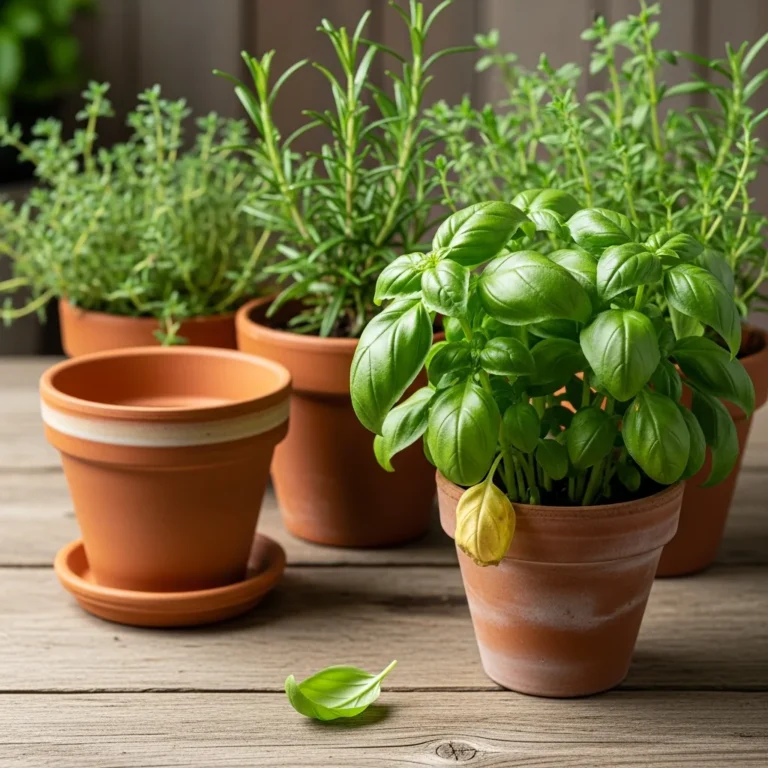
Absolutely. Many plants produce chemical compounds to deter pests and diseases. Think of the strong scent of mint or basil, which deters many insects. Other plants produce potent toxins, like oleander or castor bean, which can be harmful if ingested. Always check toxicity information from sources like the ASPCA if you have pets or children.
Embrace the Wonder of Your Garden
The plant world is full of surprises, and these weird plant behaviors are just the tip of the iceberg. Whether it’s a flower luring insects with deception or a vine slowly strangling its host, there’s so much to learn. I’m still amazed by the ingenuity I see every season. Remember, if you ever encounter a plant that seems potentially toxic to pets or children, or if you’re unsure about a serious pest or disease issue, don’t hesitate to reach out to your local cooperative extension or a certified arborist. Your garden is a living, breathing ecosystem, and understanding its inhabitants makes it even more rewarding.