What Are the Most Important Garden Jobs to Do Now (vegetable garden)?
Short answer: Now is the time for essential garden jobs like tidying up beds, checking tool maintenance, and planning for the season ahead. Focus on tasks such as clearing winter debris, refreshing mulch, pruning appropriately, and preparing soil for planting. Addressing these small garden jobs early prevents larger issues later and sets your plants up for success. Don’t forget to inspect for early pests or diseases and consider any early spring feeding needs for established perennials or shrubs. These crucial garden jobs prepare your space.
Thinking about those garden jobs you meant to do? Don’t worry, I’ve been there. Killing plants taught me patience and the importance of timely tasks. This guide covers 10 crucial garden jobs to get done now. We’ll focus on practical steps any home gardener can manage. This isn’t about complex landscaping or professional horticulture. It’s about making your backyard thrive. We’ll cover what you can do yourself and when it’s time to call in the pros. Let’s get your garden looking its best.
Why These Small Garden Jobs Matter for Your Backyard
You might wonder if these little tasks are really worth your time. I used to think so too, especially when I had a mountain of weeds to tackle. But I’ve learned that these small garden jobs are the foundation of a healthy, thriving backyard. They prevent bigger problems down the line. For instance, clearing dead leaves from your lawn stops grass from suffocating. Cleaning your tools ensures they last longer and work better. Preparing your soil means your plants will get the nutrients they need. The U.S. Department of Agriculture (USDA) emphasizes that good soil health is key to productive gardening. These jobs also prepare your garden for the intense growing season. Think of it as preventative maintenance for your plants. It’s like getting your car serviced before a long road trip. Getting these garden jobs done now saves you time and money later. It also means less stress when everything starts to grow.
When to Tackle Garden Jobs vs. When to Call an Expert
Figuring out what you can handle yourself versus what needs a professional is super important. I learned this the expensive way with a tree I thought I could prune myself. Here’s a breakdown to help you decide for these common garden jobs:
Worth doing yourself:
- Clearing winter debris: Rake up fallen leaves from lawns and paths. This stops grass from getting smothered and prevents moss buildup. Leaves under shrubs and in borders can stay; they’ll break down and help the soil.
- Tool maintenance: Clean and sharpen your garden tools. Remove rust with a wire brush. Oil metal parts to prevent corrosion and sharpen blades for cleaner cuts.
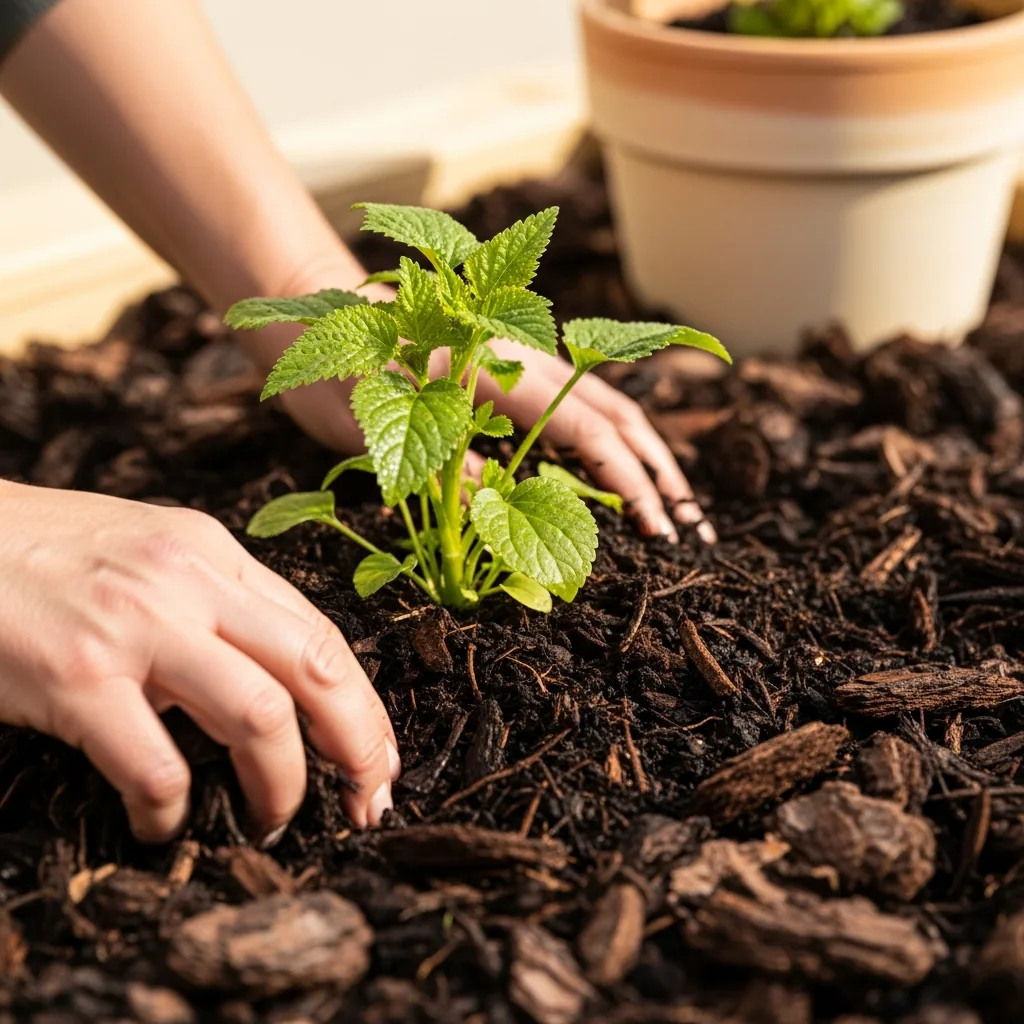
- Mulch refresh: Top up mulch around trees, shrubs, and in garden beds. A 2-3 inch layer helps retain moisture, suppress weeds, and regulate soil temperature.
- Weeding early: Pull small weeds before they get established and go to seed. A little and often approach is easiest. Use a trowel or weeder for stubborn ones.
- Pruning light growth: Remove dead, damaged, or diseased branches from shrubs and perennials. Make clean cuts just above a bud or branch collar.
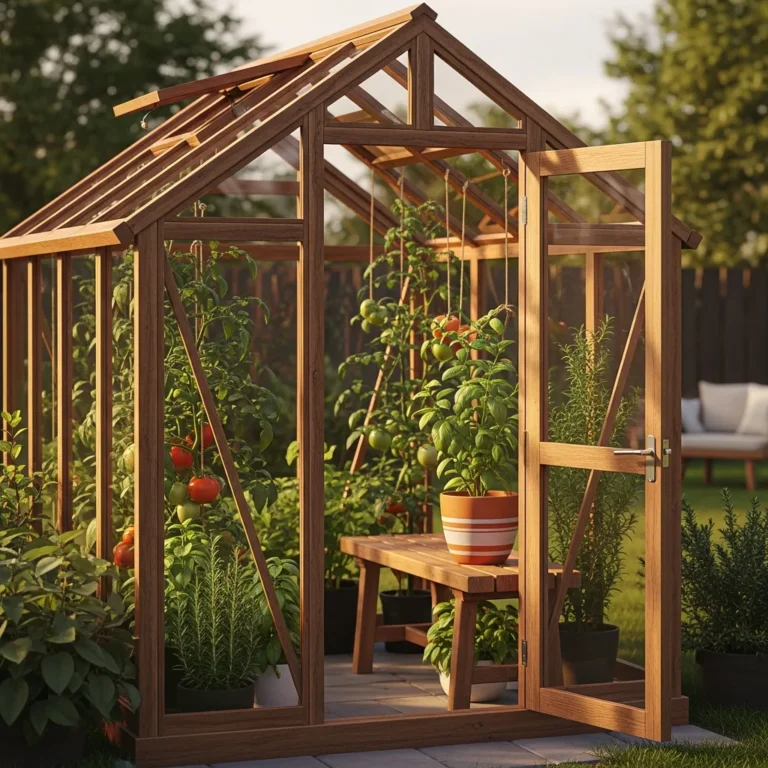
- Cleaning garden structures: Wash down your greenhouse, cold frames, or patio furniture. Use soap and water. Rinse thoroughly and let dry completely.
Worth calling an expert:
- Large tree pruning: If you have large branches on mature trees that are near your house, power lines, or pose a safety risk, contact an ISA-certified arborist. They have the training and equipment for safe removal. The International Society of Arboriculture (ISA) provides resources to find certified professionals.
- Suspected plant diseases or invasive pests: If you see signs of a serious disease or identify a potentially invasive pest that you can’t manage with simple methods, consult your local cooperative extension office. They can help with identification and management strategies. The U.S. Department of Agriculture (USDA) lists invasive species and resources for reporting.
- Soil contamination concerns: If you suspect your soil might be contaminated (e.g., from previous industrial use or lead paint chips), get a professional soil test. Your local cooperative extension office can guide you on testing procedures and interpreting results.
- Toxicity to pets or children: If you’re unsure if a plant is toxic and you have pets or young children, consult the ASPCA’s toxic plant list. If a pet ingests a potentially toxic plant, contact your veterinarian immediately. The ASPCA Animal Poison Control Center is a critical resource.
- Major structural pruning: For fruit trees needing significant structural pruning or renovation, an experienced orchardist or arborist is best. They understand fruiting habits and tree health.
Step-by-Step Guide to Essential Spring Garden Jobs
Let’s break down these key garden jobs into actionable steps you can take right now. Remember, consistency is key, and it’s okay if you can’t do everything at once. My first year gardening, I felt completely overwhelmed!
- Clear and Tidy Beds: Start by removing any remaining dead leaves, spent annuals, or debris from your garden beds. Gently pull out any winter weeds that have started to sprout. Be careful not to disturb the soil too much if bulbs are just emerging. This makes your beds look neat and prepares them for new growth.
- Prune Appropriately: For most deciduous shrubs and perennials, wait until after the last frost. However, you can now remove any winter-killed branches that are clearly dead (brown and brittle). Make clean cuts just above a healthy bud or side shoot. For roses, remove any dead or weak stems. The Old Farmer’s Almanac suggests pruning back many perennials to about 4-6 inches from the ground.
- Refresh Mulch: Once your beds are clear and you’ve done any necessary pruning, add a fresh layer of mulch. Aim for a 2-3 inch layer around trees, shrubs, and perennial plants. Keep the mulch a few inches away from the main stem or trunk to prevent rot and discourage pests. This helps conserve moisture and suppress weeds.
- Tool Check-Up: Take time to clean your gardening tools. Scrub off any dirt or rust with a stiff brush or steel wool. Sharpen blades on pruners, loppers, and shovels. Apply a light coat of oil to metal parts to prevent rust and keep moving parts working smoothly. This small step ensures your tools are ready for the season.
- Lawn Care Basics: Rake your lawn to remove any matted leaves or debris. This helps sunlight and air reach the grass. If you notice bare patches, you can plan to reseed them soon. Avoid heavy fertilizing until the grass is actively growing, usually after the last frost.
- Greenhouse or Cold Frame Prep: If you use a greenhouse or cold frame, give it a good cleaning. Wash the inside and outside of the glass to maximize light. Remove any accumulated dirt or debris. Check for any damage to the structure and repair it. This creates an optimal environment for starting seeds or housing early seedlings.
- Plan Your Planting: Even if it’s too early to plant everything, now’s the time to plan. Review seed catalogs or online resources. Decide what you want to grow and where. Make a list of seeds and plants you need to purchase. This planning stage prevents impulse buys and ensures you have everything ready when planting time arrives.
Common Misconceptions About Spring Garden Jobs
Myth: You have to wait until all danger of frost has passed to do any pruning.
Reality: While many plants should wait until after frost, you can safely remove dead, damaged, or diseased wood anytime. These branches won’t recover and can harbor diseases. Pruning them now cleans up the plant and directs energy to healthy growth. The Old Farmer’s Almanac notes that removing dead wood is beneficial whenever discovered.
Myth: All fallen leaves should be removed from the garden immediately.
Reality: Leaves left on lawns can smother grass, but leaves in garden beds and under shrubs act as natural mulch. They suppress weeds, retain soil moisture, and decompose to add nutrients. You can compost them or use them as mulch where they fall, unless they are diseased. The U.S. Department of Agriculture (USDA) supports natural soil enrichment methods.
Myth: You can’t divide perennials until fall.
Reality: While fall is a common time, many perennials can be divided in early spring as new growth emerges. This includes plants like hostas, daylilies, and ornamental grasses. Dividing them now gives them the whole growing season to establish. Just be sure to water them well afterward. This process rejuvenates the plants and increases your stock for free.
Myth: Cleaning garden tools is just a cosmetic task.
Reality: Dirty, dull tools make gardening harder and can spread diseases. Cleaning and sharpening them ensures clean cuts, which heal faster. It also prevents rust and corrosion, extending the life of your tools. This is a crucial step for plant health and tool longevity, as noted by many extension services.
Myth: If a plant looks a little sad, it’s probably a pest problem.
Reality: Plants can look sad for many reasons: improper watering, poor soil, or even just transplant shock. Before reaching for pesticides, consider environmental factors. Check soil moisture, look at the plant’s overall health, and research its specific needs. Sometimes, a little extra care is all that’s needed, not pest control.
What to Track in Your Garden This Spring
Keeping notes helps you understand your garden’s patterns and provides valuable information if you need to consult experts. Here’s what I recommend tracking during your spring garden jobs:
- Date you completed each task: Note when you pruned, mulched, or cleaned tools. This helps establish a routine for next year.
- New growth emergence: Observe when different plants start showing new leaves or shoots. This indicates their specific timing.
- Soil moisture levels: Check how quickly your soil dries out, especially after mulching. Stick your finger 2 inches deep.
- Weed pressure: Note which areas get weedy fastest and what types of weeds are appearing.
- Pest sightings: Keep an eye out for early signs of common pests like aphids or slugs on new growth.
- Plant responses: Observe how plants react to pruning or mulching. Are they growing vigorously?
- Tool condition: After cleaning and sharpening, note how well your tools performed.
- Weather patterns: Record significant rainfall or unseasonably warm/cold spells. This context is crucial for understanding plant growth.
Frequently Asked Questions About Spring Garden Jobs
When is the best time to start spring garden jobs?
The best time is generally in early to mid-spring, after the worst of the winter weather has passed but before the peak growing season begins. This allows you to prepare the garden without damaging emerging plants. Look for signs of new growth and when the soil becomes workable, meaning it’s not waterlogged.
How much mulch should I apply?
A layer of 2 to 3 inches of mulch is typically ideal for most garden situations. This depth is enough to suppress weeds and retain moisture effectively. However, keep the mulch a few inches away from the base of plant stems and tree trunks to prevent rot and discourage pests.
What kind of fertilizer should I use in spring?
This depends on your plants. Many perennials benefit from a balanced, slow-release fertilizer or compost. Roses often need a specific rose fertilizer. Lawns typically need a nitrogen-rich fertilizer once they start actively growing. Always follow the package directions carefully, and remember that over-fertilizing can harm plants. Check with your local cooperative extension for region-specific recommendations.
How do I know if a plant is toxic to pets?
If you have pets, it’s crucial to identify potentially toxic plants in your garden. The ASPCA provides an extensive database of toxic and non-toxic plants. If you suspect your pet has ingested a toxic plant, contact your veterinarian or the ASPCA Animal Poison Control Center immediately. Always err on the side of caution.
Is it okay to plant seeds directly outdoors now?
This depends entirely on your climate and the specific plant. Some cool-season crops, like spinach or peas, can be planted as soon as the soil is workable. Warm-season plants, such as tomatoes or peppers, must wait until after the last frost and the soil has warmed up. Check your local planting calendar or consult your cooperative extension office.
My lawn has bare patches. What should I do?
Bare patches on your lawn often indicate underlying issues like poor soil, lack of sunlight, or pest damage. In early spring, you can gently loosen the soil in the bare areas, add a bit of compost, and reseed with a grass variety suitable for your climate. Keep the area consistently moist until the new grass establishes. If problems persist, a soil test might be necessary.
What if I can’t identify a weed or pest?
Don’t guess for identifying unknown garden issues, especially if you’re considering chemical treatments. Take clear photos of the plant or pest, note where it’s growing, and contact your local cooperative extension office. They have experts who can help you identify it correctly and recommend the best course of action.
Wrapping Up Your Spring Garden Prep
Tackling these essential garden jobs now sets you up for a beautiful and productive season. Remember, it’s okay if you’re a little behind. The most important thing is to get started. Pay attention to what your plants need, and don’t hesitate to seek expert advice when you’re unsure. Reaching out to your local cooperative extension or an ISA-certified arborist for significant tree work means you’re caring for your garden responsibly. Happy gardening!