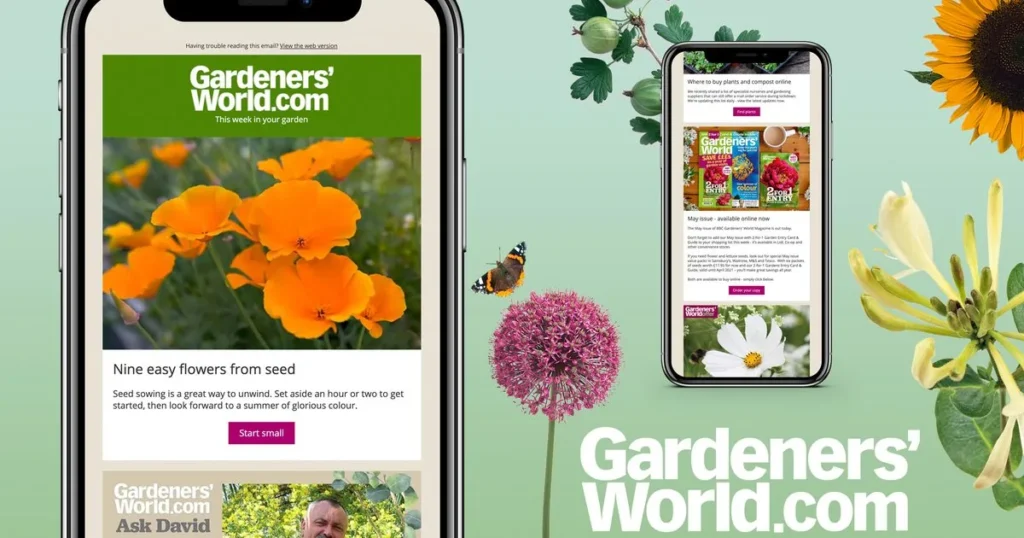
Quick Answer: Signing Up for a Gardening Newsletter (vegetable garden)
In brief: Signing up for a gardening newsletter is straightforward. Visit a trusted gardening website and look for a “Newsletter” or “Sign Up” link, usually in the header or footer. Enter your email address and confirm your subscription. A good gardening newsletter delivers weekly tips, seasonal advice, plant spotlights, and expert insights straight to your inbox. I always check the source; reputable newsletters come from university extensions, established gardening publications, or well-known garden centers. They help you stay on track with tasks and learn new techniques without endless searching. It’s a free resource that can seriously boost your garden’s health and your confidence as a gardener.
Signing up for a gardening newsletter can feel like getting a secret map to a thriving garden. It’s a fantastic way to get regular advice. I’ve definitely killed my share of plants, so I know how helpful expert tips are. this guide covers walk you through what to look for in a great gardening newsletter and how to find one that fits your needs. We’ll cover what kind of content you can expect, not just how to click a button.
Why a Gardening Newsletter Matters for Your Garden
As a gardener, I know how easy it is to feel overwhelmed. There’s always something new to learn, and the seasons change so fast. That’s why a good gardening newsletter is such a game-changer. It’s like having a friendly expert in your pocket, ready with advice when you need it most. You get timely reminders for tasks specific to your region and the current season. This means you won’t miss crucial windows for planting, pest control, or winterizing. I learned this the hard way when I forgot to protect my citrus trees one year. A newsletter can also introduce you to new plants or techniques you might not have discovered otherwise. For example, the University of Minnesota Extension often shares regional planting guides that are incredibly useful. They help you make informed decisions, saving you time, money, and many plant-related heartache. It’s a direct line to practical, actionable advice.
Think about the sheer volume of gardening information out there. It’s easy to get lost down a rabbit hole online. A curated newsletter cuts through the noise. It delivers the most relevant information right to you. This saves you precious time you could be spending actually gardening. Plus, many newsletters offer exclusive content like expert Q&As or special offers. These can provide unique insights or help you save money on supplies. For instance, newsletters from organizations like the Old Farmer’s Almanac often include historical gardening data and planting calendars tailored to different zones. This kind of information is invaluable for planning your garden effectively. It helps you grow healthier plants and achieve better results season after season.
When to Wait and Watch vs. Call an Expert
Navigating garden issues can be tricky. Sometimes a problem is minor and will resolve itself. Other times, it’s a sign of something serious. Knowing the difference is key to saving your plants and your sanity.
Worth watching:
- Slight yellowing on older leaves: This is often normal aging or a sign of minor nutrient deficiency that you can correct with a balanced fertilizer. Keep an eye on it, but don’t panic immediately.
- Small, scattered holes in leaves: Many common garden pests cause minor leaf damage. Observe your plants for a few days to see if the damage spreads or if you can spot the culprit.
- Wilting during the hottest part of the day: Plants can get thirsty. Check the soil moisture. If it’s dry, a good watering might be all that’s needed. They might perk up in the evening.
- Slow growth in early spring: Many plants are slow to start after winter. If temperatures are still cool, they might just be waiting for warmer weather.
- Slight browning on leaf tips: This can be caused by inconsistent watering or low humidity. Try adjusting your watering schedule or misting the plant.
- New seedlings looking a bit leggy: They might need more light. Try moving them to a sunnier spot or supplementing with a grow light.
Worth calling an expert:
- Sudden, widespread wilting or yellowing of multiple plants: This could indicate a serious soil-borne disease or pest infestation that requires professional diagnosis.
- Unidentified spots or lesions on leaves that are spreading rapidly: Aggressive fungal or bacterial diseases can quickly destroy plants. An expert can identify and recommend appropriate treatments.
- Signs of significant root damage or rot (e.g., mushy roots, foul smell): This often requires professional intervention or complete replanting.
- Suspected plant toxicity to pets or children: If you think your pet or child has ingested a toxic plant, contact the ASPCA Poison Control immediately.
- Large trees leaning precariously or showing signs of structural weakness: For any significant tree work or concerns about falling limbs, always consult an ISA-certified arborist.
- Concerns about soil contamination (e.g., living near an industrial site, old lead paint chips): Your local cooperative extension office can advise on soil testing and remediation.
Step-by-Step: Finding and Using a Gardening Newsletter
- Identify Your Needs: First, think about what you want from a gardening newsletter. Are you focused on vegetables, flowers, houseplants, or lawn care? Do you need regional advice, or are you interested in organic methods? Knowing this helps you narrow your search. For instance, if you’re in the Pacific Northwest, look for newsletters that mention specific regional challenges like heavy rainfall or particular pests common to your area.
- Find Reputable Sources: Look for newsletters from trusted organizations. University extension offices are excellent resources. Websites like the Penn State Extension offer a many information. Established gardening magazines or well-respected garden centers also often have great newsletters. Avoid signing up for anything from a source you can’t verify. The Extension Foundation is another great place to find reliable gardening content.
- Locate the Sign-Up Form: Once you find a website you trust, navigate to their newsletter sign-up page. This is usually found in the website’s header, footer, or a dedicated “Newsletter” section. Sometimes, a pop-up will appear asking if you want to subscribe. Make sure you’re on the official website before entering your email.
- Enter Your Email Address: Fill in the required field with your primary email address. Be cautious about sites asking for excessive personal information. A newsletter sign-up typically only requires your email. Some might ask for your ZIP code to tailor content to your local climate and growing zone, which is a good sign.
- Confirm Your Subscription: Many newsletters require you to confirm your subscription by clicking a link in an email they send you immediately after you sign up. Check your inbox (and sometimes your spam folder) for this confirmation email. This step is crucial to activate your subscription and ensure you receive future emails.
- Review Content and Settings: Once subscribed, take a moment to see what the newsletter offers. Does it cover the topics you’re interested in? Many newsletters allow you to customize your preferences. You might be able to choose topics or frequency. If you find it’s not a good fit, you can always unsubscribe later. A good newsletter will make this process easy.
- Apply the Advice: The most important step is to actually use the information! Read the newsletters when they arrive. Note down key tasks or tips. Try implementing new techniques in your garden. Remember, consistent effort and learning are what lead to a thriving garden. Use the advice to inform your actions, like when to fertilize or how to deal with common pests.
Common Misconceptions About Gardening Newsletters
Myth: All gardening newsletters offer the same quality of advice.
Reality: The quality varies wildly. Some are produced by horticultural experts from university extensions like UMass Extension, offering scientifically backed advice. Others might be from companies focused solely on selling products, with advice that’s biased. Always check the source and look for credentials or affiliations with reputable institutions.
Myth: Signing up for a newsletter means I’ll get bombarded with daily emails I can’t manage.
Reality: Most reputable gardening newsletters are sent weekly or bi-weekly. They understand that gardeners are busy. You can usually choose your preference or unsubscribe easily if the frequency becomes too much. The goal is to provide helpful, timely information, not to overwhelm you.
Myth: Newsletters are just for beginners; experienced gardeners don’t need them.
Reality: I’m in my early thirties and have been gardening for years, and I still find value in newsletters. Even experienced gardeners can learn new techniques, discover new plant varieties, or get timely reminders. For example, a newsletter might highlight a new pest-resistant variety or a better pruning method for a specific fruit tree. The RHS newsletter often shares modern research and plant introductions.
Myth: Gardening newsletters are always free, so they must not be very valuable.
Reality: While most are free, their value is immense. Think of the cost of making a gardening mistake – replacing a dead plant, buying ineffective treatments, or wasting water. A good newsletter helps you avoid these costly errors. Many are supported by educational institutions or non-profits, so they offer expert advice without a direct charge. The content is often curated by professionals who want to share their knowledge.
Myth: I can find all the information from a newsletter with a quick Google search.
Reality: You can find information, yes, but a well-curated newsletter saves you time and effort. Instead of sifting through countless search results, you get vetted, organized advice delivered directly to you. Newsletters often provide seasonal context and regional relevance that generic search results might miss. They can also offer unique insights from specific gardening personalities or research groups, which you might not stumble upon otherwise.
What to Track Based on Newsletter Advice
A good gardening newsletter will give you actionable advice. To make the most of it, it helps to observe and track a few things in your own garden. This helps you see if the advice is working and provides valuable information if you need to consult an expert later.
- Planting Dates: Note when the newsletter suggests planting certain seeds or transplanting seedlings. Track when you actually do it and compare it to the recommended window.
- Fertilizing Schedule: Follow the newsletter’s guidance on when and what type of fertilizer to use. Record the date and type of fertilizer applied.
- Pest and Disease Observations: If the newsletter warns about a specific pest or disease, actively look for signs. Note the date you first see any symptoms or pests, and describe them.
- Watering Needs: Pay attention to advice on watering frequency and depth. Check soil moisture regularly and note how often you’re watering.
- Pruning Times: Many plants have specific pruning times. Note when the newsletter suggests pruning certain plants and when you perform the task.
- Soil Conditions: Observe your soil’s moisture levels and texture. If the newsletter discusses soil amendments, note when you add compost or other materials.
- Growth Rate: Periodically check on your plants. Note how quickly they are growing or if growth seems stunted. This can indicate if they are happy or stressed.
- Leaf Color and Appearance: Keep an eye on leaf color, texture, and any spots or discoloration. This is often the first indicator of a problem.
Frequently Asked Questions About Gardening Newsletters
What is a gardening newsletter?
A gardening newsletter is an email subscription service that delivers regular updates, advice, and tips about gardening directly to your inbox. These newsletters often come from horticultural experts, university extensions, gardening publications, or reputable garden centers. They aim to keep gardeners informed about seasonal tasks, plant care, pest management, and new gardening trends.
How do I find the best gardening newsletter for my region?
To find the best newsletter for your region, look for sources affiliated with your local university cooperative extension office. Websites like University of Minnesota Extension or regional gardening organizations often provide climate-specific advice. You can also search for newsletters from established gardening publications that specify regional coverage or allow you to select your hardiness zone.
Can a gardening newsletter help me avoid killing my plants?
Absolutely! That’s one of their biggest benefits, especially for newer gardeners. They provide timely reminders for watering, fertilizing, and pest control, which are common reasons plants struggle. Learning about seasonal tasks and common issues from experts can significantly improve your success rate. I’ve definitely saved a few plants thanks to timely advice!
What kind of content can I expect in a gardening newsletter?
Content varies, but you can typically expect seasonal planting guides, advice on specific plant care (like watering and fertilizing), pest and disease identification and management tips, information on soil health, and sometimes new plant introductions or gardening product reviews. Some newsletters also include inspirational garden tours or expert Q&As.
Is it okay to unsubscribe from a newsletter if I don’t find it useful?
Yes, definitely. You should never feel obligated to stay subscribed to something that isn’t providing value. Most newsletters include an “unsubscribe” link, usually at the very bottom of the email. It’s a simple process, and it helps ensure your inbox stays clutter-free with only the information you truly want.
Are there any risks associated with signing up for a gardening newsletter?
The main risk is receiving too many emails if you subscribe to too many newsletters. Reputable ones will have clear unsubscribe options. Be cautious of websites asking for excessive personal information beyond your email address. Always ensure the source is trustworthy, like an extension office or well-known publication, to avoid spam or questionable advice.
How often are gardening newsletters typically sent out?
Most gardening newsletters are sent out on a weekly or bi-weekly basis. Some might send daily emails during peak seasons, but this is less common for general gardening advice newsletters. The frequency is usually designed to provide regular updates without becoming overwhelming for the subscriber.
Conclusion: Your Garden’s New Best Friend
Finding a great gardening newsletter is like finding a knowledgeable friend for your garden. It’s a simple step that can lead to significant improvements in your gardening success. Remember to choose sources wisely, especially those from reputable university extensions like Extension.org. Don’t hesitate to unsubscribe if it’s not the right fit. Ultimately, the best newsletter is one that helps you learn, grow, and enjoy your garden more. If you encounter a persistent problem or are unsure about a serious issue, remember to consult the expert callout box for guidance on when to seek professional help.