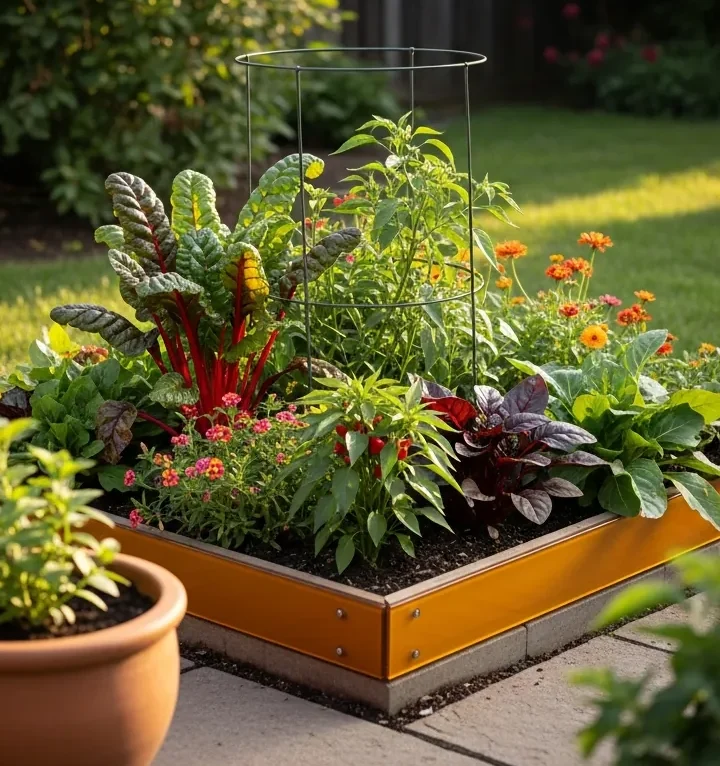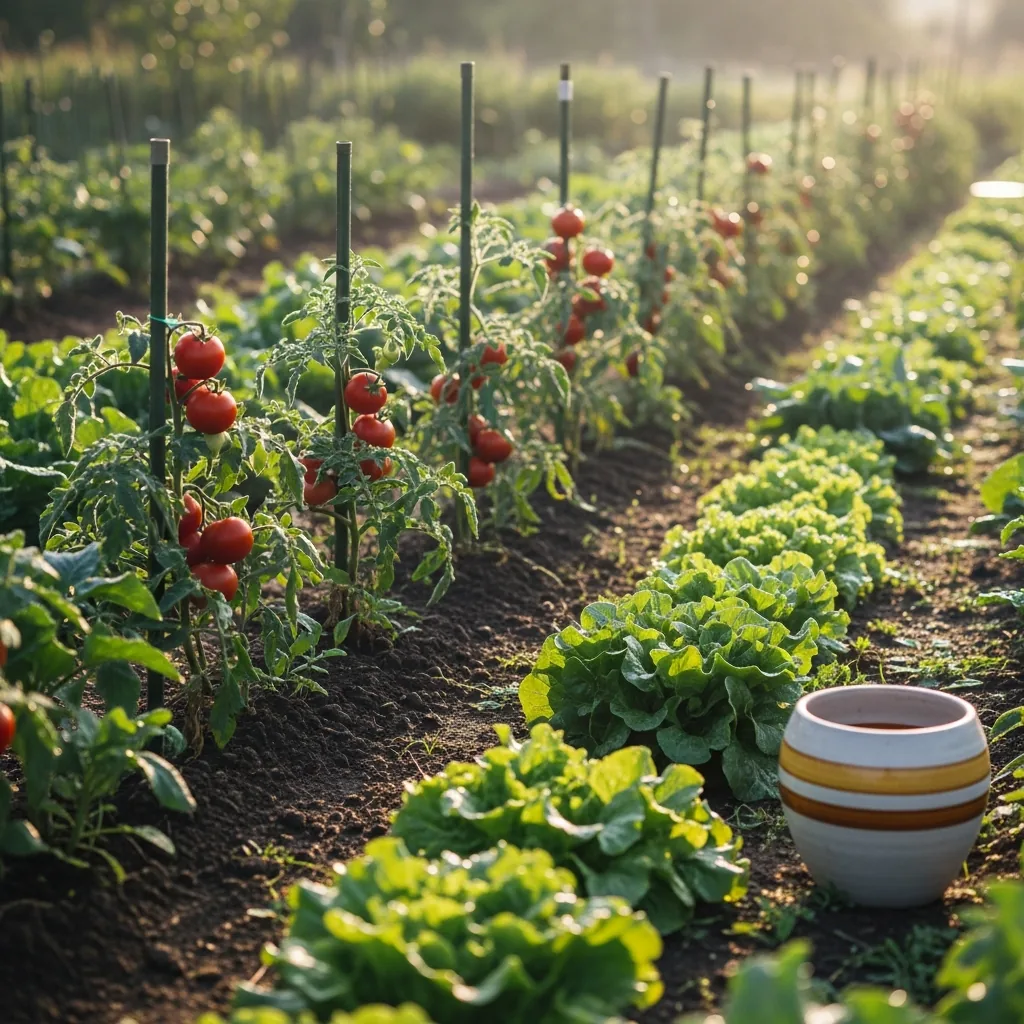
What Exactly Are Allotments?
TL;DR: Allotments are parcels of land rented out by local authorities or private owners for individuals to cultivate plants. They provide a dedicated space for growing fruits, vegetables, and flowers, often in urban or suburban areas where private gardening space is limited. The concept dates back centuries, originally providing land for the landless. Today, they offer community, fresh produce, and a connection to nature. Rent typically covers land use, but specific rules about maintenance and what you can grow vary by site. Understanding these rules is key to a happy gardening experience (vegetable garden).
Thinking about getting an allotment? These small plots of land offer a fantastic way to grow your own food. I remember when I first heard about them, I wasn’t sure what to expect. This guide breaks down what allotments are, how they function, and why they’re so popular. We’ll cover the basics without getting too technical. You won’t find complex horticultural science here. Instead, you’ll get practical insights from a fellow gardener who’s learned a lot along the way. This article focuses on understanding the concept and getting you started on the right foot. It’s not about specific crop planting charts, but the system itself.
Why Having an Allotment Matters to Gardeners
The idea of an allotment can seem simple: a patch of dirt to grow stuff. But for many of us, it’s much more than that. Especially if you live in an apartment or a home with a tiny yard, an allotment is your ticket to serious gardening. You get space to experiment with crops you’d never fit at home. Plus, there’s a whole community aspect. I’ve met some of my best gardening friends at the community garden I volunteer with. They share seeds, tips, and commiserate over pest problems. It’s a real social hub.
Beyond the social benefits, allotments create green spaces in urban areas, supporting pollinators and improving local biodiversity. The U.S. Department of Agriculture (USDA) even has programs that support community gardens and urban agriculture, recognizing their value. These plots can improve soil health and reduce food miles. The National Resource Conservation Service (NRCS) highlights how even small green spaces contribute to ecological balance. Having an allotment connects you directly to your food source and the seasons. It’s a rewarding way to spend your time.
Navigating Your Allotment: When to Watch and When to Act
Once you’ve got your allotment plot, it’s easy to feel overwhelmed. Should you tackle everything at once? Or can some things wait? Here’s a breakdown to help you decide.
Worth watching:
- Minor weed pressure: A few weeds popping up are normal. Keep an eye on them, and pull them before they get out of hand. Don’t let them go to seed.
- Slow pest activity: Seeing a few aphids on a leaf or a slug trail? This is common. Monitor the situation. Often, natural predators will manage small infestations.
- New shoots emerging: When you first get a plot, you might see volunteer plants or early growth. Identify them. If they’re weeds, remove them. If they’re desirable plants, you might be able to keep them.
- Slight soil dryness: If the top inch of soil feels dry, it’s usually fine for most established plants. Check deeper if you’re concerned.
- Occasional bird visits: Birds are natural garden visitors. Unless they’re actively eating your seedlings, they’re likely not a major threat.
Worth calling an expert:
- Suspected soil contamination: If your plot is near an old industrial site or you see strange colored soil, contact your local cooperative extension office. Soil testing is crucial for safety. The U.S. Environmental Protection Agency (EPA) has resources on soil safety.
- Invasive pest identification: If you find a pest you can’t identify and it’s spreading rapidly, it might be invasive. Contact your local extension office for identification and control advice.
- Large tree concerns: If there are large, mature trees on or near your plot that look unhealthy or pose a risk (like dead branches), consult an ISA-certified arborist.
- Unexplained plant death: If multiple plants are dying suddenly and you can’t figure out why, it could be a disease or a serious soil issue. Your cooperative extension office can help diagnose this.
- Water source issues: If the only water source is questionable or contaminated, check with local health departments or your cooperative extension.
Getting Started on Your Allotment: A Step-by-Step Approach
- Secure Your Plot: First, find out how to get an allotment in your area. Contact your local council or look for private allotment associations. There might be waiting lists. Understand the rental agreement and site rules before you sign anything.
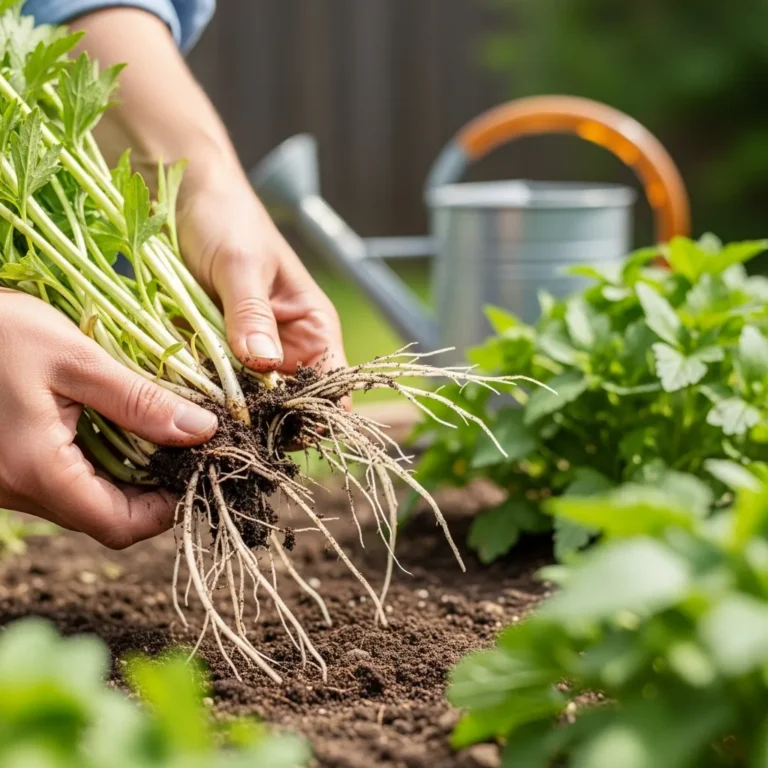
- Assess Your Plot: Once you have your plot, take time to observe it. What’s the sunlight like? What’s growing there now? Note the soil type and drainage. This initial assessment helps you plan effectively. It’s like getting to know your new canvas.
- Clear the Land (Carefully): Remove any unwanted weeds, debris, or old structures. If the plot is heavily overgrown, you might need to do this in stages. Be mindful of what you’re removing; some plants might be beneficial. Don’t just rip everything out without thinking.
- Soil Preparation: This is a big one. Get your soil ready for planting. If you suspect issues or want to know its composition, consider a soil test through your local cooperative extension office. Based on the test, you’ll know if you need to add compost or other amendments. The Cooperative Extension offers guidance on soil health. Aim for a rich, workable soil.
- Plan Your Layout: Decide what you want to grow. Consider crop rotation to prevent soil depletion and disease. Map out where different vegetables, fruits, or flowers will go. Think about pathways too. A good layout makes maintenance much easier.
- Start Planting: Begin planting according to the season and your plan. Start with easier crops if you’re new to this. Follow planting depth and spacing guidelines. Water consistently, especially when plants are young or establishing.
- Ongoing Maintenance: Allotments require regular attention. This includes weeding, watering, pest monitoring, and harvesting. Stick to a schedule, but be flexible. Enjoy the process of tending your plot throughout the growing season.
Common Misconceptions About Allotments
Myth: Allotments are only for experienced gardeners with tons of free time.
Reality: Not true! Many allotment sites welcome beginners. While they do require work, you can start small. Focus on a few easy-to-grow vegetables like lettuce or radishes. Many experienced allotmenteers are happy to share advice. The Royal Horticultural Society (RHS) offers resources for new growers, suggesting that patience and consistent effort are more important than years of experience.
Myth: You can grow anything you want on an allotment plot.
Reality: Most allotment sites have rules. These often cover things like not keeping livestock, not building permanent structures without permission, and maintaining tidy plots. Always check the specific rules for your allotment association or local council before planting large trees or making major changes. The RHS notes that adherence to site rules is key to community harmony.
Myth: Allotments are always cheap and easy to get.
Reality: While generally affordable, availability varies greatly. Some areas have long waiting lists for plots. The cost also differs based on location and what’s included (like water access). It’s worth researching local availability and fees early on.
Myth: An allotment plot means you’ll never have to buy produce again.
Reality: While you can grow a lot, it’s rare to be completely self-sufficient from one plot alone. Your success depends on weather, pests, and your own efforts. Think of it as supplementing your grocery shopping with incredibly fresh, homegrown food. It’s more about the joy of growing and the quality of what you harvest.
What to Track on Your Allotment Plot
Keeping notes about your allotment plot is super helpful. It helps you learn what works and what doesn’t. It also gives you solid information if you need to ask for advice. Here’s what I recommend tracking:
- Planting Dates: Record when you sow seeds and transplant seedlings. This helps you understand growth cycles and plan for succession planting.
- Watering Schedule: Note how often you water and how much. This is especially important during dry spells or for new plantings.
- Pest and Disease Sightings: Log any pests or diseases you see, what plants they affected, and when. Be specific: “small green aphids on bean leaves,” “powdery mildew on zucchini.”
- Weed Growth Patterns: Track which weeds are most common and where they tend to appear. This helps you develop targeted weeding strategies.
- Harvest Yields: Roughly estimate how much you harvest. Did a particular variety produce more? Was it earlier or later than expected?
- Soil Moisture: Periodically check soil moisture beyond the surface. A simple finger test tells you a lot.
- Weather Conditions: Note significant weather events like heavy rain, frost, or heatwaves. These impact plant growth and pest activity.
- Soil Amendments: Record when you add compost, fertilizer, or other soil improvements. This helps track their effect over time.
Frequently Asked Questions About Allotments
What are the legal rights of an allotment holder?
Your rights depend on the type of tenancy agreement you have. Generally, you have the right to peaceful enjoyment of your plot. Most agreements prohibit sub-letting or assigning your plot without permission. Your local council or allotment association will have specific terms. The RHS provides general guidance on allotment agreements and tenant responsibilities.
Can I build a shed or greenhouse on my allotment?
Often, yes, but with restrictions. Many sites require you to get permission first. There might be size limits or rules about the type of structure. Check your site’s regulations carefully. Some agreements might allow temporary structures but not permanent ones without approval.
How much does an allotment typically cost?
Costs vary widely. You might pay an annual rent to the council or a private landowner. Fees can range from $20 to over $150 per year, sometimes more in high-demand urban areas. Some sites also have a small deposit or membership fee. The USDA historically set allotments for certain crops, but this relates to farming quotas, not rental costs for personal plots. For rental fees, local research is key.
What happens if I don’t maintain my allotment properly?
Most allotment agreements have clauses about maintaining your plot. If your plot becomes neglected, overgrown, or a nuisance to neighbors, you could receive warnings. If the situation doesn’t improve, you might lose your plot. Sites usually have a process for addressing neglected plots, starting with communication and warnings.
Are there rules about what I can grow on my allotment?
Generally, you can grow most fruits, vegetables, and flowers. However, some sites may prohibit certain things, like invasive plants or illegal substances. Rules might also discourage purely ornamental planting if the site’s purpose is food production. Always refer to your site’s specific rules or bylaws.
Can I keep chickens or bees on my allotment?
This is a common question and depends entirely on the site rules. Many modern allotment sites allow chickens or bees, but often with strict regulations regarding number, coop design, and noise. Some older sites may prohibit them entirely. Always seek explicit permission before introducing any animals.
The Rewarding Journey of Allotment Gardening
Getting an allotment is a fantastic step for any gardener. It offers space, community, and the satisfaction of growing your own food. Remember, it’s a learning process. Don’t be afraid to ask questions or seek advice from experienced gardeners or your local cooperative extension. Embrace the challenges and celebrate the harvests. Your allotment journey is just beginning, and it’s sure to be rewarding. Happy growing!