When Should I Plant Summer Bulbs?
Short answer: Plant summer bulbs after the last frost, typically from mid-April to May. If you want to get a head start or are planting tender varieties, start them indoors in pots around March or April. This gives them time to establish roots before you move them outside once frost is no longer a threat. Planting too early risks damaging the bulbs. Make sure they have a sunny, sheltered spot. Proper planting depth and good drainage are essential for healthy growth and abundant blooms all summer (vegetable garden).
Dreaming of a garden bursting with color all summer long? You’re in the right place. Planting summer bulbs is a fantastic way to achieve that lively display. I’ve learned this the expensive way, trying to rush things or plant at the wrong time. this guide covers walk you through exactly when to get those summer bulbs in the ground for the best blooms. We’ll cover the best times to plant, what signs to look for, and how to keep them healthy. This isn’t about fancy botany; it’s about practical advice from one gardener to another, backed by trusted sources.
Why Planting Summer Bulbs at the Right Time Matters
Timing is everything for getting a stunning summer garden. Planting summer bulbs at the correct time ensures they have the best chance to establish strong roots before the heat of summer or the chill of fall arrives. It’s not just about when the last frost disappears; soil temperature also plays a crucial role. Cold, wet soil can lead to bulb rot, a common reason for failed plantings. Getting this timing right means you’ll enjoy those lively colors and beautiful blooms without the frustration of watching your efforts fail. According to Penn State Extension, many summer-blooming bulbs, like dahlias and gladioli, need warm soil to thrive. Planting them too early in cool, damp conditions can significantly impact their health and flowering potential. This careful attention to timing helps maximize your garden’s beauty and your gardening success.
When to Wait and When to Plant Your Summer Bulbs
Deciding when to get your hands dirty with summer bulbs involves watching the weather and your soil. It’s a balance between being eager for blooms and preventing potential problems.
Worth waiting for:
- Frost-free nights: Wait until your local forecast consistently shows no risk of frost, usually mid-April to May in many parts of the US.
- Soil warming up: The soil temperature should ideally be above 50°F (10°C) for most bulbs to start actively growing.
- Clear garden beds: Ensure your spring-flowering plants have finished their show and you’ve cleared the space for your summer displays.
- Dormant bulb appearance: Check that the bulbs you purchased look firm and healthy, with no signs of mold or soft spots.
- Container planting: If you’re starting bulbs indoors, wait until they show signs of active growth before considering moving them outside.
- Specific variety needs: Some bulbs, like certain lilies, might have slightly different timing recommendations; always check plant tags or reliable sources.
Worth planting now:
- Indoor starting: Tender bulbs can be started indoors in pots about 4-6 weeks before the last expected frost.
- Pre-chilled bulbs: If you bought bulbs that require a chilling period, and that period is complete, they are ready to plant.
- Ready-to-grow containers: If you purchased bulbs already showing significant green shoots and roots in pots, they are ready for their final planting spot.
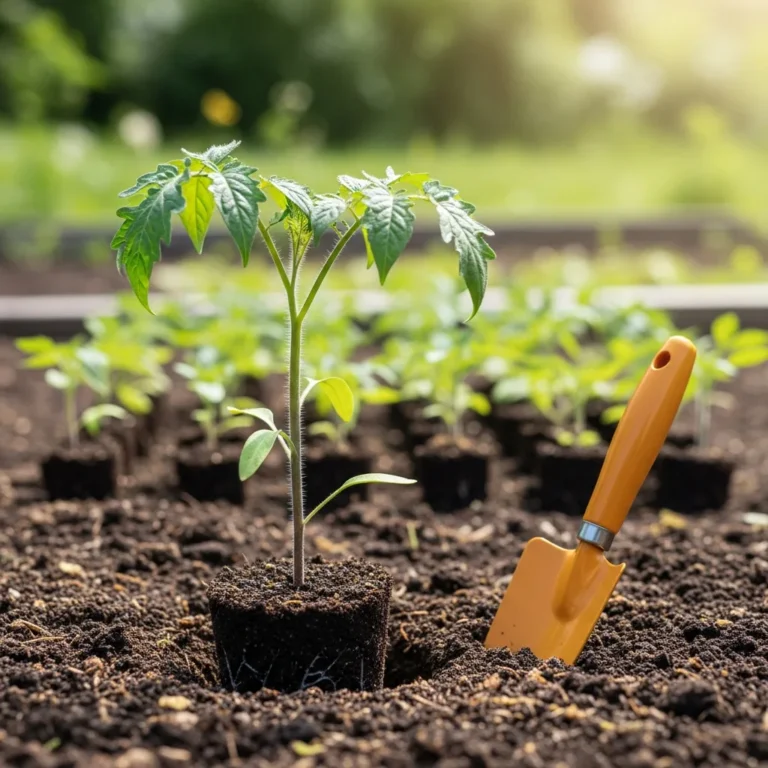
- After last frost: Once all danger of frost has passed and the soil has warmed, plant directly into garden beds or containers.
- Deep enough planting: Ensure bulbs are planted at the correct depth to protect them from temperature fluctuations and pests.
- Well-draining soil: If your planting location has heavy clay soil, amend it with compost before planting to improve drainage.
Step-by-Step Guide to Planting Summer Bulbs
- Choose Your Bulbs: Select varieties suited to your climate and desired bloom time. Consider factors like height, color, and whether they are hardy or tender. Hardy bulbs like lilies can be planted earlier, while tender bulbs like gladioli and dahlias are best planted after the last frost. The Penn State Extension offers a great guide to various summer and fall blooming types.
- Prepare the Planting Site: Whether in the ground or containers, ensure the area has good drainage and receives adequate sunlight (most summer bulbs need at least 6 hours of sun daily). Amend heavy soils with compost to improve aeration and drainage. For containers, use a quality potting mix.
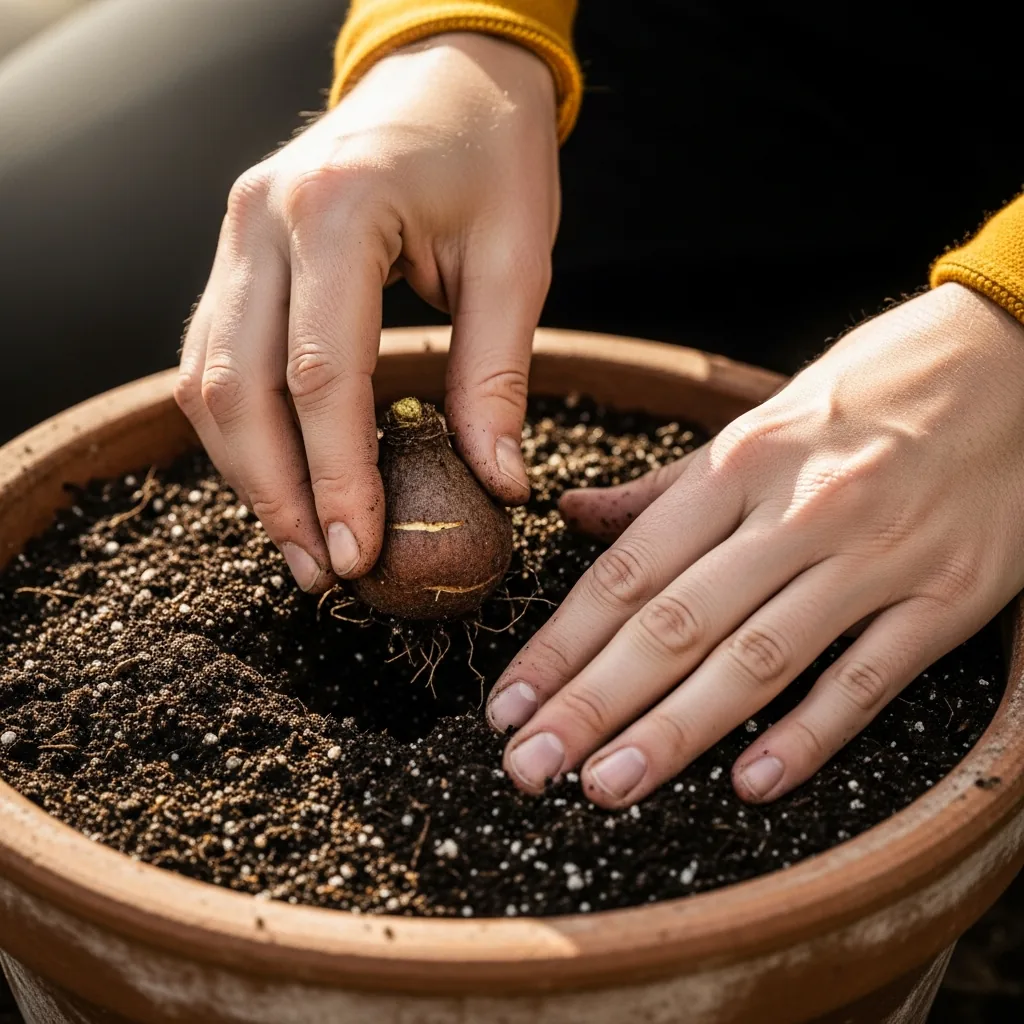
- Determine Planting Depth: A general rule of thumb is to plant bulbs about 2-3 times as deep as they are tall. For example, larger bulbs like dahlias might need 4-6 inches of soil cover, while smaller ones need less. Always check specific recommendations for your chosen variety.
- Plant the Bulbs: Place bulbs pointed-end up (or the knobby side up for corms like gladioli). Space them according to their mature size, usually 4-6 inches apart, or as recommended. For tubers like dahlias, plant them with the stem or crown facing upwards.
- Water Thoroughly: After planting, water the area well to settle the soil around the bulbs and encourage root development. Avoid overwatering, especially if your soil is already moist.
- Mulch if Necessary: Apply a 2-3 inch layer of organic mulch around the bulbs once they are planted. This helps retain moisture, suppress weeds, and regulate soil temperature. Keep mulch a little away from the immediate base of emerging shoots.
- Mark Your Spot: Use plant markers to remember where you planted your bulbs, especially if they have a long germination period. This also helps when planning your garden layout and during weeding.
Common Myths About Planting Summer Bulbs
Myth: All bulbs can be planted at the same time in spring.
Reality: This isn’t true. Spring bulbs like tulips and daffodils are planted in fall. Summer-blooming bulbs, like lilies, dahlias, and gladioli, are planted in spring after the last frost. Planting them too early can lead to rot or frost damage. The University of Illinois Extension notes that timing is critical for successful flowering.
Myth: You can plant bulbs upside down.
Reality: While some bulbs might still sprout if planted upside down, it’s not ideal. Most bulbs have a clear top (where shoots emerge) and a bottom (where roots grow). Planting them correctly ensures the most efficient growth and prevents the plant from expending extra energy to reorient itself.
Myth: All bulbs need the same soil type.
Reality: Soil requirements vary. For instance, some lilies prefer acidic soil, while others are more tolerant. Dahlias and gladioli generally prefer rich, well-draining soil. Always research the specific needs of your chosen bulbs. Poor drainage is a common culprit for bulb failure, as highlighted by the Clemson Cooperative Extension.
Myth: Tender bulbs can’t be saved for next year.
Reality: Many tender bulbs, such as dahlias and gladioli, can be successfully overwintered indoors. After the foliage dies back, dig up the bulbs, clean them, and store them in a cool, dry, frost-free place. This allows you to enjoy them season after season.
What to Track for Healthy Summer Bulbs
Keeping an eye on a few key things will help you ensure your summer bulbs thrive and give you the best possible display. It’s like keeping a simple garden journal, but focused on what matters most for these specific plants.
- Planting Date: Note the exact date you planted each type of bulb. This helps you track germination times and anticipate bloom periods.
- Sprouting Time: Record when you first see shoots emerging from the soil. This indicates successful root establishment.
- First Bloom: Mark the date the first flower opens. This is your indicator for when to start feeding and for overall bloom duration.
- Soil Moisture: Check the soil moisture regularly, especially during dry spells. Aim for consistently moist, but not waterlogged, soil.
- Pest Activity: Watch for common pests like slugs, snails, or aphids. Early detection makes control much easier.
- Flower Color & Size: Note if the blooms match expectations. Any unusual color changes or stunted growth could signal a problem.
- Plant Height: Track how tall the plants grow. Significant deviations from the expected height might indicate nutrient issues or environmental stress.
- Foliage Health: Observe the leaves for yellowing, spotting, or wilting, which can be early signs of disease or nutrient deficiencies.
Frequently Asked Questions About Summer Bulbs
Can I plant summer bulbs in pots?
Yes, absolutely! Many summer bulbs, like begonias and dahlias, do exceptionally well in containers. Ensure your pots have drainage holes and use a good quality potting mix. This also makes it easier to protect tender bulbs from frost by moving them indoors during colder months.
How deep should I plant summer bulbs?
The general rule is to plant bulbs 2-3 times as deep as they are tall. For larger bulbs like lilies and dahlias, this might be 4-6 inches deep. Smaller bulbs need less depth. Always check the specific planting depth for the variety you are growing to ensure best results.
What if I planted my bulbs too early?
If you planted tender bulbs before the last frost and a cold snap is expected, you can try to protect them. Cover the area with a thick layer of mulch or row covers. If they show signs of frost damage (like blackened leaves), don’t remove the damaged parts immediately; sometimes, the bulb can recover. For hardy bulbs, early planting is usually less of a concern.
Do summer bulbs need fertilizer?
Yes, feeding your summer bulbs can significantly improve bloom quality and quantity. Once shoots emerge and especially once flowering begins, use a balanced liquid fertilizer or one higher in phosphorus and potassium. The RHS recommends feeding regularly during the growing season.
What are the best sunny locations for summer bulbs?
Most summer-blooming bulbs thrive in full sun, meaning at least 6-8 hours of direct sunlight per day. Locations like the south-facing side of your house, open garden beds, or sunny borders are ideal. Avoid areas that are heavily shaded by trees or buildings for most summer bulb varieties.
How do I deal with pests on my summer bulbs?
Common pests include slugs and snails, which can damage emerging shoots and flowers. Use slug bait, beer traps, or handpick them. Aphids can be washed off with a strong spray of water or treated with insecticidal soap. Early detection is key to managing pest problems effectively.
Enjoying Your Summer Blooms
Planting summer bulbs at the right time is a simple step that makes a huge difference in your garden’s success. Remember, it’s okay if things aren’t perfect the first time. I certainly made my share of mistakes early on. By following these guidelines and paying attention to your local conditions, you’re well on your way to a gorgeous summer display. If you ever feel unsure about plant identification or specific soil issues, don’t hesitate to reach out to your local cooperative extension office for tailored advice.