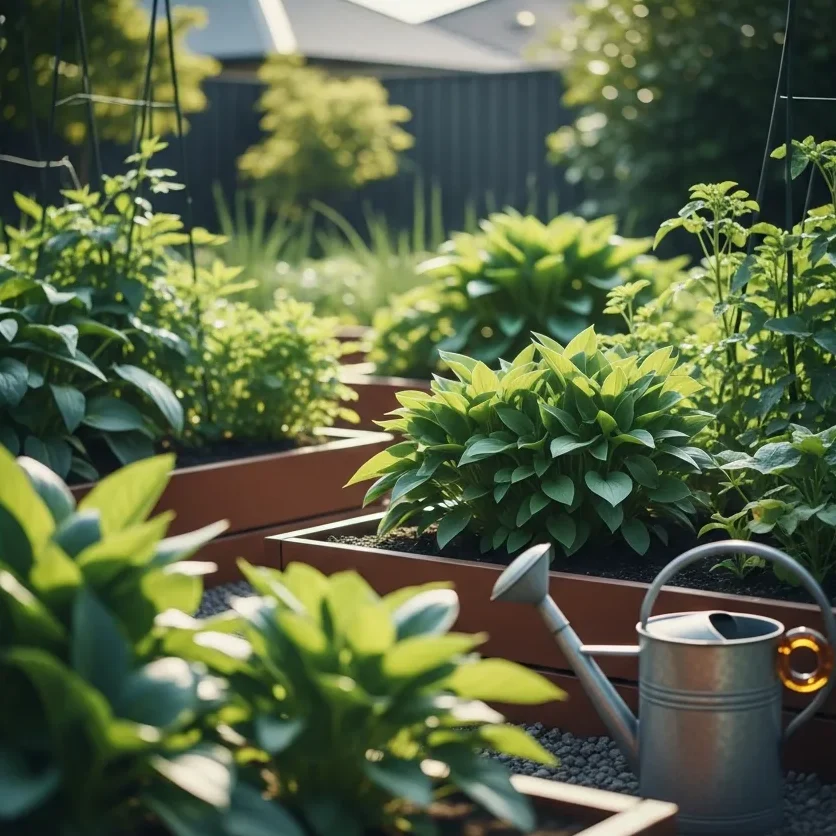
Quick Answers: Why Your Garden Floods
Short answer: Garden flooding often happens because of compacted soil, too much hardscaping, poor drainage, or inadequate plant cover. Impermeable surfaces like patios and driveways prevent water absorption, directing runoff elsewhere. Compacted soil can’t soak up rain effectively, leading to puddles and runoff. Not enough plants, especially evergreens, mean less water is taken up by roots and transpired. Solutions include improving soil health, incorporating permeable paving, strategic planting, and managing runoff. Addressing these factors helps your garden manage rainwater better and reduces the risk of garden flooding.
It’s frustrating when water pools in your garden. You try to grow beautiful things, but sometimes the weather just wins. I’ve definitely had my share of soggy spots. But did you know your own backyard could be making things worse? Understanding how your garden contributes to garden flooding is the first step toward fixing it. this guide covers help you identify the issues and offer practical solutions, drawing on expert advice (vegetable garden).
We’ll cover why this matters, what signs to watch for, simple fixes you can do yourself, and when it’s time to call in the pros. We’re not aiming for botanical perfection here, just a healthier, happier garden that handles rain better. Let’s figure this out together.
Why Garden Flooding Matters for Your Yard
Seeing water stand in your garden after a rainstorm isn’t just an eyesore. It can seriously harm your plants and even your home’s foundation. When soil stays waterlogged, plant roots can’t get the oxygen they need. This leads to root rot, which is a common killer for many garden favorites. I learned this the hard way with some lovely hydrangeas that just wouldn’t bounce back after a wet spring.
Beyond plant health, persistent garden flooding can damage lawns, making them patchy and weak. It can also create mosquito breeding grounds, which nobody wants. For homeowners, water that can’t drain away might eventually seep into basements or crawl spaces, causing costly structural damage and encouraging mold growth. University Extension services often highlight how crucial good drainage is for a healthy yard and home. The U.S. Environmental Protection Agency (EPA) also points out that managing stormwater effectively at home helps reduce the burden on municipal systems, preventing larger community flooding events.
The fact that you looked this up means your garden is in good hands. Understanding how your landscape interacts with water is key. It allows you to make smart choices that benefit your plants, your property, and even your local environment. We’ll explore the specific ways your garden might be contributing to this problem and what you can do about it.
When to Wait and Watch vs. Call an Expert
Figuring out what to do about garden flooding can feel overwhelming. Sometimes, it’s a simple fix you can handle yourself. Other times, the problem signals something more serious. Knowing the difference is crucial for saving time, money, and your garden.
Worth watching:
- Minor Puddles After Heavy Rain: Small puddles that disappear within 24-48 hours are usually normal, especially after a deluge. Observe if they are getting smaller or larger over time.
- Slightly Damp Soil Surface: If the top inch of soil stays damp but the deeper soil drains, it might just need a bit more time or a lighter watering schedule.
- Occasional Runoff on Slopes: If water flows down a gentle slope but doesn’t pool excessively or cause erosion, it might be manageable with simple grading or planting.
- New Plantings Settling: Newly planted areas might experience temporary puddling as the soil settles. Monitor this over a few weeks.
- Seasonal Wetness: Some areas naturally stay wetter during specific seasons, like spring thaw. Note if this is a consistent, predictable pattern.
Worth calling an expert:
- Persistent Standing Water: Water that remains for more than 48-72 hours after rain, or doesn’t drain at all, indicates a significant drainage issue.
- Water Near Foundation: Any signs of water pooling or seeping towards your home’s foundation are urgent. This can cause serious structural damage.
- Soil Contamination Concerns: If you suspect your soil might be contaminated (e.g., from old industrial sites, lead paint chips), get a soil test from your local cooperative extension office before amending.
- Large Areas of Impermeable Surfaces: If your yard is mostly concrete, asphalt, or tightly packed gravel with no drainage, consult a landscaping professional for solutions.
- Signs of Plant Disease/Root Rot: Yellowing leaves, wilting despite moist soil, or dying plants can signal root issues caused by prolonged waterlogging. Your local extension office can help identify specific diseases.
- Major Erosion or Sinkholes: Significant soil loss or unexpected depressions forming after rain indicate serious subsurface drainage problems or soil instability.
Can we talk about pet safety? If you suspect your pet may have ingested a toxic plant, contact the ASPCA Animal Poison Control Center immediately. They have a complete database and expert advice for emergencies.
How to Fix Garden Flooding: Your Step-by-Step Guide
Tackling garden flooding involves a few key strategies. Here’s a step-by-step approach to help your yard absorb and manage water more effectively.
- Improve Soil Health: This is foundational. Compacted soil is a major culprit. Start by gently aerating your lawn or garden beds using a garden fork or a core aerator. For existing beds, consider adding organic matter like compost. This helps create air pockets, improving drainage and water absorption. Aim to add a 2-3 inch layer of compost annually. If you’re starting new beds, try a no-dig approach from the start. This preserves soil structure and encourages beneficial organisms. Penn State Extension offers great resources on soil health after flooding events, emphasizing rebuilding soil structure. (Penn State Extension)
- Incorporate Permeable Surfaces: If you have large areas of concrete or asphalt, consider replacing some of it. Opt for permeable pavers, gravel, or grass reinforcement systems. These allow water to seep through into the ground below, rather than running off. Even creating small planting pockets within hardscaping can make a difference. This approach mimics natural landscapes and reduces surface runoff significantly. Researching local building codes for permeable options is a smart move.
- Strategic Planting: Plants are your allies against garden flooding. Choose plants that tolerate moist conditions or have high water uptake. Evergreen shrubs and trees are particularly useful because they absorb water year-round, unlike deciduous plants that lose their leaves in winter. Dense groundcovers and hedges also help absorb rainfall. Consider planting rain gardens – shallow depressions planted with water-loving native plants designed to capture and filter runoff. The Royal Horticultural Society (RHS) suggests specific trees and shrubs known for high evapo-transpiration rates. (RHS)
- Manage Existing Structures: If you have sheds or other structures, ensure they aren’t contributing to pooling water. Consider installing a rain garden or French drain system around them. Green roofs on sheds can also help absorb rainwater before it hits the ground. Collecting rainwater with water butts is another excellent strategy. They reduce the amount of runoff from your roof and provide free water for your garden. Aim to install at least one water butt connected to a downspout.
- Create Drainage Channels: In areas where water consistently pools, you might need to create intentional drainage paths. This could involve regrading a small section of your yard to direct water towards a rain garden or a more permeable area. A shallow swale (a vegetated channel) can effectively move water away from sensitive areas like your house foundation. Ensure these channels are planted with appropriate groundcover to prevent erosion.
- Mulch Wisely: Applying a layer of organic mulch (like wood chips or shredded bark) conserves moisture and helps improve soil structure over time. As the mulch breaks down, it incorporates into the soil, enhancing its ability to absorb water. Avoid piling mulch directly against plant stems, as this can lead to rot. A 2-3 inch layer is usually sufficient.
Common Myths About Garden Flooding
Myth: My garden floods because I overwater my plants.
Reality: While overwatering can cause localized issues, widespread garden flooding is usually a symptom of poor soil structure or inadequate drainage. It means the ground itself can’t absorb the water fast enough. Overwatering typically affects individual plants or small areas, whereas flooding points to a larger landscape-level problem with water management.
Myth: All hardscaping, like patios, automatically causes flooding.
Reality: Not all hardscaping is bad. The key is permeability. Traditional concrete and asphalt are impermeable, forcing water runoff. However, permeable pavers, gravel, or spaced flagstones with gaps for planting allow water to drain through. The problem isn’t the patio itself, but the lack of water infiltration it permits.
Myth: Only extremely heavy rains cause flooding.
Reality: While intense downpours exacerbate the issue, frequent or prolonged light rain can also lead to garden flooding if your soil is compacted or drainage is poor. Even moderate rainfall can overwhelm a landscape that isn’t designed to handle water effectively over time.
Myth: Planting more trees will always make flooding worse.
Reality: Mature trees, especially those with extensive root systems and high evapo-transpiration rates, actually help manage water. Their roots improve soil structure, making it more absorbent. They draw significant amounts of water from the soil and release it into the atmosphere. The challenge arises with very young trees or during initial establishment, but long-term, trees are beneficial.
Myth: A simple ditch will solve all my drainage problems.
Reality: While drainage ditches or swales can be effective, they need to be designed correctly. A poorly designed ditch can actually increase erosion or simply move the water problem elsewhere. It’s often best to consult resources from your local cooperative extension or a landscape professional to ensure a drainage solution is appropriate and effective for your specific site.
What to Track in Your Garden
Keeping an eye on a few key things can help you understand your garden’s drainage issues better. This information is also super helpful if you need to consult with a professional. Here’s what to observe:
- Duration of Puddles: Note how long water stands after rain events. Does it disappear in a few hours, a day, or does it linger for days?
- Location of Pooling: Pinpoint exactly where the water collects. Is it in low spots, near structures, or across large flat areas?
- Soil Moisture Levels: Check the soil moisture a few inches down. Is it constantly saturated, or does it dry out between rains?
- Plant Health Indicators: Observe your plants for signs of stress like yellowing leaves, wilting, stunted growth, or root rot, which are common in waterlogged conditions.
- Runoff Patterns: Watch where water flows during and after rain. Does it pool, run towards your house, or flow off your property effectively?
- Soil Texture and Compaction: Try digging a small hole. Is the soil hard and difficult to penetrate? Does it form a hard crust on top?
- Recent Landscape Changes: Have you added new paving, compacted soil by driving on it, or removed significant tree cover recently?
- Frequency and Intensity of Rain: Keep a general log of unusual rainfall patterns, like prolonged drizzle or sudden downpours, to correlate with observed flooding.
Frequently Asked Questions About Garden Flooding
Can my garden really cause flooding in the street?
Yes, it absolutely can. When many gardens in a neighborhood have poor drainage or excessive impermeable surfaces, the collective runoff can overwhelm street drains and contribute to localized flooding. Managing your garden’s water helps reduce this burden. The U.S. EPA emphasizes that individual property management of stormwater is crucial for community-wide flood prevention.
What is a rain garden and how does it help?
A rain garden is a shallow, planted depression designed to capture rainwater runoff from roofs, driveways, or lawns. It allows water to soak into the ground slowly, filtering out pollutants and reducing the volume of water that reaches storm drains. They are typically planted with native, water-tolerant plants and can be a beautiful addition to your landscape.
Is it safe to grow vegetables in a garden that floods?
It depends on the severity and frequency of the flooding. Most vegetables need well-drained soil and can suffer from root rot if left in standing water for too long. Some plants, like certain types of beans or leafy greens, might tolerate occasional wetness better than others. Raised beds are an excellent solution for growing vegetables in flood-prone areas, as they provide improved drainage.
How can I improve drainage in a clay soil garden?
Clay soil naturally drains slowly. Improving it involves adding lots of organic matter, like compost or aged manure. This helps break up the dense clay particles and create air pockets. Avoid working clay soil when it’s very wet, as this can increase compaction. Aerating and incorporating organic matter over time is key. The University of Minnesota Extension provides specific advice for managing clay soils. (UMN Extension)
What’s the difference between flooding and waterlogging?
Flooding generally refers to an overflow of water onto land that is normally dry, often caused by heavy rainfall overwhelming drainage systems or surfaces. Waterlogging occurs when soil remains saturated with water for extended periods, preventing air from reaching plant roots. While related, waterlogging focuses on the soil’s condition and its impact on plants, whereas flooding is the broader event of excess water accumulation.
Are there specific plants that help absorb excess water?
Yes, many plants are excellent at absorbing water. Plants with high evapo-transpiration rates, like certain trees (willows, poplars) and shrubs (dogwoods, hydrangeas), pull many water from the soil. Groundcovers and dense plantings also help absorb rainfall. Native plants adapted to your local climate are often the best choice, as they are naturally suited to handle regional rainfall patterns. Your local cooperative extension can provide lists of suitable plants.
Moving Towards a Drier Garden
Dealing with garden flooding can feel like a challenge, but remember you’re not alone. Many of us have battled soggy spots and learned through trial and error. By understanding how your yard handles water and making a few key adjustments, you can significantly improve drainage. Focus on building healthy soil, planting smart, and managing hardscapes. If you’re seeing persistent issues or signs of damage, don’t hesitate to reach out for professional help. Your garden will thank you for it, and you’ll have peace of mind knowing you’re protecting your home.