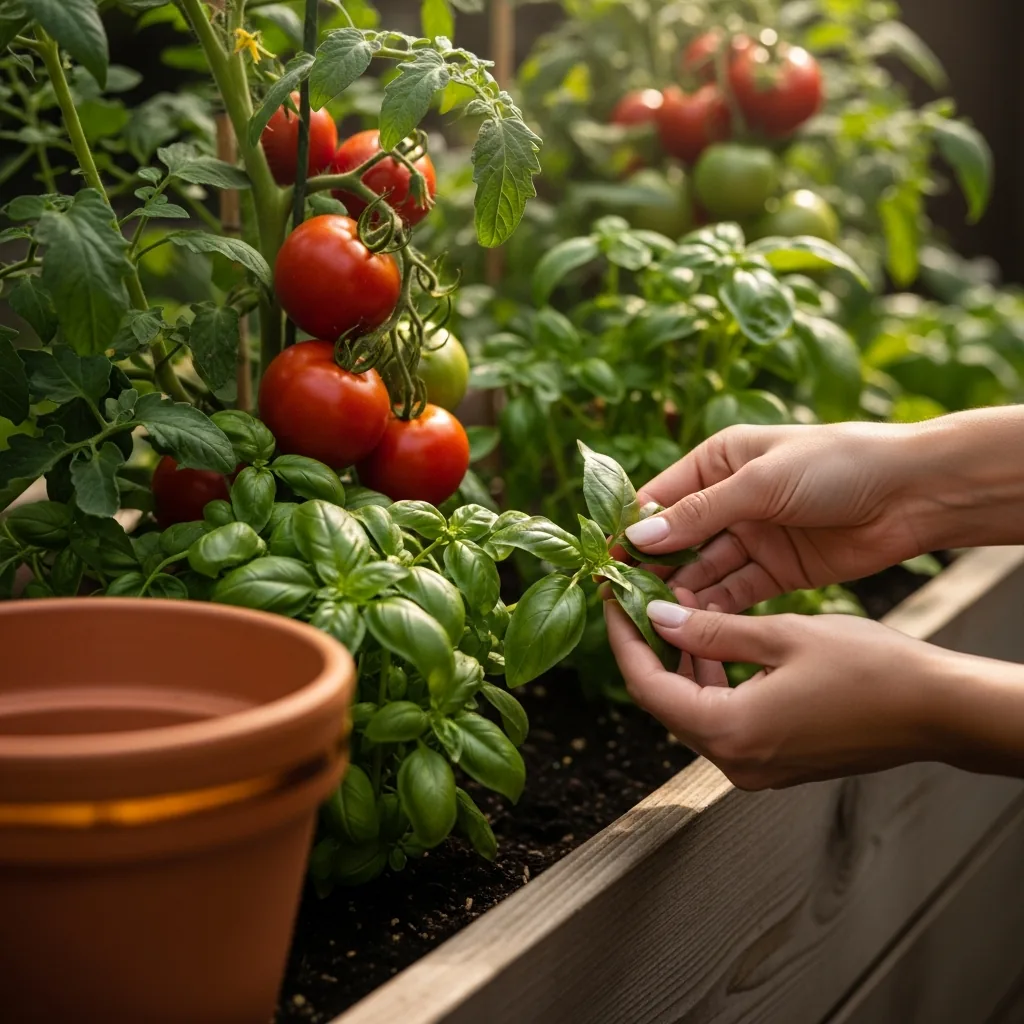
Quick Guide to Managing Garden Pests
Quick version: Controlling garden pests involves a two-pronged approach: prevention and intervention. Start by building healthy soil and choosing disease-resistant plants. Use physical barriers like row covers or hand-picking to remove pests. Encourage beneficial insects that prey on pests. For infestations, consider organic sprays or insecticidal soaps as a first line of defense. Always identify the pest before treating to ensure the correct method. Prevention is key to minimizing damage from garden pests. This quick guide helps you tackle common garden pests effectively.
Dealing with garden pests is a common challenge for us backyard gardeners. The fact that you looked this up means your garden is in good hands. This guide covers how to manage common garden pests, from identifying them to taking action. We’ll focus on practical, safe methods you can use at home, not on complex botanical classifications. My goal is to help you keep your plants thriving without unnecessary stress. Understanding garden pests is a key part of successful growing.
Why Managing Garden Pests Matters to You
As gardeners, we pour our hearts into our plots. We want beautiful flowers and fresh veggies. Seeing pests munching on leaves or damaging fruit is disheartening. It feels personal when your hard work is threatened. Effective pest management protects your investment of time and effort. It also ensures your harvest is safe to eat. University Extension services emphasize that a healthy garden ecosystem naturally deters many pests. But sometimes, intervention is needed.
Ignoring garden pests can lead to widespread damage. What starts as a few chewed leaves can quickly become a full-blown infestation. This can weaken plants, making them more susceptible to diseases. Some pests even carry plant viruses. For instance, aphids can transmit viruses that stunt growth or cause deformities. The U.S. Department of Agriculture highlights the economic impact of pests on crop yields. For us home gardeners, the impact is on our enjoyment and our harvest. Learning to identify and manage garden pests is a fundamental skill for any successful backyard grower.
The goal isn’t to eliminate every single bug. Many insects are beneficial pollinators or predators. It’s about maintaining balance. We want to keep pest populations from reaching damaging levels. This requires understanding their life cycles and behaviors. It also means knowing when to act and when to let nature take its course. This approach helps build a resilient garden that can withstand minor pest pressures.
When to Watch and When to Act on Garden Pests
Deciding whether to intervene with garden pests can be tough. Sometimes, a little bit of damage is normal. Other times, you need to act fast. Here’s a breakdown to help you decide.
Worth watching:
- Minor leaf damage: A few small holes or chewed edges on a few leaves might not be a big deal. Many beneficial insects also feed on plants, and some minor feeding is okay.
- Occasional aphid clusters: A small group of aphids on new growth is common. Ants might even be farming them. Observe if the population explodes or stunts plant growth.
- Spider mites on a few leaves: A light webbing or stippling on a limited number of leaves can often be managed by rinsing plants with water.
- Solitary beneficial insects: Seeing ladybugs, lacewings, or praying mantises is a good sign. Let them do their work.
- Signs of natural predators: If you see ladybug larvae or other beneficial insect young, it means pest control is already happening naturally.
Worth calling an expert:
- Suspected invasive species: If you see something you can’t identify and suspect it might be a serious invasive pest, contact your local cooperative extension office immediately. They can help with proper identification.
- Pet or child toxicity concerns: If you suspect a plant is toxic to pets or children and they may have ingested it, call the ASPCA Animal Poison Control Center or your veterinarian right away.
- Large infestations of unknown pests: If you have a widespread problem with pests you can’t identify and they are causing significant damage, it’s time to seek professional advice.
- Signs of serious plant disease: Pests can spread disease. If you see widespread wilting, unusual spots, or rapid decline that might be disease-related, consult your local extension office.
- Damage to large trees near structures: For any concerns about large trees, especially near your home, contact an ISA-certified arborist.
The key is observation. Regularly checking your plants helps you catch problems early. This gives you more options for management. It also helps you avoid unnecessary treatments. Penn State Extension offers great resources on identifying common garden pests and diseases.
Step-by-Step Guide to Garden Pest Management
Here’s a practical approach to managing garden pests in your backyard:
- Build Healthy Soil: Start with good soil. Amend your garden beds with compost before planting. Healthy soil supports strong plants that are naturally more resistant to pests and diseases. Aim for soil that drains well but retains some moisture. You can learn more about soil health from resources like the USDA Natural Resources Conservation Service.
- Choose Resistant Varieties: When selecting plants, look for varieties known to be resistant to common pests and diseases in your area. Check plant tags or seed packets for this information. This is a proactive step that reduces future problems significantly.
- Practice Crop Rotation: Don’t plant the same crops in the same spot year after year. Rotate your vegetables and herbs to different areas of the garden each season. This helps prevent soil-borne diseases and pests from building up. A simple three or four-year rotation plan works well for most home gardens.
- Use Physical Barriers: Employ physical methods to keep pests away. Row covers can protect seedlings from flying insects. Copper tape around pots can deter slugs. For some pests, like tomato hornworms, simple hand-picking is very effective. Remove them as soon as you see them.
- Encourage Beneficial Insects: Attract natural predators to your garden. Plant flowers like dill, fennel, and yarrow that attract ladybugs, lacewings, and parasitic wasps. These beneficials feed on common pests like aphids and caterpillars. You can find lists of beneficial insect attractors from university extension sites.
- Apply Organic Treatments (If Needed): If pests become a problem, start with gentler options. Insecticidal soaps, horticultural oils, or neem oil can be effective against many soft-bodied insects like aphids and spider mites. Always follow label directions carefully and test on a small area first. Apply treatments in the early morning or late evening to avoid harming pollinators.
- Monitor and Document: Keep an eye on your plants throughout the season. Note any signs of pests or damage. This information is crucial for understanding patterns and for seeking advice from experts if needed. The University of Minnesota Extension has tips on monitoring plant health.
Remember, the goal is to manage, not eradicate. A balanced garden ecosystem is the best defense.
Common Myths About Garden Pests
Myth: All insects in the garden are pests and need to be eliminated.
Reality: This is far from true. Many insects are vital to a healthy garden ecosystem. Bees and butterflies are essential pollinators. Ladybugs, lacewings, and predatory beetles help control pest populations naturally. The University of Illinois Extension highlights the importance of beneficial insects in pest management. Focusing on balance rather than eradication is key.
Myth: Organic pest control methods are not as effective as chemical pesticides.
Reality: While chemical pesticides might offer quick knockdown, organic methods can be highly effective when used correctly. Insecticidal soaps, neem oil, and horticultural oils target specific pests without harming beneficial insects as much. Many university extension programs provide detailed guides on effective organic pest control strategies. Consistent application and proper timing are crucial for success.
Myth: Once you see pests, the plant is doomed.
Reality: Not at all. Many plants can tolerate some pest damage without long-term harm. Early detection and appropriate action are often enough to save a plant. For example, a few aphids can usually be washed off or squished. Even more significant infestations can often be managed with the right treatment. Don’t give up on a plant just because you spotted a bug.
Myth: Companion planting always prevents pests.
Reality: Companion planting can help deter some pests, but it’s not a foolproof solution. Certain plants may repel specific insects, while others might attract beneficial insects. However, relying solely on companion planting might not be enough, especially in areas with heavy pest pressure. It’s best used as one part of an integrated pest management strategy, alongside other methods.
Myth: You should spray pesticides every time you see a bug.
Reality: This is a common mistake that can harm your garden more than help it. Over-spraying can kill beneficial insects, disrupt the natural balance, and lead to pesticide resistance. Always identify the pest first and assess the level of damage. Only treat when necessary, and choose the least toxic option available. The Integrated Pest Management (IPM) approach emphasizes observation and targeted action.
What to Track for Effective Pest Management
Keeping good records helps you understand pest patterns and treatments. This information is invaluable for planning and for when you need to consult experts. Here’s what to track:
- Date and Time of Observation: Note when you first spot pests or damage.
- Pest Identification: Try to identify the specific pest. If unsure, take clear photos.
- Location in Garden: Which plants are affected? Which part of the plant (leaves, stems, roots)?
- Severity of Infestation: Estimate the number of pests or the percentage of plant damage.
- Symptoms Observed: Note any physical signs like yellowing leaves, wilting, webbing, or holes.
- Weather Conditions: Record recent rainfall, temperature, and humidity. These can influence pest activity.
- Treatments Applied: Document any pest control methods used, including product names, application dates, and rates.
- Response to Treatment: Note how the plants and pests responded to the treatment.
- Presence of Beneficial Insects: Observe if ladybugs, lacewings, or other helpful insects are present.
- Plant Health: Overall health of the plant before and after pest activity.
Consistent monitoring helps you stay ahead of potential problems. It also provides concrete data if you need to call your local cooperative extension office for advice.
Frequently Asked Questions About Garden Pests
What’s the difference between a pest and a beneficial insect?
A pest is generally considered an organism that causes damage to your plants or is a nuisance. Beneficial insects, on the other hand, help your garden by preying on pests, pollinating plants, or improving soil. Examples of beneficials include ladybugs, lacewings, and certain types of wasps. Recognizing the difference is key to effective pest management.
How can I prevent garden pests without chemicals?
Prevention is multi-faceted. Focus on building healthy soil, choosing disease-resistant plant varieties, and practicing crop rotation. Use physical barriers like row covers or netting. Encourage beneficial insects by planting attractive flowers. Regularly monitor your plants for early signs of trouble. These practices create a more resilient garden that requires less intervention.
Are all caterpillars harmful to my garden?
No, not all caterpillars are harmful. Many are the larval stage of butterflies, which are important pollinators. However, some caterpillars, like the tomato hornworm or cabbage worm, can cause significant damage to specific plants. It’s important to identify the caterpillar before taking action. Often, hand-picking is an effective solution for the damaging ones.
What does ‘Integrated Pest Management’ (IPM) mean for home gardeners?
IPM is a strategy that combines different methods to manage pests effectively and with minimal risk to people and the environment. It emphasizes observation, prevention, and using the least toxic methods first. This includes biological controls (beneficial insects), cultural controls (like crop rotation), physical controls (barriers), and chemical controls only as a last resort. Penn State Extension offers guidance on IPM principles.
Why are ants sometimes considered beneficial in the garden?
While ants can sometimes be pests themselves or farm aphids, they can also be beneficial predators. Some ant species prey on insect eggs, larvae, and other small insects that can harm your plants. It’s a complex relationship. If ants are farming aphids, you’ll need to address the aphid problem, which often helps reduce the ant activity.
How often should I inspect my plants for garden pests?
A good rule of thumb is to inspect your plants at least once or twice a week. Pay close attention to new growth, the undersides of leaves, and any areas showing signs of stress or damage. Early detection is your best tool for managing garden pests before they become a major problem.
Can I use soap and water to control garden pests?
Yes, a simple solution of insecticidal soap or even mild dish soap mixed with water can be effective against many soft-bodied pests like aphids, spider mites, and whiteflies. Be sure to use a pure soap (like castile soap) and avoid detergents, which can harm plants. Always test the solution on a small part of the plant first and apply during cooler parts of the day.
Your Garden’s Best Defense
Managing garden pests is an ongoing process, not a one-time fix. It takes observation, patience, and a willingness to learn. Remember that a healthy garden ecosystem is your strongest ally. By focusing on prevention and using targeted, thoughtful interventions, you can keep your plants thriving. Don’t hesitate to reach out to your local cooperative extension office if you’re unsure about a pest or a treatment. They’re a fantastic resource for us home gardeners.