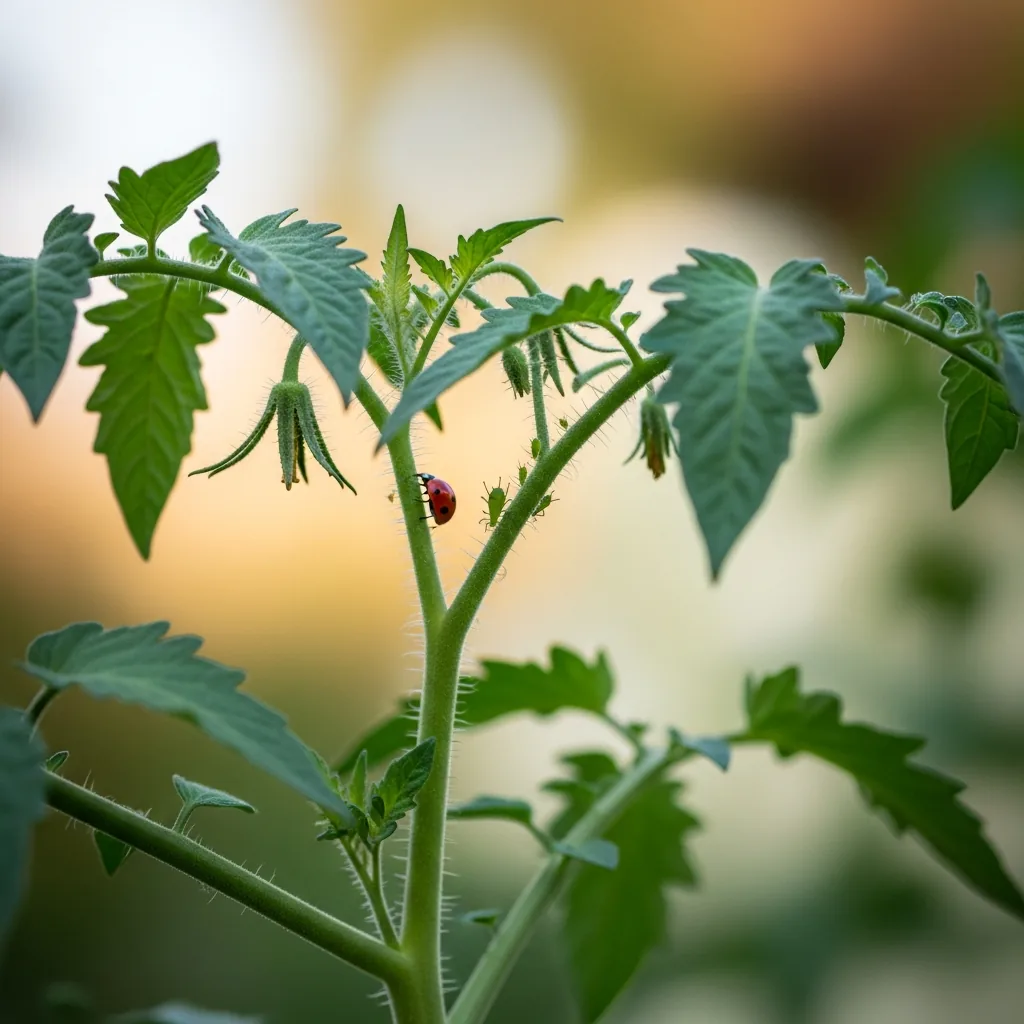
Quick Answer to Common Garden Pests
In brief: Common garden pests like aphids, slugs, and caterpillars damage plants by feeding on leaves, stems, or roots. Early detection is key for managing these garden pests. Look for visible insects, chewed leaves, or wilting. Many can be managed with simple methods like hand-picking, insecticidal soap, or companion planting. For severe infestations or identification of unknown pests, consulting your local cooperative extension office is recommended. Sustainable practices and understanding pest life cycles help prevent future problems in your garden.
Dealing with garden pests is a challenge for every gardener. I’ve certainly had my fair share of battles in my own backyard. The fact that you looked this up means your garden is in good hands. This guide covers common garden pests, how to spot them, and what you can do. We’ll focus on practical, backyard-friendly solutions, not heavy-duty chemical warfare.
We’ll explore preventative measures and simple fixes for everyday garden issues. While I’m not a certified entomologist, I’ve learned a lot from experience and trusted sources like university extensions. This is about helping your plants thrive, the natural way, whenever possible.
Why Understanding Garden Pests Matters for Your Backyard
As backyard gardeners, we pour many love and effort into our plots. We want to see our plants thrive, produce food, and look beautiful. But then, seemingly overnight, disaster strikes. Tiny mouths appear, munching away at our hard work. These are the common garden pests, and they’re a reality for all of us. Ignoring them means risking significant plant damage, reduced yields, or even plant death. Can we talk about how frustrating that is?
The good news is that most pest problems aren’t catastrophic. Understanding what you’re up against is the first step. It helps you choose the right approach, whether that’s a simple fix or knowing when to seek expert advice. For instance, knowing the difference between a beneficial insect and a pest can save you from harming your garden’s allies. Resources from places like the Extension Foundation highlight how integrated pest management strategies can significantly improve garden health and reduce reliance on harmful chemicals. This knowledge empowers you to protect your plants effectively and sustainably.
When to Watch and When to Act on Garden Pests
It’s easy to panic when you see something on your plants. But not every bug is a villain! Sometimes, nature handles things itself. Here’s a breakdown of when to observe and when to intervene.
Worth watching:
- Small Aphid Colonies: A few tiny green or black dots on new growth might not cause significant harm. Ladybugs and lacewings often show up to help.
- Occasional Chewed Leaves: A single hole or two on a mature leaf is usually minor. The plant can likely recover.
- Slugs/Snails in Damp Areas: If they are only present after heavy rain and are in low numbers, they might not be doing widespread damage.
- Ants on Plants (without visible pests): Ants often farm aphids for their honeydew. If you don’t see the aphids, the ants might not be the primary problem.
- Spider Mites (early stages): Very fine webbing on a few leaves could be an early sign. Monitor closely for increased webbing and stippling.
- Caterpillars (small numbers): One or two on a large plant might be manageable by hand-picking.
Worth calling an expert:
- Suspected Invasive Pests: If you see something completely unfamiliar and widespread, especially if it looks like it could spread rapidly, contact your local cooperative extension. They can help with identification. The US Forest Service also offers resources on identifying invasive species.
- Widespread Damage: If half your plant’s leaves are eaten or covered in pests, immediate action is needed to save it.
- Signs of Disease Spread: Pests can carry diseases. If you see wilting, spots, or discoloration alongside pest activity, it’s more serious.
- Infestations Affecting Edibles: If pests are heavily infesting fruits or vegetables you plan to eat, you need to act fast to prevent loss and contamination concerns.
- Toxicity to Pets or Children: If you suspect a pest or a treatment you’re considering could harm pets or children, consult the ASPCA Animal Poison Control or your local veterinarian.
- Large-Scale Tree Issues: If pests are severely impacting a large tree near your home, consult an ISA-certified arborist.
Step-by-Step Pest Management for Your Garden
- Inspect Regularly: Make it a habit to check your plants at least once or twice a week. Look under leaves, along stems, and at new growth. Early detection is your best friend. This takes just a few minutes each time you water.
- Hand-Pick Pests: For larger pests like caterpillars, slugs, or beetles, simply pick them off by hand and drop them into a bucket of soapy water. Wear gloves if you prefer. This is most effective when pest numbers are low.
- Use Insecticidal Soap: For soft-bodied insects like aphids and spider mites, a homemade or commercial insecticidal soap spray can be very effective. Mix 1-2 teaspoons of mild liquid soap (like pure castile soap) with a quart of water. Spray directly on the pests, ensuring good coverage, especially on the undersides of leaves. Reapply every few days as needed.
- Introduce Beneficial Insects: Encourage natural predators like ladybugs, lacewings, and predatory mites. You can attract them by planting small-flowered plants like dill, fennel, and yarrow. Some nurseries also sell beneficial insects for release.
- Apply Physical Barriers: Use row covers to protect seedlings from flying insects. Copper tape around pots can deter slugs and snails. Diatomaceous earth, a fine powder made from fossilized algae, can create a barrier that cuts up soft-bodied insects. Ensure it stays dry for effectiveness.
- Companion Planting: Some plants can help deter pests from others. For example, marigolds are often planted near vegetables to repel nematodes and other pests. Nasturtiums can act as a trap crop for aphids. Research good companions for your specific plants. The Penn State Extension has resources on sustainable gardening practices.
- Maintain Plant Health: Healthy plants are more resistant to pests. Ensure proper watering, adequate sunlight, and good soil. Use compost and organic matter to keep your soil healthy. This is foundational for a pest-resistant garden.
Common Myths About Garden Pests Debunked
Myth: All insects in the garden are pests.
Reality: This is far from true! Many insects are beneficial predators or pollinators. Ladybugs eat aphids, lacewings devour mites, and bees are essential for fruit and vegetable production. Mistaking a beneficial insect for a pest can harm your garden’s natural balance. Always try to identify an insect before taking action.
Myth: You must use strong chemical pesticides to control pests.
Reality: While chemicals offer a quick fix, they often harm beneficial insects, pollinators, and can pose risks to soil health and water quality. Many pests can be managed effectively with organic methods like hand-picking, insecticidal soaps, attracting predators, and using physical barriers. The University of Illinois Extension promotes composting and integrated pest management to reduce chemical reliance.
Myth: Pests are only a problem in the summer.
Reality: Different pests are active at different times of the year. Some overwinter as eggs or adults in soil, plant debris, or even on dormant plants. Early spring and late fall are crucial times for cleanup and preventative measures to reduce pest populations before they become a major issue.
Myth: Once a plant is infested, it’s a lost cause.
Reality: Many infestations can be treated successfully, especially if caught early. Even severe infestations can sometimes be managed with persistent effort. Focusing on plant health can help recovery, and sometimes pruning away heavily damaged sections is all that’s needed. Don’t give up too easily!
What to Track for Pest Management Success
Keeping records helps you understand pest patterns and treatment effectiveness. Here’s what I recommend tracking in your garden journal:
- Date of Observation: When you first noticed the pest or damage.
- Type of Pest/Damage: Be specific (e.g., ‘aphids on roses’, ‘holes in tomato leaves’, ‘slimy trails on lettuce’).
- Location in Garden: Which plants or beds are affected.
- Severity of Infestation: Use a simple scale (e.g., Low, Medium, High) or count pests on a sample leaf/plant.
- Weather Conditions: Note recent rain, heat, or humidity, as this influences pest activity.
- Treatments Applied: Record what you used (e.g., ‘hand-picked’, ‘insecticidal soap’, ‘neem oil’).
- Date of Treatment: When the treatment was applied.
- Effectiveness of Treatment: Did it work? How well? Note any observations a few days later.
- Beneficial Insects Present: Note if you see ladybugs, lacewings, etc., as they are your allies.
- Plant Health: Overall condition of the affected plants after treatment.
Frequently Asked Questions About Garden Pests
What are the most common garden pests?
The most frequent garden pests include aphids, spider mites, whiteflies, slugs, snails, caterpillars, cutworms, Japanese beetles, and squash bugs. These pests target a wide variety of plants, feeding on leaves, stems, roots, and fruits, causing damage that can range from minor cosmetic issues to significant plant loss.
How can I prevent pests organically?
Organic pest prevention involves creating a healthy garden ecosystem. This includes using compost to build healthy soil, choosing disease-resistant plant varieties, rotating crops annually, and encouraging beneficial insects by planting attractant flowers. Physical barriers like row covers and mulching also play a key role in keeping pests at bay naturally.
Are ants in the garden always bad?
Not necessarily. While ants can sometimes damage plants by farming aphids or feeding on seedlings, they also play a role in the garden ecosystem. Some ants help aerate the soil, and others prey on smaller insects. It’s important to identify if the ants are causing direct harm or if they are simply attracted to another issue, like an aphid infestation.
What is a good homemade pest spray?
A popular and effective homemade spray is insecticidal soap. Mix 1-2 teaspoons of pure liquid soap (like unscented castile soap) with one quart of water. This solution works by breaking down the outer protective layer of soft-bodied insects like aphids and spider mites, causing dehydration. Always test on a small part of the plant first and apply in the early morning or late evening to avoid leaf burn.
How do I know if a pest is harmful to my pets or children?
If you’re unsure about a pest’s toxicity or the safety of a treatment, it’s best to err on the side of caution. Pests that bite or sting could pose a risk. For definitive information on plant or pest toxicity, consult the ASPCA Animal Poison Control website or contact them directly. They have extensive databases on potentially harmful substances.
When should I consider using a more potent treatment?
More potent treatments should be a last resort. Consider them when organic methods have failed, the infestation is severe and threatening the plant’s survival, or the pest is an invasive species that requires aggressive management. Always follow product instructions carefully and consider the impact on beneficial insects and the environment.
Keeping Your Garden Healthy
Managing garden pests is an ongoing process, not a one-time fix. By staying observant, employing preventative strategies, and knowing when to act, you can keep your plants healthy and productive. Remember, a thriving garden often means coexisting with several creatures, learning to manage the problematic ones effectively. If you’re ever unsure about a pest or a potential treatment, don’t hesitate to reach out to your local cooperative extension office for personalized advice. They’re a fantastic resource for us home gardeners.