Quick Guide to Regrowing Vegetables
TL;DR: You can regrow vegetables from kitchen scraps to save money and reduce waste. Many common items like green onions, lettuce, celery, ginger, and sweet potatoes can be regrown from their base or cuttings. Simply place the scrap in water or soil, provide light, and keep it moist. For items like green onions and lettuce, you can see new growth in just a week or two. More complex items like ginger or sweet potatoes take longer. Pay attention to signs of rot or disease, and know when to seek expert advice if you’re unsure about plant health or potential contamination (vegetable garden).
You can regrow vegetables from kitchen scraps. It sounds like magic, but it’s totally doable! I’ve definitely killed my fair share of houseplants. But learning to regrow common veggies from what I used to toss? That was a game-changer. this guide covers walk you through turning your food waste into fresh greens and roots. We’ll focus on what works for home gardeners, not complex botany. You won’t find advanced horticultural science here, just practical advice sourced from reliable places.
Regrow vegetables: Why Regrowing Vegetables From Scraps Matters for
Let’s talk about saving money and reducing food waste. In my own kitchen, I used to toss the ends of onions or the bottoms of lettuce heads without a second thought. It felt like just a tiny bit of waste, right? But those little bits add up. The U.S. Department of Agriculture (USDA) estimates that about 30-40% of the food supply in the United States is lost or wasted. That’s a huge amount of food and money gone. Regrowing vegetables from scraps is a simple, tangible way to combat this. It’s incredibly satisfying to see a plant sprout from something you were about to throw away. Plus, it’s a fantastic way to get fresh produce, even if you only have a small space like a windowsill. You don’t need a big garden plot to grow some of your own food. This method is perfect for apartment dwellers or anyone looking to supplement their grocery haul. The Royal Horticultural Society (RHS) even highlights how growing food from waste can be a rewarding and cost-effective gardening practice.
It’s also a great way to teach kids (or ourselves!) about plant life cycles and where food comes from. You’re not just growing food; you’re cultivating a connection to nature and a better understanding of sustainability. It’s a win-win for your wallet and the planet. This approach makes gardening accessible and fun for everyone. You’re literally giving kitchen scraps a second life.
When to Watch and When to Call an Expert
When you’re regrowing veggies, it’s important to know what’s normal and what might be a sign of trouble. I’ve learned that not everything bounces back, and sometimes, what looks like a minor issue can become a bigger problem.
Worth watching:
- Slight yellowing of lower leaves on regrown greens: This can sometimes happen as the plant adjusts or uses energy reserves. Observe if new leaves are healthy.
- Slow initial growth: Some plants take time to establish roots. Give it a week or two before worrying too much, especially for root vegetables or ginger.
- Small white roots appearing: This is a great sign! It means your scrap is rooting and ready to grow more.
- Wilting after transplanting to soil: Plants can get stressed when moved. Ensure they have adequate light and water, and they might perk up.
- Small, underdeveloped new shoots: This is normal for the first few growth cycles. Keep providing good conditions, and they should get stronger.
- Minor leaf spots: If they are small and not spreading rapidly, they might be cosmetic. Keep an eye on them.
Worth calling an expert:
- Foul smell or slimy rot: This indicates bacterial or fungal rot. It’s best to discard the scrap immediately to prevent it from spreading. This is especially true if you suspect it might be from contaminated water or soil.
- Rapid spread of dark, mushy spots on leaves or stems: This suggests a serious fungal or bacterial infection that could kill the plant.
- Pests like aphids or spider mites appearing in large numbers: While some pests can be managed at home, a severe infestation might require professional advice, especially if you’re unsure of the pest identification. The U.S. Environmental Protection Agency (EPA) has resources on pest management.
- Concerns about soil contamination: If you’re regrowing in soil and suspect it might be contaminated (e.g., from old industrial sites or heavy traffic areas), it’s crucial to get it tested. Your local cooperative extension office can guide you on soil testing.
- Toxicity concerns for pets or children: If you’re regrowing something and aren’t 100% sure of its identification or if it could be toxic, always err on the side of caution. Contact the ASPCA Animal Poison Control Center for guidance.
- Persistent mold or mildew growth: Even after trying to manage it, if mold or mildew keeps returning aggressively, it might signal an underlying issue with air circulation or humidity that needs expert assessment.
Step-by-Step Guide to Regrowing Vegetables
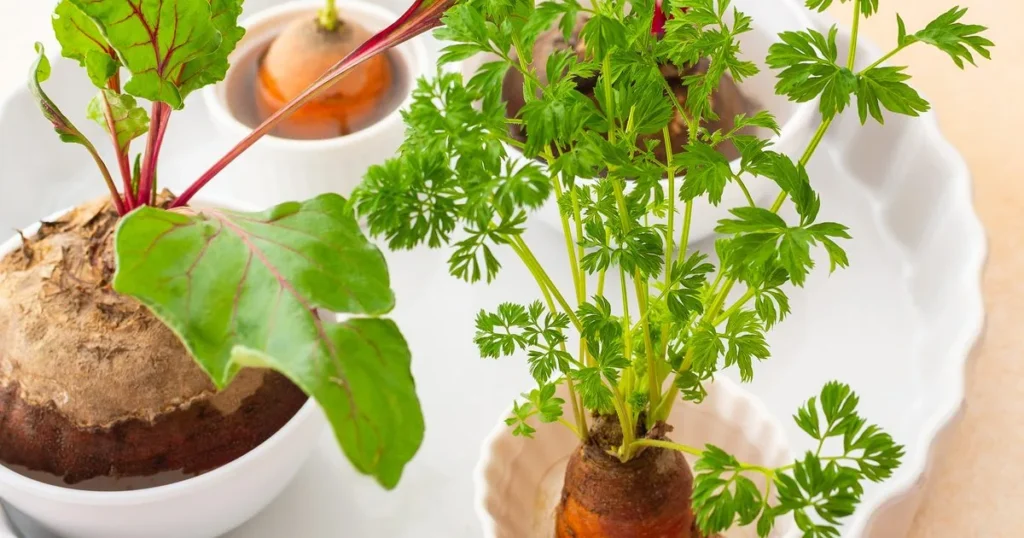
- Start with the Right Scraps: Choose fresh, healthy-looking vegetable ends or bases. Avoid anything that is already soft, slimy, or moldy. For instance, the base of green onions with roots attached, the bottom 2-3 inches of romaine lettuce, or the tops of carrots and beets work well. For things like ginger or sweet potatoes, you’ll use a piece of the tuber itself. The Old Farmer’s Almanac offers great tips on selecting suitable scraps.
- Prepare Your Scraps: For items like green onions or celery, you’ll typically use the bottom inch or two. For carrots or beets, you’ll use the leafy tops. For ginger, cut a piece that has at least one ‘eye’ or bud. For sweet potatoes, you can let them sprout naturally or cut them into chunks, ensuring each piece has an eye. Make clean cuts with a sharp knife to avoid bruising, which can invite rot.
- The Water Method: Many scraps, like green onions, lettuce bases, and celery bottoms, can start their regrowing journey in a shallow glass or bowl of water. Just cover the very bottom of the scrap, ensuring the rest of it stays dry and exposed to air. Change the water every 2-3 days to keep it fresh and prevent bacterial growth. Place this in a bright spot, like a sunny windowsill, but out of direct, scorching sunlight.
- Transition to Soil (Optional but Recommended): Once your scrap has developed a good set of roots (usually visible within a week or two for items like green onions), it’s time to move it to soil. This gives the plant more nutrients and space to grow into a mature vegetable. Use a well-draining potting mix in a small pot or container. Plant the rooted scrap so the base is covered by soil, leaving the new growth exposed. Water thoroughly after planting.
- Provide Light and Water: Most regrown vegetables need many bright, indirect light. A south-facing windowsill is often ideal. Keep the soil consistently moist but not waterlogged. Overwatering is a common mistake that can lead to root rot. Feel the soil; if the top inch feels dry, it’s time to water. For items like ginger or sweet potatoes that are planted directly into soil, keep the soil consistently damp and provide a warm location.
- Harvesting and Ongoing Care: For greens like green onions and lettuce, you can often start harvesting outer leaves once the plant is established. For root vegetables like carrots, you’re primarily regrowing the greens, which can be used in salads or cooked. Continue to provide good light and consistent watering. If you notice any signs of disease or pests, address them quickly. For plants like ginger or sweet potatoes, this process takes longer, often months, before you can harvest the new tuber.
- Consider Nutrient Boosts: While many scraps can regrow with just water and light, adding a bit of fertilizer can boost growth, especially when they transition to soil. A diluted liquid fertilizer, applied every few weeks, can provide essential nutrients. The University of Illinois Extension often provides great advice on simple fertilization techniques for home gardeners.
Common Myths About Regrowing Vegetables
Myth: You can regrow any vegetable scrap indefinitely, and it will produce just like a store-bought plant. Reality: While many vegetables can be regrown, their vigor often decreases with each generation. They also might not produce full fruits or vegetables, but rather edible greens or smaller versions. For example, regrowing lettuce will give you more leaves, but you won’t get a whole new head of lettuce from just the base. The goal is usually continuous harvesting of greens or smaller edible parts, not a full replacement for a purchased vegetable.
Myth: Regrowing vegetables is only for people with large gardens. Reality: This is far from true! Many vegetables regrow beautifully in small containers on a sunny windowsill or balcony. Green onions, lettuce, and herbs are perfect examples. You don’t need a vast amount of space to start seeing results from your kitchen scraps. This makes it an incredibly accessible gardening technique for urban dwellers and small-space gardeners.
Myth: If a scrap shows any signs of wilting, it’s a lost cause. Reality: A little wilting can be normal, especially when a plant is adjusting to new conditions or has been stressed. The key is to observe other signs. If the core is still firm, new roots are forming, or new green shoots are appearing, it might just need time and consistent care. Overwatering can also cause wilting, so check soil moisture before assuming the plant is dying.
Myth: You need special soil or expensive potting mixes to regrow vegetables. Reality: While good soil is always beneficial, many scraps can start their journey in plain water. When you’re ready to transplant to soil, a basic, well-draining potting mix is usually sufficient. For many common regrowing projects, you don’t need to invest in specialized or costly soil amendments. A standard peat-free potting compost will do the job well.
Myth: Regrown vegetables won’t taste as good as store-bought ones. Reality: In many cases, regrown vegetables can taste even better! They are often fresher, picked at their peak, and haven’t traveled far. The lively flavor of freshly harvested greens or herbs is hard to beat. The satisfaction of growing your own food, even from scraps, often enhances the taste experience too.
What to Track When Regrowing Vegetables
Keeping a simple observation log can help you understand what your regrowing vegetables need. It’s like taking notes on your plant friends. This helps you identify patterns and troubleshoot issues before they become major problems.
- Root Development: Note when you first see roots emerging from your scrap. Track how long it takes for them to become substantial enough for transplanting.
- New Leaf Growth: Observe the appearance of new leaves. Are they small, large, healthy green, or yellowing? Note the color and size of new growth.
- Water Changes: Log when you change the water for scraps growing in water. This ensures you’re maintaining freshness and preventing rot.
- Soil Moisture Levels: Check the soil daily or every other day. Note when you water and how long the soil stays moist. This helps you avoid over or under-watering.
- Light Exposure: Record how much direct vs. indirect light your plant is receiving. Note if you move it to a different location.
- Signs of Pests: Keep an eye out for any tiny insects, webbing, or sticky residue. Note the type of pest if you can identify it.
- Signs of Rot or Disease: Look for any mushy spots, dark discoloration, or mold. Note where it appears and how quickly it’s spreading.
- Harvest Frequency: If you’re harvesting greens, track how often you do so and how much you’re getting. This helps you gauge the plant’s productivity.
- Temperature Fluctuations: Note if there are extreme temperature changes in the room, as this can stress plants.
- Overall Plant Vigor: Jot down general observations about how healthy and strong the plant appears week to week.
Frequently Asked Questions About Regrowing Vegetables
Can I regrow vegetables from scraps that have been in the refrigerator?
Sometimes, yes. If the scrap is still firm and hasn’t shown signs of spoilage or extreme wilting from cold, you might have success. However, scraps stored in the fridge are more likely to be past their prime for regrowing. It’s always best to try with the freshest scraps possible for the highest chance of success.
How long does it take for vegetables to regrow?
This varies greatly. Green onions and lettuce can show new growth within a week to ten days. Celery might take two to three weeks. For items like ginger or sweet potatoes, you’re looking at several weeks to months before you see significant growth or can harvest anything substantial. Patience is key!
What is the best potting mix for regrown vegetables?
A good quality, well-draining potting mix is ideal. You want something that holds moisture but doesn’t become waterlogged. Many standard peat-free potting soils work well. Adding a bit of perlite or vermiculite can improve drainage and aeration if your mix seems too dense. You can find great advice on soil mixes from resources like the RHS.
Why are the leaves on my regrown vegetable turning yellow?
Yellowing leaves can be caused by several factors. It could be a sign of overwatering, underwatering, or a lack of nutrients. If the lower leaves are yellowing, it might be the plant using up its stored energy. If new growth is also yellowing, it could indicate a nutrient deficiency. Check your watering habits and consider a diluted liquid fertilizer if the plant has been in soil for a while.
Can I regrow vegetables from canned or cooked scraps?
Generally, no. The canning and cooking processes alter the cell structure and enzymes in vegetables, making them unsuitable for regrowth. You need living cells and viable structures, which are typically destroyed by heat and processing. Stick to fresh scraps for the best results.
Are there any vegetables you absolutely should NOT try to regrow?
While many are fair game, very processed or cooked items won’t work. Also, avoid scraps that have been treated with pesticides or herbicides if you’re concerned about consumption. If you’re unsure about a specific vegetable or its safety, it’s always best to do a quick search or consult reliable gardening resources before you start.
How do I prevent mold when regrowing in water?
Regularly changing the water is the most crucial step. Aim for every two to three days. Also, ensure only the very bottom of the scrap is submerged, keeping the bulk of it dry and exposed to air. Good air circulation in the room can also help. If you see any signs of sliminess or a foul odor, discard the scrap and start fresh.
Keep Growing!
Regrowing vegetables from kitchen scraps is a super accessible and rewarding way to garden. It’s a fantastic starting point for anyone looking to reduce waste and enjoy fresh produce. Remember, even experienced gardeners have plants that don’t make it. The key is to learn from each attempt and keep trying. Don’t hesitate to reach out to your local cooperative extension office if you encounter persistent problems or have specific questions about your soil or local conditions. Happy growing!