Soil PH
Soil pH is the gatekeeper of nutrient availability. Tag covers at-home meters, lab tests through county extension, lime to raise pH, sulfur to lower, gypsum for structure, and the species-specific ranges for tomatoes (6.2 to 6.8), blueberries (4.5 to 5.5), hydrangeas (color shift), and lawns.
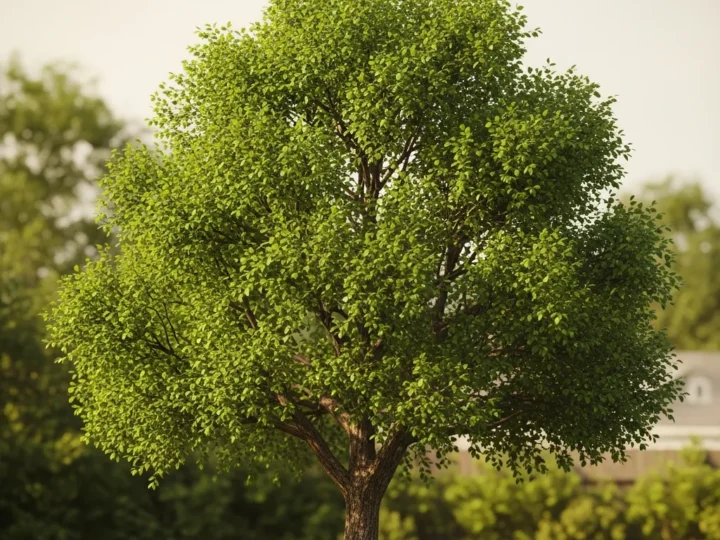
When Should You Call an Expert About Your Trees?
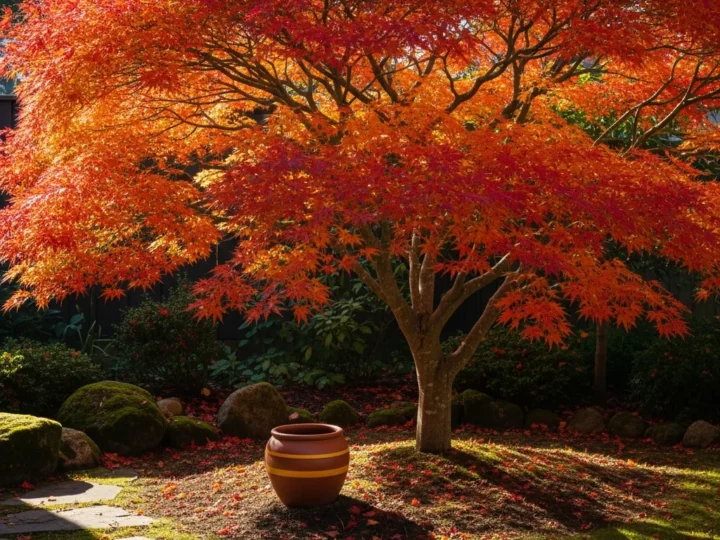
Deciduous Plants Explained: What They Are & Why They Matter
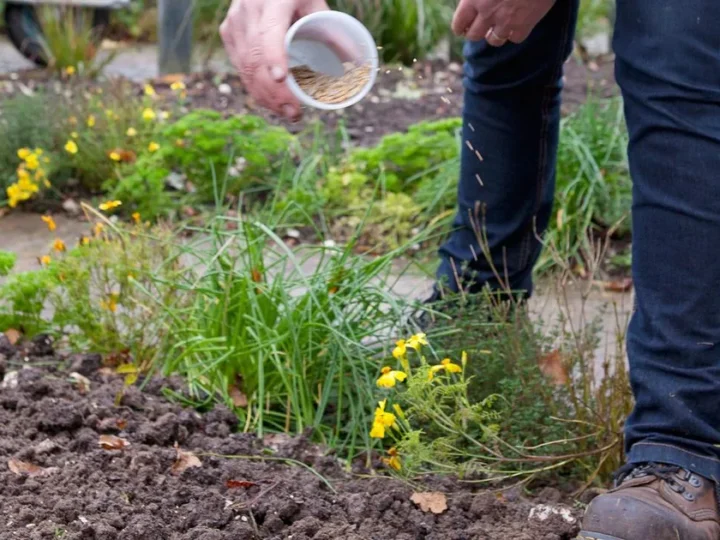
Safe Winter Soil Care: Proven Backyard Tips
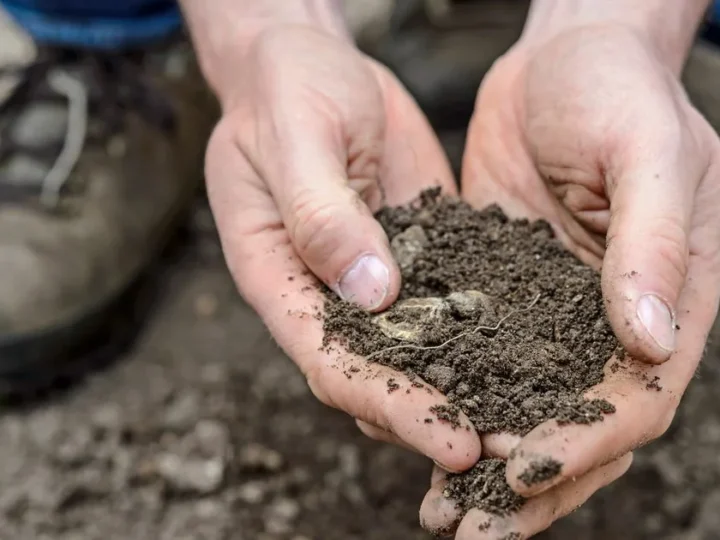
What is World Soil Day and Why It Matters to Your Garden
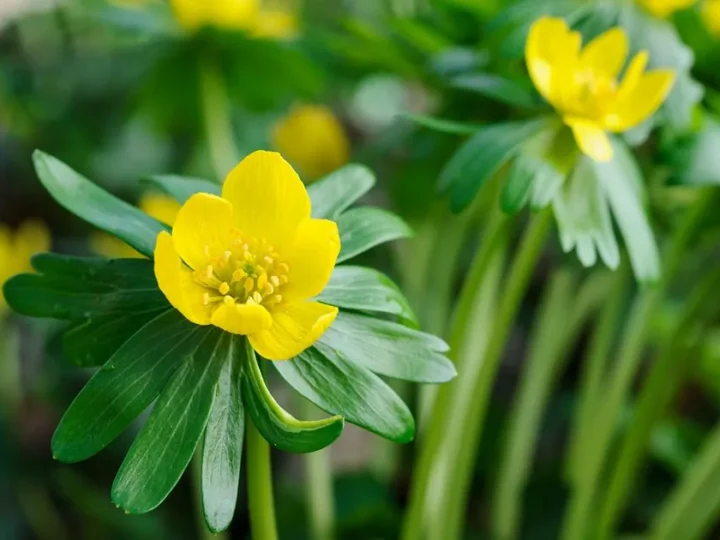
Why Are My Pansies Dying? A Gardener’s Guide to Troubleshooting
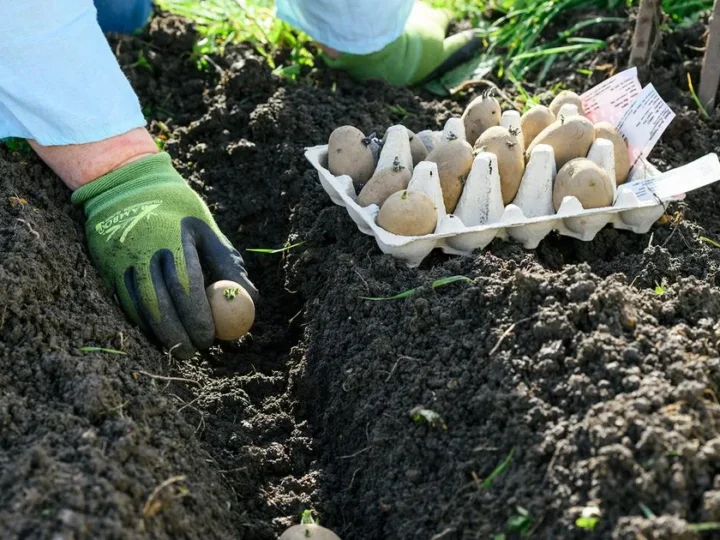
Should You Plant Potatoes After a Wet Winter? Wait and See!
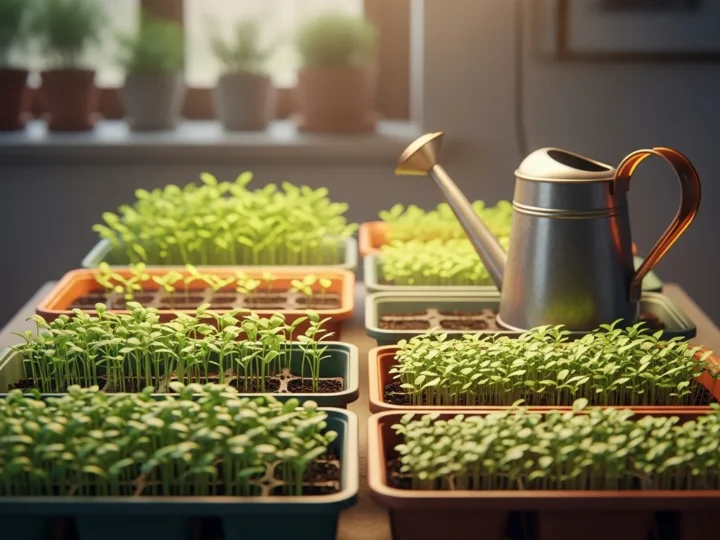
Best Way to Start Seeds Indoors for Beginners
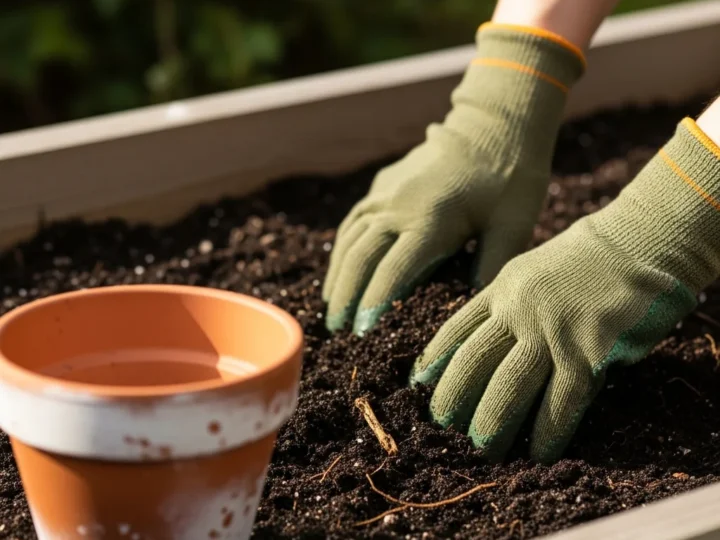
What Garden Jobs Should I Do This Easter Weekend?

Why Are My Tomato Leaves Turning Yellow?
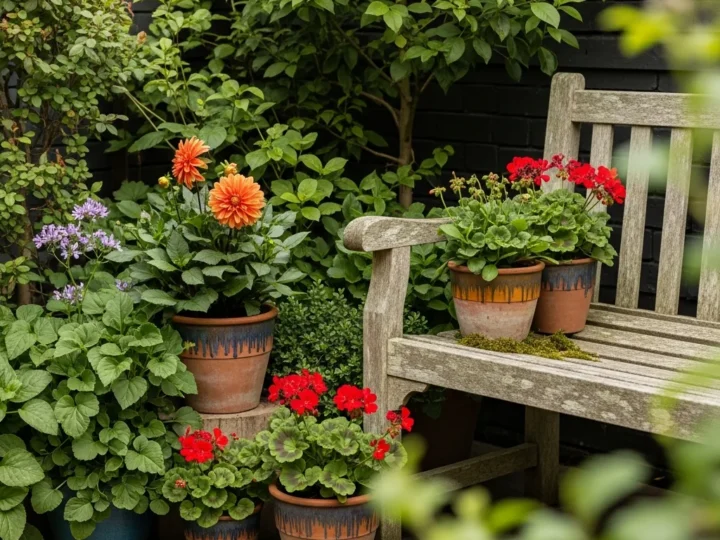
What is Best in Show at the RHS Chelsea Flower Show?

Houseplant & Succulent Care
Snake plants, monsteras, succulents, pothos, orchids, and the indoor collection: light, water, soil, and pet safety, sourced and…
Start digging →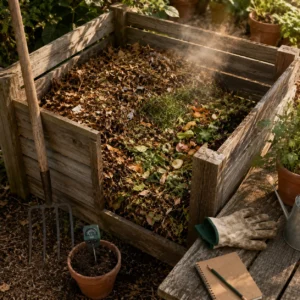
Composting & Soil
Compost piles, soil pH testing, mulch comparisons, manure types, and amendments: the soil-science backbone of every garden bed…
Start digging →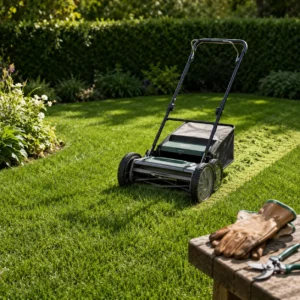
Lawn Care & Maintenance
Mowers, weed and feed, fertilizer, aeration, crabgrass, lawn repair: every common lawn question with manual-cited answers and seasonal…
Start digging →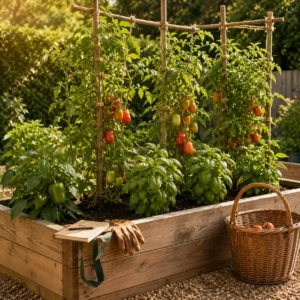
Vegetables, Herbs & Raised Beds
Tomatoes, peppers, herbs, raised beds, companion planting, harvest timing: vegetable and herb gardening from bed planning to picked-this-morning.
Start digging →
Pruning Trees & Shrubs
Hydrangeas, fig trees, palm trees, Japanese maples, rose bushes, basil pinching: when to cut, where to cut, and…
Start digging →
Berries & Backyard Fruit
Strawberries, blueberries, huckleberries, kiwi berries, Saskatoon: variety selection, companion planting, container vs in-ground, years to fruit.
Start digging →