Quick Answer: When to Plant Potatoes
Short answer: Don’t plant potatoes if the soil is cold and wet, as they risk rotting. Wait until the soil temperature consistently reaches at least 50°F (10°C) and drains well. If you planted too early in cold, wet conditions, watch closely for signs of rot or stunted growth. For most regions, this means delaying planting until late April or May, especially after a wet winter. Using cloches or raised beds can help warm the soil faster (vegetable garden).
So, you’re wondering if it’s the right time to plant potatoes after a super wet winter. I get it! Waiting for that perfect planting window can feel like forever.
This guide helps you figure out if your soil is ready. We’ll cover when to hold off and when it’s safe to get those spuds in the ground. No botany degree needed, just good old-fashioned gardener’s sense and some helpful advice from the pros.
We’re focusing on when to plant potatoes in the spring, what conditions they need, and how to tell if your soil is too wet or too cold. We won’t cover specific potato varieties or deep-explore pest control, but we’ll give you the confidence to make the best planting decision.
Why Waiting to Plant Potatoes Matters
It’s tempting to get those seed potatoes in the ground as soon as possible. Spring is finally here, and you want to see those green shoots! But planting potatoes in cold, soggy soil is a recipe for disaster. I’ve definitely learned this the hard way with other crops.
When seed potatoes sit in wet, cold earth, they don’t just sit there. They start to break down. Rot sets in, and your seed potato, which is your future harvest, is gone before it even begins. The University of Minnesota Extension notes that cool, wet conditions can delay germination significantly, and even lead to disease problems later on. This means fewer plants and a smaller harvest, if any.
Getting the timing right is crucial for a successful potato harvest. The goal is to plant them when the soil is warm enough to encourage immediate growth. This helps the seed potato establish roots and start producing those iconic potato sprouts. The Almanac shares that ideal soil temperatures hover around 50°F (10°C). Too cold, and you’re risking rot. Too warm, and you might miss the optimal growth window for early varieties.
Wait or Plant? Signs to Watch For
Deciding whether to plant potatoes or wait is all about observing your garden conditions. After a wet winter, the soil needs time to recover. Here’s how to tell if it’s ready.
Worth watching:
- Soil Temperature: Use a soil thermometer. You want to see consistent readings of 50°F (10°C) or slightly higher. If it’s still in the 40s, give it more time.
- Soil Drainage: Dig a small test hole, about a foot deep. Fill it with water. If it doesn’t drain within a few hours, your soil is too saturated. Wait for it to dry out.
- Soil Texture: Squeeze a handful of soil. If it forms a tight, muddy ball that doesn’t crumble, it’s too wet. It should break apart easily when poked.
- Visible Soil Cracks: If the surface soil is visibly cracked and drying out, it’s a good sign that moisture is receding.
- Weed Growth: Some hardy weeds might start to emerge. Their presence can indicate the soil is warming up, though this isn’t a foolproof method.
- Chitting Progress: Your seed potatoes should have short, sturdy sprouts. If they have long, pale, leggy sprouts, it means they’ve been waiting too long indoors and might be weaker.
Worth calling an expert:
- Persistent Waterlogging: If areas of your garden, especially where you plan to plant, remain waterlogged for weeks despite dry spells, you might have poor drainage. Your local cooperative extension office can advise on drainage solutions.
- Suspected Soil Contamination: If you’re planting in an area with a history of industrial use or unknown fill material, it’s wise to consult your local extension office about soil testing before planting food crops. They can guide you on what tests are needed.
- Unidentified Fungal Growth: If you see unusual mold or fungal growth on your seed potatoes or in the soil that looks concerning, it’s best to get a professional opinion. Your extension office can help identify it.
- Large-Scale Drainage Issues: For extensive water problems affecting your entire yard, an arborist or landscape professional might be needed, especially if trees are involved.
- Toxicity Concerns for Pets: If you have pets that might dig up or consume plants, and you’re unsure about potato toxicity (leaves and stems are toxic), consult the ASPCA’s toxic plant list.
Step-by-Step Guide to Planting Potatoes
Once you’ve determined your soil is ready, here’s how to plant your potatoes for the best results. Remember, patience is key, especially after a wet spring.
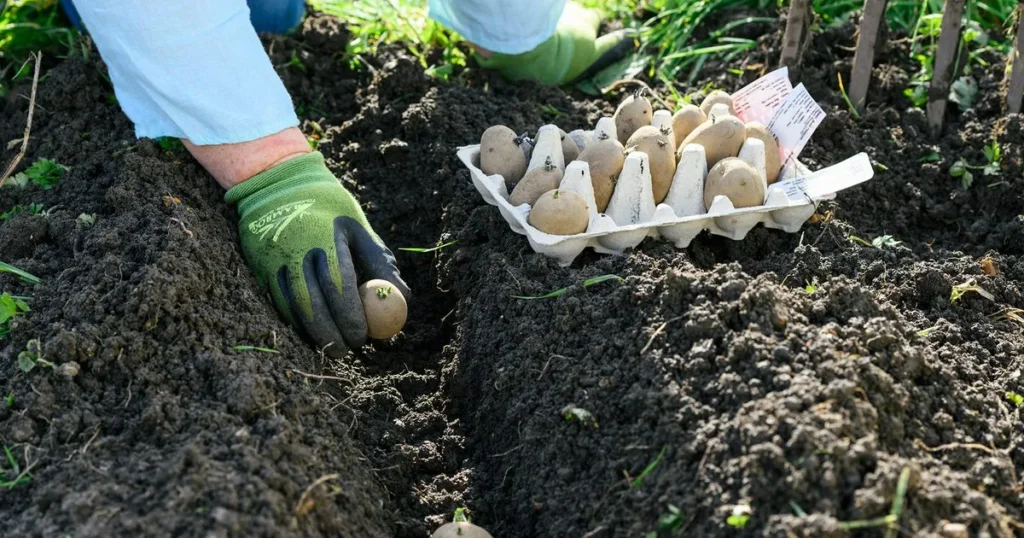
- Chit Your Seed Potatoes: About 2-4 weeks before you plan to plant, place your certified seed potatoes in a shallow tray or egg carton. Put them in a cool spot (around 50-60°F or 10-15°C) with indirect light. You want short, stubby, dark green or purple sprouts to form. Long, white sprouts mean they’ve waited too long.
- Prepare the Planting Area: If you’re planting in the ground, loosen the soil to a depth of at least 8-12 inches. Add compost or well-rotted manure to improve soil structure and fertility. If using raised beds or containers, ensure they have good drainage. The University of Illinois Extension recommends adding organic matter to improve soil quality.
- Check Soil Temperature: Before digging, use a soil thermometer. Aim for a consistent temperature of 50°F (10°C) or higher. Don’t plant if the soil is still cold and saturated.
- Dig Trenches or Holes: For traditional rows, dig trenches about 6-8 inches deep. Space them about 2-3 feet apart. If planting individual seed potatoes, dig holes about 6-8 inches deep and 12-18 inches apart.
- Plant the Seed Potatoes: Place the chitted seed potatoes in the trenches or holes with the sprouts facing upwards. Cover them gently with about 3-4 inches of soil. If you used compost or manure in the trench, mix it well with the soil you use for covering.
- Water Gently (If Needed): If the soil is just slightly damp but not wet, a light watering might be beneficial. If it’s already moist from recent rain, skip the watering. Overwatering at this stage is a major risk.
- Mulch and Hill: As the plants grow, you’ll need to ‘hill’ them. This means drawing soil up around the base of the plant. Start when the plants are about 6-8 inches tall. Add about 3-4 inches of soil. You’ll repeat this process 2-3 times as the plants grow. This protects the developing tubers from sunlight (which turns them green and toxic) and encourages more tubers to form. A layer of straw or compost can also be used as mulch.
Common Potato Planting Myths Debunked
Myth: You can plant potatoes anytime in spring, as they’re a cool-season crop.
Reality: While potatoes prefer cooler weather, they absolutely cannot tolerate cold, wet soil. Planting them too early in these conditions leads to rot and poor germination. The ideal soil temperature is around 50°F (10°C), as recommended by The Old Farmer’s Almanac. Cold, waterlogged soil is far more damaging than a slightly later planting date.
Myth: Any potato from the grocery store can be used as seed potato.
Reality: Grocery store potatoes are often treated with sprout inhibitors and may carry diseases. It’s best to purchase certified seed potatoes from a reputable garden supplier. These are disease-free and bred for sprouting, ensuring a healthier start for your crop.
Myth: Once planted, potatoes need constant watering.
Reality: Potatoes need consistent moisture, especially when tubers are forming. However, overwatering, particularly in cool soil, is a major cause of rot. Water deeply but less frequently, allowing the soil surface to dry slightly between waterings. Good drainage is critical; soggy soil is the enemy.
Myth: You only need to plant potatoes once, and that’s it for the season.
Reality: Most potato varieties require ‘hilling’ as they grow. This involves drawing soil up around the stem to cover the developing tubers. This process protects them from sunlight, prevents them from turning green and potentially toxic, and encourages more tubers to form. You’ll typically hill them 2-3 times throughout the growing season.
Myth: If potato sprouts get frosted, the whole plant is ruined.
Reality: Frost damage to the leaves and stems of potato plants is usually not fatal. The plant can often recover and produce new growth. However, repeated or severe frosts can damage the developing tubers. Protecting young shoots with mulch or fleece can help mitigate damage. If the tops are damaged, you might see reduced yield, but the tubers below may be fine.
What to Track for Healthy Potato Growth
Keeping an eye on a few key things will help you catch problems early and ensure a bountiful potato harvest. After all, a little observation goes a long way.
- Soil Temperature: Monitor daily if possible, especially during the waiting period. Aim for consistent 50°F+ (10°C+).
- Soil Moisture Levels: Check by digging a few inches down. The soil should feel moist, not soggy or bone dry.
- Sprout Development: Note the length, color, and sturdiness of sprouts on your seed potatoes before planting.
- Plant Height: Track how quickly your potato plants are growing after emergence. Slow growth can indicate issues.
- Leaf Color: Healthy potato plants have lively green leaves. Yellowing or browning leaves can signal disease, nutrient deficiency, or stress.
- Hilling Schedule: Note when you hill your plants and how much soil you add each time. Consistent hilling is crucial.
- Pest Sightings: Keep an eye out for common potato pests like potato beetles or aphids. Early detection makes control easier.
- Signs of Disease: Watch for spots on leaves, wilting, or any signs of rot on stems or tubers.
- Watering Frequency: Record when and how much you water, ensuring you aren’t overdoing it.
- Harvest Date: Keep track of planting dates to estimate harvest times for different varieties.
Frequently Asked Questions About Planting Potatoes
Can I plant potatoes if the soil is still a bit cold but not wet?
It’s risky. While dry soil is better than wet, potatoes really need warmth to thrive. Cold soil slows down germination and makes tubers more susceptible to rot and disease. Aim for that 50°F (10°C) mark for the best results, as suggested by extension services.
My seed potatoes have long, leggy sprouts. Should I still plant them?
It’s not ideal. Long, pale sprouts indicate the potatoes have been stored too long in warm conditions without enough light. They’ve used up many their energy reserves. You can try planting them, but expect weaker plants and potentially a reduced yield. Plant them carefully and provide good care.
What’s the difference between chitting and sprouting potatoes?
They’re essentially the same process! ‘Chitting’ is the common term for encouraging seed potatoes to sprout before planting. This involves placing them in a cool, bright location to develop short, sturdy sprouts. It gives them a head start in the garden.
How much space do potatoes really need?
Spacing is important for air circulation and tuber development. For early varieties, aim for about 12 inches between plants and 2 feet between rows. Maincrop varieties need more room, so plant them about 15-18 inches apart with 3 feet between rows. The University of Illinois Extension provides detailed spacing recommendations.
Can I plant potatoes in containers after a wet winter?
Yes, containers are a great option, especially if your garden soil is slow to dry. Use large containers with good drainage holes. Fill them with a quality potting mix, not garden soil, as it drains better and warms up faster. Ensure the potting mix is moist but not waterlogged before planting.
What if I planted my potatoes too early in the cold, wet soil?
Don’t panic! Keep an eye on them. Dig very carefully around one plant to check the seed potato. If it’s mushy and smells foul, it has likely rotted. If it seems firm, it might survive. Watch for any signs of new growth. If they rot, you’ll have to replant. Your local cooperative extension can offer advice on dealing with specific issues.
Final Thoughts on Planting Potatoes
Deciding when to plant potatoes after a wet winter comes down to soil conditions, not just the calendar. Remember my own struggles with planting too early? It’s rarely worth the risk of rot and stunted growth. Trust your thermometer and your senses.
If you’re unsure about your soil’s drainage or have concerns about potential contaminants, don’t hesitate to reach out to your local cooperative extension office. They’re a fantastic resource for gardeners!