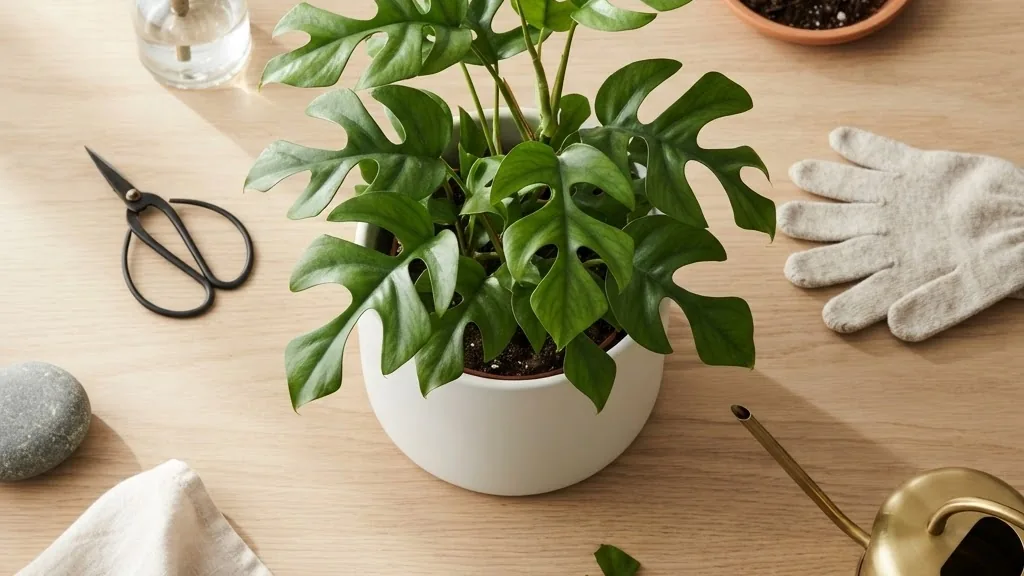
The mini monstera is one of the easiest and most rewarding climbing houseplants you can grow, with one quirk worth knowing right away: it is not actually a monstera. Its real name is Rhaphidophora tetrasperma, and it earned its nickname from leaves that split and slice just like a Monstera deliciosa, only smaller. It grows fast, forgives beginners, and turns a bare corner into a lush green wall when you give it something to climb.
I have grown this plant for years, and it is one of the first I recommend to anyone nervous about houseplants. In this guide you will learn exactly what it needs, light, water, soil, humidity, and support, plus how to get those dramatic split leaves, how to propagate it for free, and the safety facts every pet owner should know.
What the mini monstera really is
Let us clear up the name confusion first, because it actually helps you care for the plant. The mini monstera is Rhaphidophora tetrasperma. It is sometimes sold as Philodendron Ginny or Ginny philodendron, but it is neither a monstera nor a philodendron. It belongs to its own genus, Rhaphidophora, in the wider aroid family.
Why does this matter? Because it tells you how the plant wants to live. In the wild, Rhaphidophora tetrasperma scrambles up tree trunks in tropical Southeast Asia, clinging on with aerial roots and reaching for filtered light through the canopy. Recreate a little of that, warmth, gentle light, and something to climb, and it thrives. The split leaves, called fenestrations, are its way of letting wind and light pass through as it climbs higher.
Care at a glance
If you want the quick version, here is everything in one table. The sections below explain each point.
| Need | What it wants |
|---|---|
| Light | Bright, indirect light |
| Water | When the top 2 inches of soil are dry |
| Soil | Well-draining, rich, with perlite and bark |
| Humidity | 50 to 70 percent |
| Temperature | 18 to 25 C (64 to 77 F) |
| Support | A moss pole or trellis |
| Feeding | Diluted balanced fertilizer in spring and summer |
| Toxicity | Toxic to pets and people if eaten |
Light
Bright, indirect light is the sweet spot. Set your mini monstera near a window where plenty of light reaches it but the sun’s rays do not hit the leaves directly for hours. An east-facing window with gentle morning sun is ideal.
Avoid long stretches of harsh, direct afternoon sun, which scorches the leaves and leaves crispy brown patches. On the other end, too little light is just as much a problem. In a dim corner the plant grows leggy, the new leaves stay small, and you lose the splits that make it special. If your plant is producing only plain, unsplit leaves, the first thing to check is whether it is getting enough bright, indirect light.
Watering
Here is the rule that saves more of these plants than any other: when in doubt, wait. Overwatering is the number one killer of the mini monstera, because soggy soil suffocates the roots and invites root rot.
Keep the soil lightly moist, not wet. Water thoroughly when the top 2 inches, about 5 cm, of soil feel dry to your finger, then let the excess drain away completely. Never let the pot sit in a saucer of water. In winter, when growth slows, the plant drinks far less, so stretch the time between waterings and check the soil before you reach for the can.
If you tend to overwater, a pot with drainage holes and a chunky, fast-draining mix will protect you from yourself. I learned to trust my finger over a schedule, and my plants have been healthier for it.
Soil and potting
This plant wants a mix that holds some moisture but drains fast, mimicking the loose, leafy debris it grows in naturally. A standard houseplant potting soil works as a base, but it pays to lighten it up.
- Potting mix as the foundation, for body and nutrients.
- Perlite to add air pockets and improve drainage.
- Orchid bark or a little charcoal to keep the mix chunky and prevent it from packing down and staying wet.
A blend along these lines gives roots the oxygen they need while still holding enough moisture between waterings. Repot every year or two, or when roots start circling the pot or poking out the bottom, moving up just one pot size at a time.
Humidity and temperature
As a tropical plant, the mini monstera enjoys warmth and moisture in the air, though it is more tolerant than its rainforest origins suggest.
Humidity is best around 50 to 70 percent. Average home humidity is fine for survival, but higher humidity encourages bigger, healthier leaves. If your air is dry, especially in winter, group it with other plants, set it on a pebble tray with water, or run a small humidifier nearby.
Temperature should stay between about 18 and 25 C, which is 64 to 77 F, the comfortable range of most homes. Keep it away from cold drafts, frosty windows in winter, and the blast of heating or air-conditioning vents. Sudden cold is one of the few things that genuinely sets this plant back.
Give it something to climb
This is the secret to a spectacular mini monstera. It is a climber by nature, and giving it support changes everything about how it grows.
Provide a moss pole or a trellis and the aerial roots will grip on and pull the plant upward. As it climbs, the leaves grow larger and develop more of those dramatic splits. Left to trail from a shelf instead, the plant tends to stay weaker, with smaller, less fenestrated leaves. If you want the big, holey foliage that drew you to the plant, vertical support is the single best thing you can offer.
Train the stems onto the pole as they grow, tucking the aerial roots toward the moss and tying loose stems gently until they grab on. A damp moss pole also gives those climbing roots a little extra moisture to drink. If you start the pole early, while the plant is still small, training is far easier than trying to wrangle a tangled, established vine later. A little guidance now saves a lot of fuss down the road, and the plant rewards you by climbing straighter and fuller.
Where to place it in your home
Placement pulls together everything about light, warmth, and humidity into one decision. The best spots share a few traits.
A bright bathroom or kitchen is often ideal, because the extra moisture from showers and cooking nudges humidity higher while the windows supply light. A few feet back from an east or north window, or beside a brighter south or west window shielded by a sheer curtain, gives the bright indirect light this plant loves without the burn of direct sun.
Avoid two trouble spots. The first is a dark interior corner far from any window, where the plant will stretch and sulk. The second is right against a cold winter windowpane or above a radiator or vent, where temperature swings stress it. Find the bright, stable, slightly humid middle ground, and your mini monstera settles in quickly.
Seasonal care through the year
This plant has a clear rhythm, and matching your care to the seasons keeps it happy.
Spring and summer are the growing season. The plant drinks more, grows fast, and benefits from regular feeding. This is the time to train new growth up the moss pole, take cuttings, and repot if needed. Expect a flush of new leaves, each one ideally larger and more split than the last.
Fall and winter are the rest period. Growth slows, so the plant needs less water and little or no fertilizer. The biggest winter risks are overwatering, since the soil dries slowly, and cold drafts from windows and doors. Ease off the watering can, keep it warm, and simply let the plant coast until the light returns in spring. Adjusting to this rhythm prevents most of the problems people run into.
Mini monstera vs Monstera deliciosa
Since the names cause so much confusion, it helps to see how the two plants compare directly. They look related but behave differently.
| Feature | Mini monstera | Monstera deliciosa |
|---|---|---|
| Botanical name | Rhaphidophora tetrasperma | Monstera deliciosa |
| Family relation | Aroid, separate genus | True Monstera |
| Leaf size | Small, delicate splits | Large, broad with holes |
| Growth habit | Slim, fast vertical climber | Big, spreading climber |
| Space needed | Compact, good for small rooms | Needs plenty of room |
In short, the mini monstera gives you that classic split-leaf look in a fraction of the space, which is exactly why it has become such a popular houseplant. If you love the Monstera look but live in an apartment, this is the plant for you.
Feeding and fertilizer
A fast grower appreciates a regular meal during its active season. Feed your mini monstera with a balanced houseplant fertilizer, diluted to about half strength, roughly once a month through spring and summer.
Ease off in fall and stop in winter, when growth naturally slows and the plant is not using much. Overfeeding does more harm than good, causing salt buildup that can burn the roots, so when it comes to fertilizer, less and steady beats heavy and occasional. Flushing the pot with plain water every few months helps wash away any excess mineral salts.
Pruning and propagation
One of the joys of this plant is how easily it multiplies. If it gets too long or leggy, prune it, and turn those cuttings into brand-new plants.
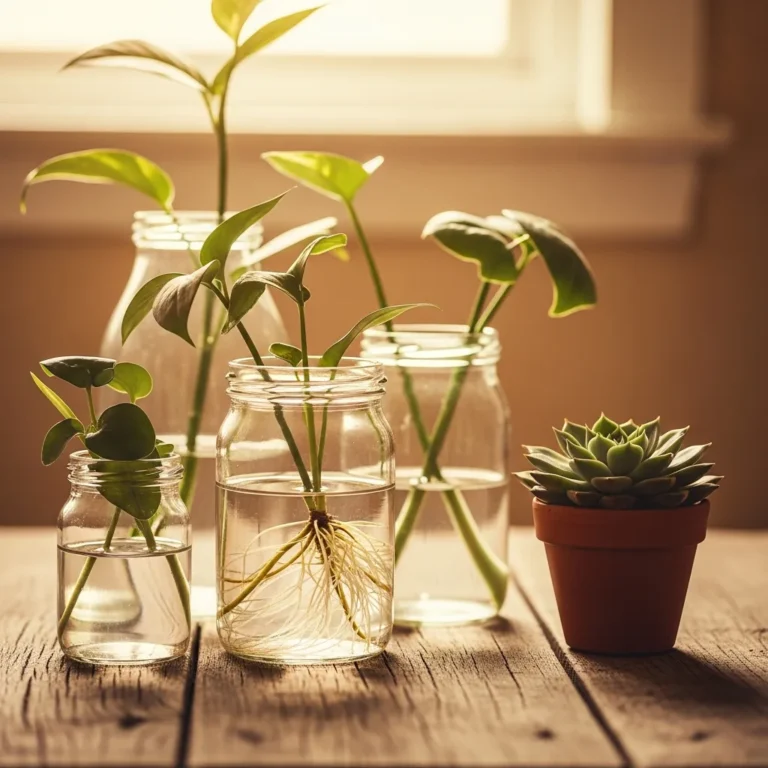
To propagate, snip a stem section that includes at least one node, the small bump where a leaf and aerial root emerge. That node is where new roots form. Place the cutting in water or directly in moist soil, keep it warm and bright, and roots usually appear within about 2 to 4 weeks. Once a water cutting has a few inches of root, pot it up.
Pruning also keeps the plant bushy and shapely. Cut just above a node, and the plant often branches there, giving you a fuller look over time.
Repotting your mini monstera
Because it grows so quickly, this plant fills a pot faster than many houseplants. Plan to repot every 1 to 2 years, or whenever you see roots circling the surface or escaping the drainage holes.
Spring is the best time, at the start of the growing season. Move up just one pot size, about 2 inches wider in diameter, since a pot that is too large holds excess water and raises the risk of root rot. Gently loosen the root ball, settle the plant into fresh, chunky mix, and water it in. If you are also adding or upgrading a moss pole, repotting is the natural moment to do it, setting the pole deep in the pot so it stays stable as the plant climbs. After repotting, keep the plant out of harsh sun for a week or two while it settles.
One more temperature note worth remembering: keep your mini monstera above about 12 C, which is roughly 55 F. Below that, growth stalls and cold damage can set in, so move it away from chilly windowsills in winter.
Is the mini monstera toxic?
Yes, and this is important for households with pets or small children. Like most aroids, Rhaphidophora tetrasperma contains insoluble calcium oxalate crystals. If a cat, dog, or person chews or swallows the leaves, those crystals cause mouth and throat irritation, drooling, and stomach upset.
According to the ASPCA, plants in this family are toxic to cats and dogs, so keep your mini monstera out of reach of curious pets and toddlers. It is not usually life-threatening, but it is genuinely unpleasant, so prevention is best. For broader houseplant care and identification, the RHS houseplant guides and the NC State Extension plant toolbox are reliable references.
Common problems and fixes
Most issues trace back to water or light. This table covers what you are most likely to see.
| Symptom | Likely cause | Fix |
|---|---|---|
| Yellowing leaves | Overwatering | Let soil dry more; check drainage |
| Brown, crispy edges | Low humidity or underwatering | Raise humidity; water more evenly |
| No splits in new leaves | Too little light or no support | Move brighter; add a moss pole |
| Leggy, small leaves | Insufficient light | Give brighter, indirect light |
| Mushy stems, foul soil | Root rot from soggy soil | Repot, trim rot, use a chunkier mix |
You can find more houseplant help in our indoor plants section, including a general houseplant care overview and tips for when an orchid is not flowering.
FAQ
Is a mini monstera a real monstera?
No. The mini monstera is Rhaphidophora tetrasperma, a different genus entirely. It is also not a philodendron, despite sometimes being sold as Philodendron Ginny. It just has leaves that resemble a small Monstera deliciosa.
How often should I water a mini monstera?
Water when the top 2 inches of soil are dry, then let it drain fully. That often works out to about once a week in summer and less in winter, but always check the soil rather than following a fixed schedule, since overwatering is the main cause of failure.
Why does my mini monstera have no splits?
Usually too little light, no support to climb, or simply a young plant. Move it to brighter indirect light and give it a moss pole. As it climbs and matures, the new leaves should start to fenestrate.
Does a mini monstera need a moss pole?
It does not strictly need one to survive, but it grows much better with support. Climbing up a moss pole produces larger leaves with more splits, while a trailing plant stays smaller and weaker.
How fast does a mini monstera grow?
Quite fast in good conditions. With bright indirect light, warmth, and a moss pole, it can climb several feet in a single growing season, which is part of why it is such a satisfying plant.
Is the mini monstera safe for cats and dogs?
No. It contains calcium oxalate crystals that are toxic to pets if chewed or eaten, causing mouth irritation and stomach upset. Keep it out of reach of cats, dogs, and small children.
Why are my mini monstera leaves turning yellow?
The most common cause is overwatering. When the soil stays soggy, the roots cannot breathe and leaves yellow. Let the top 2 inches of soil dry before watering again, make sure the pot drains freely, and check the roots for any soft, dark rot if yellowing continues.
How do I get bigger leaves on my mini monstera?
Three things drive bigger, more split leaves: brighter indirect light, a moss pole to climb, and consistent care through the growing season. As the plant climbs and matures with enough light, each new leaf tends to grow larger and more fenestrated than the last. Patience and a good pole do most of the work.
The bottom line
The mini monstera, or Rhaphidophora tetrasperma, is a fast, forgiving climber that rewards a little understanding. Remember that it is not truly a monstera but a vine that wants to climb, and you have the key to growing it well. Give it bright indirect light, water only when the top 2 inches of soil dry out, keep it warm at 18 to 25 C with humidity around 50 to 70 percent, and above all give it a moss pole to climb. Feed it lightly in the growing season, propagate the cuttings for free, and keep it away from pets. Do that, and this little plant will reward you with a wall of dramatic, split green leaves faster than almost anything else on your shelf. It is forgiving enough for a first-time plant owner, yet striking enough to anchor a whole room, which is a rare and lovely combination in a houseplant.