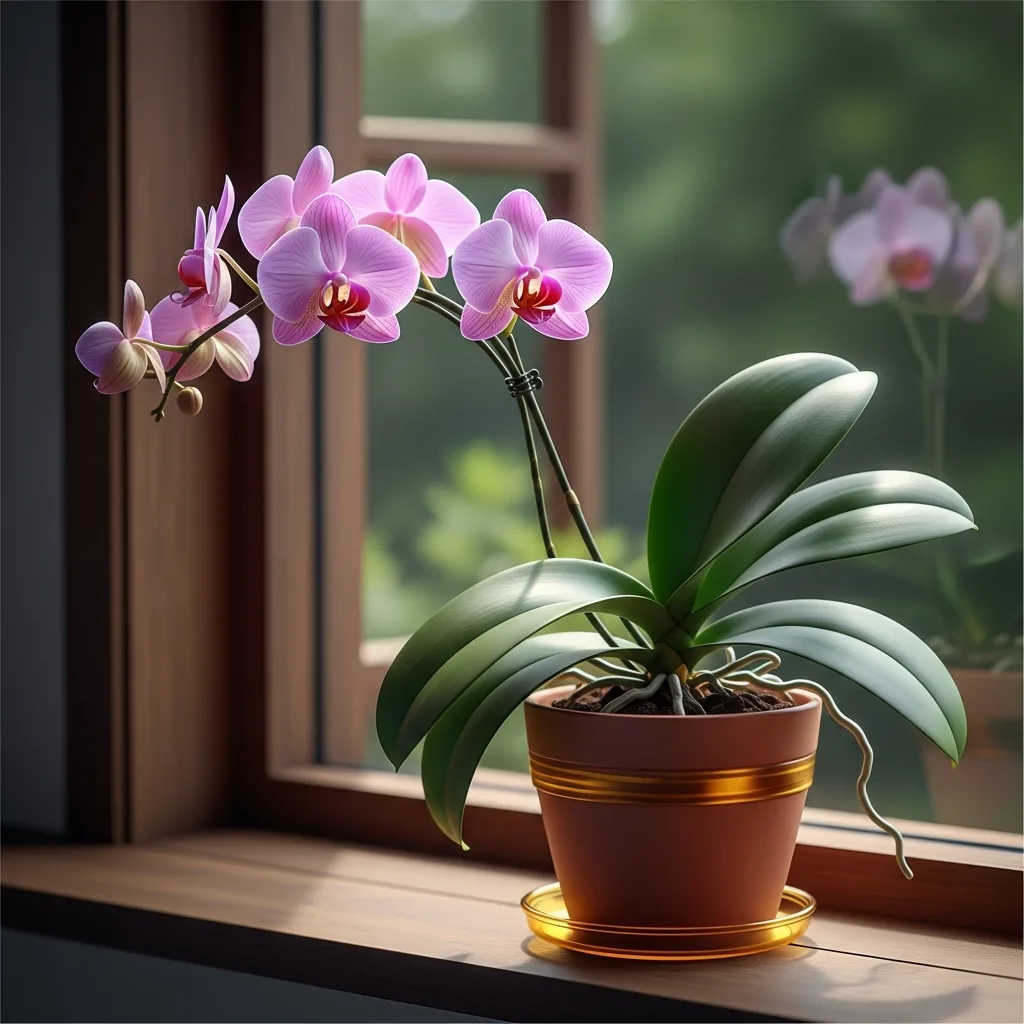
Quick Fixes for a Non-Flowering Orchid
Quick version: An orchid not flowering usually stems from improper light, water, or temperature. Most common orchids, like Phalaenopsis, need bright, indirect light and consistent, but not excessive, watering. Avoid letting the roots sit in water or exposing them to cold drafts. A temperature drop of about 10-15°F for a few weeks can often trigger blooming. Ensure you’re feeding it during its active growth period. If your orchid has healthy roots and leaves but no flowers, these adjustments are usually the key (houseplant care).
Seeing just green leaves when you expect blooms? You’re not alone. Many of us gardeners face the puzzle of an orchid not flowering. I’ve definitely been there, staring at a healthy-looking plant that just won’t produce flowers. This guide dives into why your orchid might be taking a break. We’ll cover common care mistakes and what your plant needs to thrive. This isn’t about complex botany; it’s about practical backyard gardening, drawing on reliable sources.
Sometimes, an orchid needs a few simple adjustments to its environment and care routine to get back on track. We’ll explore how light, water, and temperature play a role. You’ll learn how to spot potential problems early. Let’s get your orchid showing off its beautiful blooms again.
Orchid not flowering: Why Your Orchid’s Blooms Matter
It’s totally understandable to feel a bit disappointed when your orchid, which looks perfectly healthy, refuses to flower. You’ve watered it, given it light, and it’s sitting there with lush green leaves. What gives? For many of us, the flowers are the main event. They bring color and life into our homes. Seeing a non-flowering orchid can make you question your gardening skills. But here’s the thing: it’s a super common issue, and usually a sign that something in its environment needs a tweak, not that you’ve failed.
Orchids are tropical plants with specific needs. Understanding these needs helps us replicate their natural environment as much as possible. When an orchid blooms, it’s a sign it’s happy and healthy. It’s a visual reward for your care. Plus, many orchids have long-lasting flowers, providing beauty for months. Getting your orchid to flower regularly means you’re providing optimal conditions, which benefits the plant’s overall health and longevity. It’s a win-win for you and your plant!
The [University of Illinois Extension](https://extension.illinois.edu/blogs/garden-scoop/2018-02-27-orchids) notes that consistent care is key to encouraging blooms. They explain that most common orchids, like the Moth Orchid (Phalaenopsis), have a natural blooming cycle that environmental cues influence. Failing to bloom isn’t usually a sign of a dying plant, but rather a plant waiting for the right signals to put on its show.
What to Watch For and When to Act
Figuring out why your orchid isn’t flowering can feel like detective work. Sometimes, the plant just needs a little patience and a few minor adjustments. Other times, there might be a more serious issue at play. Let’s break down what to look for.
Worth watching:
- Lack of consistent blooms: If your orchid flowers once a year and then stops for a long period, that’s normal. Most common orchids don’t bloom year-round. Give it time to rest and recover energy.
- Slightly wrinkled leaves: This can be a sign of thirst. If the potting mix feels dry and the roots look silvery, it might just need a drink. Increase watering frequency slightly, but always check moisture levels first.
- New leaf growth: Seeing new leaves emerge is a great sign the plant is healthy and has energy. It might just be focusing on vegetative growth before it’s ready to flower.
- No new roots: If you see new leaves but no new roots forming, the plant might be stressed. This could be from overwatering or poor potting mix.
- Flower spike initiated, then stops: Sometimes, an orchid starts to grow a flower spike, but it aborts before blooming. This often points to environmental stress like temperature fluctuations or insufficient light.
Worth calling an expert:
- Mushy, black, or brown roots: This is a classic sign of root rot, usually from overwatering or poor drainage. If the roots are extensively rotted, the plant may not recover. The [ASPCA](https://www.aspca.org/pet-care/aspca-poison-control/toxic-and-non-toxic-plants/orchids) has information on plant toxicity, but for plant health issues like root rot, your local cooperative extension is the best bet.
- Yellowing leaves that fall off: While occasional yellowing of lower leaves can be normal, widespread yellowing and leaf drop often indicate a serious problem, like severe overwatering or a pest infestation.
- Visible pests: Look for tiny insects like mealybugs, scale, or spider mites. These can weaken the plant significantly. While some minor pest issues can be handled at home, persistent or widespread infestations might need professional advice.
- Plant is completely dried out and brittle: If the plant has been severely underwatered for a long time, it may be beyond saving. The leaves will be shriveled and brittle, and the roots will be dry and possibly mushy.
- Unidentified wilting or decline: If your orchid is wilting, dropping leaves, or generally declining for no apparent reason, and basic care adjustments haven’t helped, it’s wise to consult a local horticultural expert.
Steps to Encourage Orchid Blooms
- Assess the Light: Place your orchid in a location with bright, indirect light. An east-facing window is often ideal, providing gentle morning sun. Avoid direct, harsh sunlight, which can scorch the leaves. If you don’t have a suitable window, consider using a sheer curtain to filter intense light. The [National Park Service](https://home.nps.gov/ever/learn/nature/orchids.htm) mentions that native orchids often thrive in dappled shade, similar to what you’d find under a canopy.
- Adjust Watering Routine: Water your orchid thoroughly when the potting medium feels dry and the roots look silvery. This might be once a week, or less often depending on your home’s humidity and temperature. Pour room-temperature water over the potting mix, letting it drain completely. Never let the pot sit in standing water, as this leads to root rot.
- Provide Proper Temperature: Most common orchids, like Phalaenopsis, prefer daytime temperatures between 65-75°F (18-24°C) and slightly cooler nights, around 60-65°F (15-18°C). A consistent temperature difference between day and night can help signal the plant to bloom. Avoid placing them near heating or cooling vents, or in drafty spots.
- Consider a Temperature Drop: For orchids that aren’t blooming, a slight temperature drop can be a powerful trigger. For about 3-4 weeks, try keeping the plant in an area that’s about 10-15°F cooler than its usual spot, especially at night. This mimics seasonal changes that encourage flowering in their natural habitat.
- Fertilize During Growth: During the active growing season (typically spring and summer), feed your orchid with a balanced, diluted orchid fertilizer every other week. Follow the product instructions carefully, as over-fertilizing can harm the plant. Reduce or stop fertilizing during the fall and winter when growth slows.
- Manage the Potting Medium: Orchids need excellent drainage. They typically grow in bark, moss, or a similar airy mix. If your orchid’s potting medium is old, broken down, or compacted, it’s time to repot. Generally, repotting is done every 1-2 years, after the blooming period. [Clemson University Home & Garden Information Center](https://hgic.clemson.edu/repotting-your-orchid/) offers detailed guidance on this process.
- Prune Spent Flower Spikes: Once an orchid’s flowers have faded, you can cut the flower spike. If there are still green nodes (small bumps) on the spike, you can cut it back to just above one of these nodes. This might encourage a secondary bloom from the same spike. If the entire spike turns yellow or brown, cut it back to the base of the plant.
Common Myths About Non-Flowering Orchids
Myth: Orchids are difficult plants that only experts can grow.
Reality: While some orchids are indeed specialized, many popular varieties, like Phalaenopsis (moth orchids), are quite forgiving. They thrive with basic care that mimics their natural environment. Their reputation for being fussy often comes from misunderstanding their specific needs for light, water, and temperature, not from inherent difficulty. The [Royal Horticultural Society](https://www.rhs.org.uk/garden-inspiration/houseplants/top-tips-for-growing-orchids-at-home?type=0&tag=) provides accessible tips for home growers.
Myth: If an orchid isn’t flowering, it’s dying or needs a complete overhaul.
Reality: A plant that isn’t flowering is usually just dormant or waiting for the right conditions. It might need more or less light, a change in watering frequency, or a cooler period to trigger blooming. Often, simple environmental adjustments are all that’s required, not drastic measures. Patience is a gardener’s virtue here.
Myth: Orchids need to be constantly wet to thrive.
Reality: This is a dangerous misconception that leads to root rot. Orchids prefer their potting medium to dry out slightly between waterings. Their roots need air circulation. Overwatering is one of the most common reasons orchids fail to thrive or bloom. Always check the moisture level before watering.
Myth: You should fertilize an orchid year-round to encourage blooms.
Reality: Orchids have active growth and rest periods. Fertilizing heavily year-round can actually harm them by burning the roots or causing an imbalance. It’s best to fertilize during the active growing season and reduce or stop during periods of slower growth, like fall and winter. Diluted fertilizer is key.
Myth: Yellow leaves always mean root rot.
Reality: While yellowing leaves *can* indicate root rot, it’s not the only cause. Lower leaves naturally yellow and fall off as the plant matures. Widespread yellowing could also be due to overwatering, underwatering, insufficient light, or nutrient deficiencies. Inspecting the roots and considering other symptoms is crucial for accurate diagnosis.
Observing Your Orchid for Clues
Keeping track of your orchid’s condition can provide valuable insights into why it might not be flowering. Think of this as your orchid’s personal diary. These observations help you understand its needs and communicate effectively if you need to consult an expert.
- Leaf Color and Texture: Are the leaves a healthy, medium green? Are they firm, or are they limp, wrinkled, or yellowing? Note any spots or unusual coloration.
- Root Appearance: If your orchid is in a clear pot, check the roots regularly. Healthy roots are typically plump and silvery-green when dry, and bright green when hydrated. Black, brown, or mushy roots indicate a problem.
- Potting Medium Moisture: How quickly does the potting mix dry out? Does it stay soggy for too long? This helps you fine-tune your watering schedule.
- Environmental Conditions: Track the temperature and light levels in the orchid’s location. Note any significant fluctuations, drafts, or periods of intense sun.
- Growth Activity: Is the plant producing new leaves or roots? Is it trying to form a flower spike? Even slow growth is a good sign.
- Fertilizer Schedule: Keep a record of when and how you fertilize. Are you following the recommended dilution and frequency?
- Watering Frequency: Note down how often you water and how you determine when it’s time. This helps identify patterns of over or underwatering.
- Pest Sightings: Regularly inspect leaves (undersides too!) and stems for any signs of common orchid pests like mealybugs, scale, or spider mites.
Frequently Asked Questions About Orchid Blooms
How long does it typically take for an orchid to re-bloom after flowering?
It varies by orchid type and its specific care, but most common orchids like Phalaenopsis will re-bloom once a year. After the flowers fade, the plant needs a rest period. This can range from a few months to nearly a year before it’s ready to produce a new flower spike. Providing optimal conditions during this rest phase is crucial.
Can I use regular houseplant fertilizer on my orchid?
It’s generally not recommended. Orchids have unique nutrient requirements. Standard houseplant fertilizers can be too strong or contain the wrong balance of nutrients, potentially harming the orchid’s sensitive roots. Use a fertilizer specifically formulated for orchids, and always dilute it according to the package instructions.
What is the best way to water an orchid?
The best method is to water thoroughly when the potting medium is nearly dry. Pour room-temperature water over the potting mix until it drains freely from the bottom of the pot. Allow the pot to drain completely, and never let it sit in a saucer full of water. Checking the roots (if visible) or the weight of the pot can help determine if it’s time to water.
My orchid’s leaves are turning yellow. What does this mean?
Yellowing leaves can signal several issues. It could be natural aging of lower leaves, overwatering leading to root rot, underwatering, or insufficient light. Inspect the roots for signs of rot (mushy, black) or dehydration (dry, shriveled). Also, consider recent changes in light or watering. The [University of Illinois Extension](https://extension.illinois.edu/blogs/garden-scoop/2018-02-27-orchids) offers guidance on diagnosing common orchid problems.
Should I cut the flower spike after the blooms fade?
Yes, often you should. If the spike remains green and has nodes (small bumps along the stem), you can cut it back to just above a node. This encourages the plant to produce a new flower spike from that point, potentially leading to a second flush of blooms. If the spike turns yellow or brown, cut it all the way back to the base.
Can I put my orchid outside in the summer?
Many orchids can benefit from spending time outdoors during warmer months, provided they are protected from direct sun and strong winds. They enjoy increased humidity and air circulation. Acclimate them gradually to outdoor conditions. Bring them back inside before temperatures drop significantly in the fall.
A Blooming Orchid is Within Reach
Seeing your orchid burst into bloom is incredibly rewarding. It often just takes a bit of observation and a few targeted adjustments to its environment. Remember, my own garden is shows learning from plant struggles. Don’t get discouraged if your orchid isn’t flowering right away. Focus on providing consistent, appropriate light, water, and temperature. If you’ve tried these steps and are still concerned about your orchid’s health, or if you suspect a pest issue or severe root rot, don’t hesitate to reach out to your local cooperative extension office for personalized advice. Happy gardening!