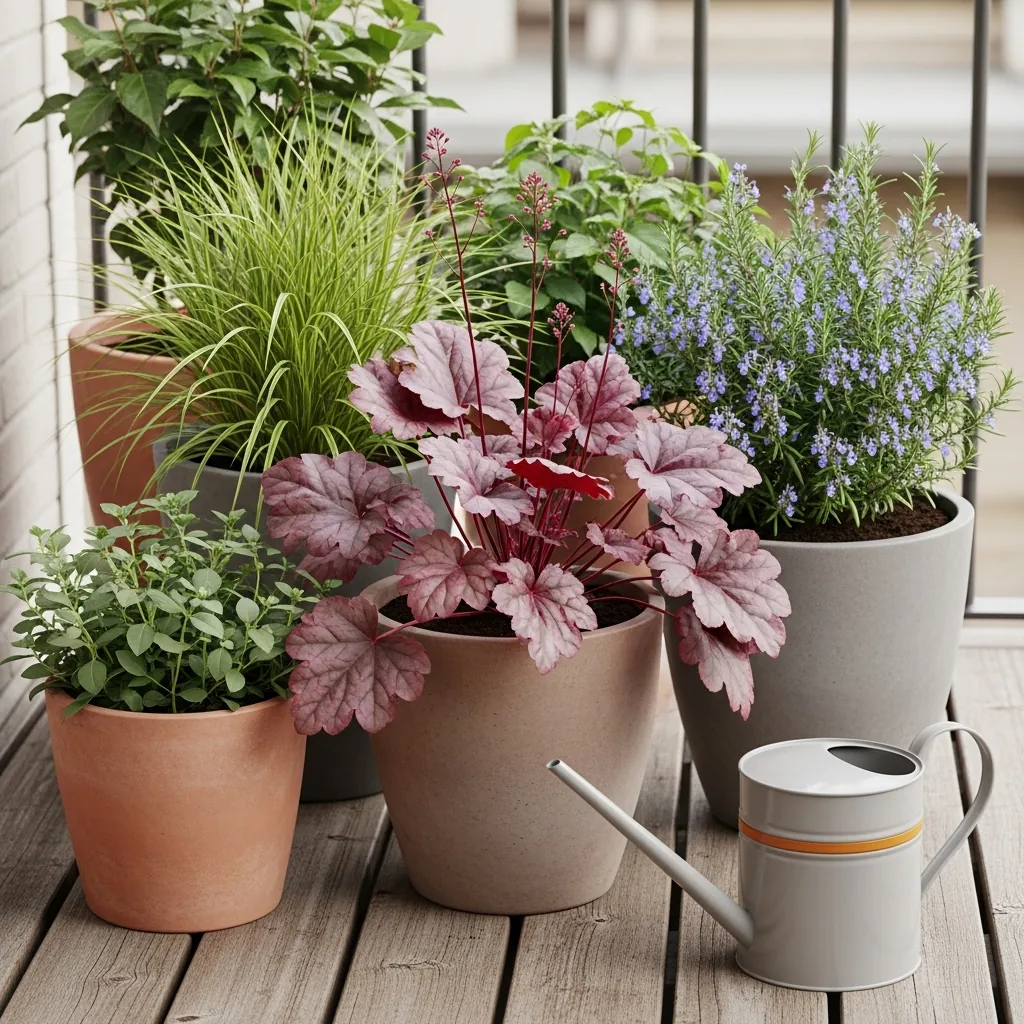
Quick Answers for Tough Balcony Plants
In brief: When selecting tough balcony plants, prioritize species known for resilience against wind, sun, and fluctuating temperatures. Look for plants like Heuchera, Carex sedges, and ornamental grasses. Many herbs, such as rosemary and thyme, also perform well. Evergreen perennials and hardy ferns are excellent choices for consistent greenery. Always ensure good drainage in containers. Consider the specific microclimate of your balcony, noting sun exposure and wind intensity, before making your final plant selections. Proper watering and occasional feeding will help even the toughest balcony plants flourish.
When you’re looking for plants that can handle a balcony, it feels like a challenge. You want color and life, but the wind and sun can be brutal. I’ve definitely lost my share of plants trying to figure out what works (houseplant care).
This guide focuses on truly tough balcony plants. We’ll cover hardy options that can take a beating and still look great. We’re not talking about delicate flowers here. This is about plants that survive and thrive, even when conditions are less than ideal. I’ll share what I’ve learned from my own balcony experiments and from reliable gardening resources (moving houseplants outdoors).
Why Tough Balcony Plants Matter
A balcony garden offers a unique chance to connect with nature, even in an urban setting. But let’s be honest, not all spaces are created equal. High-rise balconies can feel like wind tunnels. Rooftop gardens bake in relentless sun. Even a small ground-level patio can have tricky drainage or shade issues. Trying to grow fussy plants in these spots is a recipe for disappointment.
Choosing tough balcony plants means you’re setting yourself up for success. It’s about working with nature, not against it. These plants can handle a bit of neglect. They bounce back from strong winds and don’t wilt at the first sign of a hot day. This resilience means less stress for you and more beauty for your space. According to the University of Minnesota Extension, understanding a plant’s light needs is crucial for container success, and this applies doubly on exposed balconies.
When you select hardy varieties, you get more bang for your buck and your effort. They often require less specialized care. This frees you up to enjoy your garden instead of constantly troubleshooting. It’s about creating a sustainable green oasis that brings joy without constant worry. Even the most beautiful plant won’t bring cheer if it’s struggling to survive.
Balcony Plant Care: Wait or Act?
Figuring out when to intervene with your balcony plants can be tough. Sometimes, a plant just needs time to adjust to its new pot or the season. Other times, a problem needs immediate attention. Here’s a guide to help you decide.
Worth watching:
- Slight wilting on a hot afternoon: Many plants wilt when it’s very hot, especially in containers that dry out quickly. If the plant perks up once the sun goes down or after a light watering, it’s likely just thirsty.
- Yellowing lower leaves on an older plant: This can be a natural part of aging for some plants, especially if the new growth looks healthy. It might also indicate a slight nutrient deficiency that can be addressed with a balanced fertilizer later.
- Slow growth in early spring: Many plants, especially perennials and shrubs, take their time waking up after winter. As long as they aren’t showing signs of rot or pest infestation, give them a few weeks to start growing actively.
- A few chewed leaves: Occasional nibbles from a stray insect are normal. If it’s just a couple of leaves and you don’t see many pests, the plant can usually handle it.
- Slightly dry soil: Containers dry out faster than garden beds. If the top inch of soil feels dry, it’s time to water. Don’t let it become bone dry, but don’t drown it either.
Worth calling an expert:
- Sudden, widespread wilting that doesn’t improve with watering: This could signal root rot from overwatering or a serious pest issue attacking the roots. For specific pest identification and treatment, your local cooperative extension can help.
- Unusual spots, rust, or powdery mildew covering most leaves: While some minor leaf issues can be managed, widespread fungal diseases might require professional diagnosis. The University of Illinois Extension often has resources for identifying plant diseases.
- Visible infestation of pests (aphids, spider mites, mealybugs) covering multiple plants: If you see large numbers of pests, especially on new growth or undersides of leaves, it’s time to act. Early intervention is key.
- Plant shows signs of toxicity if pets or children are nearby: If you suspect a plant is poisonous to your pets, contact the ASPCA Animal Poison Control Center immediately. They have a complete list of toxic plants.
- Large plants or trees showing significant damage, leaning, or dead branches: For structural issues or concerns about falling branches, especially if the plant is large or near a structure, consult an ISA-certified arborist.
Step-by-Step Guide to Balcony Plant Success
- Choose the Right Containers: Select pots with drainage holes. This is non-negotiable for healthy roots. For balconies, consider lightweight materials like resin or fabric grow bags. Ensure the pot size is appropriate for the mature size of your chosen plant. A pot that’s too small will restrict growth and dry out quickly. The University of Minnesota Extension stresses that container size impacts watering needs significantly.
- Use Quality Potting Mix: Never use garden soil in containers. It compacts too easily, hindering drainage and aeration. Opt for a good quality potting mix designed for containers. You can amend it with perlite or compost for better drainage and added nutrients. Aim for a mix that feels light and airy.
- Select Hardy Plants: Choose plants known for their toughness and suitability for container growing. Look for varieties that tolerate wind, sun, or shade, depending on your balcony conditions. Research plants that are known to do well in your climate zone. Hardy perennials, ornamental grasses, and many herbs are excellent choices.
- Proper Watering Technique: Water deeply when the top inch of soil feels dry. Allow excess water to drain away. Avoid overwatering, which leads to root rot. Container plants dry out faster than those in the ground, so check them daily during hot weather. Stick your finger into the soil to gauge moisture.
- Fertilize Appropriately: Container plants need regular feeding because nutrients leach out with watering. Use a balanced liquid fertilizer diluted to half strength every 2-4 weeks during the growing season. Slow-release fertilizers are also a good option. Follow the product instructions carefully.
- Provide Support if Needed: Taller plants or those with vining habits may need stakes, cages, or trellises. Install these when you plant to avoid disturbing the roots later. This ensures your plants grow upright and healthy, preventing them from falling over in the wind.
- Seasonal Care and Pruning: Trim back dead or damaged foliage as needed. For many perennials, deadheading (removing spent flowers) encourages more blooms. In fall, some plants may need to be brought indoors or protected from harsh winter conditions, depending on your hardiness zone.
Common Myths About Balcony Plants
Myth: Any plant will grow in a container if you water it enough.
Reality: Container gardening presents unique challenges, like rapid drying and limited root space. Not all plants are suited for this environment. Plants that prefer consistently moist soil or have very deep root systems may struggle. Choosing plants specifically recommended for containers is key. The RHS notes that the right plant in the right pot is crucial for success.
Myth: Balconies are always sunny and windy, so you only need sun-loving plants.
Reality: Balcony conditions vary greatly. Some balconies are shaded by buildings or trees. Others might be protected from wind. It’s essential to assess your specific balcony’s microclimate-how much sun it gets, how windy it is, and temperature fluctuations-before choosing plants. Don’t assume all balconies are the same.
Myth: You can use regular garden soil in pots.
Reality: Garden soil compacts heavily in containers. This leads to poor drainage and aeration, suffocating plant roots. Always use a quality potting mix formulated for containers. This mix provides the necessary drainage and air circulation. Using the wrong soil is a common mistake that dooms many container plants.
Myth: Once a plant is established in a container, it doesn’t need much attention.
Reality: Container plants have finite resources. They rely on you for water, nutrients, and occasional repotting. Nutrients leach out quickly from pots. Plants also outgrow their containers. Regular observation and care are vital, even for tough plants. The University of Minnesota Extension emphasizes consistent care for container health.
Myth: Deadheading is only for flowers; it doesn’t matter for foliage plants.
Reality: While deadheading primarily encourages more blooms, removing spent flowers on foliage plants can also help redirect the plant’s energy. It prevents the plant from putting energy into seed production. This energy can then go towards producing healthier, more lively leaves. For some foliage plants, it also keeps them looking tidier.
What to Track for Your Balcony Plants
- Watering Frequency: Note how often you need to water. This changes with weather and plant growth.
- Soil Moisture: Check moisture levels regularly by feeling the soil. Aim for consistently moist but not soggy.
- Sun Exposure: Track how many hours of direct sun each plant receives daily. Note any changes with seasons.
- Growth Rate: Observe how quickly plants are growing. Is new leaf or stem growth consistent?
- Leaf Color and Condition: Look for lively green leaves. Note any yellowing, browning, spots, or wilting.
- Pest Sightings: Keep an eye out for common pests like aphids, spider mites, or mealybugs. Note their location and quantity.
- Flowering/Fruiting: If applicable, track when plants bloom or produce fruit. Note the duration and abundance.
- Fertilizer Schedule: Record when and what type of fertilizer you apply. This prevents over- or under-fertilizing.
- Wind Exposure: Assess how much wind the plants are subjected to. Note any damage from strong gusts.
- Container Condition: Check for cracks or damage to pots, and ensure drainage holes remain clear.
Frequently Asked Questions About Balcony Plants
What are the best low-maintenance plants for a windy balcony?
For windy balconies, choose plants with flexible stems and small leaves that can withstand strong gusts. Ornamental grasses like Carex, tough herbs such as rosemary and thyme, and resilient perennials like Heuchera are excellent choices. These plants tolerate wind better than those with large, delicate leaves or stiff, brittle stems.
Can I grow vegetables on my balcony?
Yes, you absolutely can grow vegetables on a balcony! Many compact varieties are perfect for containers. Look for bush beans, dwarf tomatoes, peppers, leafy greens like lettuce and spinach, and herbs. Ensure you have enough sunlight (at least 6 hours for most fruiting vegetables) and use good quality potting mix. The Clemson Extension offers great tips for container vegetable gardening.
How do I prevent my balcony plants from freezing in winter?
Winter protection depends on your climate zone and the plant’s hardiness. For less hardy plants, you can move them to a sheltered spot on the balcony, group them together, or wrap the pots in burlap or bubble wrap. Some plants may need to be brought indoors. Check your USDA hardiness zone to determine which plants can survive winter outdoors.
What kind of soil is best for balcony containers?
A high-quality, well-draining potting mix is essential. Avoid using soil straight from your garden, as it compacts too easily in pots. You can enhance drainage by adding perlite or coarse sand. Some gardeners also add compost for nutrients. Look for mixes specifically labeled for container gardening.
How often should I water plants on a hot, sunny balcony?
On hot, sunny days, plants in containers can dry out very quickly, sometimes needing water twice a day. Always check the soil moisture first by inserting your finger about an inch deep. If it feels dry, water thoroughly until water runs out the drainage holes. Don’t let the soil become completely parched.
Are there any plants that are toxic to pets and should be avoided on a balcony?
Yes, many common houseplants and garden plants can be toxic to pets. Examples include lilies, sago palms, and oleander. If you have pets that might access your balcony, it’s crucial to research the toxicity of any plant before bringing it home. The ASPCA has an extensive database of toxic and non-toxic plants for cats, dogs, and horses.
What does it mean if my plant’s leaves are turning yellow?
Yellowing leaves can have several causes. Overwatering is a common culprit, leading to root rot. Underwatering can also cause yellowing. Nutrient deficiencies, especially a lack of nitrogen, can turn older leaves yellow. Sometimes, it’s just a natural process as the plant sheds old leaves. Observing other symptoms and conditions can help pinpoint the exact cause.
Enjoying Your Resilient Balcony Garden
Creating a beautiful balcony garden doesn’t have to be an uphill battle. By choosing tough balcony plants and understanding their basic needs, you can enjoy a thriving green space. Remember to assess your balcony’s conditions and select plants that are suited to them. Don’t be afraid to experiment, and remember that even experienced gardeners have plants that don’t make it.
If you encounter persistent problems or are unsure about a plant’s health or identity, reaching out to local experts is always a smart move. They can provide tailored advice for your specific situation, helping you avoid costly mistakes and keep your garden looking its best.