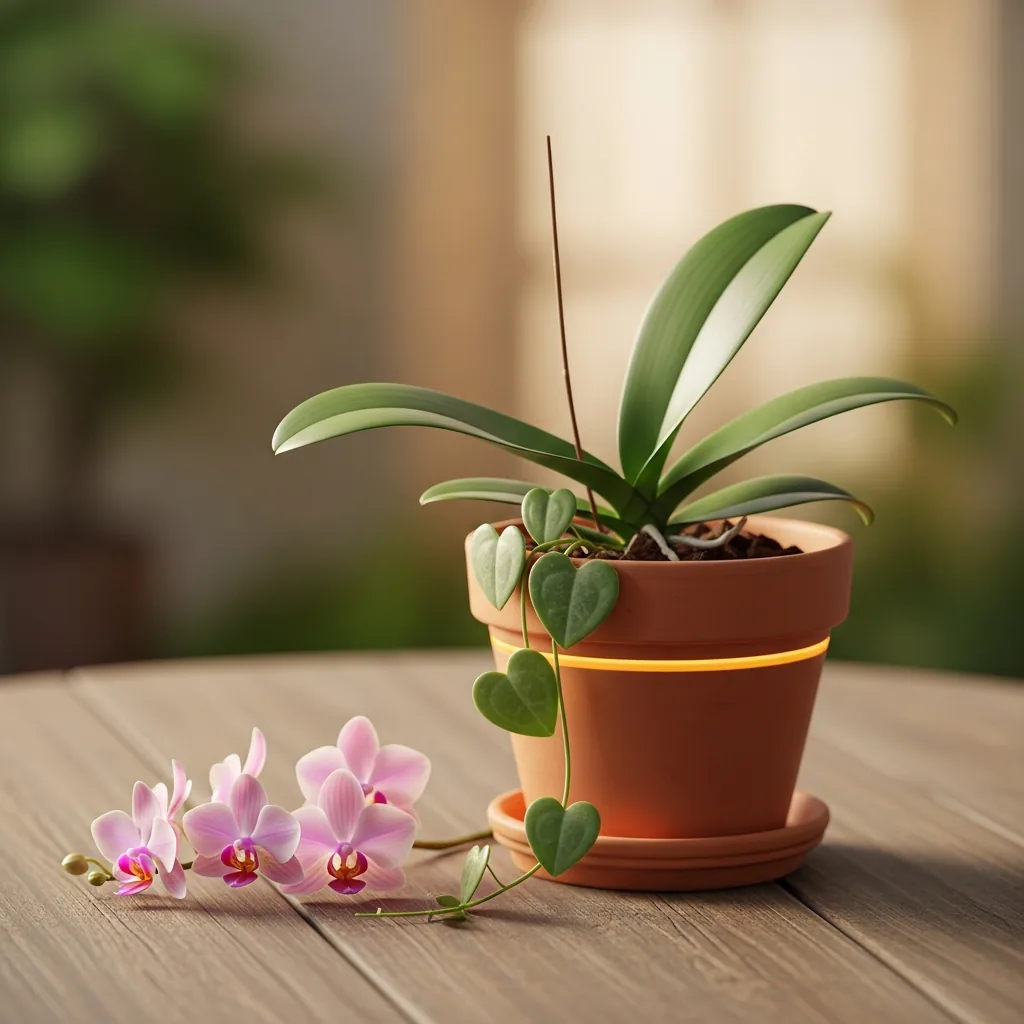
Beautiful Valentine’s Day Plant Alternatives
Short answer: Skip the traditional roses and choose longer-lasting Valentine’s Day plants. Consider options like Hellebores for enduring blooms, Anthuriums for lively year-round color, or a String of Hearts for a unique houseplant. For outdoor gardens, potted Cyclamen or miniature Irises offer early spring beauty. Many of these plants are more sustainable gifts. They also provide lasting enjoyment beyond a single week. Choosing a living plant shows thoughtful, enduring affection. These valentine’s day plants are a wonderful alternative to cut flowers.
Forget the fleeting romance of roses this Valentine’s Day. I’ve learned the hard way that some gifts just don’t last. This guide explores beautiful, long-lasting Valentine’s Day plants perfect for your favorite gardener. We’ll look at options for indoors and out. It’s not about fancy botany, but about bringing lasting joy. We’ll focus on plants that offer more than just a single bloom. Think lively colors and enduring life. This isn’t a guide to traditional floral arrangements, but to living gifts. We’ll cover easy care and long-term beauty for these special valentine’s day plants. Let’s find a gift that truly grows.
Roses are often flown across the globe for Valentine’s Day. This means a big carbon footprint. Plus, they often wilt within a week. Why not choose a gift that keeps on giving? Many plants offer stunning beauty and can thrive for years. They become living memories of your affection. We’ll explore some of my favorite alternatives. These are plants I’ve grown, loved, and sometimes, yes, even killed. But I learned from every mistake. The goal here is simple: find a gorgeous, sustainable plant gift. It’s a gift that grows with your love.
Why Choose Plants Over Cut Flowers?
As a gardener, I know the joy a living plant brings. It’s more than just a pretty bloom. It’s a commitment, a growing relationship. Many cut flowers, especially roses, have a significant environmental cost. They’re often flown thousands of miles just to end up in the trash a week later. The Royal Horticultural Society notes that airfreighted flowers carry a large carbon footprint, especially in February. Choosing a potted plant or one for the garden is a more sustainable option. It’s a gift that can become a permanent fixture, symbolizing growth and enduring love. Plus, it supports local nurseries and growers. These Valentine’s Day plants can be enjoyed for years, serving as a lasting reminder of your special someone. Imagine a plant that blooms every spring, or a houseplant that brightens a room year-round. That’s the kind of gift that keeps on giving.
I learned this the expensive way when I used to buy bouquets that wilted so fast. Now, I prefer gifts with a longer life. Giving a plant is like giving a promise – a promise of care and continued beauty. For the gardener in your life, a plant is always a welcome present. It’s something they can nurture and watch grow, connecting them to the earth and bringing nature indoors or enhancing their outdoor space. This thoughtful approach makes the gift even more meaningful, showing you care about their passion and the planet.
Valentine’s Day Plant Care: Watch or Act?
When you receive or give Valentine’s Day plants, knowing how to care for them is crucial. Some plants need immediate attention, while others are more forgiving. Here’s a guide to help you decide.
Worth watching:
- Mild Yellowing Leaves on Houseplants: A few yellow leaves on plants like an Anthurium or Moth Orchid can be normal. It might just be an older leaf dying off. Observe if it’s widespread or isolated.
- Slow Growth in Winter: Many plants, especially outdoor varieties like Hellebores or Irises, naturally slow their growth in cooler months. Don’t expect rapid expansion until spring.
- Slightly Drooping Leaves (Temporary): Some houseplants might droop slightly if they’re a bit thirsty. Check the soil moisture before assuming a major problem. A quick watering might fix it.
- Buds Dropping on Orchids: Moth orchids can drop buds if stressed by temperature changes or drafts. Keep them in a stable environment, and they’ll likely re-bud.
- Minor Leaf Scratches or Blemishes: Small imperfections on leaves of plants like String of Hearts are often cosmetic. Unless they spread, they might not require intervention.
Worth calling an expert:
- Wilting with Wet Soil: If a plant’s leaves wilt, but the soil remains soggy, it could signal root rot. This is serious and may require professional advice or repotting.
- Pest Infestations (e.g., Mealybugs, Spider Mites): Visible pests like white fuzzy mealybugs or fine webbing from spider mites demand prompt action. They can spread quickly and harm your plants. The ASPCA also warns about plant toxicity to pets, so identify pests carefully.
- Sudden Widespread Leaf Drop or Rot: If a plant loses most of its leaves rapidly or shows signs of mushy, black rot, it’s a critical issue. This could be a disease needing expert diagnosis.
- Unidentified Spots or Blight on Leaves: Unusual spots, lesions, or fuzzy mold on leaves could indicate a fungal or bacterial disease. These often require specific treatments beyond basic care.
- Plants Toxic to Pets: If you have pets, always confirm if your Valentine’s Day plants are safe. Many common houseplants are toxic. The ASPCA has an extensive database of toxic and non-toxic plants. If you suspect your pet has ingested a toxic plant, contact your veterinarian or the ASPCA Animal Poison Control Center immediately.
Caring for Your Valentine’s Day Plants
Whether you received a beautiful plant or are gifting one, here’s how to keep it thriving. These steps focus on common Valentine’s Day plants, from houseplants to garden varieties.
- Choose the Right Location: For houseplants like Moth Orchids or Anthuriums, find a spot with bright, indirect light. Avoid direct sun, which can scorch leaves. For outdoor plants like Hellebores or Cyclamen, ensure they get the right amount of sun or shade based on their needs. Many prefer partial shade, especially in warmer climates.
- Water Wisely: Check the soil moisture before watering. Stick your finger about an inch into the soil. If it feels dry, it’s time to water. For orchids, water thoroughly when the potting medium is dry. For outdoor plants, water deeply when the top inch of soil feels dry, especially during dry spells. Overwatering is a common mistake, so err on the side of caution. The University of Illinois Extension offers great watering tips.
- Provide Proper Humidity: Many houseplants, like Moth Orchids, appreciate higher humidity. You can increase humidity by misting the leaves occasionally, placing the pot on a pebble tray with water, or grouping plants together. Ensure good air circulation to prevent fungal issues.
- Fertilize Appropriately: Most Valentine’s Day plants don’t need heavy feeding. For blooming plants like Anthuriums or Orchids, use a balanced liquid fertilizer diluted to half strength every 4-6 weeks during their active growing season. Outdoor plants typically get enough nutrients from the soil, especially if amended with compost. Avoid fertilizing dormant plants.
- Prune for Health and Shape: Remove any dead or yellowing leaves promptly. For flowering plants, deadheading spent blooms encourages more flowers. For houseplants like String of Hearts, trim leggy stems to encourage bushier growth. Always use clean, sharp pruning tools to avoid damaging the plant.
- Repot When Necessary: Houseplants may need repotting every 1-2 years when they become root-bound, meaning roots are circling the pot. Choose a pot only slightly larger than the current one and use fresh, well-draining potting mix. For outdoor plants, repotting is usually only needed if they outgrow their space or the soil needs refreshing.
- Monitor for Pests and Diseases: Regularly inspect your plants for any signs of pests like aphids or spider mites. Early detection makes treatment much easier. Address any issues promptly using appropriate methods, such as insecticidal soap or horticultural oil. Ensure good airflow around plants to prevent fungal diseases.
Common Myths About Valentine’s Day Plants
Myth: All Valentine’s Day flowers are bad for pets.
Reality: While many plants can be toxic, not all are. For instance, Orchids (Phalaenopsis) and Cyclamen are generally considered non-toxic to cats and dogs according to the ASPCA. However, it’s crucial to always double-check specific plant varieties. If you have pets, err on the side of caution and choose plants confirmed as safe.
Myth: Potted plants meant for indoors can be planted outside anytime.
Reality: This is a common mistake. Many houseplants are tropical and can’t survive frost or cold temperatures. Plants like Anthuriums or String of Hearts are strictly indoor plants. Outdoor plants like Hellebores or miniature Irises are suited for your garden zone. Always check the plant’s hardiness requirements before planting it outdoors.
Myth: A plant that wilts is a lost cause.
Reality: Often, a wilting plant just needs water. Many houseplants droop dramatically when thirsty. Check the soil moisture. If it’s dry, a good watering might revive it within hours. Even plants that look quite sad can sometimes bounce back with proper care and attention.
Myth: You need a green thumb to keep Valentine’s Day plants alive.
Reality: Many popular Valentine’s Day plants are quite resilient. Moth Orchids, for example, are known for being relatively easy to care for. Similarly, Hellebores are tough perennials. Success often comes down to understanding basic needs like light and water, not innate talent. My own journey started with many plant casualties, proving that anyone can learn.
Myth: Giving a plant is less romantic than cut flowers.
Reality: A living plant symbolizes growth, enduring love, and lasting beauty. It’s a gift that continues to give long after Valentine’s Day. many find a living gift far more meaningful and romantic. It becomes a part of their home or garden, a constant reminder of the giver.
Tracking Your Plant’s Progress
Keeping notes on your Valentine’s Day plant helps you understand its needs. It also provides valuable information if you ever need to consult an expert. Here’s a checklist of what to observe:
- Watering Schedule: Note when you water and how much. Observe how quickly the soil dries out.
- Light Exposure: Record the amount of light the plant receives daily (e.g., “bright indirect light for 6 hours,” “full sun,” “deep shade”).
- Leaf Appearance: Track color changes, spotting, wilting, or new growth. Note any unusual textures or spots.
- Flowering Status: Record when blooms appear, how long they last, and if they drop prematurely.
- Pest Sightings: Document any pests you see, including their location on the plant and quantity.
- Growth Rate: Observe how quickly the plant is growing or if growth has stalled.
- Humidity Levels: If you have a hygrometer, track the room’s humidity, especially for sensitive houseplants.
- Temperature Fluctuations: Note any significant temperature changes the plant experiences, like drafts or proximity to heaters.
- Soil Condition: Observe if the soil stays wet too long or dries out excessively between waterings.
- Fertilizer Application: Keep a record of when and what type of fertilizer you use.
Frequently Asked Questions
What are the best Valentine’s Day plants for beginners?
For beginners, Moth Orchids (Phalaenopsis) are a great choice. They’re beautiful and relatively easy to care for with simple watering and light needs. Anthuriums are also good options, offering lively, long-lasting blooms. For outdoors, Hellebores are very forgiving perennials that bloom in late winter.
How can I make my Valentine’s Day plant last longer?
Proper care is key. Ensure your plant receives the correct amount of light and water. Avoid overwatering, which is a common killer of houseplants. Provide adequate humidity for tropical plants. For outdoor plants, ensure they are planted in suitable soil and conditions for their hardiness zone. Regular feeding during the growing season also helps.
Are there any Valentine’s Day plants that are toxic to pets?
Yes, some plants are toxic. For example, Cyclamen can be harmful if ingested by pets. It’s vital to check the toxicity of any plant before bringing it into a home with pets. The ASPCA provides a complete list of toxic and non-toxic plants. Always consult this resource if you’re unsure.
Can I plant a potted Valentine’s Day plant in my garden?
It depends on the plant. Tropical houseplants like Anthuriums or Moth Orchids should generally stay indoors. Plants specifically sold as outdoor varieties, such as Hellebores, miniature Irises, or certain Cyclamen, can be planted in the garden. Ensure the plant is suited to your climate and hardiness zone before planting outside.
What does the ‘String of Hearts’ plant symbolize?
The ‘String of Hearts’ (Ceropegia woodii) is named for its delicate, heart-shaped leaves. It’s often given as a symbol of enduring love and affection. Its trailing vines represent continuous connection. It’s a subtle yet meaningful gift for someone special.
How do I care for Hellebores?
Hellebores, often called Lenten roses, are wonderful winter-blooming perennials. They prefer partial to full shade and well-drained soil, ideally amended with compost. Water them regularly, especially during dry periods, but avoid waterlogged conditions. They are generally low-maintenance once established and can provide beautiful blooms for many years.
What’s the best way to display a Moth Orchid?
Moth Orchids look stunning in decorative pots. Place them where they receive bright, indirect light. Avoid direct sunlight, which can burn their leaves. Water them thoroughly when the potting medium is dry, allowing excess water to drain away. They thrive in average room humidity but appreciate a little extra moisture in dry environments.
A Lasting Gift of Love
Choosing a living plant for Valentine’s Day is a beautiful way to show you care. It’s a gift that grows, symbolizing enduring affection. Whether it’s a lively houseplant or a hardy perennial for the garden, it offers lasting beauty. Remember to consider your recipient’s environment and experience level. If you’re unsure about a plant’s care needs or potential toxicity, don’t hesitate to seek expert advice. A little research goes a long way in ensuring your valentine’s day plants thrive for years to come.