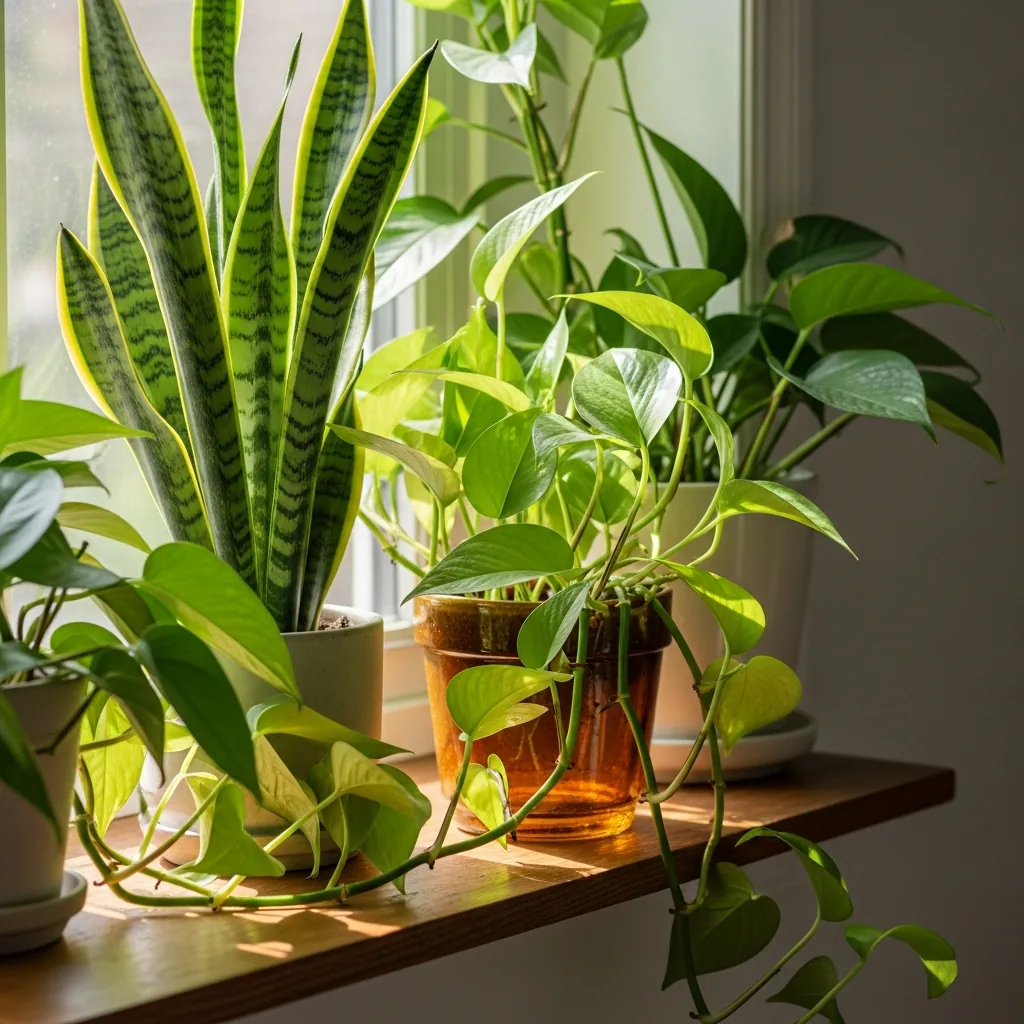
Quick Guide to Growing House Plants
In brief: To successfully grow house plants, start with well-draining soil and a pot with drainage holes. Choose plants suited to your light conditions and water them only when the top inch of soil feels dry. Avoid overwatering, which is a common mistake. Provide adequate humidity, especially for tropical varieties, and feed them with a balanced liquid fertilizer during the growing season. Watch for pests and address them early. Proper care involves understanding each plant’s specific needs for light, water, and temperature. Success with house plants is achievable with consistent attention and a little knowledge.
So, you want to grow house plants? I get it. They add so much life and color to a space. But sometimes, they can be a little… finicky. I’ve definitely been there, staring at sad, yellowing leaves and wondering what went wrong.
This guide is all about helping you succeed. We’ll cover the basics of how to grow house plants, from choosing the right ones to keeping them happy. We’ll also look at common problems and how to fix them.
Think of this as your friendly neighbor’s notes on indoor gardening. We’re not talking about complicated botany here. We’re focusing on practical tips backed by reliable sources, like university extensions and the EPA. Let’s make your home a green oasis.
Grow house plants: Why Growing House Plants Matters
Bringing plants indoors isn’t just about pretty decor. It genuinely impacts your living space. House plants can improve air quality, which is a big deal, especially in sealed-up homes. The U.S. Environmental Protection Agency (EPA) has noted that indoor plants can help filter certain airborne toxins. Imagine your snake plant quietly working to clean the air while you relax. That’s pretty cool.
Beyond air quality, plants boost our mood. Studies, like those cited by the University of Minnesota Extension, show a connection between plants and reduced stress levels. Having greenery around can make a home feel more tranquil and inviting. It connects us to nature, even when we’re stuck inside. Plus, learning to care for them builds confidence. Watching a new leaf unfurl feels like a little victory. It’s rewarding to nurture something and see it thrive.
For many of us, our homes are our sanctuaries. Adding plants makes them feel more alive and personal. They can make a plain room feel more lively and oxygen-rich. It’s a simple way to improve your environment and your well-being. The fact that you looked this up means your garden is in good hands.
When to Wait and Watch vs. Call an Expert
Deciding if a house plant issue is a simple fix or a serious problem can be tough. I’ve spent many nights staring at a droopy plant, wondering if I should panic. Here’s a breakdown to help you decide:
Worth watching:
- Slight yellowing of lower leaves: This can often mean it’s time for a drink or maybe the plant is getting a bit old. Water it and see if it perks up.
- Slow growth: If your plant isn’t growing much, it might just be its natural pace or a lack of light. Try moving it to a brighter spot.
- Minor leaf drop: A few dropped leaves can be normal, especially if you recently moved the plant. Give it time to adjust.
- Slight dust on leaves: This is common. A gentle wipe with a damp cloth usually does the trick.
- Small, stationary brown spots: Sometimes this is just cosmetic. Monitor it, but don’t stress too much unless it spreads.
Worth calling an expert:
- Sudden, widespread wilting or yellowing: If your plant looks like it’s given up overnight, it could be root rot from overwatering or a serious pest infestation.
- Visible pests like tiny webs, sticky residue, or moving insects: Small infestations can be treated, but if you see many activity, it’s time to get advice. Check the ASPCA’s toxic plant list if you have pets. Some common houseplants are toxic if ingested.
- Mushy, black stems or roots: This is a clear sign of rot, often fatal if not addressed immediately.
- Unusual spots or fuzzy mold on leaves/stems: This could be a fungal disease that needs specific treatment.
- Plant is toxic and a pet or child ingested it: Immediate veterinary attention is critical.
For plant identification or specific pest issues, your local cooperative extension office is a great resource. They can help identify tricky problems. You can find your local office through the University of Minnesota Extension or similar university sites.
Step-by-Step Guide to Growing House Plants
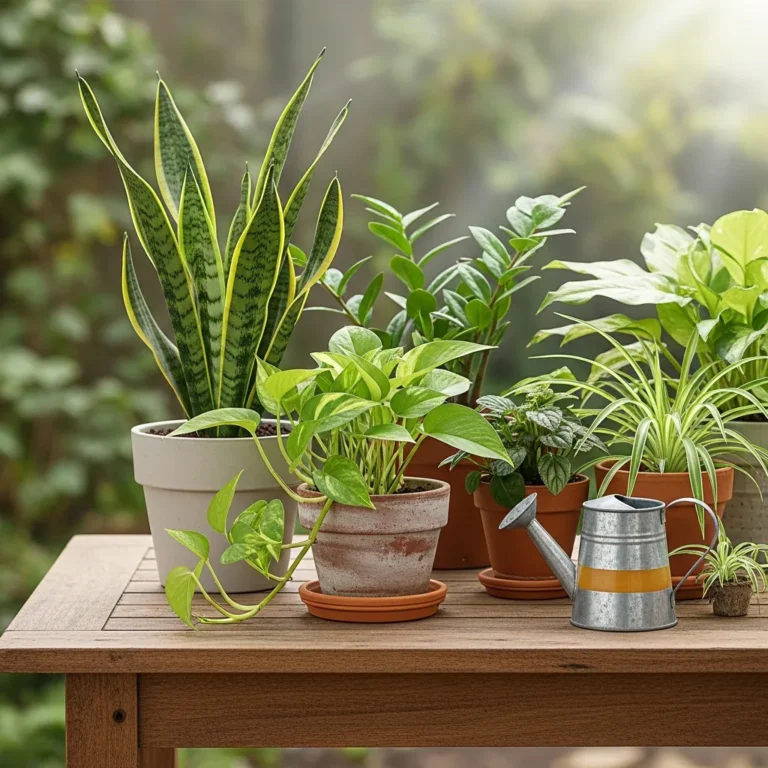
- Choose the Right Plant: Start by selecting plants that match your home’s conditions. Consider the available light – does your space get bright direct sun, indirect light, or low light? Research plants like snake plants (Sansevieria trifasciata) for low light or succulents for bright spots. Check the plant tag or do a quick online search for its basic needs. This prevents future heartbreak.
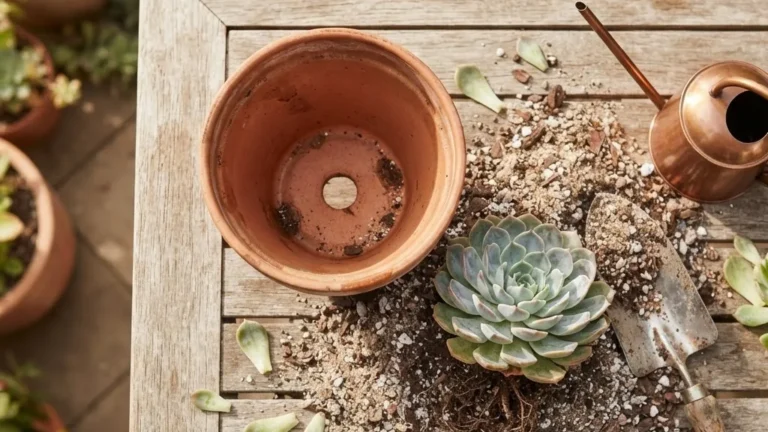
- Select the Proper Pot: Always use pots with drainage holes. This is non-negotiable for healthy roots. The pot size should be appropriate for the plant’s root ball, usually about 1-2 inches larger in diameter than the current root system. Too large a pot can hold excess moisture, leading to root rot.
- Use Good Potting Mix: Don’t use garden soil indoors; it compacts too easily. Opt for a quality potting mix designed for containers. You can also amend it with perlite or orchid bark for better drainage. The University of Illinois Extension offers great advice on potting mixes for various houseplants.
- Water Wisely: Overwatering is the most common killer of house plants. Stick your finger about an inch into the soil. If it feels dry, it’s time to water. If it’s moist, wait. Water thoroughly until it drains from the bottom, then discard any excess water in the saucer.
- Provide Adequate Light: Most houseplants need bright, indirect light. Direct sun can scorch their leaves. If you don’t have enough natural light, consider a grow light. Observe your plant; pale leaves might mean too little light, while brown, crispy spots could indicate too much.
- Maintain Humidity: Many popular houseplants are tropical and love humidity. Dry air from heating or air conditioning can cause brown leaf tips. You can increase humidity by grouping plants, using a pebble tray with water, or running a humidifier. Misting can offer temporary relief but isn’t a long-term solution.
- Feed Your Plants: During the growing season (spring and summer), feed your plants with a balanced liquid fertilizer diluted to half strength every 2-4 weeks. Reduce or stop fertilizing in fall and winter when growth slows down. Avoid fertilizing a stressed or newly repotted plant.
Common Misconceptions About House Plants
Myth: All house plants need many water.
Reality: This is a dangerous myth that leads to overwatering. Most houseplants prefer their soil to dry out slightly between waterings. Overwatering suffocates the roots and causes root rot. Always check the soil moisture before watering; don’t water on a strict schedule. The Almanac highlights many plants that thrive on neglect.
Myth: House plants don’t need much light.
Reality: While some plants tolerate low light, *all* plants need some light for photosynthesis. Low light means less direct sun, not complete darkness. If a plant isn’t growing, showing pale leaves, or getting leggy, it likely needs more light. Observe your plant’s response to its location.
Myth: You should repot house plants every year.
Reality: Repotting is only necessary when a plant becomes root-bound, meaning its roots have filled the pot and are circling. This usually happens every 2-3 years, sometimes longer. Over-repotting can stress the plant. Signs include roots growing out of drainage holes or water running straight through the pot.
Myth: Brown leaf tips always mean underwatering.
Reality: Brown leaf tips are often a sign of low humidity, especially in dry indoor environments. They can also be caused by mineral buildup from tap water or fertilizer burn. Try increasing humidity or using filtered water before assuming it’s thirst.
Myth: You can’t grow flowering house plants indoors easily.
Reality: Many beautiful flowering plants, like African violets, orchids, and begonias, do well indoors with the right care. They often need specific light, water, and feeding routines, but they absolutely can bloom inside. House Beautiful showcases many stunning options.
What to Track for Healthy House Plants
Keeping a simple observation log can help you understand your plants’ needs and spot problems early. It also provides valuable information if you need to consult an expert. Here’s what to track:
- Watering Schedule: Note when you water each plant and how much. Also, record when the soil feels dry again.
- Light Exposure: Note the direction of the window (north, south, east, west) and how many hours of direct or indirect light the plant receives daily.
- Leaf Color and Condition: Track any changes in leaf color (yellowing, browning, pale green), spots, or wilting. Note if new growth looks healthy.
- Growth Rate: Observe how quickly new leaves or stems are appearing. Slow growth might indicate an issue.
- Pest Sightings: Document any signs of pests, like tiny bugs, webbing, or sticky residue. Note their location and quantity.
- Humidity Levels: If you use a hygrometer, record the humidity. Otherwise, note if the air feels particularly dry or if you’ve taken steps to increase humidity.
- Fertilizing: Keep a record of when and with what you fertilized each plant.
- Repotting Dates: Note when you last repotted and into what size pot.
Frequently Asked Questions About House Plants
What is the easiest house plant for beginners?
The snake plant (Sansevieria trifasciata) is often considered the easiest. It tolerates low light, infrequent watering, and a wide range of temperatures. It’s also known for its air-purifying qualities. Just remember, even easy plants need some care. Avoid overwatering, and they’ll likely thrive.
How often should I fertilize my house plants?
Most houseplants benefit from feeding during their active growing season, typically spring and summer. Use a balanced liquid fertilizer diluted to half strength every 2-4 weeks. Reduce or stop fertilizing in fall and winter when plant growth naturally slows. Always follow the fertilizer package instructions.
My house plant’s leaves are turning yellow. What’s wrong?
Yellow leaves can signal several issues. Overwatering is the most common culprit, leading to root rot. It can also mean underwatering, insufficient light, or a nutrient deficiency. Check the soil moisture first. If it’s soggy, reduce watering. If it’s bone dry, water thoroughly. If neither seems to be the issue, consider the plant’s light exposure or try a balanced fertilizer.
What does it mean if my house plant has brown, crispy leaf edges?
Brown, crispy leaf edges are usually a sign of low humidity. Many popular houseplants come from tropical climates and need more moisture in the air than typical homes provide. Other causes can include salt buildup from tap water or fertilizer burn. Try increasing humidity around the plant and using filtered or distilled water.
Can I grow house plants in a bathroom?
Yes, bathrooms can be excellent places for many houseplants, especially those that love humidity. Plants like ferns, orchids, and pothos often do very well in bathroom conditions. Ensure there’s enough light, even if it’s just from a frosted window or a nearby grow light.
How do I get rid of fungus gnats?
Fungus gnats are tiny flies attracted to moist soil. The best way to control them is to let the top layer of soil dry out between waterings, as they lay eggs in damp soil. You can also use yellow sticky traps to catch adults. For persistent issues, consider beneficial nematodes or a soil drench with diluted hydrogen peroxide.
What are the best low-light house plants?
Several plants tolerate low-light conditions well. These include the snake plant, ZZ plant (Zamioculcas zamiifolia), cast iron plant (Aspidistra elatior), and some varieties of pothos and philodendron. Remember that ‘low light’ doesn’t mean ‘no light’; they still need some ambient illumination to survive.
Enjoy Your Thriving House Plants
Growing house plants can be incredibly rewarding. It brings a bit of the outdoors in, making your home feel more lively and alive. Don’t be discouraged if you have a few mishaps along the way. I certainly have! The key is observation and learning from your plants.
Start with easy-care varieties, use the right soil and pots, and pay attention to their light and water needs. If you’re ever unsure about a serious issue, like persistent pests or signs of disease, remember that local resources like cooperative extensions are there to help. Happy growing!