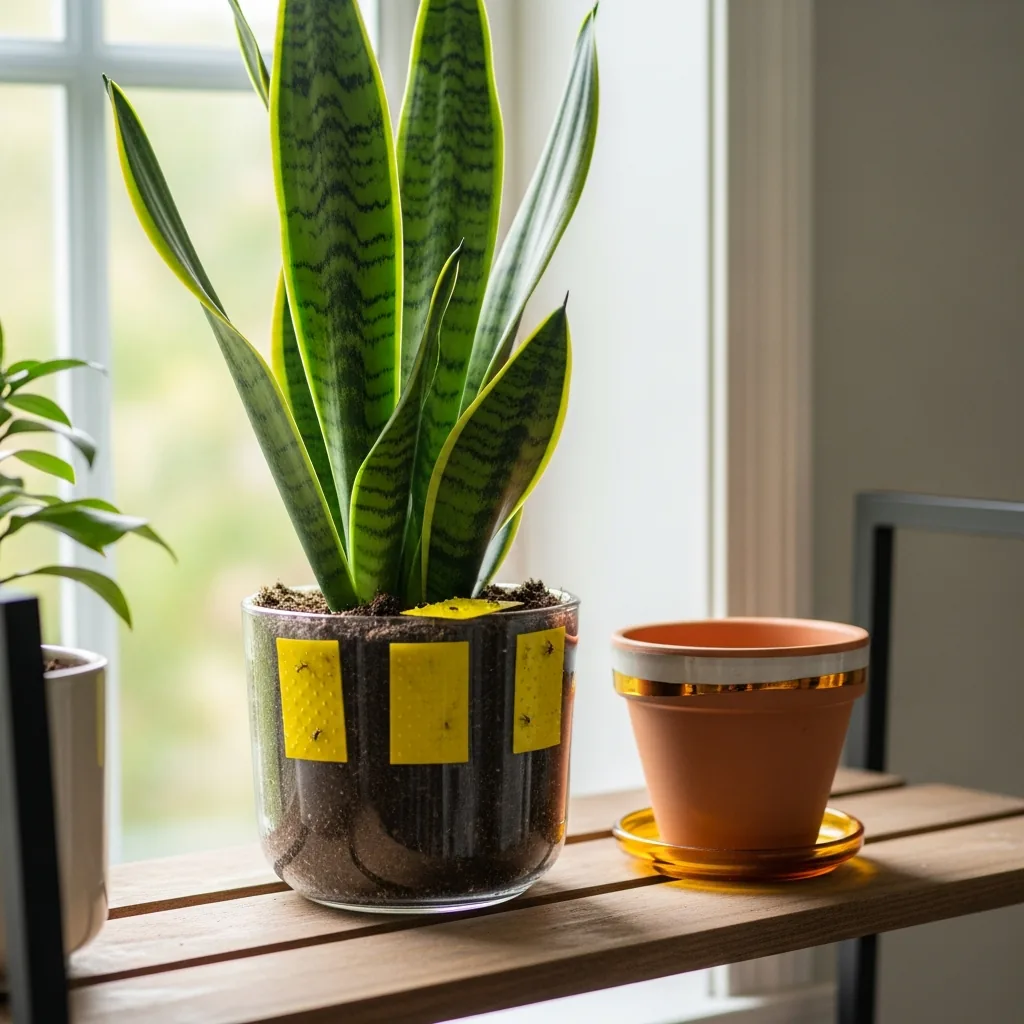
Quick Guide to Eliminating Fungus Gnats
Quick version: Fungus gnats are tiny flies that love moist soil, feeding on fungi and algae. To get rid of them, let the top inch of soil dry out between waterings. Use yellow sticky traps to catch adults and consider beneficial nematodes or predatory mites for severe infestations. Ensure good drainage and avoid overwatering. Regularly inspect new plants for signs of these common fungus gnats before bringing them home. Addressing the larvae in the soil is key to breaking their lifecycle for good.
Pesky little flies buzzing around your favorite plants? You’re not alone. Many of us have battled the tiny, dark annoyance that is fungus gnats. They might seem harmless, but a persistent infestation can be a real headache for any plant parent. I’ve definitely been there, staring at my monstera wondering what those little fliers were.
this guide covers help you identify and eliminate fungus gnats. We’ll cover what causes them, how to get rid of them, and most importantly, how to stop them from coming back. We’re using reliable sources, not just guesswork, to bring you the best advice.
This isn’t about becoming a botanist overnight. It’s about practical, backyard-tested solutions. We’ll focus on what works for real gardeners, drawing on university extension advice and expert resources. Let’s get your plants back to being peaceful green havens.
Why Fungus Gnats Are More Than Just a Nuisance
Seeing those tiny black flies flitting around your houseplants is annoying, right? I used to just swat them away, thinking they were harmless. But here’s the thing: fungus gnats are more than just a visual bother. Their larvae live in the soil, and while they primarily munch on fungi and algae, they can also damage plant roots. This is especially true for delicate seedlings or plants that are already stressed. A heavy infestation can weaken your plants, making them more susceptible to other problems.
The University of Minnesota Extension points out that while adult gnats don’t harm plants directly, their larvae can damage roots, particularly in young or weak plants. This root damage can lead to stunted growth or yellowing leaves. For us backyard gardeners, especially those with a growing indoor jungle, this means potential harm to our green companions. Understanding the lifecycle of fungus gnats is key to tackling them effectively. It’s not just about getting rid of the adults you see; it’s about stopping the cycle at its source.
I learned this the expensive way when a new plant brought a hidden infestation into my home. Suddenly, all my plants seemed to have these little flies. It took a few weeks of consistent effort to get them under control. Knowing the ‘why’ behind the problem helps you stay motivated and apply the right solutions. It’s about protecting your investment and keeping your indoor plants healthy and thriving.
When to Wait and When to Act Against Fungus Gnats
Deciding how to tackle fungus gnats can feel overwhelming. Sometimes, a few gnats are no big deal. Other times, you need to act fast. Here’s a breakdown to help you decide:
Worth watching:
- A few adult gnats: If you only see a handful of flies and your plants look otherwise healthy, you can probably manage with simple cultural changes.
- Slightly damp soil: The larvae thrive in moist conditions. If your soil stays wet for more than a couple of days after watering, this is your first clue.
- Presence of algae on soil surface: This is a food source for the larvae. Seeing green or blackish growth on top of the soil is a strong indicator of a potential gnat problem.
- New plant purchase: Always keep an eye on any new plants for a few weeks. They can easily bring unwanted guests into your home.
- Minor leaf yellowing: If only a few lower leaves are yellowing and the plant is otherwise vigorous, it might not be the gnats, but it’s worth monitoring.
Worth calling an expert:
- Signs of severe root rot: If your plant’s leaves are yellowing, wilting, and dropping rapidly, and the soil feels waterlogged, the larvae might have caused significant root damage. This could require repotting or professional advice.
- Suspected soil contamination: If you’ve used a new, unsterilized soil mix and have a widespread infestation, it might be worth checking with your local cooperative extension office for advice on safe soil practices.
- Persistent infestation despite your efforts: If you’ve tried several methods for a month or more and the gnats are still a major problem, it’s time to seek more targeted advice.
- Concerns about pesticide use: If you’re considering chemical treatments and have pets or children, consult your local extension office for safer alternatives or proper application guidelines.
- Uncertain plant health: If your plant is showing many signs of distress and you can’t pinpoint the cause, it’s always best to consult a local nursery or your cooperative extension for diagnosis.
For persistent issues or if you’re unsure about the health of your plants, reaching out to your local cooperative extension office is a great first step. They can offer region-specific advice and help you diagnose problems accurately.
Step-by-Step Guide to Fungus Gnat Elimination
- Adjust Your Watering Habits: Fungus gnat larvae need consistently moist soil to survive. The most effective first step is to let the top 1-2 inches of soil dry out completely between waterings. This disrupts their lifecycle. Don’t water on a schedule; water when the plant actually needs it. You can check this by sticking your finger into the soil or using a moisture meter. Allow for good drainage by ensuring your pots have drainage holes.
- Improve Drainage and Airflow: Make sure your pots have drainage holes. If they don’t, consider repotting into a container that does. Standing water in the saucer is a gnat’s best friend. Empty any excess water from saucers about 30 minutes after watering. Good airflow around your plants also helps the soil dry out more evenly. Consider using a potting mix that drains well, perhaps one with perlite or sand.
- Use Physical Traps: Yellow sticky traps are fantastic for catching adult fungus gnats. Their bright color attracts the adults, and the sticky surface traps them. Place these traps near the soil surface, as the gnats tend to stay close to their breeding grounds. You can hang them from stakes inserted into the pot or use traps designed to stick directly into the soil. Replace them when they become full of gnats or lose their stickiness.
- Apply a Top Dressing: A layer of sand, fine gravel, or horticultural grit (about 0.5 to 1 inch thick) on top of the soil can create a physical barrier. This makes it difficult for adult gnats to lay their eggs in soil and prevents larvae from easily reaching the surface. This method is particularly effective for smaller pots and succulents. I’ve found decorative pebbles work well too, making the pots look nice while fighting pests.
- Consider Biological Controls: For more stubborn infestations, biological controls are a great, non-toxic option. Beneficial nematodes, specifically *Steinernema feltiae*, can be watered into the soil. They seek out and parasitize the gnat larvae. Predatory mites (*Hypoaspis miles*) are another option; they live in the soil and eat both larvae and other soil-dwelling pests. These are generally safe for houseplants and pets. You can find these online from reputable garden suppliers.
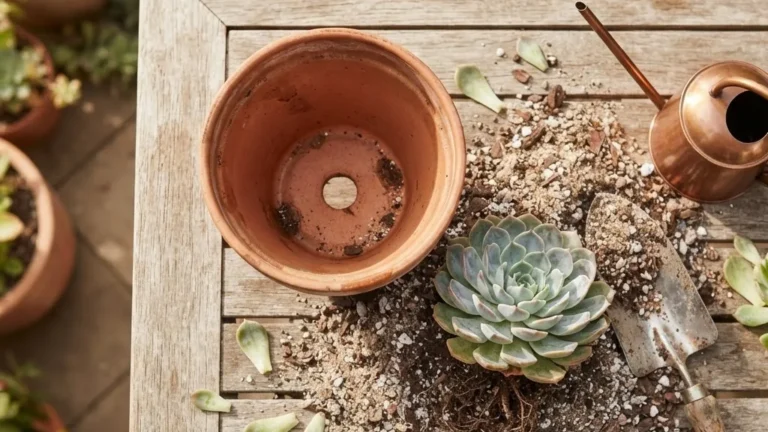
- Repotting with Fresh Soil: If the infestation is severe or you suspect the soil is old and compacted, repotting might be necessary. Gently remove the plant from its pot, brush away as much of the old soil as possible (especially from the roots), and repot into a clean container with fresh, sterile potting mix. Ensure the new mix drains well. This is a more drastic step but can be very effective.
- Hydrogen Peroxide Drench (Use with Caution): Some gardeners have success with a diluted hydrogen peroxide solution. Mix one part 3% hydrogen peroxide with four parts water. Water the plants with this solution. The peroxide helps kill larvae and eggs on contact and aerates the soil. However, use this sparingly as too much can harm beneficial soil microbes and plant roots. Test on a small area first.
Common Myths About Fungus Gnats Debunked
Myth: Fungus gnats are the same as fruit flies.
Reality: While they look similar, fungus gnats and fruit flies are different. Fungus gnats are typically found in potting soil and are attracted to moisture. Fruit flies are usually found near ripening fruit or decaying organic matter and are attracted to sugars. Their life cycles and preferred habitats differ significantly, so control methods need to be specific.
Myth: You can get rid of fungus gnats just by killing the adults.
Reality: Killing the adult gnats you see flying around is only part of the solution. The real problem lies with the larvae in the soil. If you don’t address the larvae, new adults will continue to emerge. Focusing on drying out the soil and using soil treatments is crucial for breaking the life cycle.
Myth: Fungus gnats will kill my plants.
Reality: Adult fungus gnats are harmless to plants. While the larvae can cause some root damage, healthy, established plants can usually tolerate it. Seedlings, young plants, or stressed plants are more vulnerable. The damage is rarely fatal unless the infestation is extremely severe and persistent.
Myth: Only cheap or old potting soil attracts fungus gnats.
Reality: Fungus gnats can infest any potting mix, even new, expensive brands, if conditions are right. They are often introduced through contaminated soil, or adult gnats from outside can find their way in and lay eggs in moist soil. The key is not the quality of the soil itself, but the moisture levels and potential for adult gnats to access it.
Myth: Chemical pesticides are the only effective way to get rid of fungus gnats.
Reality: There are many effective, non-chemical methods for controlling fungus gnats. Cultural practices like proper watering and drainage, physical traps, and biological controls (like beneficial nematodes) are often sufficient and safer for indoor environments. The UMass Extension suggests that cultural controls are the first line of defense. Chemical options should be a last resort and used with caution.
What to Track for Fungus Gnat Control
Keeping a close eye on your plants and their environment is essential for managing fungus gnats. Here’s a checklist of things to observe:
- Soil Moisture Levels: How long does the soil stay wet after watering? Is the surface drying out within a few days?
- Adult Gnat Activity: How many adult gnats are you seeing daily? Are they concentrated around specific plants?
- Larval Presence: Gently disturb the top layer of soil. Do you see tiny white or translucent larvae moving?
- Algae/Fungi Growth: Is there visible green or black growth on the soil surface?
- Plant Health Indicators: Note any yellowing leaves, wilting, or stunted growth. Are these symptoms appearing on multiple plants?
- New Plant Quarantine: Track any new plants you bring home. Observe them closely for signs of gnats for at least 2-3 weeks before placing them near established plants.
- Effectiveness of Controls: Are the sticky traps catching adults? Is the soil drying out faster? Are biological controls seeming to reduce the population?
- Watering Schedule Compliance: Honestly assess if you’re letting the soil dry out sufficiently between waterings.
This information will be invaluable if you need to consult with your local cooperative extension office.
Frequently Asked Questions About Fungus Gnats
Are fungus gnats dangerous to humans?
No, fungus gnats are not dangerous to humans. They don’t bite, sting, or transmit diseases. Their primary nuisance is their presence as flying insects in your home and the potential damage their larvae can cause to plant roots, especially in young or weak plants. They are more of an annoyance than a health hazard.
How do I know if my plant has fungus gnats?
You’ll typically see small, dark flies hovering around the soil surface of your houseplants. If you gently disturb the soil, you might see tiny, worm-like larvae. The presence of algae or fungi on the soil surface is also a common sign, as this is what the larvae feed on. Yellowing leaves or wilting on an otherwise healthy-looking plant can also be indicators of root damage from larvae.
Can I use regular garden soil for houseplants?
It’s generally not recommended to use regular garden soil for houseplants. Garden soil can be too dense, leading to poor drainage, which is a prime condition for fungus gnats. It may also contain weed seeds, pathogens, and pests not suitable for an indoor environment. Using a sterile, well-draining potting mix specifically designed for houseplants is best. This also reduces the risk of introducing fungus gnats from the start.
How often should I water my houseplants to avoid fungus gnats?
The frequency of watering depends on the plant, its pot size, light, and temperature. However, to deter fungus gnats, the key is to let the top 1-2 inches of soil dry out completely between waterings. This might mean watering less often than you think. Always check the soil moisture before watering, rather than watering on a set schedule.
What is the best way to break the fungus gnat lifecycle?
The most effective way to break the fungus gnat lifecycle is by disrupting their breeding cycle in the soil. This involves allowing the soil to dry out between waterings, which kills the larvae and eggs. Additionally, using yellow sticky traps catches the adults, preventing them from laying more eggs, and biological controls like nematodes target the larvae directly. Consistency is key.
Can I use essential oils to get rid of fungus gnats?
many experiment with essential oils like neem oil or peppermint oil diluted in water as a drench or spray. While these might have some insecticidal properties, their effectiveness against fungus gnats is not consistently proven, and they can sometimes harm sensitive plants or beneficial soil organisms. It’s generally safer and more reliable to stick to proven methods like proper watering, sticky traps, and biological controls.
Bringing it All Together
Dealing with fungus gnats takes a bit of patience and consistency. Remember, they’re a common problem, and you’re not alone in this fight. By adjusting your watering habits, using simple traps, and understanding their lifecycle, you can reclaim your plants from these tiny pests. Don’t get discouraged if it takes a little time; I’ve certainly had my share of gardening challenges.
If you’ve tried these methods and are still struggling, or if you’re concerned about your plant’s overall health, remember that reaching out for expert help is a sign of a good gardener. Your local cooperative extension office is a fantastic resource for personalized advice. Happy gardening!