Quick Answers for Growing Backyard Fruits
TL;DR: To successfully grow fruits in your backyard, choose varieties suited to your climate zone and available space. Prepare your soil with compost for nutrients and good drainage. Plant in a location receiving at least 6-8 hours of sunlight daily. Water consistently, especially during dry spells, and apply mulch to retain moisture. Prune annually to maintain plant health and encourage fruiting. Watch for common pests and diseases, addressing them early. For beginners, starting with berries like strawberries or raspberries, or dwarf fruit trees, is often easiest.
Ready to fill your basket with delicious, home-grown goodness? Learning how to grow fruits is one of the most rewarding parts of backyard gardening. I’ve definitely had my share of plant fails, but with a little know-how, you can enjoy fresh berries, apples, and more right from your yard. This guide breaks down the basics for beginners, covering what you need to get started and how to care for your new plants. We’ll stick to common backyard varieties, so leave the tropical jungle farming to the experts for now.
Think of this as your friendly cheat sheet, filled with practical advice. We’re not aiming for a botany degree here, just successful fruit harvests. You’ll find tips on choosing the right plants for your space, getting them in the ground (or pot!), and keeping them happy season after season. Let’s get growing!
Grow fruits: Why Growing Your Own Fruit Matters
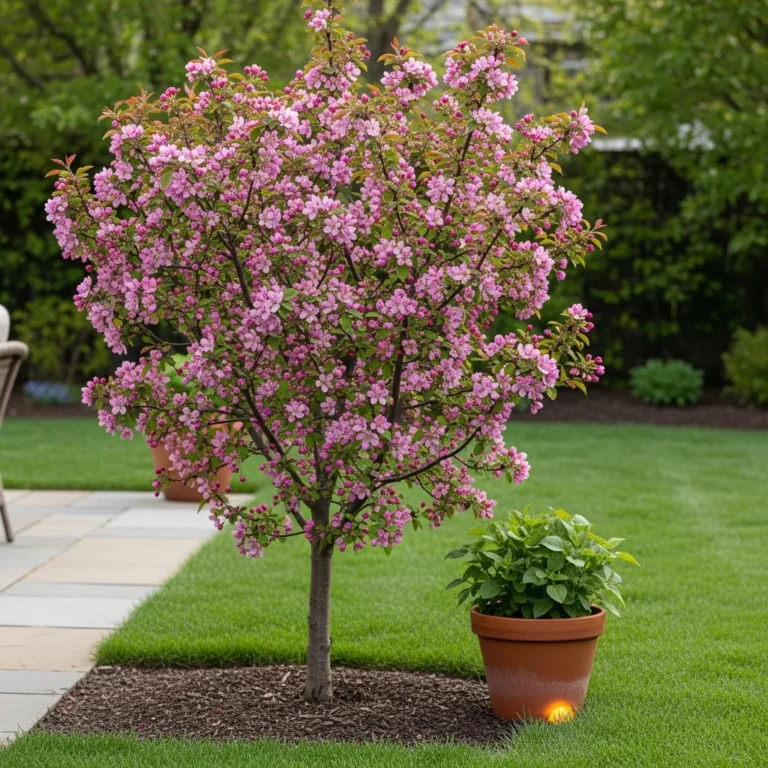
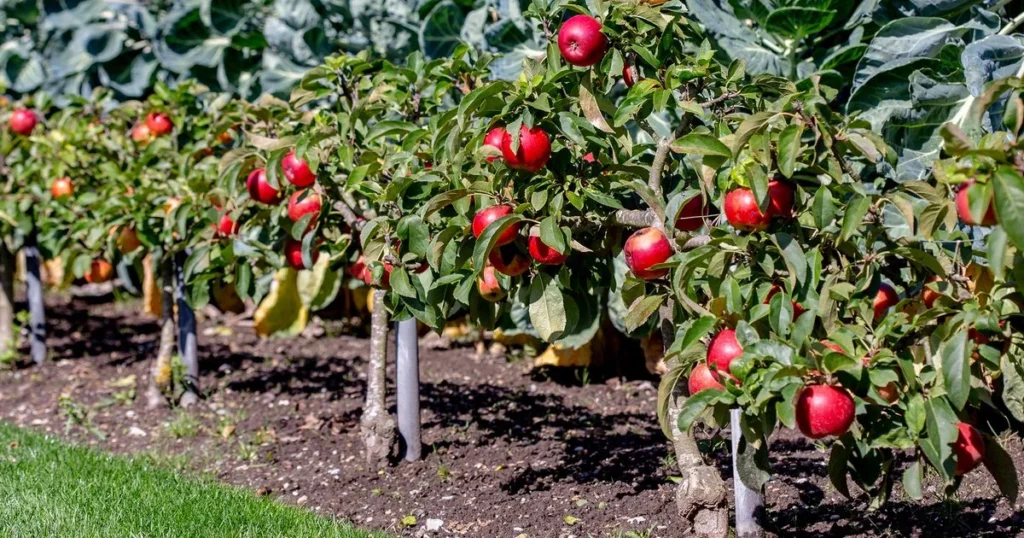
There’s something incredibly satisfying about stepping outside and picking a ripe piece of fruit you grew yourself. It tastes better, you know exactly where it came from, and it saves you money at the grocery store. Plus, fruit plants add beauty to your yard. Many fruit-bearing plants, like blueberries or espaliered apple trees, are quite ornamental.
Beyond the immediate harvest, growing your own fruit connects you with nature’s cycles. You’ll learn to observe your plants closely, understanding their needs for sun, water, and nutrients. This hands-on experience is incredibly valuable. The U.S. Department of Agriculture (USDA) MyPlate program encourages consuming fruits and vegetables for overall health, and what’s fresher than from your own garden? MyPlate emphasizes fruits as a key part of a balanced diet.
Starting small with a few berry bushes or a single dwarf fruit tree is a great way to build confidence. You’ll learn what works in your specific microclimate and soil conditions. This knowledge is priceless for future gardening projects. It’s about more than just fruit; it’s about creating a sustainable, enjoyable, and delicious backyard ecosystem.
When to Watch and When to Call an Expert
Gardening often involves a bit of detective work. Sometimes, a plant just needs a little patience. Other times, it’s a sign you need to call in the pros. Here’s how I figure out the difference:
Worth watching:
- Slight leaf yellowing on older leaves: This can simply mean the plant is a bit hungry. Try a balanced organic fertilizer.
- Small, scattered holes in leaves: Many insects chew leaves. Often, a strong blast of water or hand-picking is enough.
- Fruit with minor blemishes: A few spots or insect nibbles on fruit are usually okay. If it’s widespread, then we worry.
- Slow initial growth after planting: Plants need time to establish roots. Give them a few weeks to settle in before assuming there’s a problem.
- Occasional dropped fruit: Some fruit drop is natural, especially after pollination. It’s the *excessive* dropping that signals trouble.
- Wilting during a heatwave: If it’s a scorcher and you haven’t watered, wilting is normal. Check soil moisture first.
Worth calling an expert:
- Sudden, widespread wilting or plant death: This could indicate a serious root rot or disease that needs professional diagnosis.
- Unusual spots or fuzzy growth on leaves/stems: Especially if it spreads rapidly, it might be a fungal disease requiring specific treatment. Penn State Extension has resources on identifying fruit diseases.
- Large trees with significant dead branches or leaning: For safety, always consult an ISA-certified arborist for any potential hazards.
- Suspected toxic plants near pets or children: If you’re unsure if a plant is poisonous, contact the ASPCA Animal Poison Control immediately.
- Signs of invasive pests (e.g., spotted lanternfly): These require specific management strategies. Your local cooperative extension office can help identify them.
- Persistent issues despite your best efforts: If you’ve tried basic remedies and the problem persists, an expert can offer tailored advice.
Step-by-Step Guide to Growing Backyard Fruits
- Choose the Right Fruit and Variety: Research fruits that grow well in your USDA hardiness zone. Consider your space: dwarf trees are great for small yards, while berries need less vertical space. For example, strawberries thrive in many climates and are relatively easy to start. Check resources like UMN Extension’s fruit finder to see what suits your region.
- Select a Sunny Location: Most fruit plants need at least 6-8 hours of direct sunlight daily to produce well. Avoid areas shaded by large trees or buildings. Good air circulation also helps prevent diseases.
- Prepare the Soil: Fruit plants need well-draining soil rich in organic matter. Amend your planting area with 2-4 inches of compost or aged manure. For clay soils, raised beds can significantly improve drainage. Aim for a soil pH between 6.0 and 7.0 for most fruits, as recommended by many university extensions.
- Planting Time: The best time to plant most fruit trees and bushes is during their dormant season, typically early spring or fall. Follow the specific planting depth instructions for your chosen fruit. Don’t plant too deep; the root flare should be at soil level.
- Watering and Mulching: Water newly planted fruits thoroughly. Keep the soil consistently moist, but not waterlogged, especially during the first year. Apply a 2-3 inch layer of organic mulch (like wood chips or straw) around the base, keeping it a few inches away from the trunk or stem to prevent rot. Mulch helps retain moisture and suppress weeds.
- Fertilizing: Use a balanced fertilizer in early spring, following package directions. Avoid over-fertilizing, which can lead to excessive leafy growth and less fruit. For established plants, a soil test can guide specific nutrient needs. Illinois Extension offers insights into fruit crop management.
- Pruning and Maintenance: Pruning is crucial for fruit production and plant health. Remove dead, damaged, or crossing branches annually. The specific timing and technique depend on the fruit type. For example, summer-bearing raspberries are pruned differently than everbearing ones.
Common Myths About Growing Fruits
Myth: You need a huge orchard to grow fruit.
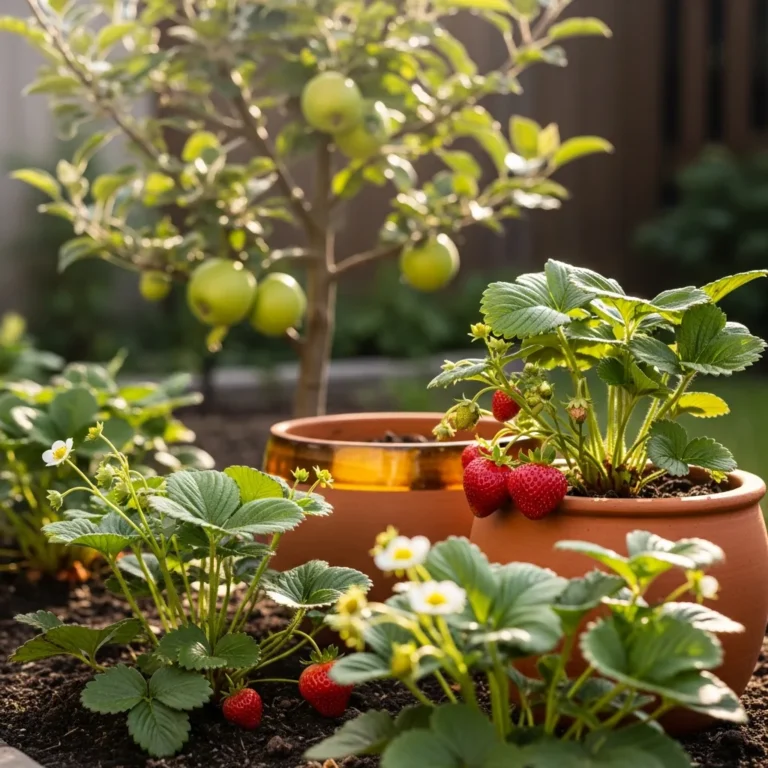
Reality: Not at all! Many fruits are perfectly happy in containers or small spaces. Dwarf fruit trees, espaliered apples against a fence, or even a few pots of strawberries can provide a rewarding harvest. You just need to choose the right varieties for your available space, as noted by resources like RHS for container growing.
Myth: Fruit plants are too difficult for beginners.
Reality: Some fruits are surprisingly easy! Berries like raspberries and blueberries, or certain apple and pear varieties, are quite forgiving. Starting with these can build your confidence. The key is selecting varieties suited to your climate and giving them basic care-sun, water, and good soil. Illinois Extension highlights many backyard-friendly options.
Myth: Fruit trees need constant, heavy pruning.
Reality: While pruning is important, it’s about *correct* pruning, not necessarily *heavy* pruning. You need to remove dead or diseased wood, and shape the tree for light penetration and air circulation. Over-pruning can actually reduce fruit yield. Learn the specific pruning needs for your chosen fruit type.
Myth: All fruit needs to be grown in the ground.
Reality: Many fruits, especially dwarf varieties and berries, can be grown successfully in containers. This is a fantastic option if you have limited space, poor soil, or want to protect plants from certain pests. Just ensure your containers have excellent drainage and are large enough.
Myth: If a fruit plant looks healthy, it’s pest-free.
Reality: Pests and diseases can be sneaky. Some problems, like early-stage fungal infections or tiny insect infestations, might not be immediately obvious. Regular inspection is key. Early detection makes management much easier, often without needing harsh chemicals.
What to Track in Your Fruit Garden
Keeping a simple garden journal or spreadsheet can be incredibly helpful. It helps you spot trends and provides valuable information if you need to consult an expert. Here’s what I recommend tracking:
- Planting Dates: Note when you planted new trees, bushes, or seeds.
- First Bloom: Record when flowers appear; this helps predict harvest times.
- First Fruit Set: When do you see tiny fruits forming?
- Harvest Dates & Yield: Track when you start picking and roughly how much you get. This helps assess productivity year over year.
- Watering Schedule: Note significant watering events, especially during dry periods.
- Fertilizing: Record what you applied and when.
- Pest/Disease Observations: Note any sightings, even minor ones. Describe the pest or symptom.
- Pruning Dates: Keep track of when you prune each plant.
- Weather Extremes: Note major heatwaves, droughts, or frost events.
- Soil Moisture: Stick your finger a few inches down. Is it dry, moist, or soggy?
This information can be invaluable when talking to your local cooperative extension office about persistent issues.
Frequently Asked Questions About Backyard Fruits
What are the easiest fruits for beginners to grow?
For most beginners, berries are a fantastic starting point. Strawberries are relatively low-maintenance and produce quickly. Raspberries and blueberries are also good choices, though blueberries often prefer acidic soil. Dwarf fruit trees like certain apple or pear varieties can also be manageable if given the right spot and basic care.
How much sun do fruit plants really need?
The general rule of thumb is at least 6 to 8 hours of direct sunlight per day. This is crucial for flower and fruit development. If your yard has heavy shade, you might need to stick to shade-tolerant options or reconsider planting fruit there. Some leafy greens might do okay, but fruits need that sun power.
How do I know when my fruit is ripe?
Ripeness varies by fruit. For berries, it’s usually when they reach their full color and are slightly soft to the touch. Apples and pears might change color and develop a sweet aroma. Many stone fruits will yield slightly to gentle pressure. Taste is often the best indicator, but don’t pick everything too early!
What’s the best way to deal with common fruit pests?
Integrated Pest Management (IPM) is key. Start with preventative measures like proper pruning and sanitation. Encourage beneficial insects. For active infestations, try physical removal (hand-picking), insecticidal soaps, or horticultural oils. Always identify the pest correctly before treating. Resources like UC IPM can help identify issues.
Can I grow fruit trees in small yards?
Absolutely! Look for “dwarf” or “semi-dwarf” varieties. These are grafted onto rootstock that limits their mature size. You can also grow fruit trees in containers or train them flat against a wall or fence using a method called espalier. This maximizes space and looks quite elegant.
My fruit trees are dropping fruit early. What’s wrong?
Early fruit drop can happen for several reasons. Extreme weather (heat, drought, or heavy rain), nutrient deficiencies, or pest/disease issues can all cause this. Sometimes, it’s the plant shedding excess fruit to conserve energy. Observing your plant’s overall health and recent weather patterns can help you pinpoint the cause.
Enjoying Your Backyard Fruit Harvest
Growing your own fruit is a journey, and like any gardening adventure, it involves learning and adapting. Don’t be discouraged by the occasional mishap; even experienced gardeners have them! Focus on providing the basics: good soil, many sun, and consistent watering. Observe your plants, learn their rhythms, and celebrate every ripe berry and apple.
Remember, for complex issues like serious diseases or potential tree hazards, reaching out to local experts is always a smart move. Happy harvesting!