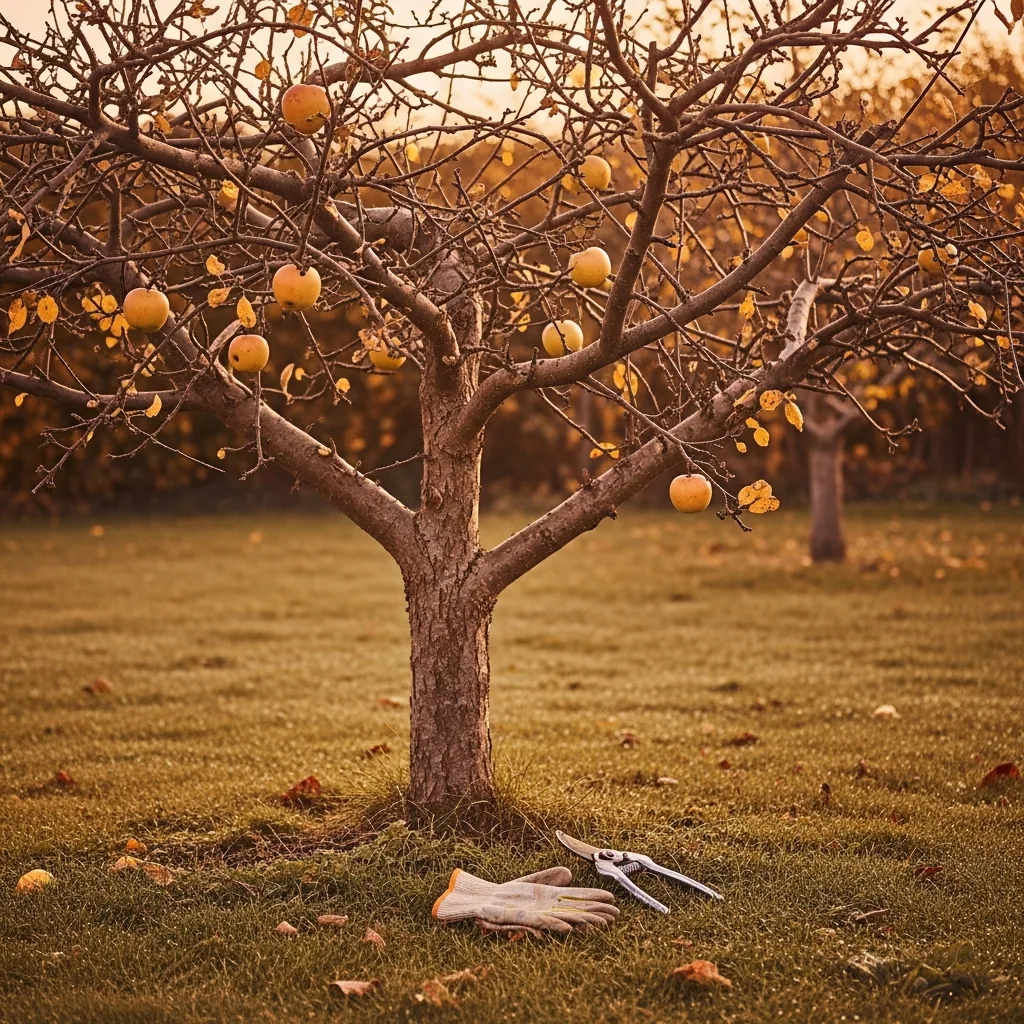
When Should I Prune My Fruit Trees?
Short answer: Prune most fruit trees during their dormant season, typically late winter or early spring before new growth begins. Dormant pruning shapes the tree, removes dead or diseased wood, and encourages better fruit production. Avoid pruning during extreme cold snaps or when sap actively flows. For specific varieties like plums or cherries, late spring or early summer might be better to avoid certain diseases (berry growing).
Winter pruning is often the best time to tackle your fruit trees. It helps them produce more delicious fruit. It also keeps them healthy and manageable. I used to be so scared of pruning. My first few attempts were… interesting, to say the least. But I learned a lot volunteering at the community garden. This guide focuses on practical advice for home gardeners. We’ll cover when and how to prune. We won’t get into complex horticultural science. For that, you’ll want to consult your local extension office.
Why Pruning Fruit Trees Matters for Your Harvest
Pruning your fruit trees might seem intimidating. I get it. You don’t want to accidentally cut off the branches that will give you the most apples or peaches. But trust me, it’s one of the most rewarding tasks you can do. Proper pruning directly impacts your harvest, encouraging the tree to produce more fruit, and makes that fruit bigger and better. Think of it like giving your tree a haircut; you’re tidying things up so it can focus its energy. This means healthier growth and fewer problems down the road. Without pruning, trees can become overcrowded, leading to smaller fruit and increased disease risk. It’s also crucial for maintaining the tree’s structure, preventing branches from breaking under the weight of fruit or from wind.
The U.S. Department of Agriculture emphasizes that good orchard management includes regular pruning. This practice is key to long-term tree health and productivity. It’s not just about looks; it’s about a bountiful harvest. You’re investing time now for delicious rewards later. My own small apple tree started producing so much more after I learned to prune it correctly. It was a game-changer for my backyard bounty.
When to Prune and When to Hold Off
Deciding when to prune is super important. Doing it at the wrong time can actually hurt your tree or reduce your harvest. Here’s a breakdown of what to watch for:
Worth watching (dormant season pruning):
- Apples and Pears: Prune these in late winter when branches are bare, making it easy to see the tree’s structure. This is when you encourage fruiting spurs.
- Peaches, Nectarines, and Apricots: Prune these in late winter or early spring, before bud break but after the harshest cold has passed.
- Plums and Cherries: Prune these carefully. While some winter pruning is possible, major structural pruning is often best in late spring or early summer to prevent diseases like silver leaf.
- General Health: Always remove dead, damaged, or diseased branches whenever you spot them, regardless of the season. Make a clean cut back to healthy wood.
- Young Trees: Prune newly planted trees during dormancy to establish a strong framework and guide their growth from the start.
Worth calling an expert:
- Extreme Cold: If temperatures are dangerously low (well below freezing), wait for a milder spell. Pruning in extreme cold can damage fresh cuts.
- Active Sap Flow (Spring): For trees like maple or birch, pruning when sap actively rises in spring can lead to excessive sap bleeding. This usually isn’t fatal but can be messy and weaken the tree.
- Suspected Disease Issues: If you see widespread, unusual spotting or wilting you can’t identify, call in the pros. They can diagnose the problem accurately. For help identifying diseases or pests, your local cooperative extension office is a great resource.
- Large, Old Trees: If you have a very large, mature fruit tree, especially one near your house or a walkway, and need to do significant structural pruning, consider an ISA-certified arborist. They have the equipment and expertise for safe, large-scale work.
- Toxicity Concerns: If you have pets and are unsure about any plants in your orchard area, consult the ASPCA’s toxic plant list.
Step-by-Step Guide to Pruning Fruit Trees
- Gather Your Tools: Before you start, make sure you have sharp, clean pruning tools. This includes hand pruners (secateurs) for small branches, loppers for medium branches, and a pruning saw for larger ones. Clean tools prevent disease spread. I like to wipe mine down with rubbing alcohol between trees.
- Prune During Dormancy: Aim for late winter or early spring, before buds swell. This is when the tree is dormant. The weather is usually less extreme, and you can clearly see the tree’s structure without leaves. Check specific recommendations for your fruit type, as some prefer summer pruning.
- Remove Dead, Diseased, or Damaged Wood: Start by cutting out any branches that are dead, broken, or show signs of disease. Make these cuts back into healthy wood. For diseased branches, cut well below the affected area.
- Address Crossing or Rubbing Branches: Identify branches growing into each other or rubbing. Choose the weaker or poorly positioned branch to remove. This prevents wounds that can invite disease.
- Open Up the Canopy: Aim for an open, vase-like shape. Remove branches growing inward towards the center of the tree. This improves air circulation and light penetration. Good light is essential for fruit development. The Clemson University Home & notes that proper pruning increases fruit size and quality.
- Encourage New Growth (if needed): For young trees, prune to establish a strong central leader or scaffold branches. For older trees, prune to encourage new fruiting wood. This often involves thinning out older, less productive branches.
- Make Proper Cuts: When removing a branch, cut it just outside the branch collar (the swollen area where the branch meets the trunk or a larger limb). Don’t leave stubs, but also don’t cut flush against the trunk. A clean cut promotes faster healing. For larger branches, use the three-cut method to prevent tearing.
Common Fruit Tree Pruning Myths Debunked
Myth: You should always prune as much as possible to get the most fruit.
Reality: Over-pruning stresses the tree and actually reduces fruit production. It can also lead to excessive water sprout growth. The goal is to remove unproductive wood and shape the tree, not to drastically reduce its size every year. Focus on making strategic cuts that improve light and air circulation, as recommended by university extension services.
Myth: Pruning seals wounds and prevents disease.
Reality: While clean cuts help trees heal naturally, pruning sealants are generally not recommended for most fruit trees. They trap moisture and encourage disease. The tree’s natural healing process is usually sufficient. However, for specific diseases like silver leaf on plums, your local extension office might have different advice.
Myth: You can prune any fruit tree at any time of year.
Reality: Timing is crucial for fruit trees. Pruning during the dormant season (late winter/early spring) is best for most apples and pears. However, stone fruits like cherries and plums are more susceptible to certain diseases if pruned in wet, cold weather. They often benefit from pruning in late spring or summer. Always research the specific needs of your tree variety.
Myth: Pruning makes trees grow bigger and faster.
Reality: Pruning directs the tree’s energy. By removing weaker or unnecessary branches, you encourage the remaining branches to grow stronger. This leads to better overall health and fruit production, but it doesn’t necessarily mean the tree will become a giant overnight. It’s about quality, not just quantity, of growth.
Myth: You need to leave stubs when pruning large branches.
Reality: Leaving large stubs hinders healing and creates entry points for disease. The correct technique is to cut just outside the branch collar. This swollen area at the base of the branch helps the tree compartmentalize and heal the wound effectively. Penn State Extension advises understanding the branch collar for proper pruning cuts.
What to Track in Your Fruit Trees
Keeping notes helps you understand your trees better and assists if you need to consult an expert. Here’s what I recommend tracking:
- Pruning Dates: Note when you prune each tree to stick to the ideal timing for each variety.
- Fruit Production: Record the approximate yield each year. Did it increase after pruning? What was the fruit quality like?
- Disease or Pest Issues: Jot down any problems you observe, like leaf spots, wilting, or insect infestations. Note the date and severity.
- Growth Habits: Observe how new branches grow. Are they vigorous? Are they crossing? Is the tree developing an open structure?
- Bud Break Timing: Note when buds start to swell and open in spring to fine-tune your pruning schedule.
- Weather Patterns: Significant drought or excessive rain can impact tree health and pruning decisions.
- Soil Moisture: Especially for young trees, monitor how quickly the soil dries out after watering.
Frequently Asked Questions About Fruit Tree Pruning
What is the best time to prune apple trees?
The best time to prune apple trees is during their dormant season, typically late winter or early spring before new growth begins. This allows you to see the tree’s structure clearly and encourages vigorous growth and fruit production for the upcoming season. Avoid pruning during extreme cold.
Should I prune my peach trees in winter?
Yes, peach trees are generally pruned in late winter or early spring. Prune before the buds swell significantly. This timing helps remove winter damage and encourages the tree to channel its energy into producing healthy new growth and abundant fruit.
When is the worst time to prune fruit trees?
The worst time to prune most fruit trees is during the active growing season in summer, unless you’re doing specific summer pruning for shaping or encouraging fruiting spurs on certain varieties. Pruning during extreme cold can damage the tree. Also, avoid pruning when sap flow is very heavy in early spring, as this can lead to excessive sap bleeding on some species.
How do I prune a young fruit tree for the first time?
For a young fruit tree’s first pruning, focus on establishing a strong structure. Select 3-5 well-spaced scaffold branches that grow outward from the trunk. Remove any branches growing downward, inward, or crossing others. Aim for an open, balanced shape. This initial pruning guides the tree’s future growth and fruit production.
What if I accidentally prune at the wrong time?
If you prune at the wrong time, don’t panic. Most minor mistakes won’t severely harm the tree. If you pruned too late in spring, you might lose some potential fruit for that year. If you pruned during extreme cold, monitor the tree for dieback. The most critical aspect is to make clean cuts and avoid over-pruning. For significant concerns, consult your local cooperative extension.
Do I need to prune plum trees in winter?
It’s generally advised not to prune plum trees heavily in winter. They are susceptible to silver leaf disease, which can enter through pruning cuts made in wet, cold conditions. The best time for significant pruning of plum trees is usually late spring or early summer, after the risk of disease spread has decreased.
How much of the tree should I remove when pruning?
Aim to remove no more than 25-30% of a tree’s canopy in a single year. For young trees, the goal is to establish structure, which might involve removing fewer, but more strategic, branches. For mature trees, focus on thinning out old or unproductive wood and improving light penetration. Always cut back to healthy wood or a branch collar.
Happy Pruning!
Taking care of your fruit trees through pruning is a journey. It might feel daunting at first, but you’ll learn more each year. My own garden has flourished thanks to consistent effort and learning from my mistakes. Remember, the goal is a healthy tree that gives you delicious fruit. If you’re ever unsure about a specific issue, especially concerning disease or large tree work, don’t hesitate to reach out to your local cooperative extension office or an ISA-certified arborist. They’re fantastic resources for us home gardeners.