Quick Guide to Trees for Small Backyards (berry growing)
TL;DR: Choosing the right trees for small backyards is key for success. Look for dwarf varieties, columnar shapes, or trees with multi-season interest like flowering crabapples or serviceberries. Consider native species for wildlife support. Proper planting is crucial, ensuring adequate drainage and space for future growth. For specific regional advice or if you’re unsure about a tree’s mature size, consulting your local cooperative extension office is a great step. These trees offer beauty and environmental benefits without overwhelming your limited garden space.
Thinking about adding a tree to your small backyard? It’s totally doable, even if you’ve only got a little space. I’ve killed more than my fair share of plants, so I get it. But picking the right tree makes all the difference. This guide focuses on trees that are perfect for smaller areas. We’ll cover what to look for and how to plant them successfully. We aren’t covering massive shade trees or anything requiring a degree in arboriculture here.
Why Planting Trees in Small Backyards Matters
Adding trees to a small backyard might sound counterintuitive. You might worry about them taking over or casting too much shade. But here’s the thing: trees offer so much more than just shade or curb appeal. They’re vital for urban ecosystems. Even a single tree can help improve air quality by filtering pollutants. They also provide crucial habitat and food sources for local wildlife, like birds and beneficial insects. Think of it as adding a vertical dimension to your garden.
Trees can also help manage stormwater runoff. Their roots absorb water, reducing the strain on storm drains. This is especially important in developed areas. Furthermore, trees can help cool your home in the summer, potentially lowering energy bills. The University of Missouri Extension notes that strategically placed trees can reduce cooling costs by up to 30 percent. They add beauty, provide seasonal color, and increase your property’s value. The fact that you looked this up means your garden is in good hands.
For those of us with limited space, the key is selecting the right species. It’s about finding trees that offer maximum benefit with a manageable footprint. We’re not aiming for giant oaks here. We’re looking for compact wonders that fit perfectly. This thoughtful selection ensures your small space remains functional and beautiful year-round.
When to Plant and When to Wait for Trees
Deciding the best time to plant your new tree is important. For most deciduous trees suitable for smaller yards, fall is generally the prime planting season. This allows their roots to establish over winter before the stress of summer heat. Spring is the second-best option. Avoid planting during the peak of summer heat or when the ground is frozen.
Worth planting now (Fall/Early Spring):
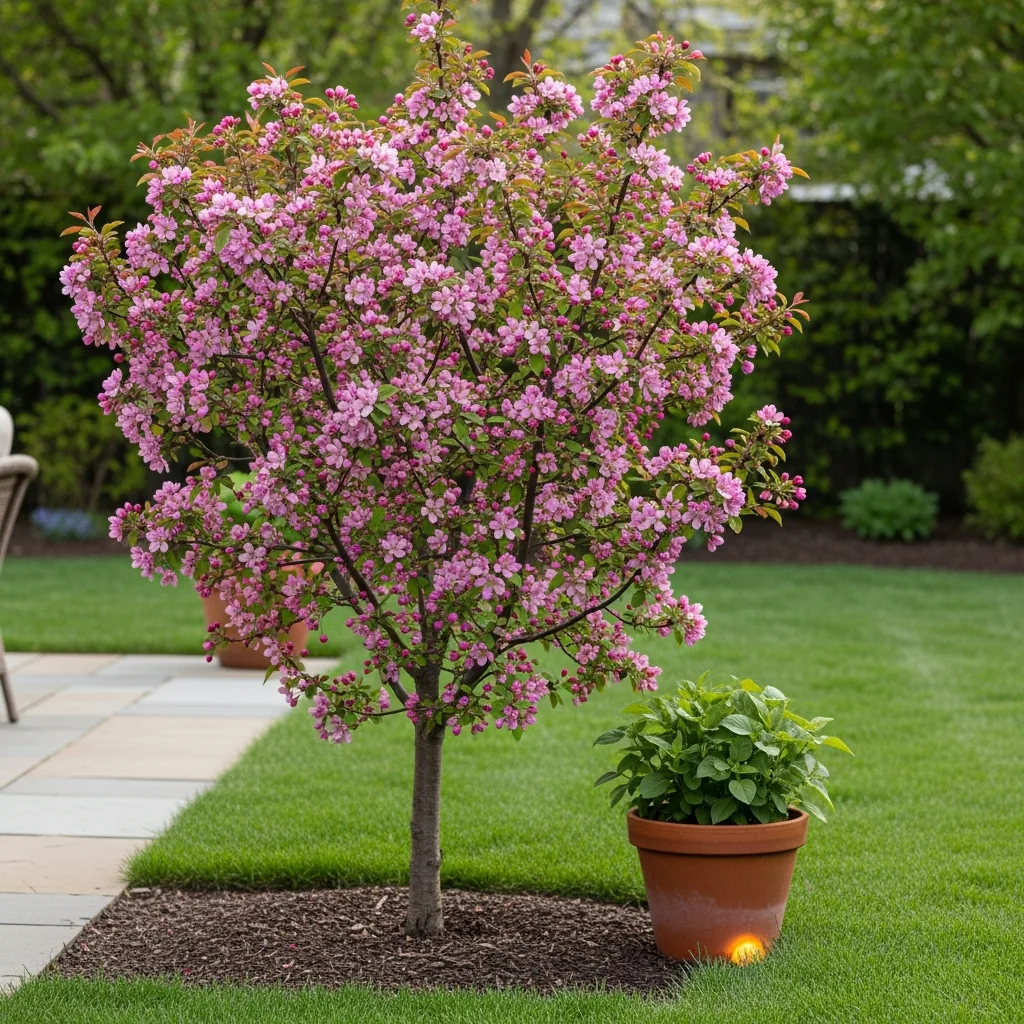
- Flowering Crabapples (Malus spp.): These offer beautiful spring blossoms and attractive fall fruit. Many dwarf varieties stay compact. They are fantastic for attracting pollinators and birds.
- Serviceberries (Amelanchier spp.): Known for early spring flowers, edible berries in early summer, and lovely fall color. They often have a multi-stemmed habit that fits well in smaller spaces.
- Japanese Maples (Acer palmatum): Many cultivars offer stunning foliage color and graceful forms. ‘Bloodgood’ or ‘Crimson Queen’ are popular choices, but always check mature size.
- Dwarf Conifers: Varieties like dwarf Alberta spruce or certain junipers offer year-round structure and color without excessive growth. They are excellent for providing winter interest.
- Ornamental Pears (Pyrus calleryana ‘Chanticleer’): These are known for their upright, narrow growth habit, making them ideal for tight spaces. They provide spring flowers and good fall color.
When to call an expert or reconsider:
- Suspected Pest Infestation: If you notice unusual leaf damage, wilting, or visible insects that you can’t identify, it might be an invasive pest. Contact your local cooperative extension office for identification and treatment advice.
- Soil Contamination Concerns: If your property has a history of industrial use or you suspect soil contamination, get a soil test. Your local extension office can guide you on this.
- Proximity to Structures: If the potential tree’s mature size might interfere with power lines, foundations, or septic systems, consult an ISA-certified arborist. They can advise on suitable species or management.
- Planting Near Pets/Children: If you’re considering a tree with toxic berries or leaves and have pets or young children, check the ASPCA’s toxic plant list. Consult the ASPCA Poison Control Center if ingestion is suspected.
- Uncertainty About Mature Size: If you’re unsure how large a specific tree variety will get or if it’s suitable for your space, don’t guess. Reach out to a local nursery professional or your extension office.
Step-by-Step Guide to Planting Trees in Small Backyards
- Choose the Right Tree: Select a tree variety known to stay small or columnar. Research its mature height and spread. Look for options like dwarf fruit trees, ornamental trees, or specific cultivars bred for small spaces. Consider native plants for local wildlife benefits. Information from your state’s cooperative extension service can be invaluable here.
- Select the Planting Site: Pick a spot that receives the appropriate amount of sunlight for your chosen tree. Ensure there’s good drainage; most trees hate sitting in waterlogged soil. Check for overhead utility lines and proximity to buildings or fences. Remember to allow space for the tree’s mature canopy and root system.
- Dig the Hole: Dig a hole that is two to three times wider than the tree’s root ball, but no deeper than the root ball itself. The top of the root ball should be level with or slightly above the surrounding soil. This prevents the tree from settling too deeply.
- Prepare the Tree: Gently remove the tree from its container. If the roots are circling tightly (root-bound), carefully loosen them or make a few vertical cuts with a clean knife. This encourages outward root growth. For balled-and-burlapped trees, remove any twine or burlap from the top half of the root ball once it’s in the hole.
- Position and Backfill: Place the tree in the center of the hole. Ensure it’s standing straight. Backfill the hole with the original soil you removed. Avoid adding excessive amendments directly into the planting hole, as this can discourage roots from spreading out. Gently tamp the soil to remove large air pockets.
- Water Thoroughly: Water the newly planted tree deeply. This helps settle the soil around the roots and reduces transplant shock. Create a small berm or watering basin around the edge of the planting hole to help retain moisture.
- Mulch the Base: Apply a 2-3 inch layer of organic mulch (like wood chips or shredded bark) around the base of the tree. Keep the mulch a few inches away from the trunk itself to prevent rot and pest issues. Mulch helps retain soil moisture, suppress weeds, and regulate soil temperature.
Common Misconceptions About Small Backyard Trees
Myth: You can’t grow fruit trees in a small backyard.
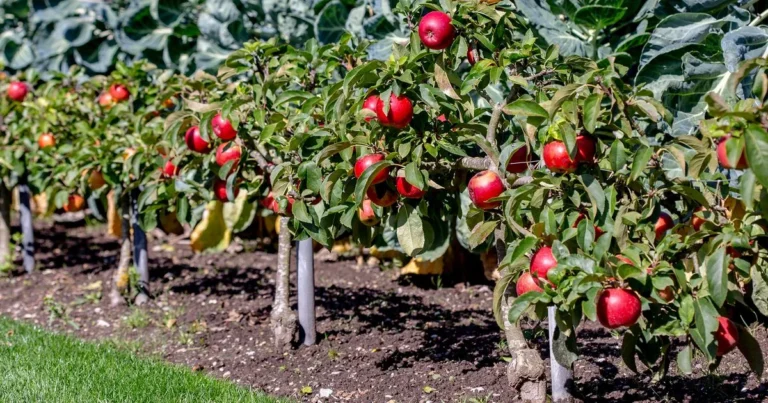
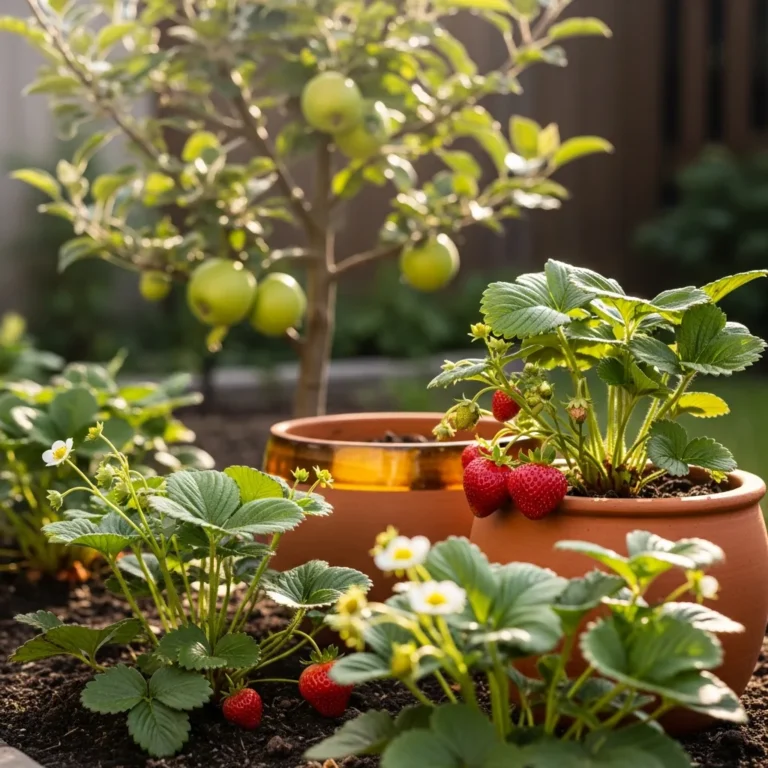
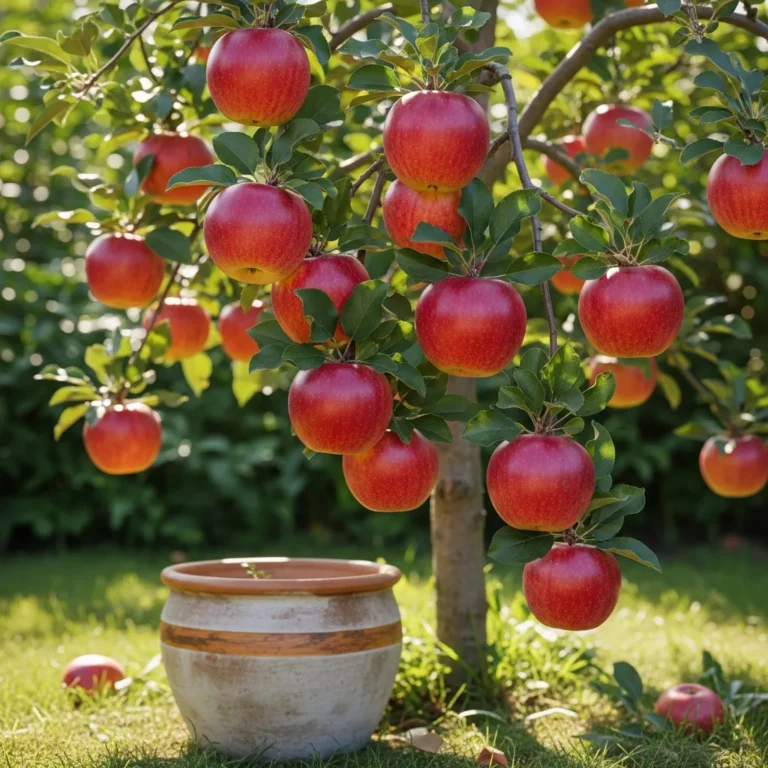
Reality: This isn’t true! Many fruit trees are available as dwarf or semi-dwarf varieties. These are specifically bred to remain smaller and are perfect for limited spaces. Apples, pears, cherries, and even citrus can be grown in containers or small garden beds. Check with your local nursery or cooperative extension for varieties suited to your climate and space.
Myth: Trees in small yards don’t need pruning.
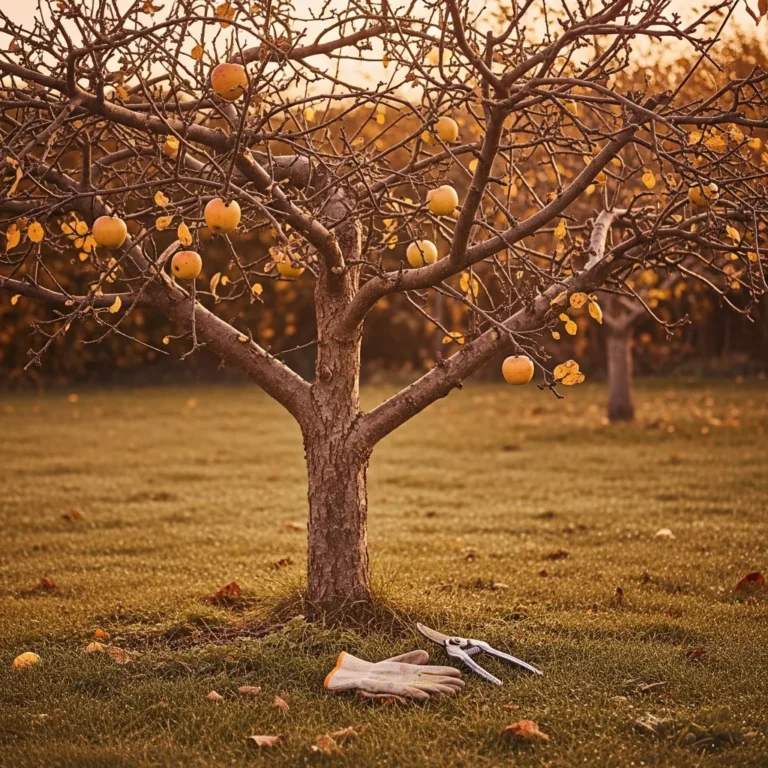
Reality: While they may not need the extensive structural pruning of large trees, small trees still benefit from occasional pruning. This helps maintain their shape, removes dead or crossing branches, and encourages healthy growth. Pruning also helps manage their size and prevents them from overcrowding the space. For significant pruning, especially on fruit trees, consulting an arborist is wise.
Myth: Any tree will do as long as it’s small.
Reality: Choosing the right tree involves more than just size. You need to consider your climate zone, soil type, sunlight availability, and desired characteristics like flowering, fruiting, or fall color. Planting a tree that’s not suited to your conditions will lead to struggles. Resources like the USDA Plant Hardiness Zone Map and your local extension office are crucial for informed selection.
Myth: Planting a tree is a one-time job; it doesn’t need ongoing care.
Reality: While trees are generally low-maintenance compared to other garden plants, they do require some care, especially when young. Regular watering during dry spells, mulching, and occasional checks for pests or diseases are important. As noted by Penn State Extension, proper establishment care significantly impacts a tree’s long-term health and resilience.
What to Track for Your Small Backyard Trees
Keeping an eye on your small backyard trees helps ensure they thrive. It also gives you valuable information if you need to consult an expert. Here’s a checklist of things to observe:
- Watering Needs: Note how often you water and if the soil seems consistently dry or overly moist. Especially crucial in the first year after planting.
- Leaf Color and Condition: Are the leaves a healthy green? Are there any spots, yellowing, browning, or wilting? Document any changes.
- Growth Rate: Observe how much the tree is growing each year. Is it putting on new shoots? Is the growth vigorous or stunted?
- Pest or Disease Signs: Look for any unusual insects, webs, holes in leaves, or signs of fungal growth. Take photos if you see something concerning.
- Flowering/Fruiting: Track when flowers appear, how long they last, and if the tree sets fruit. Note the quantity and quality of any fruit produced.
- Trunk and Bark Condition: Check for cracks, peeling (beyond normal for the species), or any signs of damage or disease on the trunk and branches.
- Seasonal Changes: Observe when the tree develops its fall color, when it loses its leaves (if deciduous), and when new buds appear in spring.
- Surrounding Soil: Note any changes in the soil around the tree, such as new weeds or signs of erosion.
Frequently Asked Questions About Small Backyard Trees
What are the best native trees for small backyards in the US?
Native trees are fantastic for supporting local ecosystems. For many regions, consider options like Serviceberry (Amelanchier spp.), Redbud (Cercis canadensis), or certain crabapple varieties (Malus spp.). Always check with your local cooperative extension or a native plant society for species best suited to your specific state and conditions.
How close can I plant a tree to my house foundation?
Generally, it’s advised to plant trees at least 10-20 feet away from your house foundation. This distance helps prevent roots from damaging the foundation or plumbing. Smaller, slow-growing trees or those with less aggressive root systems might be planted closer, but it’s wise to consult an ISA-certified arborist for precise recommendations.
Can I plant a tree in a small garden bed?
Yes, you absolutely can plant a tree in a small garden bed, provided you choose the right tree. Look for dwarf varieties, columnar types, or trees naturally suited to container growing. Ensure the bed is large enough to accommodate the root system and provides adequate drainage. Regular watering and appropriate fertilization are key.
What’s the difference between a dwarf tree and a standard tree?
Dwarf trees are specifically grafted or bred to remain significantly smaller than their standard counterparts. Their mature height might be limited to 6-10 feet, making them ideal for small yards and containers. Standard trees grow to their full, often much larger, mature size, which can range from 20 feet to over 50 feet tall.
When is the best time to prune trees for small backyards?
For most deciduous trees, late winter or early spring before new growth begins is the ideal time for pruning. This allows you to see the tree’s structure clearly. Summer pruning can be done for specific purposes, like controlling size or removing water sprouts, but avoid heavy pruning during hot, dry periods. Always use clean, sharp tools.
How do I choose a tree that won’t drop too much messy fruit or leaves?
Look for ornamental varieties that are less prolific fruiters, or choose trees known for cleaner habits. Some crabapples produce small, ornamental fruits that birds enjoy but aren’t messy on lawns. For leaf drop, most deciduous trees will drop leaves in fall. Selecting a tree with a more upright or columnar habit can help minimize overall leaf litter in small spaces.
Enjoy Your New Backyard Tree
Adding a tree to your small backyard doesn’t have to be complicated. By choosing wisely and planting carefully, you can enjoy all the benefits a tree offers without overwhelming your space. Remember, even a small tree makes a big difference for you and local wildlife. If you’re ever unsure about a tree’s health, suitability, or need advice on significant pruning, don’t hesitate to reach out to your local cooperative extension or an ISA-certified arborist. Happy planting!