Quick Answer: Making Your Own Christmas Baubles (berry growing)
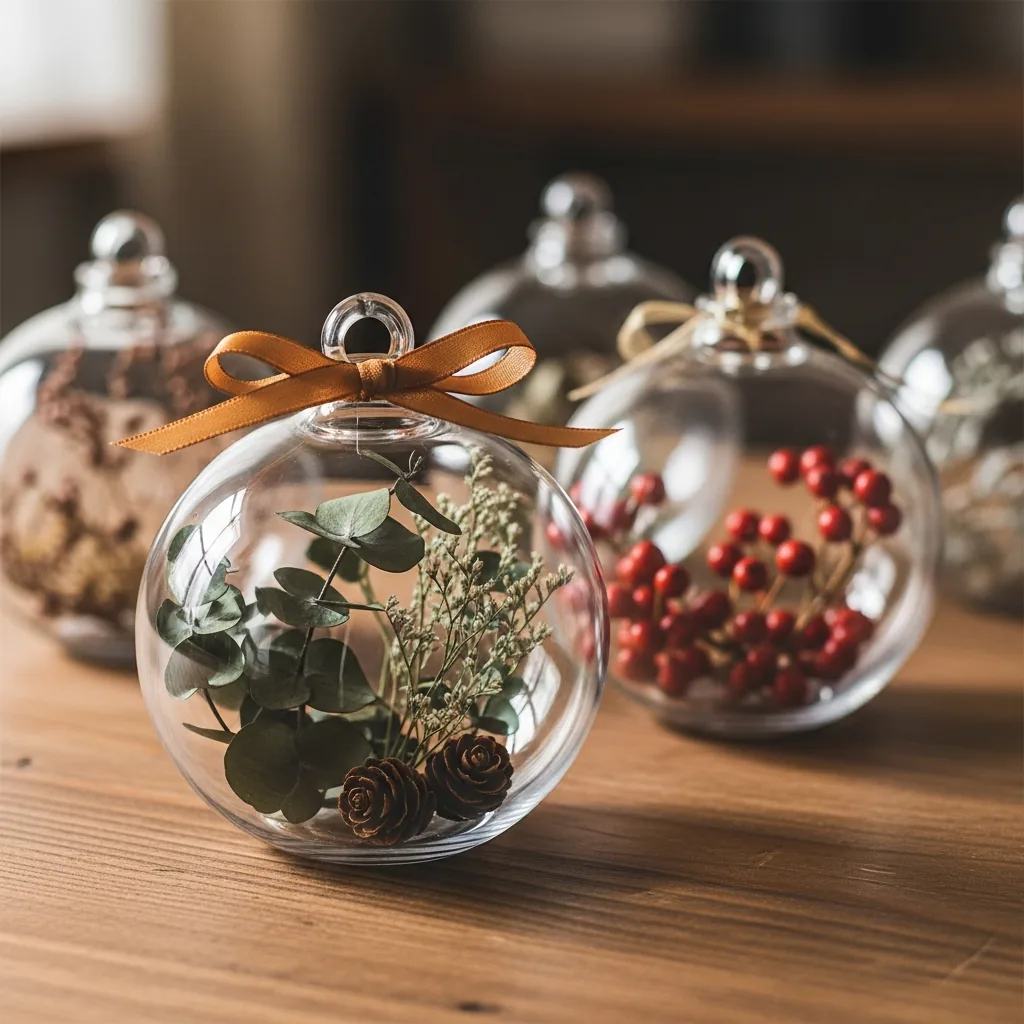
TL;DR: You can make beautiful Christmas baubles using natural materials like evergreen sprigs, dried flowers, or even small pinecones. Gather your materials, carefully place them inside clear, fillable baubles, and secure the cap. Add a ribbon loop for hanging. Consider spraying some elements for extra sparkle. This DIY project adds a personal, garden-inspired touch to your holiday tree. For more complex botanical crafts or questions about plant safety, always consult reliable gardening resources.
Making your own Christmas baubles is a wonderful way to add a personal touch to your holiday decor. I love finding unique ways to use what my garden offers. this guide covers show you how to create stunning Christmas baubles right from your backyard. We’ll focus on using natural elements and simple techniques. This isn’t about complex crafts; it’s about bringing a bit of the garden’s magic indoors for the holidays. We’ll cover what materials work best and how to assemble them safely.
Why Making Your Own Christmas Baubles Matters
Bringing the outdoors in during winter feels so cozy. When the garden gets quiet, finding ways to use its bounty makes sense. Making your own Christmas baubles is a fantastic project for this. It lets you personalize your tree with items you’ve collected. Think about the joy of hanging ornaments made from your own yard. It’s also an eco-friendly option. You’re repurposing natural materials instead of buying new plastic decorations. Plus, it’s a great way to connect with the season’s spirit. I learned this the hard way by buying generic decor every year. Now, I love creating pieces that tell a story.
The National Park Service even notes how natural elements graced historical holiday decorations, like at the Eisenhower home. This highlights a long tradition of bringing the outdoors into holiday celebrations. Using garden clippings for your baubles taps into that history. It’s a sustainable practice that also beautifies your home. You can create a truly unique look that reflects your garden’s character. It’s a rewarding craft that connects you to nature and the holidays.
Gathering Materials: What to Use and What to Avoid
Deciding what to put inside your clear baubles is part of the fun. You want materials that are dry or can be dried, and won’t cause issues. Here’s a breakdown of what’s generally safe and what to watch out for:
Worth gathering:
- Small evergreen sprigs: Think pine, fir, or spruce clippings. Ensure they are dry and won’t shed excessively.
- Dried flowers and seed pods: Lavender, baby’s breath, or small seed heads add delicate texture.
- Small pinecones or acorns: These add a rustic, natural feel. Make sure they are clean and dry.
- Cinnamon sticks or star anise: These add scent and a festive look.
- Small, colorful berries (dried): Ensure they are non-toxic if you have pets or small children.
- Sprigs of eucalyptus or rosemary: These offer lovely fragrance and color. Allow them to dry completely first.
Worth avoiding or handling with care:
- Fresh, moist plant matter: This can mold inside a sealed bauble. Always let materials dry thoroughly.
- Toxic plants: Some common garden plants are poisonous if ingested. If you have pets or children, cross-reference any plant material with the ASPCA’s toxic plant list. For example, many parts of Holly (Ilex spp.) can be toxic.
- Invasive species: Avoid gathering materials from plants known to be invasive in your region. This prevents accidental spread. Check with your local cooperative extension office for invasive plant lists.
- Anything too large or fragile: Items that break easily or are too big won’t fit well or will look messy.
- Berries with unknown toxicity: If you’re unsure about a berry’s safety, it’s best to leave it out.
Step-by-Step: Crafting Your Garden Christmas Baubles
- Select Your Baubles: Choose clear, fillable ornaments. These usually come in two halves that snap or twist together. You can find them at craft stores. Ensure they are clean and dry before you start.
- Gather and Prepare Materials: Collect small cuttings from your garden. This could be evergreen needles, dried flower heads, or tiny seed pods. Let all plant materials dry completely for at least a week to prevent mold. If using berries or anything with potential toxicity, double-check safety with the ASPCA toxic plant list.
- Add Color or Sparkle (Optional): If you want to add a metallic sheen, lightly spray some dried elements with craft paint or glitter spray. Do this outdoors or in a well-ventilated area. Let them dry fully before proceeding.
- Fill the Bauble: Use tweezers or a small funnel to carefully place your dried garden materials into one half of the bauble. Don’t overstuff it; leave some space for arrangement. You can layer different textures and colors.
- Arrange the Fillings: Gently shake or tap the bauble to settle the items. You can use a skewer or the tweezers to adjust their position for the best visual appeal. Aim for a balanced look.
- Secure the Bauble: Once you’re happy with the arrangement, carefully snap or twist the two halves of the bauble back together. Ensure it’s sealed tightly to keep the contents inside.
- Add a Hanging Loop: Cut a piece of ribbon, twine, or decorative cord. Thread it through the bauble’s hanging loop or cap. Tie a secure knot to create a loop for hanging on your tree.
Common Misconceptions About DIY Christmas Baubles
Myth: You can use any fresh greenery from your garden right away.
Reality: Fresh plant material often contains moisture. This moisture can lead to mold growth inside a sealed bauble, ruining your decoration. Always let clippings and flowers dry completely for several days to a week before placing them in ornaments. This ensures longevity and prevents a musty smell.
Myth: All berries found in the garden are safe to use.
Reality: Many common garden berries are toxic to humans and pets if ingested. It’s crucial to identify any berries you plan to use. Always consult resources like the ASPCA’s toxic plant database. When in doubt, skip the berries entirely or use artificial ones.
Myth: Crafting Christmas baubles is only for experienced DIYers.
Reality: This project is incredibly beginner-friendly. The main steps involve gathering materials and carefully placing them inside a pre-made bauble. It requires minimal crafting skill. The beauty comes from the natural elements themselves, not complex techniques. It’s a project almost anyone can do successfully.
Myth: You need special tools to make these baubles.
Reality: You really only need a few basic tools. Tweezers are very helpful for precise placement inside the bauble. A small funnel can assist with loose items like glitter or tiny seeds. Scissors for cutting ribbon are also necessary. Most items are likely already in your craft or kitchen drawers.
What to Track for Future Projects
Keeping notes can help you make even better garden-inspired Christmas baubles next year. Consider tracking these details:
- Best types of evergreen clippings that hold their shape.
- Which dried flowers retain their color best.
- How long it takes for specific plant materials to dry completely.
- Any materials that showed signs of mold or decay.
- How well painted or glittered elements adhered over time.
- Which bauble sizes worked best for certain fillings.
- The impact of humidity on dried materials.
- Any new, interesting seed pods or berries you discover.
- The success rate of using scented items like cinnamon sticks.
Frequently Asked Questions About Garden Baubles
Can I use fresh flowers from my garden?
It’s best to use dried flowers. Fresh flowers contain moisture that can cause mold inside a sealed bauble. Allow flowers to dry completely, either air-dried in a cool, dark place or pressed, before adding them to your ornament.
What’s the best way to dry plant materials for baubles?
Air drying is simple and effective for most items. Spread small sprigs or flowers on a screen or paper towel in a warm, dry, well-ventilated area away from direct sunlight. This can take anywhere from a few days to a couple of weeks, depending on the material.
Are there any specific plants from the US National Park Service gardens that work well?
While the National Park Service might not specify plants for baubles, they often feature native plants. For example, the Eisenhower National Historic Site gardens have various trees and shrubs. Small evergreen sprigs like pine or fir are historically appropriate and visually appealing. Always ensure you’re gathering from your own property or have permission.
How do I prevent the fillings from shifting around too much?
Don’t overfill the bauble. Leave some empty space. You can use a bit of clear glue or a tiny dab of floral foam at the base if needed, but often careful arrangement is enough. Gentle shaking helps settle items. Tweezers allow for precise placement to lock things in.
Can I combine different types of materials in one bauble?
Absolutely! Mixing textures and colors makes for a more interesting bauble. Try combining small evergreen sprigs with dried flowers or seed pods. Just ensure all materials are dry and roughly the same size for easy placement.
Where can I find fillable Christmas baubles?
Fillable ornaments are widely available at craft stores, large discount retailers, and online. They typically come in clear plastic or glass and open up, making them perfect for this kind of DIY project.
Your Garden, Your Decorations
Creating your own Christmas baubles from garden finds is a rewarding project. It brings a unique, natural beauty to your holiday decorations. Remember to always prioritize safety, especially with pets and children, by checking plant toxicity. If you’re ever unsure about a plant’s identity or safety, reaching out to your local cooperative extension office is a smart move. Enjoy the process and the beautiful results from your very own garden!