Quick Guide to Christmas Tree Alternatives (houseplant care)
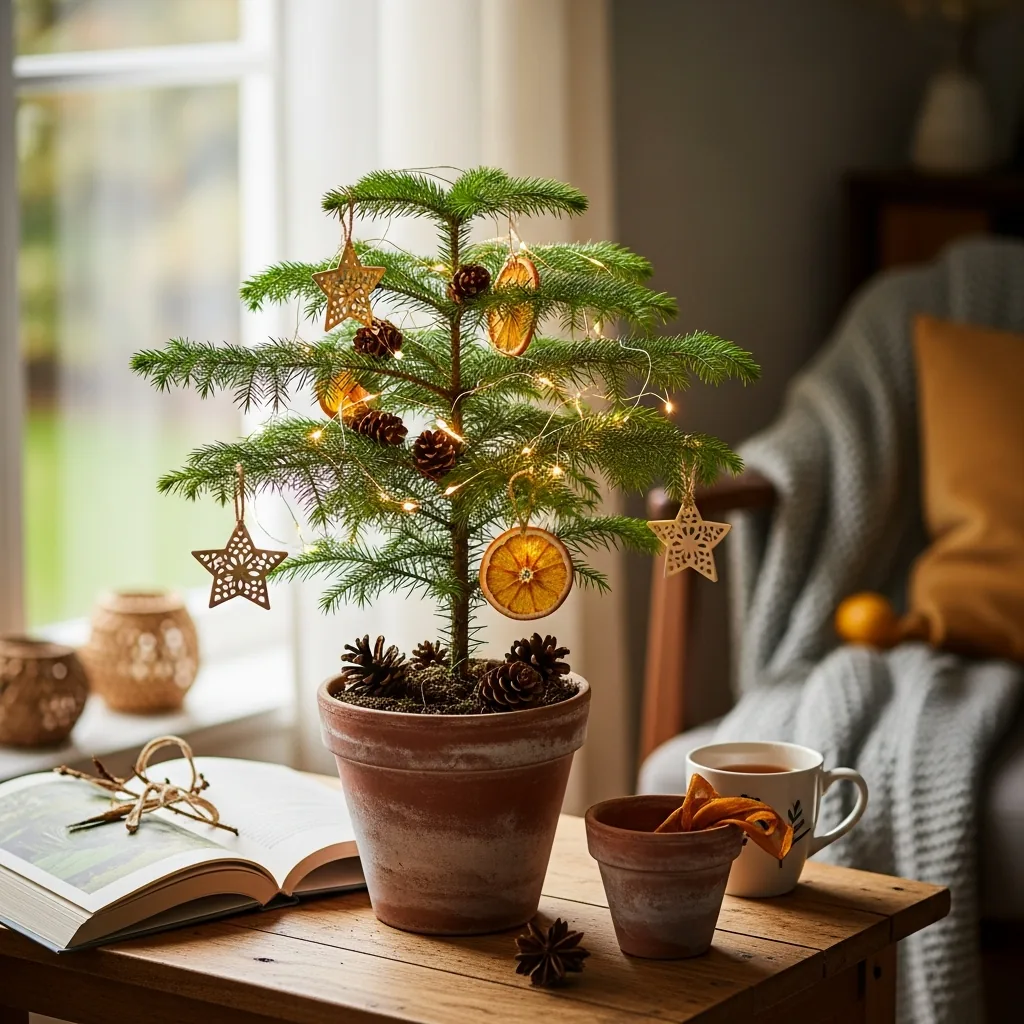
Quick version: Looking for christmas tree alternatives? Decorate a large houseplant like a Monstera or Fiddle Leaf Fig with LED lights and lightweight ornaments. Small, potted evergreens such as dwarf Alberta spruce or Norfolk Island pine also work well and can be planted outdoors later. For a more rustic feel, use branches from pruning or a pyramid-shaped bay laurel. Some plants, like the Christmas cherry, are festive on their own. Always use cool LED lights to avoid damaging plants and choose decorations that aren’t too heavy.
Finding the perfect spot for a traditional Christmas tree can be tough in smaller homes or apartments. Maybe you’re tired of the needle drop or the cleanup hassle. You’re not alone! I’ve definitely struggled with finding space for festive decor. This guide offers some great christmas tree alternatives. We’ll explore easy ways to bring holiday cheer without a giant evergreen. Think of decorating existing houseplants or using smaller, manageable evergreens. We’re focusing on practical, backyard-gardener-approved ideas, drawing on reliable advice, not just fancy plant science.
Why Christmas Tree Alternatives Matter for Home Gardeners
As a gardener, I know the joy of bringing the outdoors in. But let’s be real: a full-sized Christmas tree isn’t always feasible, especially if you’re working with a smaller yard or living space. Traditional trees shed needles everywhere, making cleanup a chore. Plus, the environmental impact of buying and disposing of a new tree each year is something many of us consider. Exploring christmas tree alternatives lets you embrace the holiday spirit sustainably. It’s about making smart choices that fit your lifestyle and your garden’s scale. Many of these options can be used year after year, reducing waste and saving money. Plus, they offer a chance to showcase your existing plant collection or invest in a new one that thrives indoors and out. It’s a win-win for festive cheer and conscious living.
Watching vs. Acting: When to Decorate and When to Seek Experts
Worth watching:
- Your existing houseplants: Many large houseplants can be lightly decorated. Consider plants with sturdy stems and broad leaves that can handle a few lightweight ornaments and LED fairy lights.
- Potted dwarf evergreens: Small conifers like dwarf Alberta spruce or dwarf pines are perfect. They mimic a traditional tree shape and can be planted in the garden after the holidays.
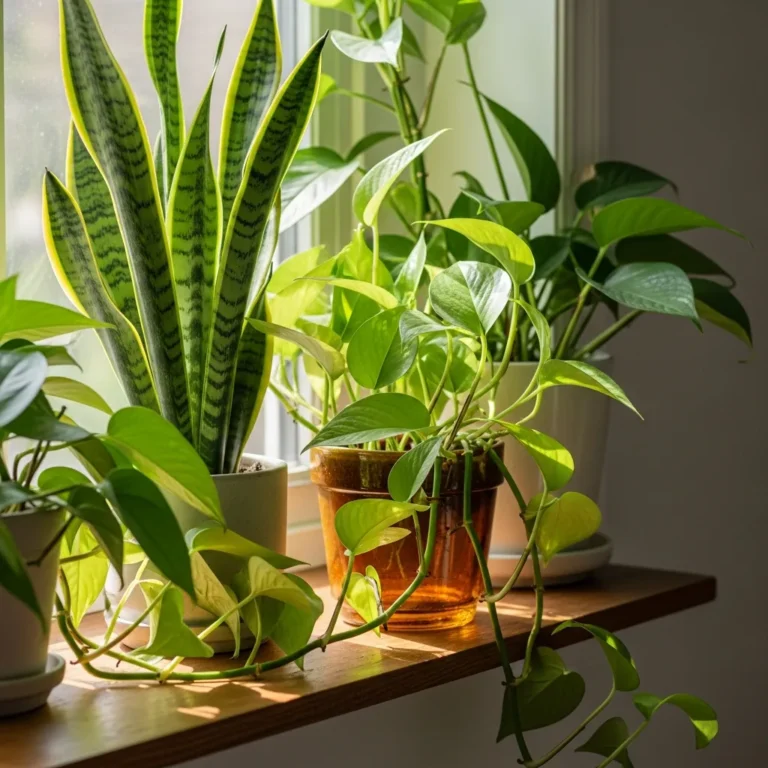
- Architectural plants: Plants with interesting shapes, like a ZZ plant or a tall snake plant, can serve as a festive focal point with just a few lights.
- Citrus trees: A small lemon or lime tree, especially if it has fruit, is naturally festive and can be enhanced with lights.
- Bay laurel pyramids: These offer a formal, tree-like shape and can be moved outdoors permanently later.
Worth calling an expert:
- Suspected plant toxicity: If you have pets or small children and consider a plant like a Christmas cherry (Solanum pseudocapsicum), check the ASPCA’s toxic plant list. Some berries are mildly toxic.
- Large plant relocation: If your chosen alternative is a large, established potted plant that you want to move outdoors permanently, consult a professional if it’s too heavy or unwieldy to manage safely.
- Pest identification: If you notice unusual pests on your plant that might be invasive or damaging to your other plants, contact your local cooperative extension office for identification and treatment advice.
- Soil health for outdoor planting: If you plan to plant your Christmas tree alternative outdoors and are unsure about your soil’s suitability, a soil test through your local cooperative extension office is a good idea.
Step-by-Step: Decorating Your Christmas Tree Alternatives
- Assess your plant’s health: Before decorating, ensure your chosen plant is healthy and well-watered. For houseplants, check for pests and confirm they’re in a suitable location with appropriate light. If you’re using a plant that will go outdoors later, make sure it’s hardy enough for your climate zone.
- Choose the right lights: Opt for LED string lights. They generate very little heat, crucial for plant health. Avoid older incandescent bulbs that can scorch leaves or dry out needles. Wrap lights gently around branches, ensuring they don’t cause stress.
- Select lightweight ornaments: Heavy ornaments can break delicate branches or weigh down stems. Choose small, light decorations made from felt, paper, or thin plastic. You can even make your own!
- Decorate strategically: Focus on areas that are visible and accessible. If decorating a houseplant, be mindful not to cover too many leaves, as they need light for photosynthesis. For small evergreens, distribute ornaments evenly.
- Add a festive base: For potted plants, consider a decorative mulch like preserved moss or festive fabric around the base. This hides the soil and adds a polished look, similar to how you’d mulch a traditional tree.
- Consider scent: While not strictly decoration, adding a natural scent can enhance the festive feel. A small dish of cinnamon sticks or dried orange slices near your plant can add a lovely aroma without directly impacting the plant.
- Plan for post-holiday care: Decide if your plant will remain a houseplant or be planted outdoors. If planting, research the plant’s specific needs and timing for your region. Your local cooperative extension office can offer guidance on planting natives or suitable ornamentals.
Common Myths About Christmas Tree Alternatives
Myth: You can’t truly decorate a houseplant like a Christmas tree.
Reality: While you need to be more careful, many houseplants can be beautifully decorated. The key is using lightweight ornaments and cool LED lights. Plants like a Monstera deliciosa or a tall Ficus elastica can be stunning with a bit of festive flair. It’s about adapting traditional ideas to your plant’s needs, not forcing it to be something it’s not.
Myth: Small potted Christmas trees are disposable and meant to be thrown out after the holidays.
Reality: Many small, potted evergreens are chosen for their ability to be planted outdoors after Christmas. Varieties like dwarf Alberta spruce or certain pines can thrive in your garden if given the right conditions. This makes them a much more sustainable choice than a cut tree. Check with your local nursery or extension office about suitability for your zone.
Myth: Any plant can be decorated for Christmas.
Reality: Not all plants are suited for decoration. Delicate plants or those with very fine foliage might be damaged by ornaments or lights. Also, consider the plant’s natural growth habit and light requirements. A plant in low light might struggle if its leaves are heavily covered. Always prioritize the plant’s health over excessive decoration.
Myth: Christmas cherry plants are safe for all homes.
Reality: The Christmas cherry (Solanum pseudocapsicum) has attractive red berries, but these berries can be mildly toxic if ingested by pets or children. It’s essential to check toxicity lists, like the one provided by the ASPCA, and place these plants out of reach if you have curious animals or little ones. Proper identification and cautious placement are key.
Tracking Your Festive Plant’s Needs
- Light exposure: Note how much indirect or direct light your plant receives daily. This is crucial for houseplants and for determining the best outdoor spot later.
- Watering schedule: Keep track of when and how much you water. Overwatering is a common houseplant killer, especially in winter.
- Leaf color and turgidity: Observe if leaves are lively green and firm, or if they’re yellowing, browning, or wilting.
- Growth rate: Notice if new leaves are emerging. Slow or stalled growth can indicate an issue.
- Ornament weight distribution: Periodically check that ornaments aren’t causing branches to droop or break.
- Pest presence: Inspect leaves and stems regularly for any signs of common houseplant pests like spider mites or mealybugs.
- Temperature fluctuations: Monitor indoor temperatures, especially drafts near windows or heat sources, which can stress plants.
- Soil moisture: Use a finger test or moisture meter to check if the top inch of soil is dry before watering.
- Post-holiday planting conditions: If planting outdoors, track soil temperature and moisture levels in the intended spot.
Frequently Asked Questions About Christmas Tree Alternatives
Can I decorate a small potted Christmas tree that I plan to plant outside?
Yes, you absolutely can decorate a small potted Christmas tree with the intention of planting it later. Use lightweight ornaments and LED lights that generate minimal heat. Ensure the plant is suitable for your climate zone and provide it with appropriate care indoors before transplanting it into the garden after the holiday season has passed.
What are the safest christmas tree alternatives if I have pets?
For pet safety, focus on plants that are non-toxic. Many common houseplants like spider plants, ZZ plants, and snake plants are generally considered safe. Avoid plants with berries or sharp needles if your pets tend to chew on things. Always double-check with the ASPCA’s toxic plant list before bringing any new plant into a pet-filled home.
How do I keep my decorated houseplant healthy through the holidays?
The key is moderation. Use cool LED lights to prevent heat stress. Don’t over-decorate, allowing leaves to photosynthesize. Maintain a consistent watering schedule, but avoid overwatering, especially in cooler indoor conditions. Ensure the plant is in its preferred light location and away from drafts or heat vents.
Are there any alternatives that look very similar to a traditional Christmas tree?
Yes, plants like the Norfolk Island Pine (Araucaria heterophylla) have a similar conical shape and branching structure to traditional conifers. Potted dwarf evergreens, such as dwarf Alberta spruce or certain varieties of small firs, also closely resemble a traditional Christmas tree but on a smaller scale.
What’s the best way to decorate a Monstera deliciosa for the holidays?
A Monstera deliciosa, with its large, dramatic leaves, is fantastic for holiday decorating. You can gently wrap LED fairy lights around its aerial roots and stems. Add a few lightweight, small ornaments, perhaps in metallic tones or natural materials, that won’t weigh down the leaves or petioles. Avoid covering too much of the leaf surface to ensure it still gets enough light.
Can I use cuttings from my garden as Christmas decorations?
Absolutely! If you’re doing any winter pruning, evergreen cuttings like pine, fir, or cedar branches can make beautiful, fragrant decorations. You can create small wreaths, garlands, or simply place a few sprigs in vases. Just be sure you’re pruning appropriately and not damaging the parent plant. Your local extension office can advise on proper pruning techniques.
Wrapping Up Your Festive Decor
Choosing christmas tree alternatives is a fantastic way to enjoy the holidays, especially if space is tight. Whether you’re decking out a beloved houseplant or planting a mini evergreen in your yard later, there are many creative options. Remember to prioritize your plant’s health and safety. If you’re ever unsure about plant care, toxicity, or suitability for your garden, don’t hesitate to reach out to the experts. They’re there to help your garden-and your festive displays-thrive.