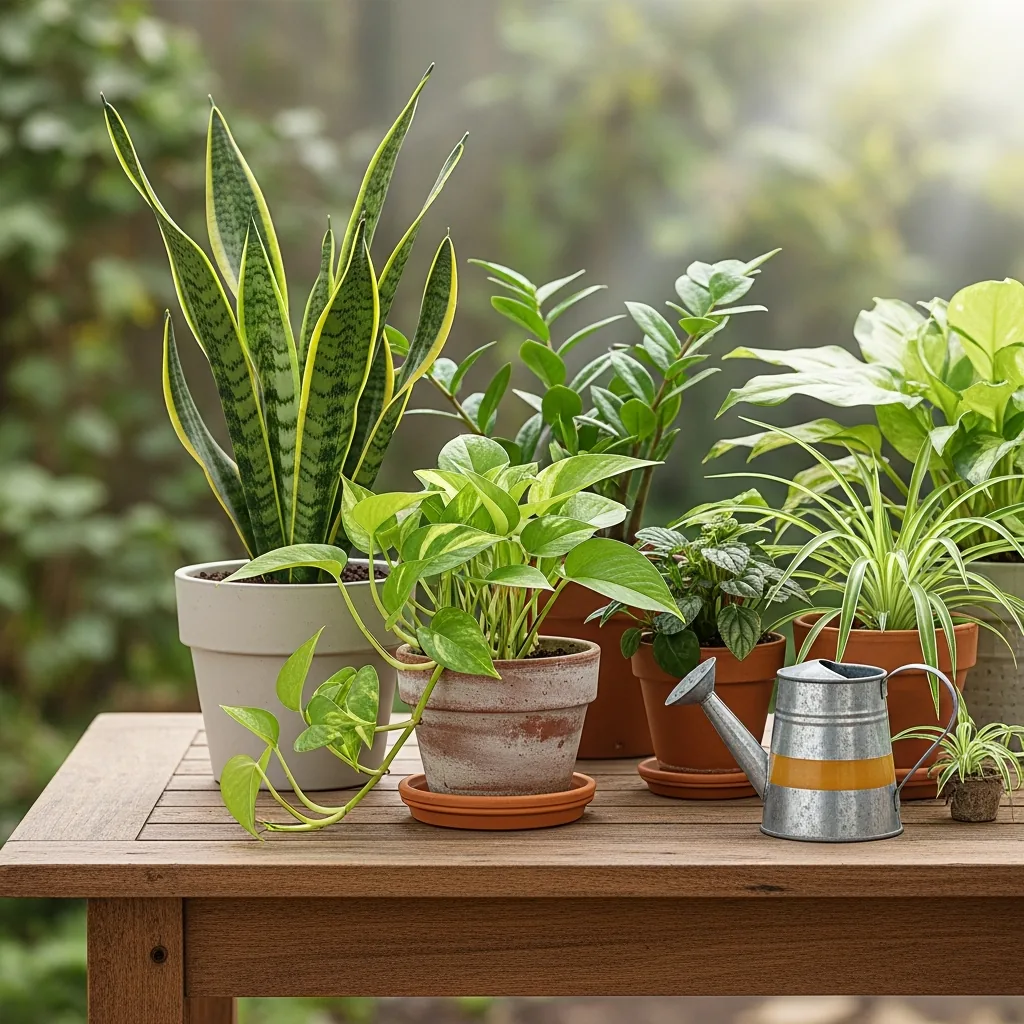
Quick Guide to Easy Houseplants
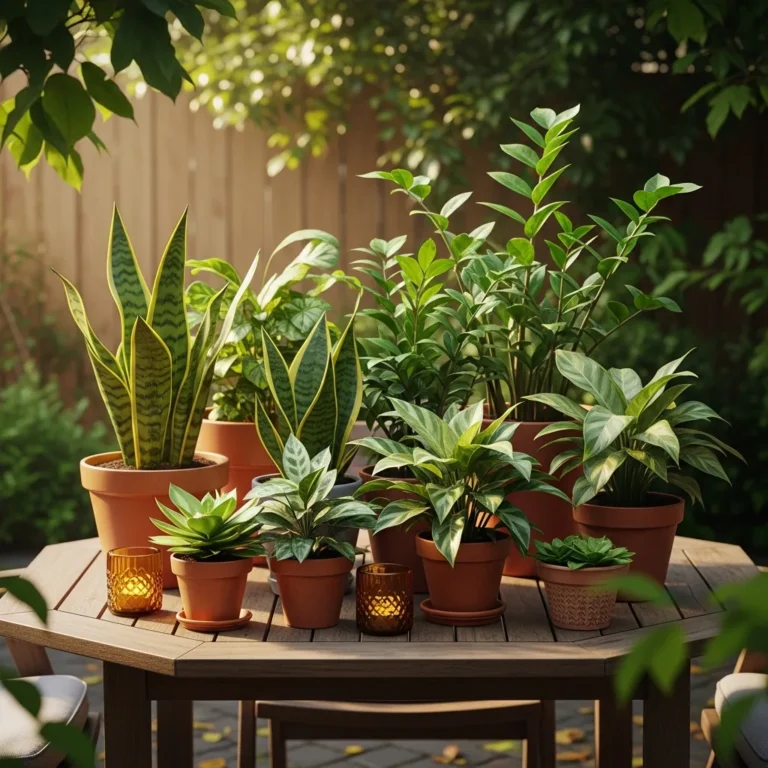
Quick version: For beginners, the best houseplants offer resilience and simple care routines. Look for plants like Snake Plants (Sansevieria trifasciata), ZZ Plants (Zamioculcas zamiifolia), and Pothos (Epipremnum aureum). These houseplants tolerate low light and infrequent watering, making them forgiving for new plant parents. They require minimal fuss and can thrive even if you forget to water them occasionally. Choosing houseplants that match your home’s light conditions is key to success. These are some of the most popular houseplants for a reason.
Bringing a bit of green indoors can really brighten up a space. But let’s be honest, not all of us have a natural green thumb. I’ve definitely killed my fair share of plants.
This guide is all about finding the best houseplants for beginners. We’ll focus on easy-care options that can handle a little neglect. Think of it as learning from someone who’s been there, using advice from the experts.
We’re covering what makes a plant ‘easy,’ how to pick the right one for your home, and common pitfalls to avoid. We won’t cover advanced propagation or rare species, just getting started with happy, healthy indoor plants.
Why Houseplants Matter for Your Home
Adding houseplants to your living space is more than just decoration. They can genuinely improve your home environment. Research shows that indoor plants can help purify the air. They absorb certain pollutants and release oxygen. This can lead to a fresher, cleaner feel indoors. The University of Minnesota Extension highlights how plants can reduce stress and increase feelings of well-being. Just looking at greenery can be calming. It’s like having a tiny piece of nature right inside your home. This connection to the natural world can be quite grounding. Plus, watching a plant grow and thrive can be incredibly rewarding. It’s a small victory that adds many joy to everyday life. Even if you’re new to gardening, starting with easy houseplants is a fantastic way to experience these benefits. They don’t demand a lot, but they give back so much.
When to Watch and When to Act with Houseplants
Worth watching:
- Slightly yellowing leaves: This can often be a sign of overwatering or underwatering. Check the soil moisture before doing anything drastic.
- Slow growth: Most houseplants grow slower in winter. It’s normal for them to take a break. Observe their overall health.
- A few brown leaf tips: This might be due to low humidity. Try misting or placing the plant near a humidifier.
- Minor dust on leaves: Simply wipe them down with a damp cloth. It helps them breathe and absorb light better.
- Slight wilting before watering: Many plants droop a little when thirsty. This is a natural signal for you to water them.
- Small, new leaves are smaller than older ones: This can be normal for some species as they mature.
Worth calling an expert:
- Sudden, widespread yellowing or dropping of leaves: This indicates a serious issue, possibly root rot from overwatering.
- Visible pests like mealybugs or spider mites covering the plant: These can spread quickly and harm other plants. An expert can help identify them.
- Leaves with strange spots or fuzzy mold: This could be a fungal disease that needs specific treatment.
- Plant is toxic and a pet or child ingested a part: Immediately consult the ASPCA Animal Poison Control Center. They can provide urgent advice.
- Plant is large, unstable, or near electrical fixtures: For any concerns about structural integrity or potential hazards, consult an ISA-certified arborist.
- You suspect soil contamination or want to use chemicals: Your local cooperative extension office can offer guidance on safe testing and treatment.
Your Step-by-Step Houseplant Care Plan
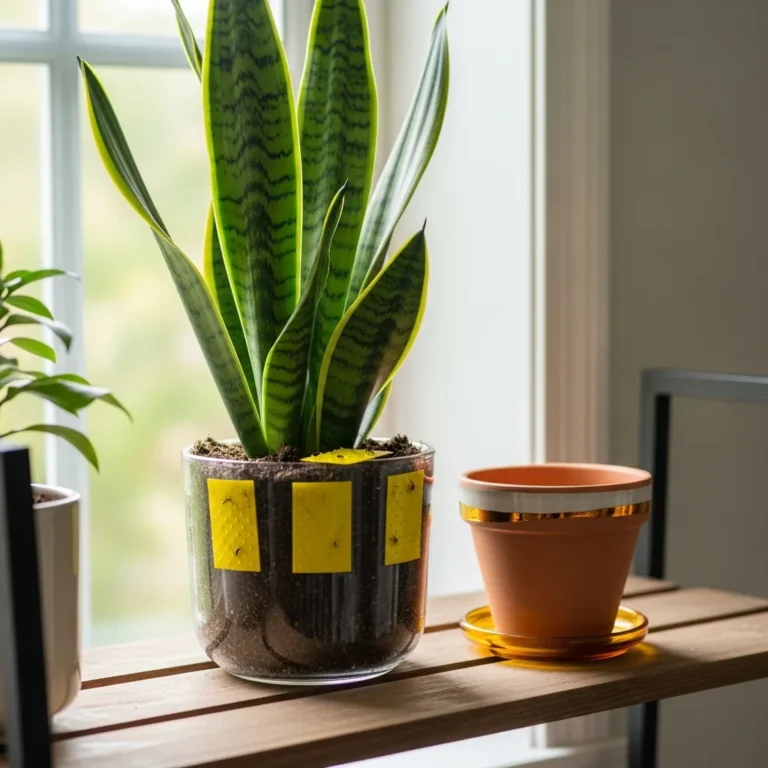
- Choose the Right Plant for Your Space: Don’t just pick a plant because it looks pretty. Assess your home’s light conditions. Do you have bright, indirect light, or is it mostly low light? Match the plant’s needs to your environment. For instance, Snake Plants thrive in low light, while succulents need bright sun. This simple step prevents many common problems later.
- Select the Right Pot and Soil: Ensure your pot has drainage holes. This is non-negotiable to prevent root rot. Use a well-draining potting mix. You can buy a commercial blend or make your own. A good mix for most houseplants includes peat moss, perlite, and compost. This provides aeration and moisture retention. Penn State Extension suggests a potting mix with good drainage for most container plants.
- Water Wisely: Only When Needed: Overwatering is the number one killer of houseplants. Stick your finger about an inch or two into the soil. If it feels dry, it’s time to water. If it feels moist, wait. Water thoroughly until it drains from the bottom. Discard any excess water in the saucer. Watering frequency will vary by plant type, season, and humidity.
- Provide Adequate Light: Even low-light plants need some light to survive. Place them near windows, but avoid direct, harsh sunlight for most species. This can scorch their leaves. Plants that need bright light can often tolerate some direct sun, especially in the morning. Rotate your plants regularly so all sides get light exposure.
- Feed Your Plants (Sparingly): Most houseplants benefit from occasional feeding during the growing season (spring and summer). Use a balanced liquid fertilizer diluted to half strength. Follow the product instructions carefully. Over-fertilizing can burn the roots. You don’t need to fertilize in fall or winter when growth slows down.
- Keep an Eye Out for Pests: Regularly inspect your plants, especially the undersides of leaves and stems. Look for common pests like spider mites, mealybugs, and aphids. If you find any, act quickly. You can often treat minor infestations with insecticidal soap or by wiping them off with a damp cloth. Early detection is key to preventing a major problem.
- Repot When Necessary: Most houseplants will need repotting every 1-2 years. You’ll know it’s time when roots are growing out of the drainage holes or the plant seems to dry out very quickly. Choose a pot that’s only 1-2 inches larger in diameter than the current one. Use fresh potting mix. Repotting gives the roots fresh soil and more space to grow.
Debunking Common Houseplant Myths
Myth: All houseplants need direct sunlight to thrive.
Reality: This is far from true. Many popular houseplants, like Snake Plants and ZZ Plants, actually prefer low to medium indirect light. Direct sun can scorch their leaves, causing damage. Always check the specific light requirements for your plant. The University of Illinois Extension notes that light needs vary greatly among species.
Myth: You should water houseplants on a strict schedule, like once a week.
Reality: Plants don’t own calendars. Their water needs depend on light, temperature, humidity, and the type of soil they’re in. Always check the soil moisture before watering. Sticking your finger into the soil is the best method. Overwatering is a very common mistake that leads to root rot.
Myth: If a plant is wilting, it definitely needs more water.
Reality: While wilting often signals thirst, it can also be a sign of overwatering. When roots sit in soggy soil, they can’t get oxygen and start to rot. This prevents the plant from taking up water, leading to wilting. Always check the soil moisture to diagnose the problem correctly.
Myth: You can’t grow houseplants if you live in a dark apartment.
Reality: While some plants need bright light, many houseplants are adapted to low-light conditions. Plants like the Cast Iron Plant (Aspidistra elatior) or certain varieties of Pothos can survive and even thrive in very low light. You just need to choose the right plant for your space. The Minnesota Extension lists several low-light tolerant options.
Myth: Fertilizer is essential for houseplants year-round.
Reality: Most houseplants only need fertilizer during their active growing season, typically spring and summer. In fall and winter, their growth slows considerably, and they don’t need extra nutrients. Over-fertilizing can actually harm your plant by burning its roots. Stick to feeding only when the plant is actively producing new leaves or flowers.
What to Track for Happy Houseplants
- Watering Schedule: Note down when you last watered each plant. This helps prevent over or under-watering.
- Light Exposure: Track how much light each location receives throughout the day. Is it direct sun, bright indirect, or low light?
- Leaf Appearance: Observe leaf color, texture, and shape. Note any yellowing, browning, spots, or wilting.
- New Growth: Look for new leaves, stems, or flower buds. This indicates the plant is healthy and happy.
- Pest Sightings: Regularly check for any signs of pests like webbing, spots, or tiny insects.
- Soil Moisture: Use your finger or a moisture meter to gauge soil dampness before watering.
- Fertilizing Dates: Keep a record of when you last fertilized and with what product.
- Repotting Dates: Note when each plant was last repotted and into what size container.
- Temperature and Humidity: While harder to track daily, be aware of significant changes that might affect your plants.
Frequently Asked Questions About Houseplants
What are the easiest houseplants for complete beginners?
The easiest houseplants for beginners are typically those that tolerate a range of conditions and don’t mind occasional neglect. Snake plants, ZZ plants, and Pothos are excellent choices. They can handle low light and infrequent watering, making them very forgiving. These plants are great for building confidence.
How often should I fertilize my houseplants?
Fertilize houseplants during their active growing season, which is usually spring and summer. Use a balanced liquid fertilizer diluted to half strength. Typically, this means feeding every 4-6 weeks. Avoid fertilizing in the fall and winter months when plant growth naturally slows down. Over-fertilizing can cause root burn.
Can I put any houseplant outside in the summer?
Many houseplants can benefit from spending time outdoors in the summer. However, you need to acclimate them gradually. Start by placing them in a shaded spot for a few hours, increasing the time and light exposure over a week or two. Protect them from harsh direct sun, which can burn their leaves. Bring them back inside before temperatures drop consistently.
What does it mean if my houseplant’s leaves turn yellow?
Yellowing leaves on houseplants can signal several issues, most commonly overwatering or underwatering. Check the soil moisture first. If the soil is waterlogged, you’re likely overwatering. If it’s bone dry, you need to water more frequently. Other causes can include nutrient deficiencies or insufficient light, but watering is the most frequent culprit.
How can I tell if my houseplant has pests?
Regularly inspect your plants, especially the undersides of leaves and where leaves meet stems. Look for tiny insects, sticky residue (honeydew), fine webbing, or small white cottony masses. Common houseplant pests include spider mites, mealybugs, aphids, and scale. Early detection is crucial for effective treatment. The University of California IPM program offers detailed pest identification guides.
Do houseplants really improve air quality?
While the idea that houseplants dramatically purify indoor air is popular, the actual impact in a typical home setting is minimal. NASA’s famous study was conducted in a sealed chamber, not a real home. However, plants do release oxygen and can have a positive psychological effect, reducing stress. They contribute to a feeling of well-being and a more pleasant environment.
When should I repot my houseplant?
Repot houseplants when they become root-bound, which means the roots have filled the pot and may be growing out of the drainage holes. Another sign is if the plant dries out much faster than usual. Generally, most houseplants need repotting every 1-2 years. Choose a pot that is only 1-2 inches larger in diameter than the current one.
Your Green Thumb Journey Starts Now
Starting your houseplant journey doesn’t have to be intimidating. By choosing easy-care plants and following these simple guidelines, you’re setting yourself up for success. Remember, every gardener, myself included, has had plants that didn’t make it. It’s all part of the learning process. Don’t be afraid to experiment and observe your plants closely. If you encounter serious issues like persistent pests or suspect toxicity, don’t hesitate to reach out to local experts. They’re there to help you keep your indoor jungle thriving.